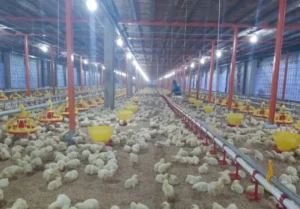
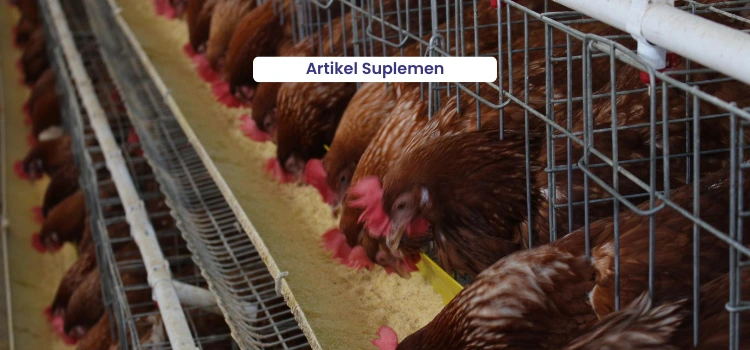
The administration of supplements or medications for chickens in poultry farms has become a necessity and is even scheduled routinely. The ban on the use of Antibiotic Growth Promoters (AGPs) since early 2018 has encouraged farmers to find alternative ways to maintain optimal chicken performance.
Without the administration of supplements or medications in poultry management, serious issues may arise, such as decreased production or even mortality. Ultimately, this can lead to significant economic losses for the farmer.
Therefore, various herbal formulations have been developed to reduce the excessive use of synthetic antibiotics in chickens as part of preventive and control measures against Antimicrobial Resistance (AMR), which may occur when antibiotics are administered improperly and leave residues in the resulting products.
Potential of Herbal Product Utilization
Indonesia has approximately 30,000 plant species with potential for development into herbal-based medicines. However, in reality, around 32% or approximately 9,600 species known to possess medicinal properties have not been optimally utilized as herbal remedies (Indonesian Food and Drug Authority, 2024).
Herbal medicines are natural remedies derived from plants that can be used to support livestock productivity improvement. In general, herbal medicines are classified into three types: traditional medicines or jamu, Standardized Herbal Medicines (OHT), and phytopharmaceuticals.
It is known that traditional medicines or jamu are the most commonly used type of natural remedies among farmers in the field. In contrast, the use of standardized herbal medicines and phytopharmaceuticals remains limited due to the restricted availability of these products in the market.
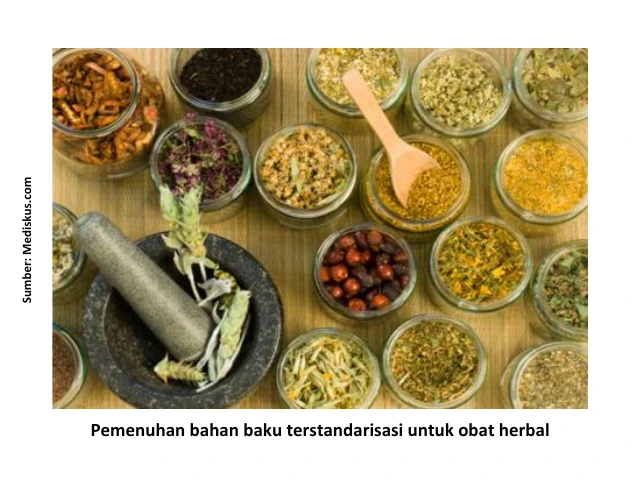
It should be noted that compared to jamu, standardized herbal products intended for livestock offer higher quality in terms of the raw materials used. In standardized herbal medicines, manufacturers utilize plant-based extracts as the primary raw materials.
In the use of jamu, farmers must first process the herbal plants to obtain the extract, which requires considerable labor and cost—especially if the jamu is to be used continuously on a daily basis.
In general, the active compounds of herbal plants are found in the form of secondary metabolites, which play an important role in the survival of the plant species.
A single plant typically produces more than one type of secondary metabolite (such as organic acids, essential oils, and others), allowing a single plant to exhibit multiple pharmacological effects.
The composition of herbal formulations used in poultry herbal products varies, consisting of combinations of different plant species. In poultry farming, several commonly used plants for preparing herbal formulations include turmeric, ginger, garlic, aromatic ginger (kaempferia galanga), galangal, curcuma, cinnamon, and betel leaf, among others.
Most herbal plants possess antibacterial, antioxidant, anti-inflammatory, or even antiviral properties. Herbal medicines have been used for hundreds of years and have proven effective in preventing diseases, promoting health, and accelerating recovery.
Not only for humans, many poultry farmers today have also utilized plants as natural remedies for their livestock. The purposes of their use vary, including stimulating appetite, promoting growth, reducing manure odor in poultry houses, improving egg production and quality, treating sick animals, and enhancing the immune system as immunostimulants.
In the livestock sector, the use of herbal ingredients is increasingly being adopted by farmers, as they have been proven effective in enhancing productivity and are considered safe for poultry health. These ingredients do not cause negative effects—particularly they do not induce resistance, leave residues in chickens, or compromise health—while helping to maintain poultry well-being and improve performance. Other benefits of using herbal products in poultry include:
- Improves immune resistance, making poultry more resilient to stress and diseases, thereby reducing mortality rates (morbidity and mortality).
- Acts as a natural antioxidant
- Stimulates the digestive tract
- Environmentally friendly, as it also helps reduce ammonia odor
The key difference between herbal and chemical medicines lies in their risk of resistance and withdrawal time. The use of chemical drugs is already common among farmers; however, it often lacks strict control, leading to cases where medications are administered improperly (e.g., inaccurate dosage or extended treatment duration). As a result, the likelihood of resistance is higher compared to herbal medicines, which are relatively safer due to their wider dosage range and the absence of evidence showing that they cause resistance.
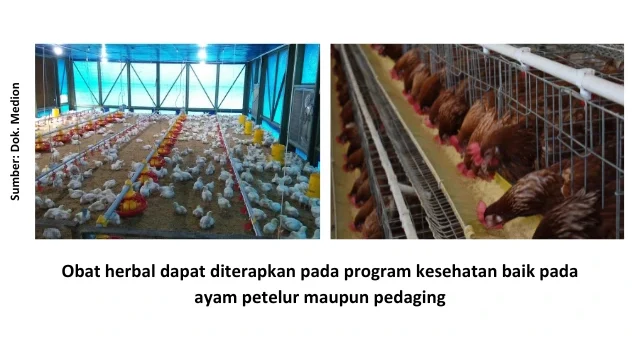
Although herbal products are known to offer many benefits, poultry farmers should not rely solely on them for medication programs (including the administration of drugs and supplements). Synthetic medicines currently available on the market remain viable options, as most are standardized and have passed potency and safety evaluations—both through laboratory testing and direct trials on animals or livestock.
Regarding the risks of resistance and residues from synthetic products, particularly synthetic antibiotics, these issues can actually be largely prevented. Antibiotic resistance may occur due to several factors, including improper dosage administration, inappropriate antibiotic selection, incomplete treatment, continuous use of antibiotics from the same class, and intrinsic bacterial factors such as genetic mutations, enzymatic changes, or alterations in bacterial receptor structures.
The appropriate solution to overcome resistance is by combining antibiotics synergistically and, most importantly, implementing antibiotic rotation. Antibiotic rotation refers to using or administering antibiotics from different classes at intervals of every three to four treatment periods.
To prevent antibiotic residues in poultry products, it is essential to follow the withdrawal period stated on the medication label before slaughter or consumption. For instance, if the label indicates “Discontinue use 5 days before slaughter for consumption,” the medication should be stopped at least 5 days before broilers are harvested. This practice ensures that the broiler carcasses remain free from antibiotic residues.
There are no restrictions on the use of herbal products; however, it is advisable to choose those that are standardized. Standardized herbal medicines serve as an alternative to chemical drugs, ensuring consistent quality, proven efficacy through research, and guaranteed safety.
To ensure the reliability of herbal medicinal products, the following checks can be carried out:
- Examine the active ingredients first and ensure they align with the intended therapeutic purpose.
- Use Standardized Herbal Medicines made from high-quality ingredients and subjected to strict Quality Control (QC) testing, manufactured in compliance with CPOHB (Good Veterinary Medicine Manufacturing Practices) regulations, and proven effective through clinical trials.
- Follow the recommended directions for use.
- Pay attention to the side effects and potential interactions of the product.
- The product packaging should clearly include information on the contents or composition, indications, directions for use, and dosage.
Several veterinary pharmaceutical companies, including Medion, have begun developing a range of safe and standardized herbal products—both in terms of raw material quality and finished formulation. Some examples of these herbal products include:Select 66 more words to run Humanizer.
1. Kumavit
Kumavit is a water-soluble powder formulation containing curcuma extract, along with multivitamins, amino acids, and electrolytes. Kumavit serves as a herbal multivitamin supplement that helps stimulate appetite, enhance immunity, and prevent stress.
2. Gingertol
Gingertol is a liquid supplement containing sorbitol and red ginger extract. Sorbitol serves as an energy source, while red ginger extract provides various beneficial properties such as warming the body of day-old chicks (DOC). This combination makes it an excellent choice to help restore poultry energy when needed.
Additionally, administering Gingertol can enhance the production of digestive enzymes and stimulate the formation of intestinal villi, thereby helping to improve body weight and optimize feed conversion ratio (FCR).
3. Grow Chicks
Grow Chicks is a natural supplement effective in improving performance, such as increasing body weight, enhancing immunity, and accelerating yolk sac absorption in chicks. Administration of Grow Chicks helps improve feed efficiency by reducing the feed conversion ratio (FCR) during the early rearing period.
In addition, Grow Chicks also promotes faster yolk absorption, resulting in improved immune protection.
4. Fithera
The active compounds contained in herbal extracts can act as antibacterial agents by damaging bacterial cell membranes and cell walls, leading to bacterial cell death. These active herbal compounds may also function as antiprotozoal agents, particularly as anticoccidials, by killing coccidia during both sexual and asexual developmental stages.
In addition, it also protects the intestinal villi, thereby preventing sporozoites or coccidia from penetrating and infecting the intestines. An example of such a product is Fithera, a natural liquid medication that helps treat diseases caused by bacterial infections in poultry, such as coccidiosis, coryza, chronic respiratory disease (CRD), and colibacillosis.
5. Fasbro
Fasbro is an alternative product that effectively optimizes the feed conversion ratio (FCR) by increasing digestive enzyme production, resulting in more efficient nutrient absorption. The use of Fasbro can also improve carcass weight and physical quality while accelerating the growth of broiler chickens.
6. Eggstima
The extract in Eggstima helps improve poultry performance during the laying period by increasing egg production, enhancing egg weight, and thickening the eggshell.
7. Ammotrol
Ammotrol is a water-soluble herbal formulation used to control ammonia levels in poultry houses. Ammotrol works by binding ammonia gas produced from protein metabolism waste and helps dry the manure, thereby reducing ammonia odor, improving air quality inside the house, and supporting optimal livestock growth.
8. Optigrin
The current challenge following the ban on the use of antibiotic growth promoters (AGPs) and anticoccidials in feed is the occurrence of digestive disorders caused by pathogenic bacteria. This condition can lead to suboptimal digestion and absorption of nutrients, even when the feed contains ideal nutritional levels.
To optimize digestive health through feed additives, herbal ingredients can enhance performance by suppressing pathogenic microbes in the digestive tract. Optigrin is a natural powdered product mixed into feed to improve poultry performance and strengthen disease resistance.
9. Reduvir
Reduvir is an herbal product with antiviral activity that also helps enhance the immune system. Administration of Reduvir is effective in improving poultry health and reducing mortality in birds infected with viruses.
10. Imustim
Imustim is an ideal choice for maintaining and enhancing immunity as well as restoring weakened immune function in chickens.