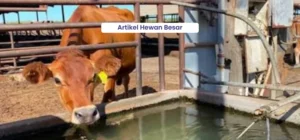
One of the things that need to be considered in an effort to increase cattle production is the aspect of animal health. Cases of enteritis is one of the digestive health disorders that often occur and can affect cow productivity. Enteritis is a health disorder of the digestive system characterized by inflammation of the intestinal mucosa that causes disruption of bowel function.
Enteritis can take an acute or chronic course. Acute Enteritis can last for one day, while in chronic cases it can last for several weeks to months. Cases of enteritis with diarrhea symptoms are common in calves. Even acute diarrhea in calves will lead to dehydration and even death. This condition certainly causes economic losses due to high medical costs, impaired calf growth, to death.
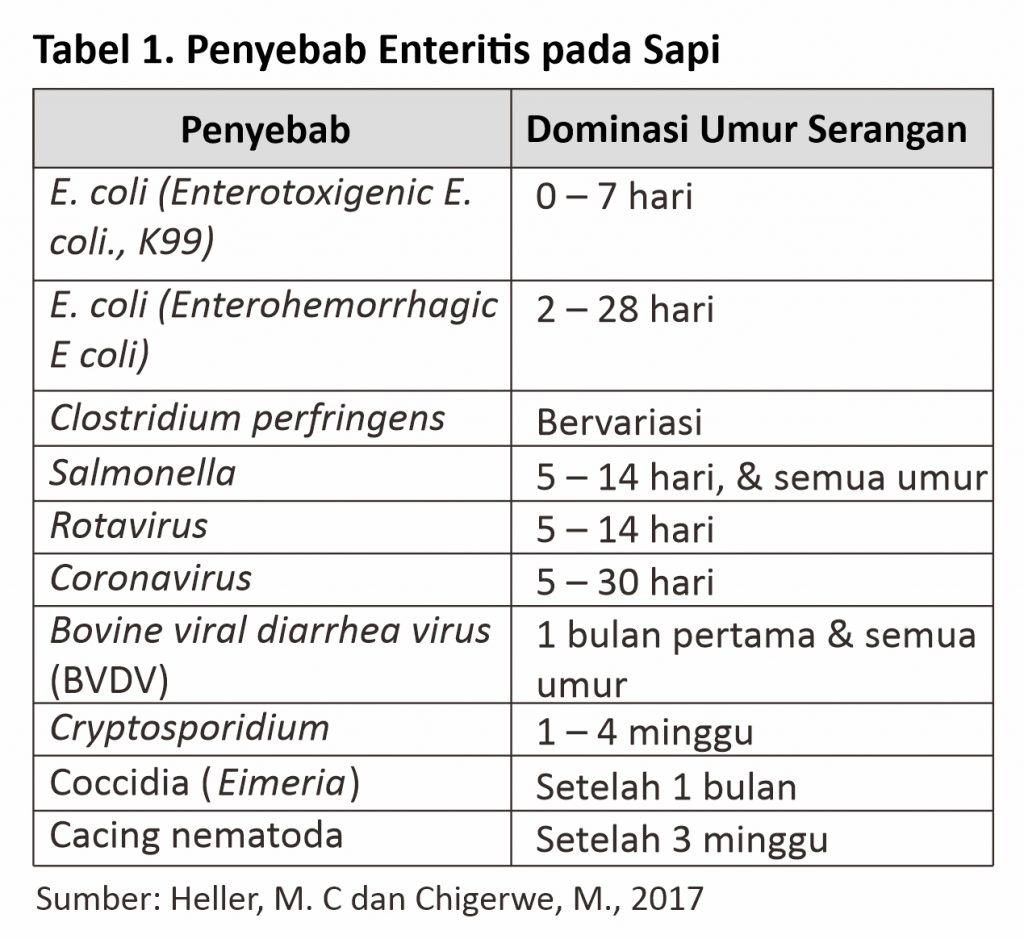
Triggers of enteritis cases with diarrhea symptoms in cattle include the implementation of poor cage sanitation and too dense cage population. Enteritis in cattle is generally caused by pathogenic agents, namely viruses, bacteria, and protozoan parasites and worms as shown in Table 1.
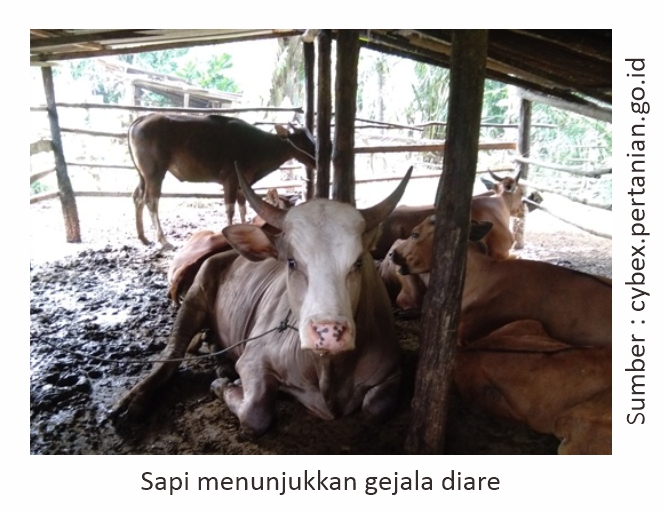
Cows that appear unwell or are suspected of having enteritis need a complete physical examination, including:
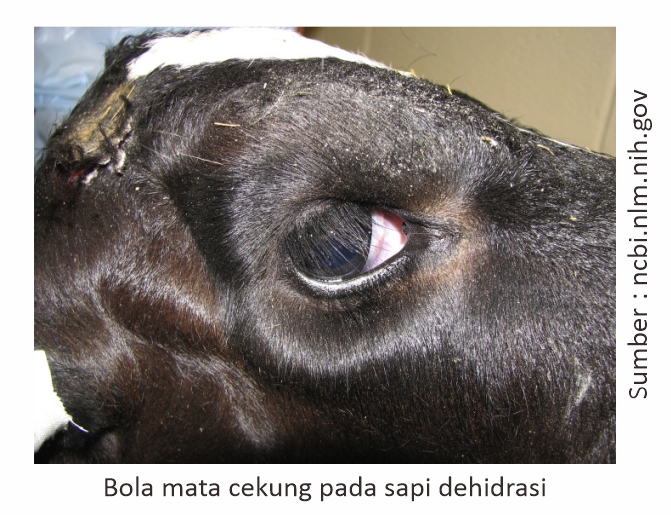
- Assessment of hydration status (fulfillment of body fluid needs). Cows that are dehydrated, the condition of skin turgor (the level of flexibility/ elasticity of the skin) will decrease and the eyeballs are more sunken.
- Observation of cow posture. Posture can indicate a condition of pain in the abdomen. In cows that experience pain can be seen curved back, lying with hind legs outstretched or stomach bulging.
- Rectal temperature examination. In the case of enteritis body temperature can be feverish, normal or hypothermic. In the condition of hypothermia need to watch out because it is often an indicator of prognosis (cure rate) is poor
- Examination of the body condition of livestock. In the case of enteritis the appetite will decrease and the cow will lose weight. In the case caused Rotavirus and Coronavirus can cause damage to the intestinal villi, so that the ability to digest and absorb nutrients decreases. In lean cows or a decrease in weight for a long time indicates a chronic course of the disease. However, the disease can also take an acute course with death without the symptoms of diarrhea. For example, due to enterotoxemia due to Alpha and beta toxins by Clostridium perfringens in some areas in Indonesia.
- Examination of the mouth. Examination of ulceration or the presence of sores in the mouth and hypersalivation is important because some viruses that cause enteritis can also cause sores in the mouth.
- Palpation examination (palpating), auscultation (listening), percussion (patting) of the abdominal region. Palpation can help identify the pain the cow is feeling. Auscultation and percussion of the left and right abdominal walls help to identify the abdominal cavity filled with excessive fluid or air.
- Examination of diarrhea characteristics. Feces should be evaluated by color, odor, volume, to the presence of blood or mucus. In cows with enteritis, feces can be seen
In addition to infectious diseases, enteritis can also be caused by non-infectious factors. For example, giving replacement milk to calves that are not appropriate or feeding cows that are not suitable or sudden changes in feed. Although not too dangerous, non-infectious diarrhea can reduce the condition of the body so that livestock are susceptible to disease.
Treatment that can be done on livestock if the livestock shows these symptoms include:
- Separate sick cows from healthy cows so that they do not become a source of infection.
- Immediately contact a team of medical personnel for further examination and laboratory examination if necessary. The direction of diagnosis affects the treatment that will be carried out.
- If it is caused by bacteria such as E. Coli infection, Salmonella, Clostridium can be given antibiotics G-Mox 15% LA Inj, Medoxy-LA. If it is due to a viral infection, then no treatment can be done causal however, broad-spectrum antibiotics can be given to treat secondary infections (infections that follow). On parasitic infections Eimeria can be given Toltradex and helminth infections can be given such anthelmintic drugs Wormectin Plus or Wormzol-B.
- Administration of analgesics, antipyretics, anti-inflammatories Medipiron Inj to treat pain, fever and inflammation can also be given.
- Administration of multivitamins to improve and improve the condition of the body, for example, by ADE-Plex Inj or Vitamin B Complex Injection. Vitamin B complex given can increase appetite, optimize digestion and metabolism of livestock.
- Treatment of dehydration can be given drinking water or electrolyte solutions by mouth at the beginning of diarrhea. When dehydration persists intravenous administration of electrolyte fluids is highly recommended.
- Improve maintenance management by performing daily cage cleaning (sanitation) and disinfection, especially in the event of illness.