Milk is one of the favorite drinks of many people. As already known that milk contains nutrients that are important for the body, such as calcium, vitamins, fats and proteins. The quality of milk production needs to be considered so that the nutritional content is maintained.
Good milking management is an important factor that can affect the quality of fresh cow's milk. In fact, at the breeder level, there are still many obstacles to its application.
According to Tassew and Seifu (2011), the number of germs in milk is a major factor in determining the quality of milk, namely as an indicator of the level of hygiene during milking, udder hygiene before milking, cleanliness of milking equipment and cage conditions. By paying attention and maintaining hygiene during the milking process will produce quality cow's milk. Important things to note include:
- Equipment and supplies must be clean. Before use, the equipment needs to be rinsed and washed with cold water and then thoroughly cleaned with boiling water and soaped and rinsed and then dried.
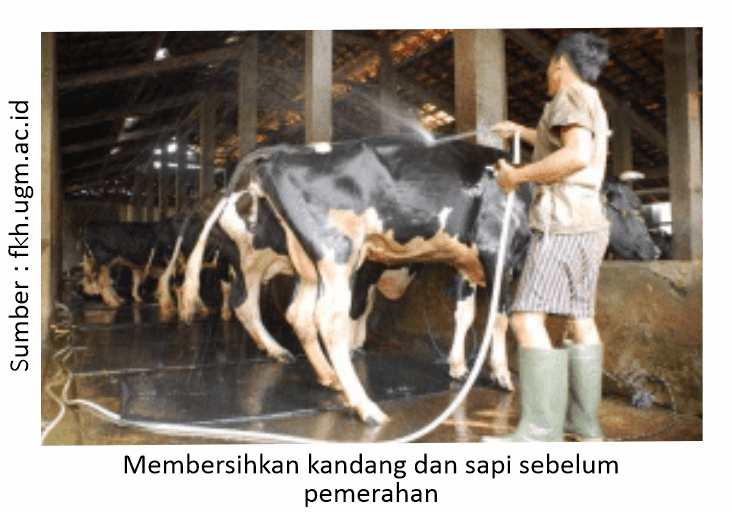
- Clean the cage area before milking, especially on the floor for the milking area. In addition to the barn, the cow must also be cleaned. If the cow is dirty it will contaminate or degrade the quality and hygiene of the milk.
- Dirty udders and nipples can potentially increase the occurrence of mastitis.
- Wash hands with soap before flushing. This is also done every time will change the milked cow. With clean hands will reduce the spread of mastitis.
- Cleaning the cow's udder. Use a disposable rag or clean cloth for each cow. Clean or wash the cow's nipples with warm water and then wipe them first. A clean and dry udder will have fewer germs contaminating the milk.
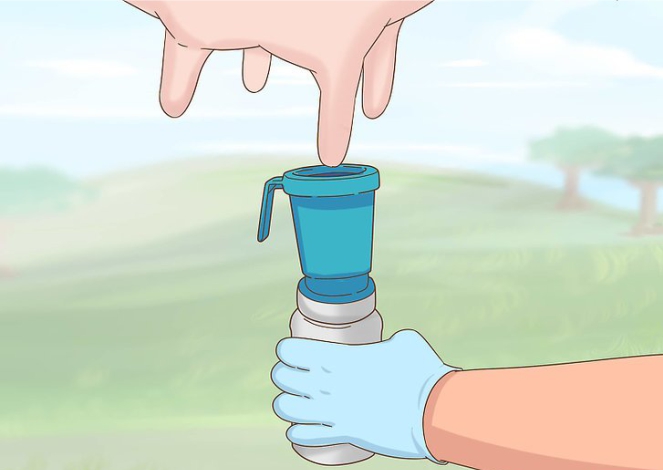
- A milk quality check for each nipple is necessary. The first examination of milk coming out of the udder (pre-milking) is done by taking several milks into a glass and then checking the quality of milk, for example, color or the presence of lumps. This needs to be done on each cow before milking to ensure the quality of milk and as a warning or early warning if there is a suspicion of mastitis. The first milk discharge is also at the same time to open the milk outing channel and clean the bacteria that are around the nipple hole. The routine of the milking process by the farmer is a good opportunity to pay more attention to the signs or conditions that the cow shows. In problematic milk, lumps consisting of milk protein will be seen. In severe conditions the clot also contains blood proteins that break off from the vessel wall. If the diagnosis of mastitis is late, the action or treatment taken will also be late and even aggravate the condition. The sooner the cow is treated, the greater the chance of recovery.
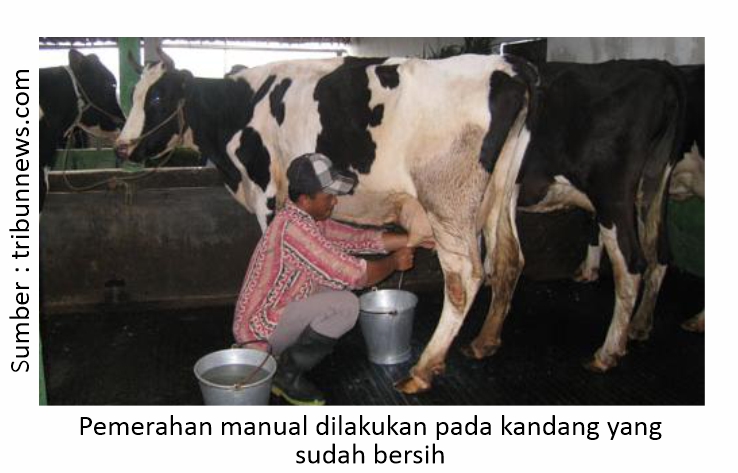
- In milking done by hand, hold the nipple well and gently when milking. Use a lubricant before starting milking to avoid injuries to the cow's nipples.
Milking is done using the machine, installation milking unit can be done 1 minute after pre-milking milk collection. Before removing the milking machine, check the udder first by feeling to make sure the udder is empty or still filled with milk.
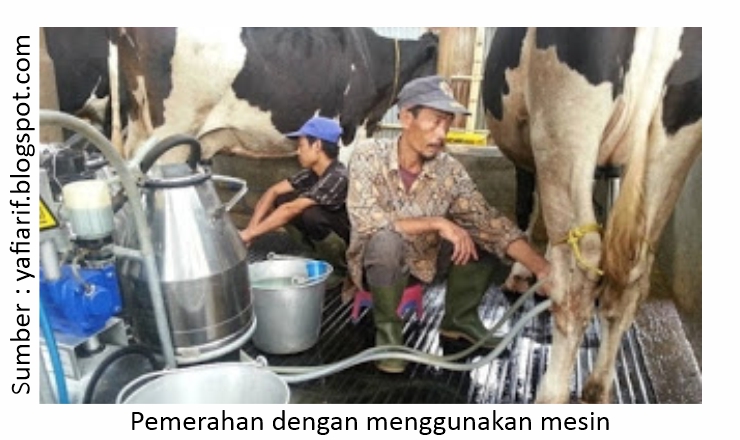
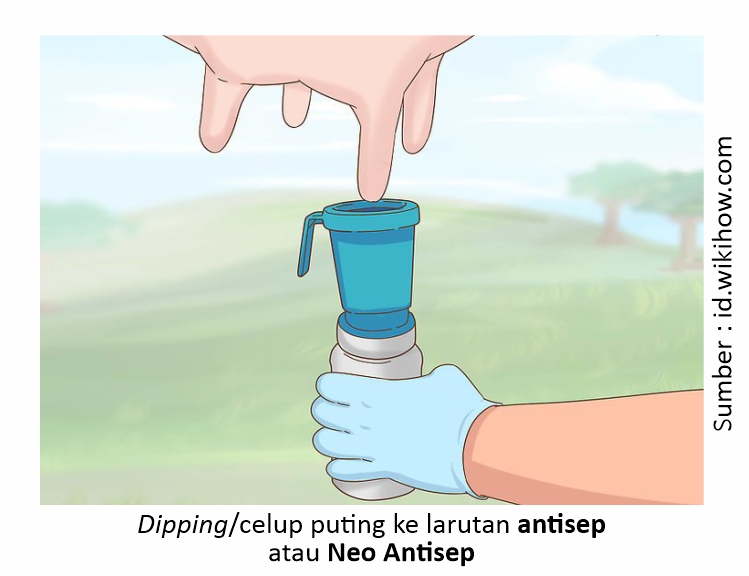
After milking, the nipple should be wiped with a cloth soaked in disinfectant and wiped with a dry cloth. Then dipping/ dip the nipple into an antiseptic solution for approximately 1 minute, for example with Antisep or Neo Antisep.
This aims to disinfect the nipple canal while it is still open to reduce the risk of mastitis. Then the cattle can also be fed so that the cattle remain standing so that the nipples do not directly contact or touch the floor.
With the practice or implementation of the correct milking management will reduce the risk of mastitis that can harm farmers.
To prevent mastitis can also be given supplements Mastigrin. Mastigrin is a herbal product that has properties to help reduce the incidence of mastitis and increase milk production.
With herbal products, it does not cause any drug residue, so it is safe to use during the lactation period and milk can be consumed. Good quality milk will provide more value when sold.