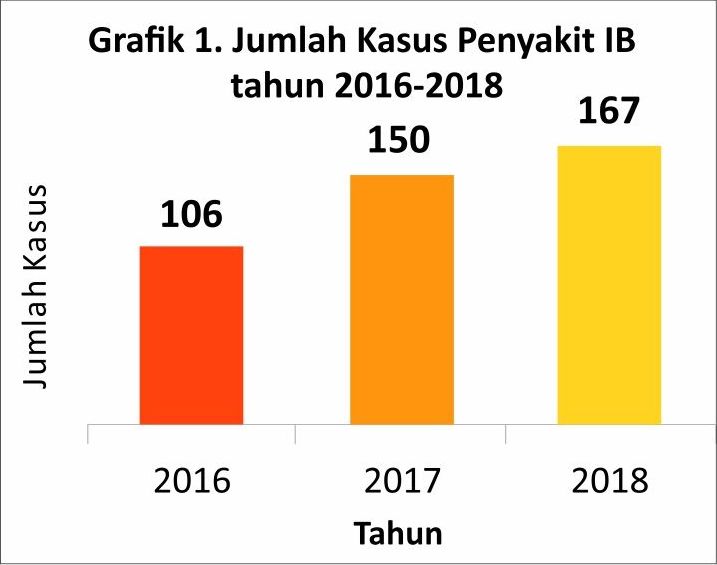
Disease of Infectious Bronchitis (IB) is still a major scourge in the poultry sector, especially in the cultivation of laying hens in the last 3 years. IB disease from year to year has increased the number of occurrences in farm poultry, especially laying hens.
Current events of IB cases in the field
Based on field data in 2016-2018, IB disease still occupies the top 10 ranking of diseases in laying hens. During these 3 years, the incidence of IB disease tends to increase from year to year.
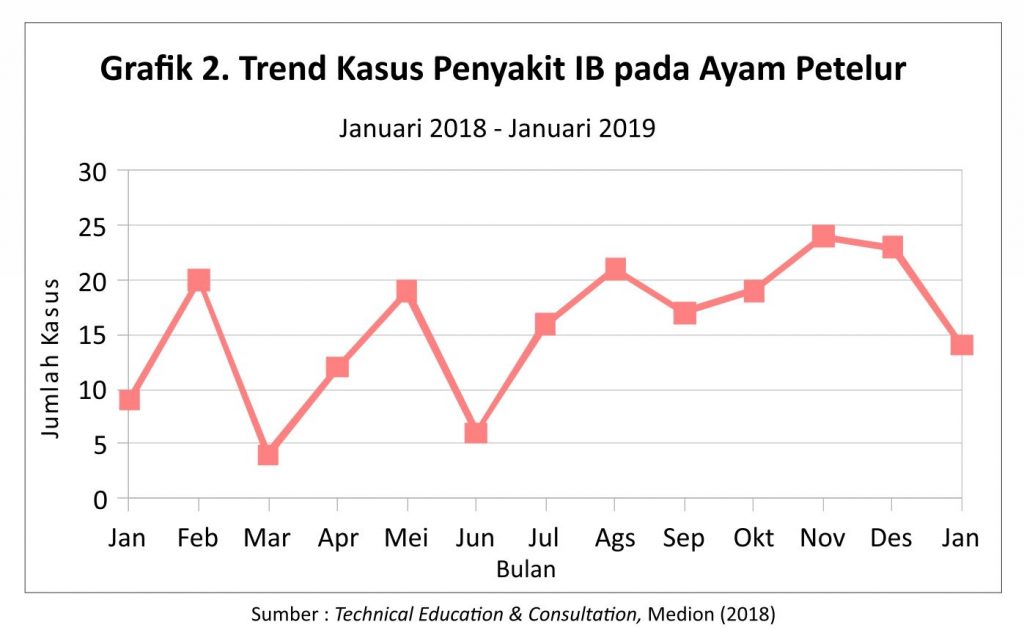
It is also known that the pattern of attacks of IB cases in 2018 increased at the end of the year (graph 2). This is thought to be due to uncertain weather conditions in Indonesia, causing the condition of the chicken's body to be easily stressed, triggering the emergence of IB cases. In addition, it is suspected that due to the humid conditions of the cage environment, the IB virus is quite stable and easy to develop.
IB disease is one of the diseases that is quite important because it causes the following losses:
- Decrease in the quality and quantity of eggs (decrease in production can reach 70%)
- Can attack at different ages of chickens
- The mortality rate of chickens can reach 25-30% while the morbidity (morbidity) is relatively high at 100%
- Barriers to growth
- Be a predisposing factor to other respiratory diseases
The IB Virus has the ability to mutate or exchange genetic material easily. As a result, many strain variants have been identified and are difficult to control by vaccination. Some IB variants that have entered Indonesia such as QX strain whether they are from China or 4/91 strain of British origin. IB virus mapping results conducted by Research & Development Biology Molekuler Medion (2017), showed that the virus IB variants in Indonesia one group with QX strain, namely group A2 or so-called QX like.
Disease Diagnosis
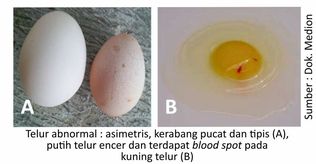
In the case of IB caused by QX strain in addition, the presence of a large number of pathological changes in the blood vessels of the oviduct (cystic oviduct). This can be clinically known if the incident has been going on for a long time (chronic) with symptoms of chicken stomachs appear enlarged and walk with a penguin-like look up. At the initial event, there may be accumulation of clear fluid in the oviduct, but it is not yet clinically visible. Only in this case the chicken is no longer laying eggs. Other changes can be seen from the presence of lesions in the kidneys (renal damage). Chickens that are infected with IB and are still laying eggs, the eggs produced are often pale, thin and asymmetrical in shape. Cases of IB caused by 4/91 strains, rarely found lesions or specific pathological changes in the organs of chickens. Virus strains it tends to take longer to multiply in the digestive tract.
Other symptoms commonly found in chickens with IB disease are: respiratory disorders, watery egg whites accompanied by blood spot on the yolk. Of the changes observed after carcass surgery, inflammation of the trachea and flaccid ovaries are generally found.
To ensure strains IB virus that attacks can be carried out laboratory tests with the method Polymerase Chain Reaction Test (PCR) and sequencing. PCR testing can be done at MediLab by sending samples of frozen organs. In acute cases (3-5 days), samples are best taken from the trachea, since in acute cases the titer of the IB virus is high in the organs of the trachea and bronchi will drop to undetectable levels at 2 weeks post-infection. In chronic cases, samples are taken from the trachea, larynx, caeca tonsil and kidneys.
Severe
There is no treatment that can cure the disease Infectious Bronchitis. If it has attacked then what can be done is to make the chicken's body condition improve quickly and increase its appetite by providing complete nutrition, multivitamins, give antibiotics to prevent secondary infections and tighten biosecurity. Almost all types disinfectants effectively eradicate this IB virus.
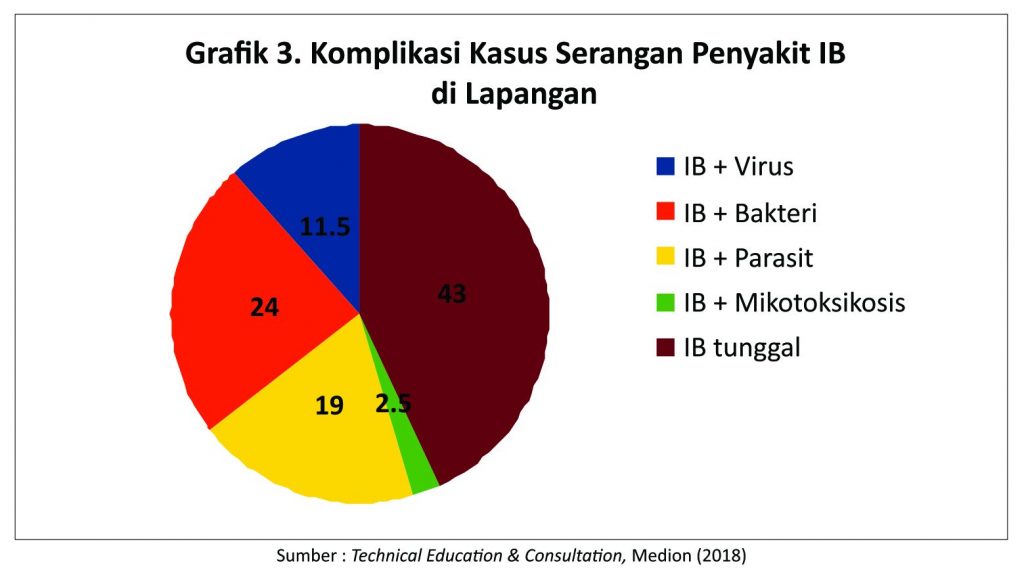
IB disease is often followed by a secondary infection or other disease attacks. The Diagram below shows secondary infections that often occur in IB disease attacks (graph 3). To deal with the occurrence of complications such as this, steps such as the following can be taken:
- Perform selection on chickens that have been severe or non-production for 5-7 days or judging from the continuity of their eggs.
- In chickens that still look healthy, emergency revaccination can be done and provide supportive therapy using multivitamins such as Egg Stimulant, Fortevit, Mix Plus or Top Mix to increase stamina and endurance of the chicken and stimulate egg production.
- Kroscek with serological tests, especially against other egg production decline diseases such as EDS and AI.

- Do not forget to check with non-infectious factors such as the presence of mycotoxins, Feed Quality, other immunosuppressant factors such as stress, and management itself.
- Spray the cage regularly every 2 days to minimize disease seeds in the cage. Limit vehicle traffic and people entering and leaving the cage. If there are indications of a bacterial secondary infection, it is necessary to administer broad-spectrum antibiotics such as Neo Meditril atau Doxytin.
Prevention of IB diseases
Vaccination can prevent the harm caused by this disease. The vaccination Program to prevent IB disease is a combination of the classic IB vaccine and the variant IB. This is because IB cases in the field caused by strains classic and strains varian. We all know that the level of cross-protection between Ib viruses is relatively low.
Vaccination is not the only way to protect chickens from IB virus attacks, best efforts are important to support the success of vaccination, including:
- Carry out maintenance management correctly and appropriately. Mainly on the smooth ventilation and regulation of cage density.
- Avoid chickens from immunosuppressant conditions (infectious and non-infectious) and stress as a preventive measure to enter the virus easily.
- Provide complete nutrition and multivitamins as a supplement in maintaining endurance.
- Disinfection and biosecurity done precisely and strictly considering that the IB virus is easily killed by various types of disinfectants.
May be useful. Greetings.