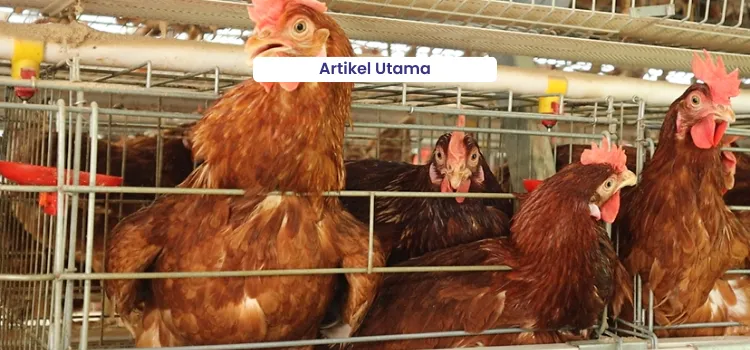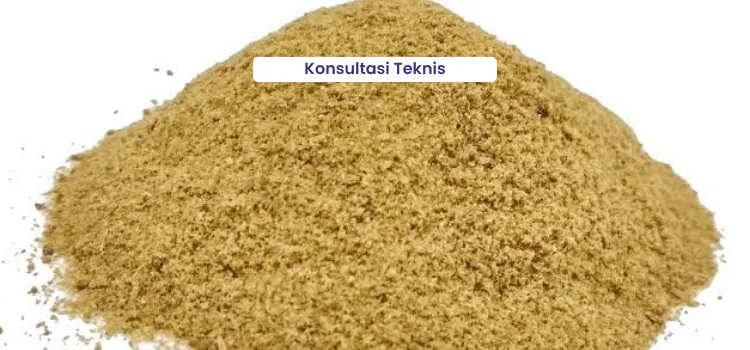
Talking about the nutrition of poultry feed will certainly be endless, as the biggest cost in maintaining poultry farmers will certainly try to optimize the role of nutrition in supporting the achievement of livestock production. But on the other hand, it is rarely realized by farmers, not all nutrients are able to be absorbed by the digestive system of livestock. Scientists call the digestibility range of the ration about 75-85% only, the rest is wasted into feces. The percentage that is wasted looks small but if it can be utilized, of course, the efficiency and role of feed will be improved.
Enzymes, Feed Additive Alternatives
In order to optimize production, one of the efforts made by farmers is the provision of Antibiotic Growth Promotor (AGP), but in recent years there has been a lot of news circulating that the government has set a ban on the use of this AGP. In addition, the increase in the price of feed raw materials that are very influential on the price of poultry rations or the use of other alternative raw materials that may have different nutritional value it is necessary to optimize the role of nutrition itself. Business that can be done is giving feed additive alternative to replace AGP and improve the role of feed nutrition. One that has actually been used for a long time is the addition of enzymes to animal feed.
Enzymes are protein compounds that function as catalysts for chemical reactions that occur in biological systems (living things). A catalyst is a substance that accelerates a chemical reaction, but does not change the equilibrium of the reaction or does not affect the final result of the reaction. This is what is predicted that enzymes can be one of the alternative materials that can be used to improve the quality of animal feed that is safe for livestock, humans who consume livestock products, and for the environment. Although in the body of living beings enzymes can be produced on their own (endogenous enzymes, red) as needed, the addition of enzymes in the ration is sometimes still required.
Some things that become the basis for the need for the use of enzymes (Bedford and Partridge, 2011) are:
- Break down the antinutrient factors contained in the feed mixture. Most of these compounds are not easily digested by endogenous enzymes that can interfere with the digestion of livestock.
- Increasing the availability of starch, protein and mineral salts found in fiber-rich cell walls, because it is not easily digested by its own digestive enzymes or bound in chemical bonds that cattle are unable to digest.
- Breaking down special chemical bonds in feed raw materials that normally cannot be broken down by enzymes produced by the cattle themselves.
- As an additional supplement of enzymes produced by young cattle, where the digestive system is not yet perfect so that endogenous enzymes may not be sufficient.
Types Of Enzymes
More than 3,000 enzymes have been identified. The naming of the enzyme itself is usually taken from the substrate (compound to be broken down) with the addition of the suffix “– ase”. Some enzymes commonly used in poultry feed include :
- Fiber Splitting Enzymes. The digestive system of monogastric animals (single digestive system) such as chickens is not able to produce enzymes to digest fiber, so the utilization of feed raw materials containing fiber will not be optimal. On rations made from wheat, barley, rye or Bran, the largest proportion of these fibers are arabinoxylan and ß-glucan soluble and insoluble. The soluble fiber content in the ration will gel and increase the viscosity of the digestive tract, thus interfering with the digestion of nutrients that can decrease the growth of the animal (Bedford and Partridge, 2011)
- Starch Splitting Enzymes. One of the main raw materials used in chicken rations is corn, where the raw material contains starch (energy source) which is very good. But in one of the studies mentioned that the starch in corn is only digested no more than 85%. The solution to deal with this is by adding the enzyme amylase to chicken feed. The result is increased nutrient absorption so as to improve growth.Pthe addition of the enzyme amylase along with other enzymes in the critical period of chicks, with symptoms of experiencing stress due to changes in nutrition, environment and immune status, can help increase the production of endogenous enzymes. As a result, the digestive process becomes more optimal, thus maximizing the absorption of nutrients.
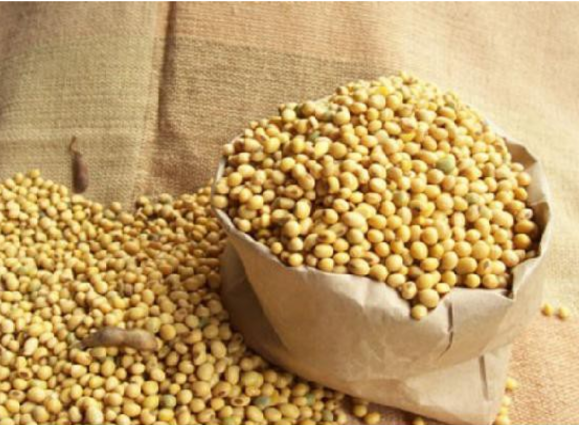
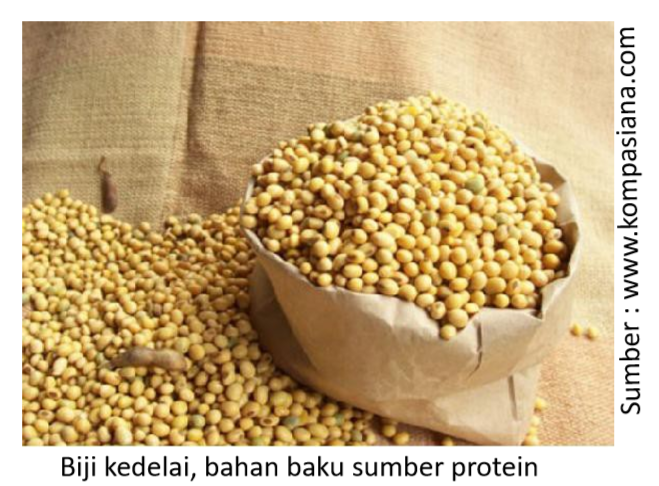
- Protein-Splitting Enzymes. The main raw material for animal feed is none other than to support the adequacy of the protein needed by livestock. But in fact, protein raw materials such as soybean seeds contain antinutrients such as trypsin inhibitors, lectins, saponins, non starch polysaccharides and phytic acid. The content of these antinutrients can interfere with the digestive process and have an impact on the absorption of nutrients contained in soybeans. The digestive system in the chicks are not yet perfect to be the next problem, because it causes the chicks are not able to use large protein stores in soy (glycin and ß-conglycinin).
 The addition of protease enzymes can help reduce the negative influence of antinutritional substances (trypsin inhibitors and lectins), resulting in better protein digestibility. Not only that, proteases can also break down large protein stores into smaller molecules so that they are easily absorbed.
 - Phytic acid splitting enzyme. Feed raw materials such as wheat, barley, corn and others, bind elemental phosphorus in the form of phytic acid. Whereas phosphorus itself is an essential element for all animals, because it is needed for the process of bone development, helps egg production, maintains immunity, and helps the growth process. Poultry itself, is only able to digest phosphorus in the form of phytic acid about 30-40%. As a result, undigested phosphorus will come out with feces (feces) and cause environmental pollution. Phytase as an enzyme added to animal feed, is able to release more phosphorus bound in phytic acid, protein and starch. This situation has a positive impact, namely increased digestibility and more optimal utilization.In addition to playing a major role in the process of phosphorus absorption, phytase enzymes can also eliminate the antinutritional influence of phytic acid. The addition of this enzyme can also reduce the addition of inorganic phosphorus sources such as di calcium phosphate (DCP) and mono calcium phosphate (MCP) so that farmers can streamline feed costs.
 The addition of protease enzymes can help reduce the negative influence of antinutritional substances (trypsin inhibitors and lectins), resulting in better protein digestibility. Not only that, proteases can also break down large protein stores into smaller molecules so that they are easily absorbed.
How Do Enzymes Work ?
One of the characteristics of enzymes is that they work specifically. That is, enzymes can only work adjusting the type of substrate. There are several theories that can explain mechanism of action of enzymes :
- Theory Lock and Key (padlock and Key)a padlock is described as an enzyme that has an active side capable of binding to a substrate (key). When the two are matched a complex bond (enzyme-substrate) is formed which then after reacting, the complex bond breaks free and releases the product (a simpler and more easily absorbed substance, red) as well as freeing the enzyme to work again.
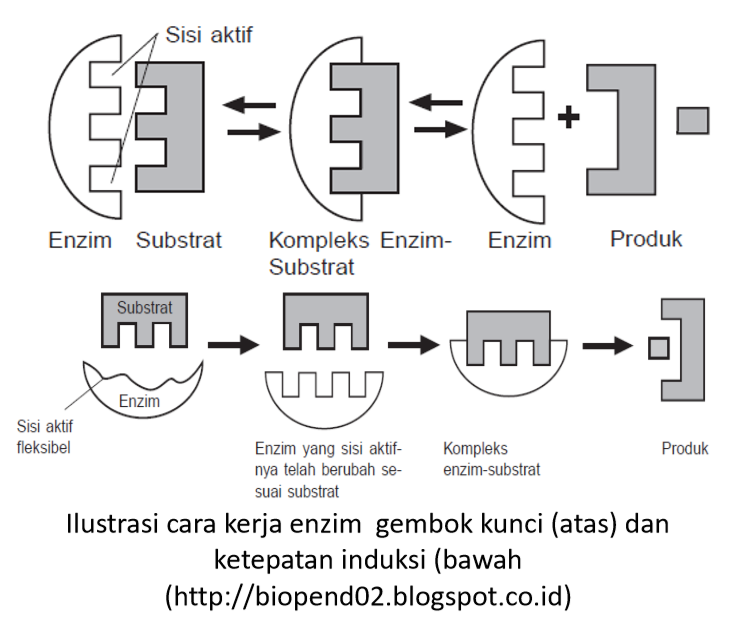
2. Induction Precision Theory
The active side of the enzyme is flexible so that it can change shape to adjust the shape of the substrate. When the substrate enters the active side of the enzyme, the modified active side forms adapts substrate forming complex bonds. After the product is detached from the complex, the inactive enzyme becomes a loose form. Other substrates react with the enzyme.
The workings of enzymes do not always run smoothly. Some factors that affect the work of the enzyme is the temperature of 35-40 OC is considered the best for optimal enzyme work, the pH range of 6 and 8 is the pH where the enzyme is stable and works well, the concentration of the substrate and the concentration of the enzyme must be appropriate for optimal work, the activator or substance that helps facilitate the work of the enzyme in binding the substrate, and the presence of inhibitors or compounds that can inhibit the work of the enzyme. These factors must necessarily be of concern to breeders in the selection and use of enzymes.
Various advantages of the use of enzymes in animal feed, be a reasonableness if the enzyme is assessed as feed additive alternatives to help optimize the important role of feed nutrients in increasing chicken productivity. More and more preparations feed additive single enzyme or combination with other additives on the market, will certainly make it easier for farmers to get it. Greetings.