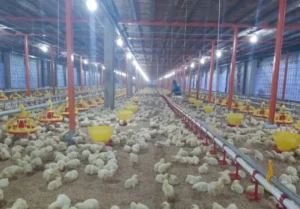
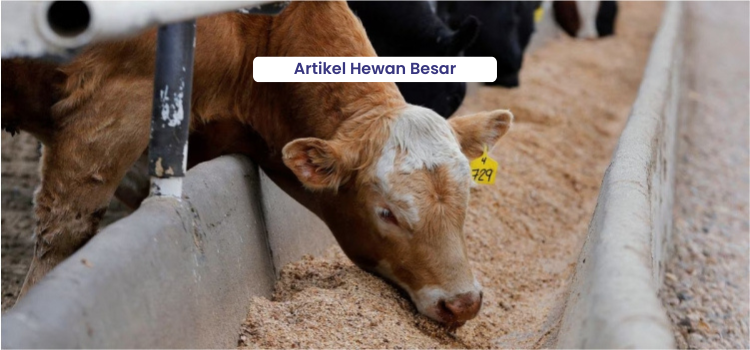
Ahead of Eid al-Adha, livestock farmers across various regions are busy preparing their animal stalls. The main focus is on ensuring the quality and health of sacrificial animals to be sold to consumers. Several key preparations include providing clean and safe housing, ensuring the availability of animals that meet religious requirements, fulfilling nutritional needs, and maintaining the overall health of the livestock.
1. Coop Preparation
Ensure the pen is strong, safe, and comfortable for the livestock, with good ventilation to maintain proper air circulation. Provide enough space so the cattle do not feel stressed. Maintain cleanliness to prevent disease transmission and remove waste regularly. Disinfect empty pens using Sporades, and once the pen is occupied, perform disinfection using Medisep or Neo Antisep.
2. Procurement of Sacrificial Animals
Ensure that the sacrificial animals meet the requirements of Islamic law. Cattle, goats, or sheep must reach the minimum prescribed age, be healthy, and free from physical defects. Additionally, have the animals undergo a health examination by an authorized livestock health officer.
3. Nutritional Fulfillment
Ensure that cattle receive adequate and high-quality feed, such as forages and concentrates (supplementary feed). For intensively raised livestock, it is not recommended to provide freshly cut grass. Instead, wilt the grass first before feeding it to the animals. This practice helps prevent worm infestations and also reduces the risk of bloating. Provide clean and fresh water in sufficient quantities at all times (always available).Give feed supplements containing vitamins, minerals, and amino acids such as Mix Plus Cattle Pro to maintain cattle health and support optimal growth.
4. Livestock Health Maintenance
Conduct regular health examinations for cattle, including checking body temperature, observing signs of disease, and assessing overall physical condition. Ensure that cattle are vaccinated against common livestock diseases such as foot and mouth disease.In addition to vaccination, another preventive health program is deworming, which helps break the parasite’s life cycle and effectively reduces worm infestations—one of the most frequent issues in cattle. Administering deworming medication is an effective approach to control and eliminate internal parasites.Some common symptoms observed in livestock infected with worms include:
- Worm infections can cause significant weight loss in livestock. Infected animals are unable to absorb nutrients efficiently. In young livestock, worm infestations can disrupt growth and development, as the parasites interfere with nutrient absorption.
- Worm infections can cause cattle to lose their appetite due to inflammation and damage in the digestive tract. Infected cattle may also show dull and rough hair coats.
- Several types of worms can suck blood from the cattle’s digestive tract, leading to anemia or a reduced red blood cell count. Some worms also attack the liver, disrupting red blood cell formation and further contributing to anemia.
- Severe worm infections can cause cattle to become weak, depressed, and less active.
- Certain types of worms, such as Fasciola gigantica (liver flukes), can cause edema or swelling in several parts of the cattle’s body, particularly under the jaw and around the neck area.
Prevention of Worm Infestations
Preparing livestock to be free from worm infestations is essential to ensure healthy and high-quality animals. Worm infections can negatively affect livestock health, and some types can even be transmitted to humans if not properly managed. Several preventive measures can be taken to control worm infestations in livestock, including:
1. Regular Deworming
This is a primary step in the treatment and control of worm infestations in cattle, goats, and sheep. Deworming is carried out both to treat existing infections and to prevent new infestations in animals that still appear healthy. Deworming should be repeated regularly every 3–4 months to completely eliminate worms and break their life cycle.An easy-to-apply deworming product is Wormectin Plus-B, available in bolus form and administered orally. Another option is Wormectin Liquid, which is applied topically along the backline from the neck to the tail. Wormectin Liquid helps treat and prevent nematode worms (digestive roundworms and lungworms) as well as ectoparasitic infections (lice, mites, ticks, and other insects).Meanwhile, Wormectin Plus-B is effective for treating and preventing roundworms, tapeworms, and adult liver flukes in livestock. Deworming should be part of a scheduled health management program, ideally conducted upon animal arrival at the farm and during the first three months of the fattening period to ensure worm infestations are well controlled.
Grafik 1. Persentase penurunan jumlah total telur cacing pada feses
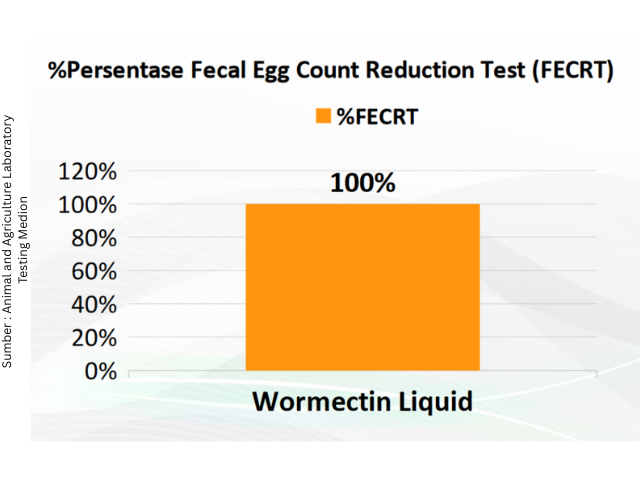
as demonstrated by a 100% reduction in the total number of worm eggs found in feces.
2. Regular Barn and Environmental Sanitation
Maintaining barn and environmental cleanliness can significantly reduce worm infestation cases. Without proper sanitation, worm problems will continue to recur. Regularly remove accumulated animal waste, clean drainage channels in the barn area, and prevent the formation of puddles to keep the environment dry and avoid damp conditions that favor parasite development.
3. Forage Management
It is best to wilt the grass before feeding it to livestock. Besides helping prevent worm infestations, this practice also reduces the risk of bloating in cattle.
4. Elimination of Intermediate Host Populations
An intermediate host is an organism that harbors a parasite only for a short or transitional period before it reaches its definitive host. Liver flukes require an intermediate host—freshwater snails—for their life cycle to continue. Therefore, freshwater snails play a key role in the occurrence of liver fluke infections in cattle. One effective way to control the snail population is by raising ducks, which act as natural predators of these intermediate hosts.
5. Fecal Examination
Worm transmission occurs easily and is influenced by several triggering factors. Therefore, routine monitoring every 2–3 months should be conducted to detect worm eggs and larvae through fecal testing.
6. Providing Healthy Feed
Nutritious and healthy livestock feed helps strengthen the animal’s immune system against worm infections. Ensure that the livestock receive feed that meets their nutritional needs and add Mix Plus Cattle Pro, which contains essential multivitamins, minerals, and amino acids to support livestock health and growth. Supplementing with Mix Plus Cattle Pro can improve metabolism and feed digestion, increase body weight gain, and enhance feed efficiency.