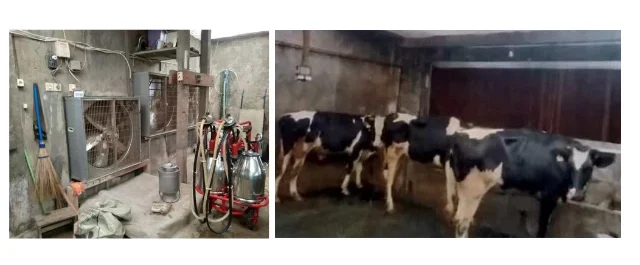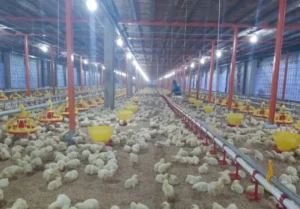
Optimal dairy farming practices can lead to maximum profit and productivity. One effective way to achieve this is through proper management and by creating a comfortable environment for dairy cows. Indonesia’s tropical climate, characterized by high temperatures and humidity, significantly impacts the health and productivity of dairy cows. One of the main challenges faced by farmers is heat stress.
Heat stress occurs when cows are unable to regulate their body temperature due to excessively high environmental temperatures and humidity. This condition can result from weather factors and uncomfortable housing environments for livestock, such as high temperatures, high humidity, and low wind speed. Heat stress typically begins when the effective temperature (a combination of temperature and humidity) exceeds the cow’s thermal comfort threshold.Most dairy cows in Indonesia are Friesian Holstein (FH), imported from European countries with moderate climates and low temperatures ranging from 5°C to 25°C. Indonesia, on the other hand, has a tropical climate with high ambient temperatures that can reach up to 34°C during the day, while local relative humidity varies between 70% and 90%.Environmental climate plays an important role in influencing the metabolism and productivity of cattle. Cows require a comfortable environmental condition known as the thermoneutral zone, which is the range of ambient temperatures that allows them to maintain their core body temperature so that normal metabolic processes can occur. When the environmental climate shifts beyond this thermoneutral zone—whether too cold or too hot—it negatively affects the animals. For example, prolonged exposure to high ambient temperatures can cause livestock to experience heat stress.
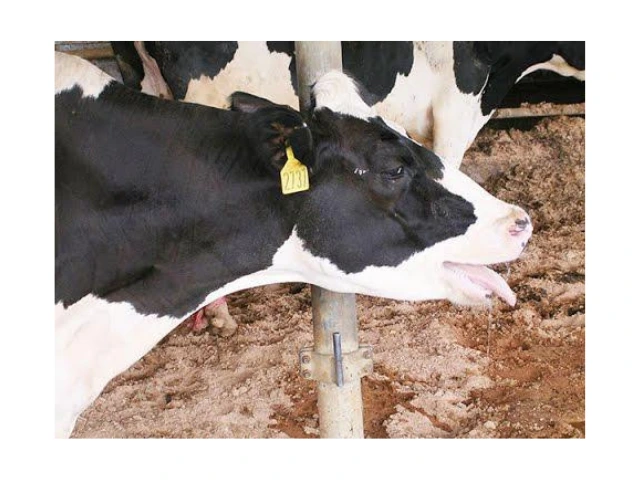
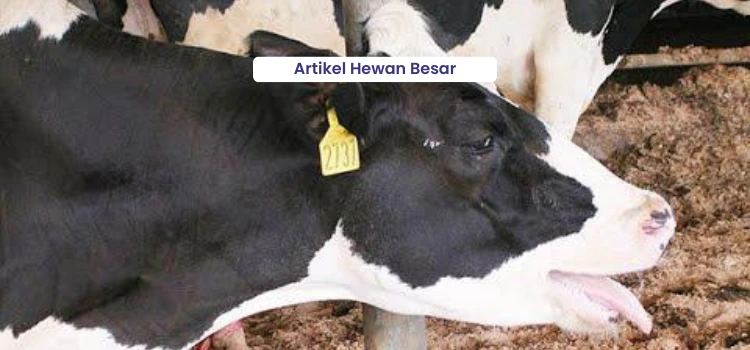
What Are the Signs of Heat Stress in Dairy Cows?
Cattle experiencing heat stress will exhibit both abnormal behavioral responses and physiological changes in their bodies. The following are some signs that indicate a dairy cow is suffering from heat stress:
- Behavioral and Physiological Changes
Cows experiencing severe heat stress typically breathe with their mouths open and pant heavily. They may sweat excessively and produce excess saliva (hypersalivation). Their appetite and rumination activity decrease, while water intake increases. The cows often appear lethargic and restless, and they tend to stand more frequently to avoid the heat that accumulates when lying down on the floor.
- Respiration Rate and Body Temperature
A cow’s body temperature typically rises to around 38.5–39.5°C or even higher during heat stress. The normal respiration rate of an adult cow ranges from 26–50 breaths per minute. If more than 10% of the herd shows a respiration rate exceeding 60 breaths per minute, immediate corrective action should be taken.
- Decrease in production
Milk production has decreased significantly, and the quality, with lower fat and protein content, has also declined. Reproductive disorders such as irregular estrous cycles or even reduced fertility were also found.
The Impact of Heat Stress on Dairy Cows
The impact of heat stress on dairy cows can compromise their health and production performance, and if not addressed, can even lead to death. The following are some effects resulting from heat stress:
- Decrease in feed intake
Cows tend to eat less during hot weather, which reduces their energy intake.
- Decrease in milk production and quality
Because of the reduced nutrient intake and the fact that more energy is used to regulate body temperature, milk production can drop significantly (even up to 25–30%). The fat and protein content in the milk may decrease. Heat-stressed cows will consume less fiber, which reduces the production of fatty acids in the rumen, consequently lowering the fat content in the milk. Cows use more energy to cool their bodies, which sacrifices the protein production needed for the milk being produced.
- Susceptible to illness, leading to death
Immunity decreases in both calves and adult cows. Stress hormones like cortisol will increase, which can suppress the animal's immune system. High humidity in the barn environment can also support the growth of pathogens (bacteria, fungi, viruses) that can trigger respiratory and digestive diseases, and even viral diseases that are difficult to manage. Diseases often occurring in dairy cows triggered by heat stress factors include Mastitis, laminitis (hoof inflammation), Metritis, Retained Placenta, Ketosis, Acidosis, and even Heat Stroke (in extreme cases).
- Reproductive disorders
Reproductive performance declines due to disruptions in hormonal mechanisms during heat stress. This leads to irregular or difficult-to-detect estrous cycles, hindered egg cell maturation, low conception rates, embryo mortality, impaired fetal development, and an increased risk of abortion.
Steps to Reduce Heat Stress in Dairy Cows
The steps that can be implemented to reduce the impact of heat stress include:
- Use roofing materials that do not absorb heat, and avoid using zinc (corrugated iron) and asbestos materials.
- Cooling can be done with the help of foggers, mist drops, or sprinklers that spray water into the environment or directly onto the cow's body. Foggers work by dispersing very fine water droplets that evaporate quickly and can immediately cool the surrounding air. Mist drops have the same working principle as foggers but have larger water particles. Sprinklers, on the other hand, have larger water droplets and directly wet the animal's skin and hair. The use of sprinklers combined with fans provides effective results in lowering the animal's body temperature and increasing their appetite.
- Creating a cool microclimate inside the barn can be achieved by using cooling pads and fans. Cooling pads will help provide cool and comfortable air for the cows by cooling the barn area. Meanwhile, fans can help distribute the air more evenly inside the barn and expel hot air from within.
- The quality of the feed, both in terms of its physical form and nutritional content, can greatly influence feed intake. Physically, cows prefer fresh and newly prepared feed. Always ensure the physical quality of the feed—especially the concentrate—remains good and fresh. If necessary, stir or turn over the concentrate frequently to keep cows interested in eating. Add Mix Plus Cattle Pro to the concentrate or feed to help improve feed intake and provide the necessary micronutrients for dairy cows.
- Provide feed at the right time to keep the animals comfortable. Offer feed during cooler periods, such as in the morning or at night. Ensure the livestock’s water needs are met throughout the day by providing fresh and continuously available water. Transolit can be added to the drinking water during periods of heat stress.
- Supplement administration
Add electrolytes, vitamins (especially vitamins E and C), and antioxidants to help strengthen the cow’s immune system. Transolit, a supplement containing vitamins, minerals, and amino acids, can help meet the animal’s nutritional needs during stressful conditions. Transolit can be administered to prevent or manage stress in livestock while maintaining their productivity. In addition to heat stress conditions, Transolit can also be given when animals are at high risk of stress, such as after vaccination or during transportation.
Implementation of the Closed House System for Dairy Cows
An ideal barn serves as a supportive environment that allows cows to produce milk under their best conditions. Investment in good barn design and management will be directly proportional to the productivity and profitability of a dairy farm. The dairy cattle closed house is an innovation in the livestock world that offers great potential for improving animal welfare and milk productivity. A closed house barn for dairy cows is an enclosed housing system designed to create a controlled environment for the dairy cows, with the goal of improving animal welfare, reducing stress, and ultimately increasing milk production. This system is typically equipped with air cooling (cooling pads), temperature and humidity regulators, and a controlled ventilation system. By using a closed house, the risk of disease spread can also be minimized because air and ammonia access are more controlled. Furthermore, feed and hygiene management becomes easier and more efficient, thus supporting the increase in high-quality milk production. In this modern era, the implementation of a closed house is becoming increasingly popular because it helps farmers increase business efficiency and maintain cow welfare sustainably.