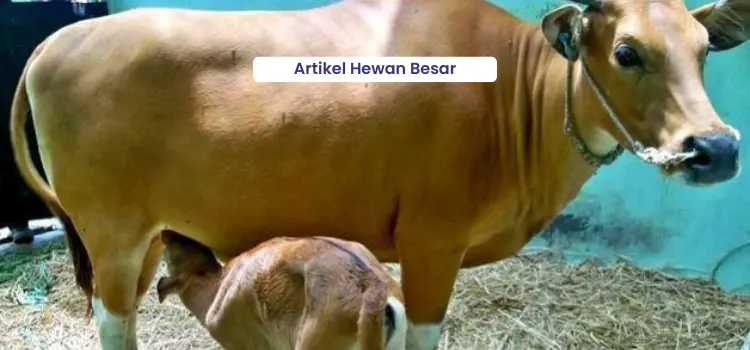
The increase in beef cattle population has become an important focus to meet the community’s growing demand for animal protein. This is driven by the rising demand for beef, which requires high-quality feeder cattle ready to be raised for meat production. However, awareness of the need for animal protein is not yet matched by the availability of local beef production, which still falls short of national demand. Therefore, the role of breeding programs in developing local beef cattle is crucial, along with the implementation of good management practices.
The prospects for cattle breeding are currently quite promising. This is because the procurement cost of female breeders is lower than that of male cattle used for fattening. In addition, the daily feed cost for breeding cows is cheaper—sometimes even half the cost of feeding male cattle. Likewise, the calves produced by these breeding cows require relatively low feed costs during their first six months of rearing after birth.
The number of breeding cattle produced by local farms is still relatively low compared to existing demand, as the breeding process takes about two years to generate marketable cattle or profit—unlike fattening, which only requires around four months. Therefore, in beef cattle breeding operations, cows must be raised and managed optimally to achieve maximum results.
The Importance of Maintaining the Health of Breeding Cows
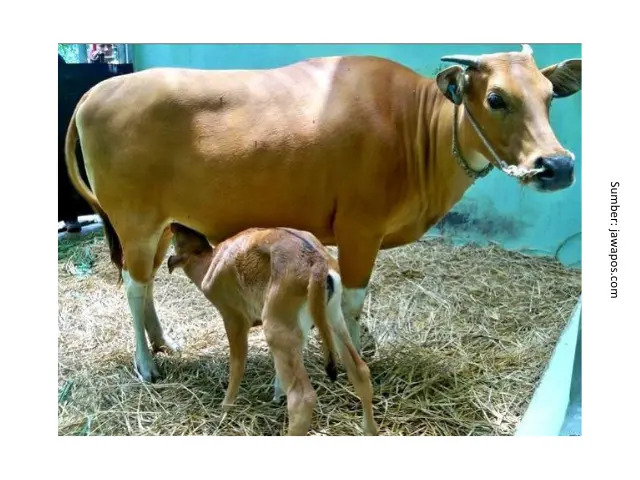
According to Yulyanto et al. (2014), female cows giving birth for the first time have a higher risk of calving failure compared to cows that have previously given birth. A healthy and complication-free birth greatly influences the subsequent development of the calf.
The average rate of birth failure and postnatal calf mortality is often caused by abortion, twin abnormalities involving male and female calves, dystocia (difficulty during calving), or stillbirth (usually due to delayed colostrum intake, joint abscesses, prematurity, or other neurological disorders). Abortion is a reproductive disorder in cows in which the fetus must be expelled before the end of gestation. This condition can be caused by nutritional deficiencies and inadequate feed intake.
Another common reproductive issue is birth abnormality or dystocia, which refers to difficulty in calving among female cows. This condition usually occurs in heifers giving birth for the first time. In general, the causes include an oversized fetus, abnormal fetal position, uterine fatigue resulting in lack of contractions, or the presence of twin fetuses. Special handling is required when calving difficulties or abnormalities occur to prevent harm to both the cow and the calf.
How to Keep Cattle Healthy?
Disease is a major factor that causes significant losses in cattle farming. Therefore, it is important to pay close attention to cattle health to ensure they remain healthy and productive. When cattle become sick, it leads to losses for farmers due to decreased body weight, reduced meat quality, and increased costs for treatment and care. Preventive and control measures are essential to keep the herd healthy and maintain productivity.
To keep cattle healthy, prevent disease, and maintain optimal reproductive performance, several important factors must be considered, including:
1. Maximize Feed Management
Feed is one of the most important factors in cattle farming. Nutritious, fresh, and chemical-free feed is ideal for cattle, especially feed that fulfills the essential nutritional needs such as energy, protein, and crude fiber. If the feed provided is inadequate, nutritional deficiencies may occur, making cattle more susceptible to diseases. High-quality feed, both forage and concentrate, helps strengthen the animal’s immune system by meeting its nutritional requirements. If necessary, add Mineral Feed Supplement S to prevent mineral deficiency and optimize cattle productivity. When grazing, avoid muddy areas and do not let the cattle graze too early in the morning, as this can cause bloating and expose them to worm larvae that are commonly found on the surface of wet grass.
2. Create a Comfortable Housing Environment
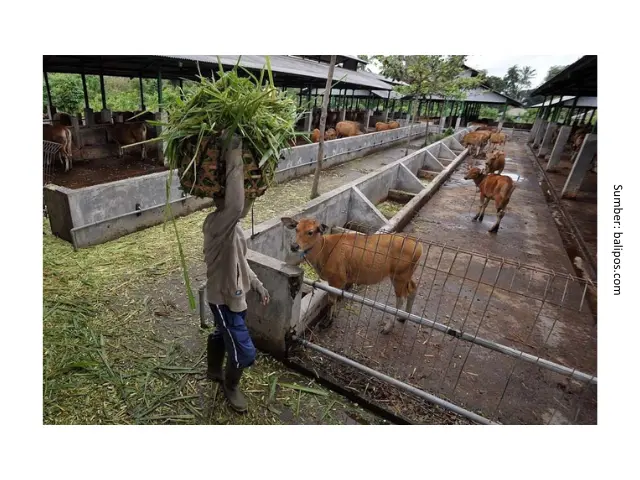
Cattle need proper air circulation, adequate space to move, and minimal stress factors such as heat stress. Providing shade in the housing area, ensuring sufficient drinking water, and spraying water or creating artificial rain can help reduce the heat inside the barn. In extensive or open grazing systems, heat stress can be minimized by planting shade trees that serve as shelter for the animals. Air circulation and temperature fluctuations are key factors affecting cattle health, as extreme temperature changes can cause stress and lower the animal’s immunity.
3. Minimize Disease-Causing Agents in the Environment
A dirty barn environment can become a breeding ground for disease-causing agents. These pathogens can spread through various vectors in the surroundings. Therefore, maintaining cleanliness is essential. Ensure proper barn sanitation and environmental hygiene by preventing manure buildup, regularly removing leftover feed, and avoiding standing water on the floor or ground. Additionally, remove weeds and wild plants around the barn, and carry out routine disinfection using Medisep, Antisep, or Neo Antisep.
4. Livestock Immunity
The immune system of livestock serves as the body’s defense mechanism against disease-causing agents. Animals with low immunity are more susceptible to infections. Providing supplements to cattle helps reduce stress, boost stamina and immunity, and maintain better productivity. Administer multivitamins to support cattle health and enhance performance, such as ADE-plex Injection and Vita B Plex Bolus, as part of a regular health maintenance program. Vitamins should be given at least every 3–4 months. ADE-plex Injection and Vita B Plex Bolus can also be administered to sick animals to support recovery. Additionally, multivitamins such as Bioselvita can be given as an energy supplement for cows after calving.
5. Provide Supplements to Optimize Reproduction
In addition to energy and protein, other nutrients that significantly affect reproduction are vitamins and minerals. Among them, vitamin E and selenium are well known for their crucial role in the reproductive system of ruminant livestock. Deficiency of vitamin E and selenium can lead to a higher incidence of retained placenta and mastitis, delayed uterine involution (the process of the uterus returning to its pre-pregnancy condition), delayed first estrus post-partum, and a lower conception rate. According to the literature, there is a close relationship between vitamin E and selenium. Vitamin E functions as a cellular antioxidant that protects cells from free radicals, while selenium acts as a cofactor of the enzyme glutathione peroxidase (GSH-Px), which regulates extra- and intracellular control of free radicals (Burk and Hill, 1993). Both work synergistically to neutralize free radicals that can damage the cells of various tissues and organs, including the reproductive organs. These nutrients can be supplemented through products such as Vitesel Inj.
6. Implement a Regular Deworming Program
One of the most common diseases affecting cattle is worm infestation. One of the key measures for controlling and managing worm infections in livestock is the implementation of a regular deworming program. Administering dewormers is a primary step in preventing and controlling worm infections in both calves and adult cattle. The anthelmintic (deworming) program should begin early, starting at 7 days of age, and be repeated every 3–4 months to completely eliminate worms and break their life cycle. Medion’s anthelmintic products that can be used to control roundworms, flukes, and tapeworms in cattle include Wormzol-B, Wormectin Plus, and Wormectin Liquid.
7. Daily Health Check
Cattle health monitoring should be carried out continuously to detect any signs of illness or abnormalities early. The goal is to ensure that any health disorders in the animals are promptly identified and treated. Regularly check the reproductive system condition of the cows and address any issues that arise. It is also important to monitor the Body Condition Score (BCS) regularly to ensure it remains ideal at every stage of the production cycle.
8. Optimize the Dry Period Before Calving
The dry period is the phase when a breeding cow stops being milked or nursing, starting about two months before calving or when pregnancy reaches seven months. During this time, the udder is given a chance to rest, allowing it to regenerate and prepare for optimal milk production in the next lactation period. Properly managing the dry period also has a positive impact on udder health and helps prevent mastitis.
9. Quarantine Newly Arrived Cattle and Isolate Sick Animals
The purpose of quarantine is to ensure that newly arrived cattle are free from disease and to prevent potential disease transmission. The quarantine area should be separated from the housing of healthy cattle. If a cow is confirmed to be infected with a particular disease, it should be treated immediately and isolated, as sick cattle can serve as a source of infection for others.