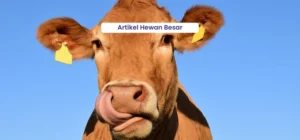
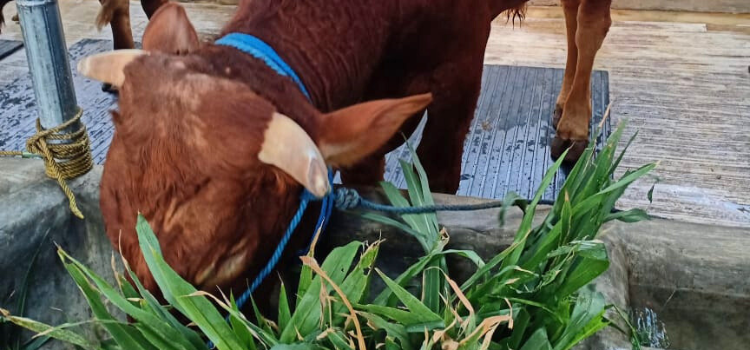
One of the diseases that continue to threaten the health of ruminants is a parasitic disease such as worms. This disease can occur due to various factors such as poor maintenance management or cage sanitation that is not maintained. The maintenance system implemented by farmers can affect the incidence rate of worms. Farmers who graze their livestock in open grass fields will be more at risk of worms than cattle that are kept in cages.
The impact of worms does not directly cause death, but will reduce the quality of life of livestock. The presence of disadvantages such as weight loss, stunted growth, decreased meat quality and milk production are other negative impacts of intestinal worms. It should also be noted that worms can be a human health problem because they can be transmitted to humans (Zoonoses). For example, humans can be infected with worms Taenia sp. which has an impact on health such as causing abdominal pain, nausea, vomiting and decreased body weight.
Types Of Worms
There are various types of worms that can threaten the health of ruminants. Here are some that are often found in the field:
1. Fasciola sp. (heartworm)
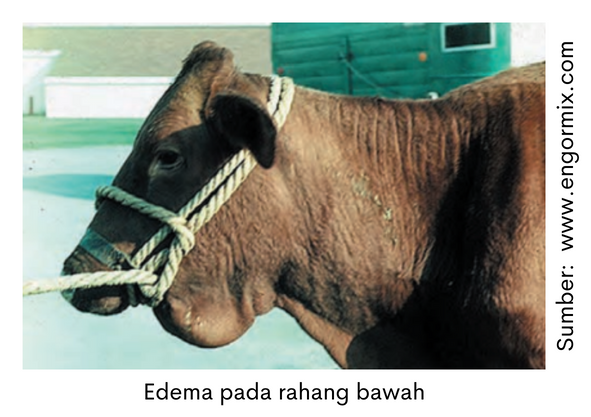
This type of worm attacks the liver and will settle in the bile ducts of cattle or sheep. In its life cycle, worms Fasciola sp. develops in a wet environment and requires an intermediate host in the form of a snail. Livestock can become infected with these worms when eating grass in which there are worm larvae Fasciola sp. Cattle infected with these worms will experience liver tissue damage accompanied by symptoms of anemia, decreased appetite, thin body, and fluid accumulation (edema) in the lower jaw.
2. Paramphistomuum sp.
This type of worm is the same as Fasciola sp. which requires an intermediate host in the form of a snail to continue its life cycle. The larvae of this worm are in the duodenum, which then when mature will live in the stomach of the rumen or reticulum of cattle, goats and sheep. Visible symptoms can include decreased appetite and weight, weakness and diarrhea.
3. Toxocara vitulorum
These worms attack the digestive system in the intestines of ruminants. Generally transmission Toxocara vitulorum occurs in young cattle through transmamari/milk from infected mothers. Clinical symptoms due to these worms are usually heavier in young cattle such as diarrhea, stunted growth, and inflammation in the intestinal tract.
4. Haemonchus sp.
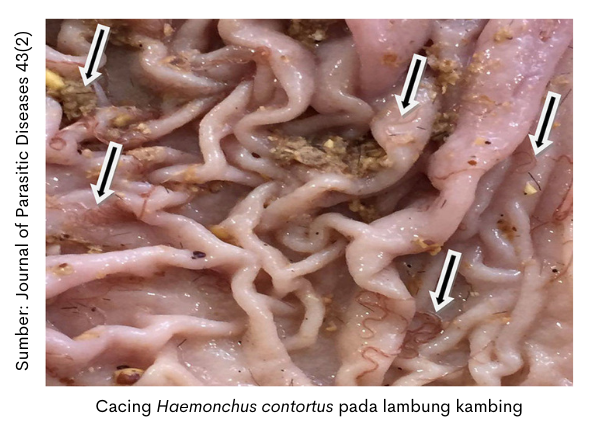
This type of worm is a blood-sucking worm that is often found in the stomach of the abomasum of ruminants. Adult worms will damage the mucous layer of the abomasum and begin to suck blood. In contrast to other cases of worms, diarrhea is not a typical symptom when infected with these worms. Symptoms that can occur due to these worms are blood loss in large quantities that lead to anemia, weakness, weight loss, edema to death.
5. Taenia sp.
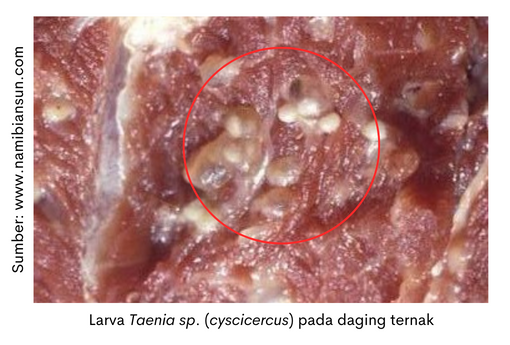
Actually, the main host of these worms is man, while ruminants act as intermediate hosts. The larvae feed on the leaves (cysticercus) that reside in muscle tissue such as the heart, facial muscles or tongue. Furthermore, humans will contract these worms due to eating meat containing cysticercus from these worms. Therefore, the presence of these worms in ruminants is a health problem also for humans.
Deworming Control
The impact of worms is quite significant on productivity should be noted. One of them is by controlling so that it can break the life cycle of worms and keep livestock healthy to avoid worms. Here are some efforts that can be done:
- Apply a health program by giving worm medicine such as Wormzol Suspension regularly 3-4 months. Wormzol Suspension it is an anthelmintic in the form of a liquid dosage with a broad spectrum that is effective for treating gilig worms, tapeworms, liver worms and lung worms in livestock.
- Pay attention to the sanitation of the cage and the environment to keep it clean and not damp by not allowing cow feces to accumulate, cleaning drains and preventing waterlogging.
- Avoid grazing time that is too early because at that time the larvae or worm eggs are usually dominant in the tops of the grass that is still dewy or wet. In addition, grazing places need to be done in rotation and not continuously in the same place.
- Mowing activities / forage done after there is sunlight or when the grass is not dewy. Furthermore, the grass needs to be mowed first before being given to livestock. Withering this grass in addition to minimizing the risk of worms can also prevent bloating in livestock.
- Elimination of intermediate hosts such as snails in Shepherd's fields using molucicides or biologically by raising ducks / ducks as natural predators of snails.
The risk of cattle contracting worms can be minimized with good maintenance management. Therefore, these control efforts need to be done so that livestock are protected from worms and productivity is optimal.