Time brooding period, become a determinant of the success of the achievement of chicken performance. This is true. This must be the focus in the maintenance of chickens. Time brooding period, it is a period of chicken age that still requires more attention, more intensive attention so that the needs of chicks can be met with a good amount and quality.
Importance Of Time Brooding
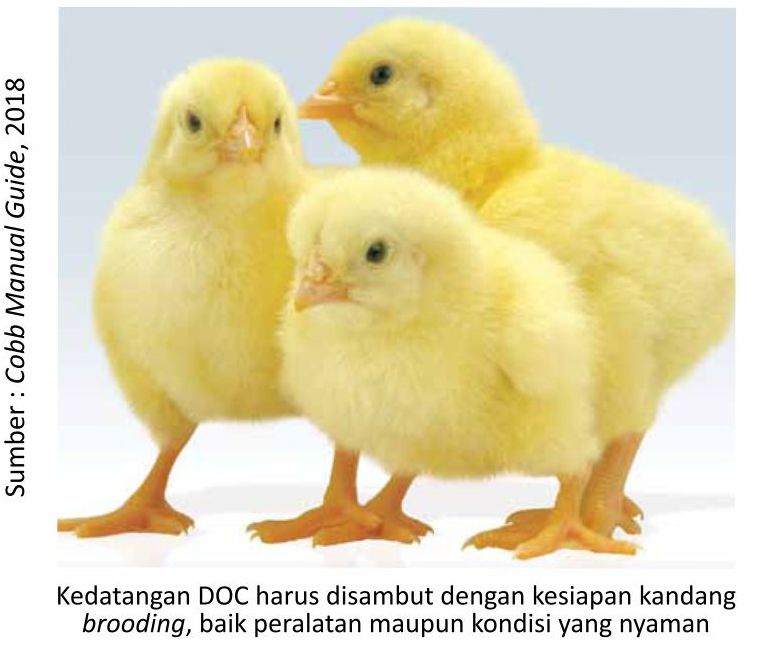
Time brooding period, be a time for the growth of all important organs in the body of chickens.
Immune organs
The development of passive immunity (passive immunity) that occurs through the absorption of the yolk. Immunity from the mother will be transferred to the chicks. And this happens for 2-3 weeks atthe beginning of the chicken's life. While active immunity also begins to form from the results of vaccination and field virus challenges
Digestive organs
The digestive organs develop very rapidly, starting from the liver, intestines, pancreas and kidneys. While still in the hatching machine, the digestive organs of the chicks are anatomically underdeveloped and functional. As soon as the chicks hatch, these digestive organs, especially the proventriculus, gizzard/ gizzards, and intestines, will undergo changes in morphology (increase in size/ diameter and length) and physiology (digestive enzymes begin to be produced).
The digestive organs develop rapidly on the 4th to 6th day, and begin to decline on the 10th day (Noy and Sklan, 1997). The development of the size of the digestive organs and these enzymes will later affect the metabolic processes and absorption of feed nutrients. In order for the digestive organs to develop quickly, this is where the importance of ensuring feed intake chicks are reached maximum from the first day chick in. And the value of the conversion of rations and the growth of chickens in this period is best compared to the next.
Skeleton (bones)
The skeleton of the Chick's body develops with age. This skeletal development includes the gain of bone mass, thickness, and length. The formation of an optimal skeleton of the body will be able to support the rapid growth of body weight, affect mineral metabolism and suppress rejects resulting from paralysis or disability
Thermoregulation (regulation of body temperature)
Chicks do not yet have the ability to regulate their body temperature regulation in the first 5 days. And this system of regulating body temperature does not fully function until the age of 14 days. The survival of chicks largely depends on the conditions of the cage brooding period,, especially suitable temperature
Fur
The plumage of the chicks will gradually change to the main plumage
Target Time Brooding
The main Target of the future brooding period, is the chicken is able to grow and develop with the appropriate weight feed intake that's good. Table 1 shows one of the chicken performance targets that must be achieved so that chicken productivity during harvest is optimal.
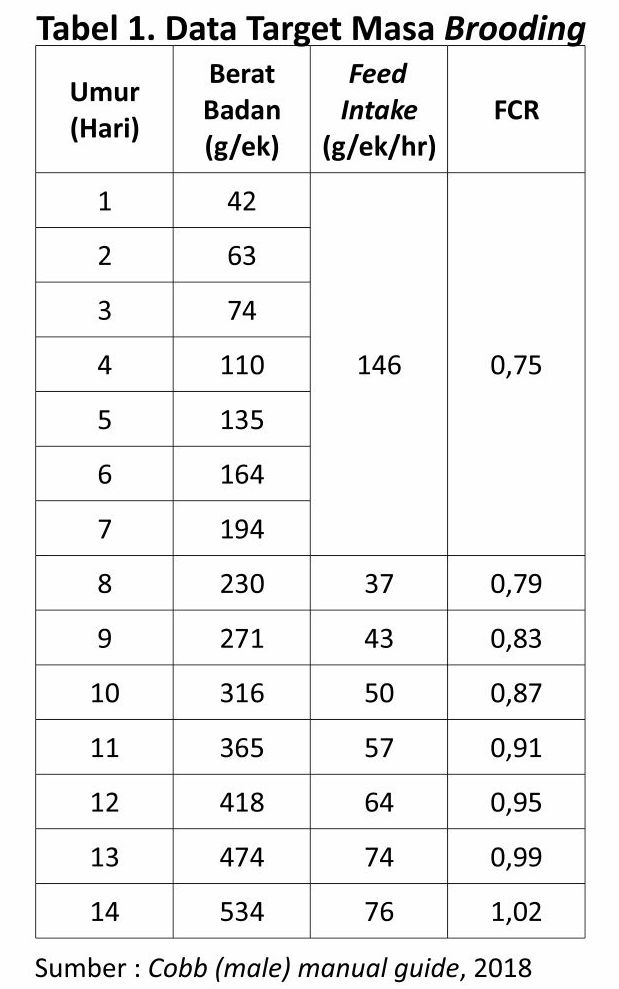
Achievements target weight and feed intake when the age of 7 and 14 days becomes the foundation for growth in the next period. Excess weight achievement at the age of 7 days by 10 grams will add to the achievement of weight at the age of 35 days of harvest by 50-70 grams (Cobb manual guide, 2018). If the body weight at the age of 7 and 14 days is less than the standard then the target weight is difficult to achieve.
Starting from the preparation of the cage
Cage preparation is the first stage that must be done well to achieve the target weight at 7 and 14 weeks. Cages and cage equipment must be clean, disinfected and ready for use and provide comfort for the DOC.
Cage cleaning is carried out thoroughly. Faeces and litter dirty must have been quartered and removed from the environment farm. Piles of feces or feces that are still in the environment farm it is feared to be a source of disease transmission. Carried out washing and disinfection of cages and equipment, repair of leaks or perforated slats, fogging until the forgiveness. The liming process is carried out by flushing the lime solution over the entire surface of the cage (floor, walls and ceiling). The composition of the lime solution for a cage of 100 m2 is 20 kg of quicklime, 100 liters of water and 1 liter of 40% formalin. After all clean and disinfected cage rest period of at least 14 days.
Welcome to DOC
After the cage rest period is over, it's time to arrange the cage and cage equipment, namely
- Input litter or already sprayed husks Sporades according to the needs. For postal cages, thickness litter the beginning is about 8-12 cm. While on the stage Cage, the thickness ranges from 6-8 cm. In addition to being able to absorb water in feces, litter it can also absorb heat from brooder so it helps warm the chicks
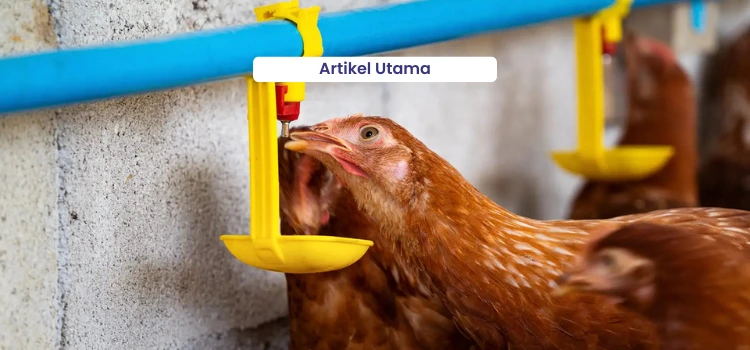
- Installation chick guard complete with heating (IGM), lamp, ration place (Take care of the DOC, DOC Feeder) and drinking establishments. Once the heater is installed, test it to make sure the heater is working properly and there are no gas leaks that could trigger a fire
- Arrangement of cage curtains. In addition to being installed outside curtains, in certain areas where the air conditions are cold or during the rainy season we can add the installation of curtains in the first 5-6 days. There is also the installation of ceiling curtains/top for cages that are not multilevel. Do not forget to provide a ventilation gap (20-30 cm) and open the additional curtain during the day so that the DOC gets fresh air
- Do re-spraying disinfectant to all parts of the cage and equipment to minimize disease seeds. Insecticides (fogging, red) can also be done to reduce the population of insects and mosquitoes in the cage
- Prepare vaccines, medications, vitamins, disinfectants needed during the maintenance period. Regarding how much amount should be deposited, it can be based on the history of previous vaccination and treatment programs, or for new farmers can consult first with field workers.
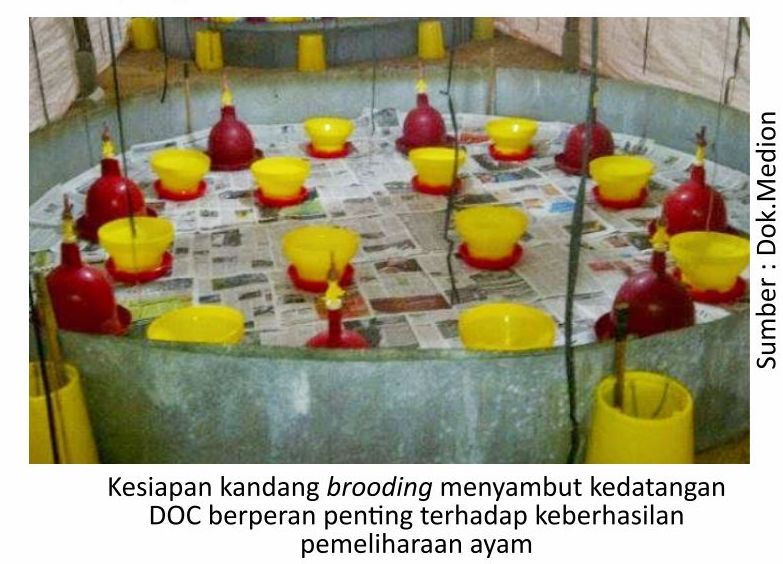
Towards the arrival of DOC some activities that need to be done are
- Monitor the position of DOC's car. With today's ease of communication, this monitoring can be done more easily. Hopefully we can predict more precisely, when DOC will arrive at the cage
- Cage employees should prepare themselves. The number of personnel needs to be adjusted so that the acceptance process, quality control (DOC weighing, physical condition checking) and DOC deployment can run faster.
- Do pre-heating, that is, IGM is turned on at least 1-2 hours before the DOC arrives. The goal is the temperature of the cage according to the needs of chickens, both air temperature and litter temperature (bottom of the cage). With pre-heating is expected DOC can be comfortable and can directly do the activity of drinking and eating. The speed of drinking and eating chicken will greatly affect the achievement of the target period brooding period,
- Prepare munum water and ration. Drinking water given during DOC chick in preferably warm. Avoid giving cold drinking water, because it can cause chickens to experience cold shock (cold stress). When chickens experience cold shock, appetite to drink and eat chicken will decrease. Doing the pre-heating application will also help the drinking water given is still relatively warm
Agar Brooding Successful
Cage brooding period, ready for DOC's arrival. When DOC camechicks in) there are several things that must be done to achieve DOC performance, including
The quality of the DOC must be checked (quality control DOC)
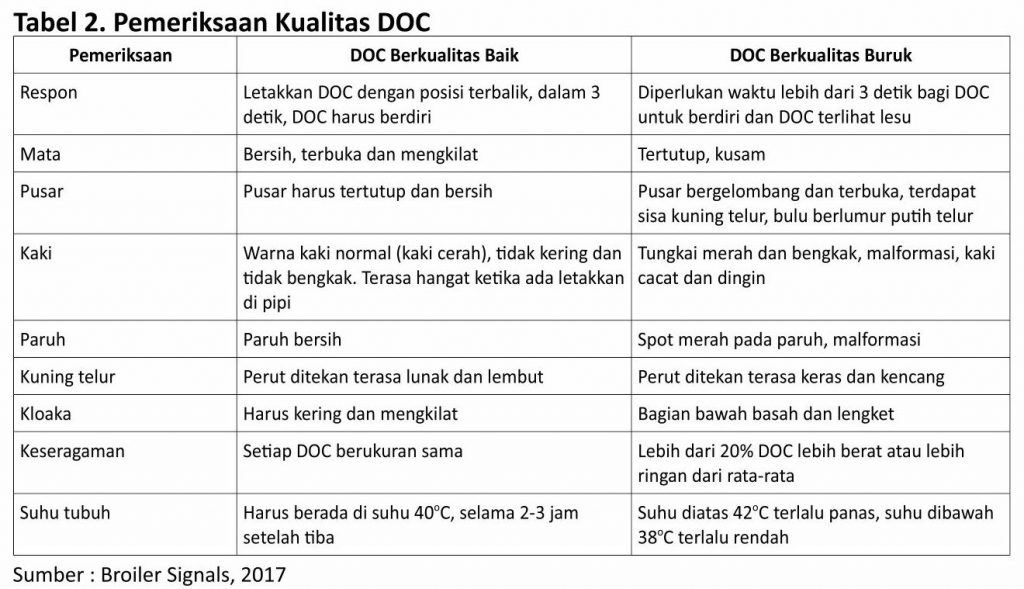
When DOC's vehicle arrives at the cage, immediately take DOC and put him in the brooding cage. Open the lid of the DOC box and control the DOC's condition. DOC quality control guidelines can be seen in detail in Table 2.
Weigh the weight of the DOC by weighing a total of 1 box DOC and do sampling at least 5% of the total DOC per box. Also count the number of DOC each crib. Input the number of DOC data in the recording table that has been prepared. Perform culling on DOC of unsuitable quality. If the poor quality DOC is maintained, the farmer must be prepared with several consequences, including increased production costs (especially for heating, feed and medicine costs) and can trigger cases of diseases that usually start from a weak DOC).
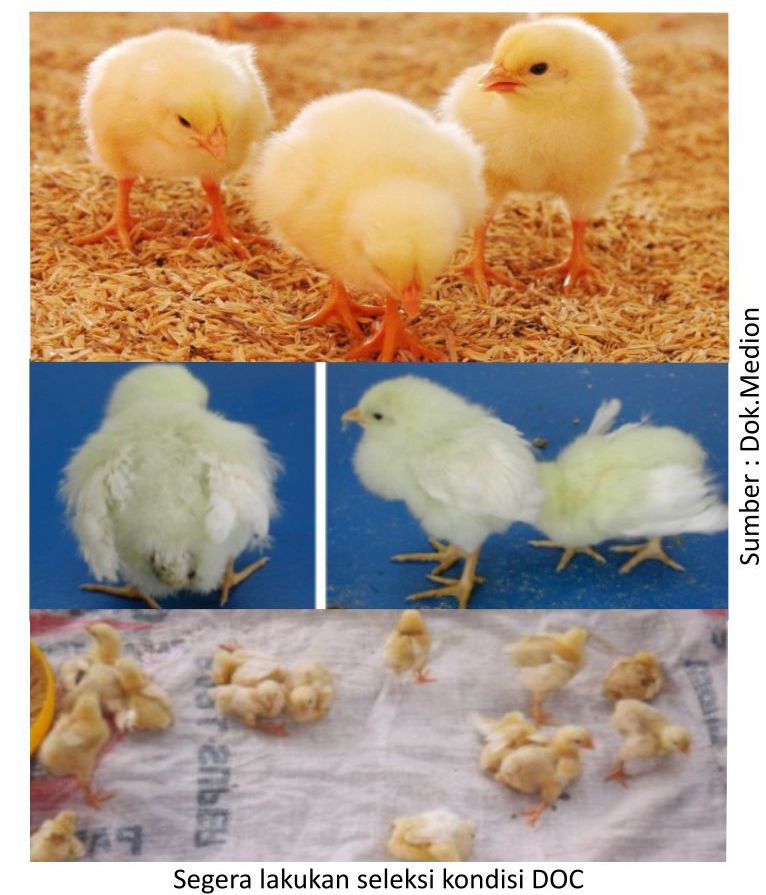
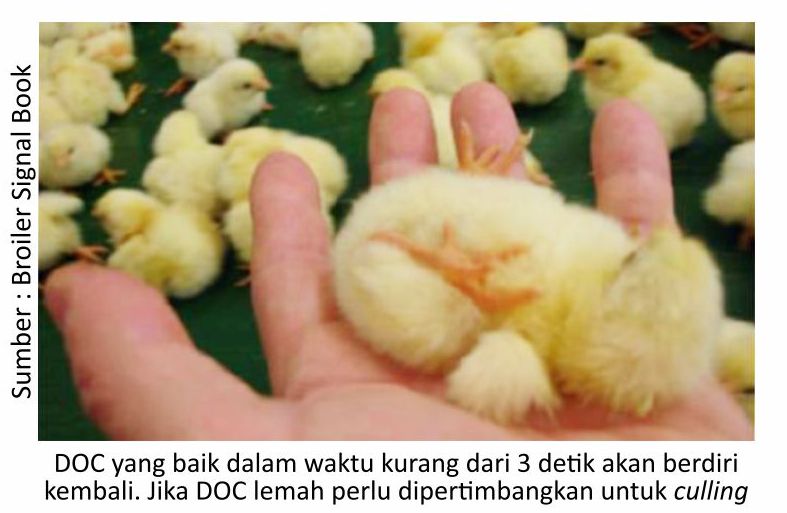
Checking the condition of the navel also needs to be done. DOC is not good usually the navel there is still a residual yolk that does not enter perfectly. This condition can lead to infection and death. If you find a DOC like this, you can count and complain to the nursery company (usually it can still be guaranteed).
DOC body temperature measurement can be done as a step to select the quality of DOC. Especially to make sure the DOC looks weak again. Use a special thermometer to check the DOC. Insert the thermometer approximately 2 cm into the cloaca hole so that the measured temperature is accurate. A good DOC will have a cloacal temperature of 40.5oC.
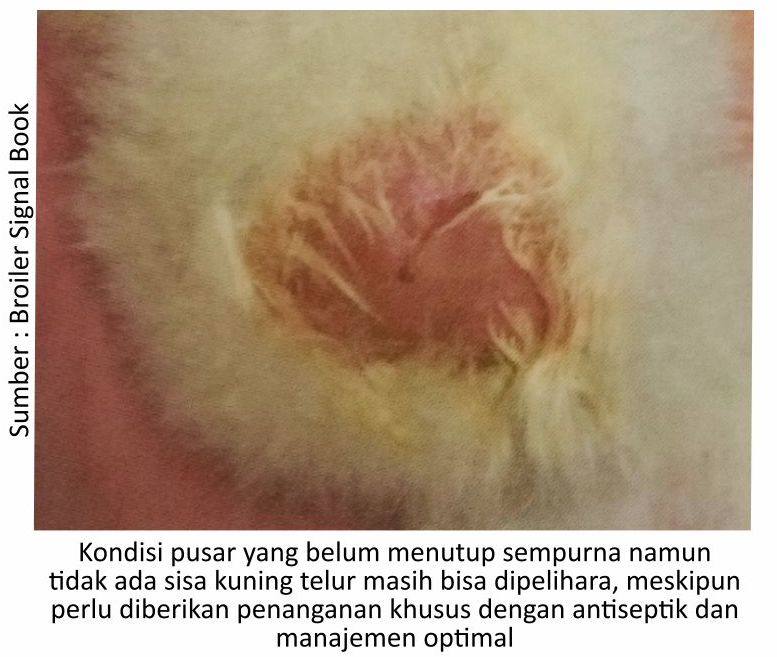
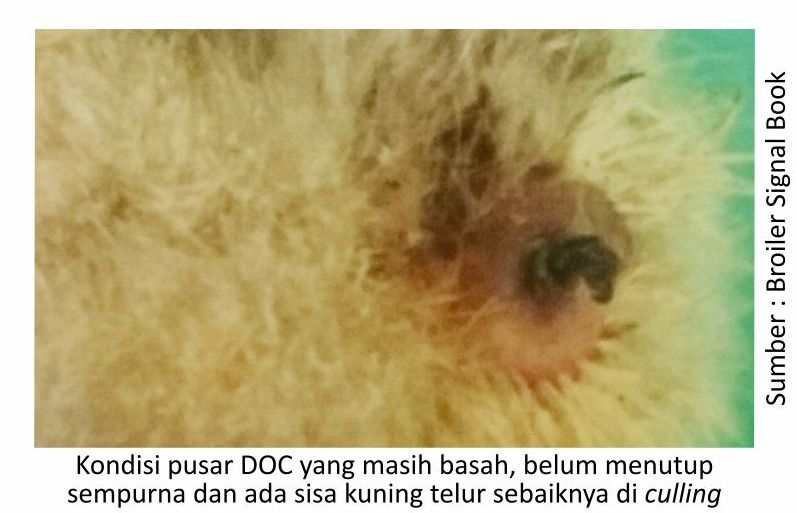
A good broiler DOC weighs 38-42 grams. It's just that in some cases can be summed DOC with appropriate weight but growth is not optimal despite the conditions of the cage brooding period,his ideal (Doc comfortable). This condition can be caused by the proportion between body weight and egg yolk weight is not appropriate. DOC with ideal body weight but has a large residual yolk weight will have a slower growth rate than DOC with ideal body weight and small yolk weight. Ideally the residual weight of the yolk is
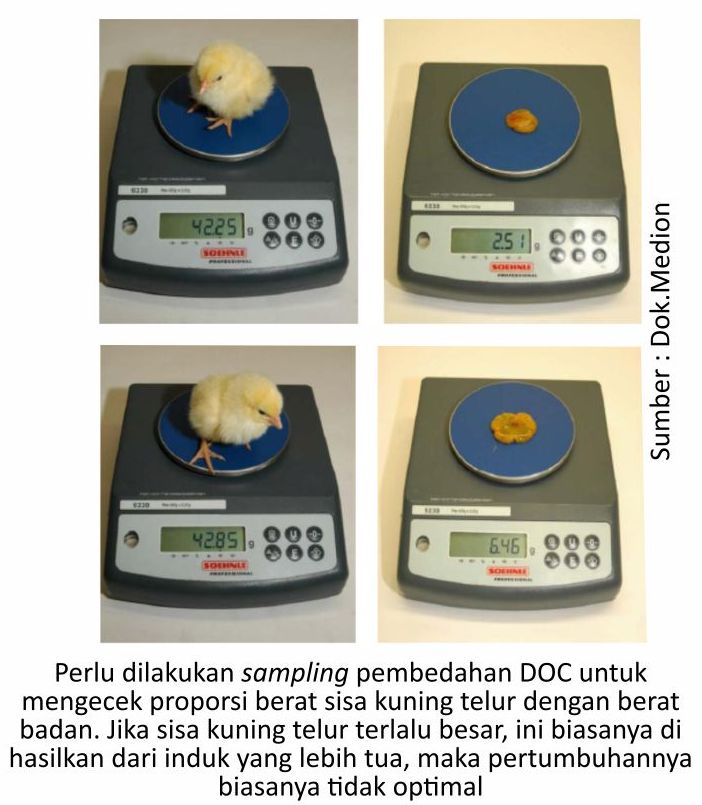
After checking the DOC, place the DOC in the brooding cage in accordance with the batch no.and uniformity of weight and condition of the chicken. Ideal brooding cage for the coop open house (open cage) with a capacity of 1,000 heads.
Make sure the temperature and humidity are appropriate and even
Poikiloterm or cold-blooded. This is the condition of the DOC or newly hatched chicks. This means that these chicks cannot regulate their own body temperature. The body temperature of the chicken will be greatly influenced by the ambient temperature (temperature brooding period,). Only at the age of 5 days, chicks begin to be able to regulate their body temperature.
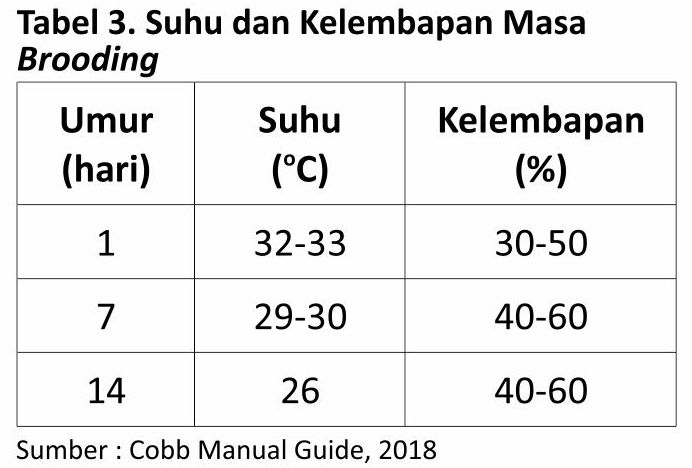
Important when DOC stocked in the cage brooding period, should immediately get a comfortable temperature. If it is too high or low, it will have a negative impact on diversity, growth, feed conversion, mortality and harvest weight achievement. Table 3 shows the comfortable temperature and humidity standards during the period brooding period,.
Temperature measurement is usually only done to see the air temperature in the cage. It would be better, temperature measurements are also performed on litter. This is because the temperature litter inappropriate can also cause the chicken is not optimal growth.
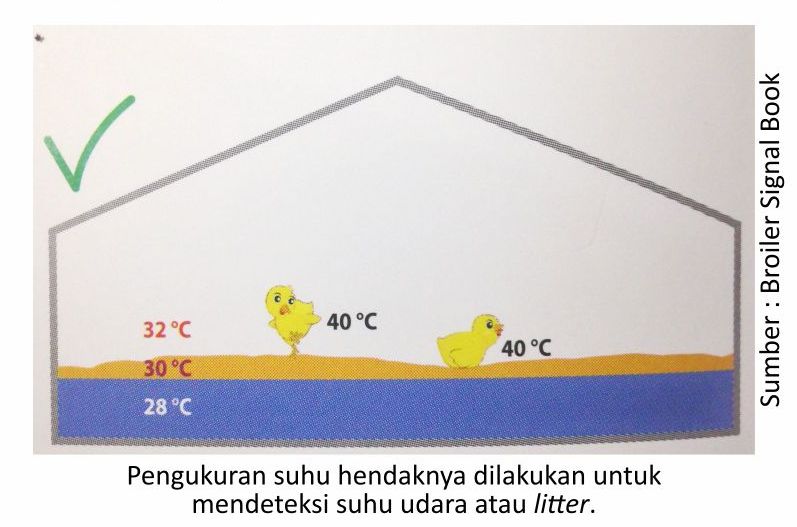
Temperature measurements are usually only done to see the air temperature in the cage. It would be better, temperature measurements were also carried out on the litter. This is because the temperature of the litter that is not suitable can also cause the chicken is not optimal growth.
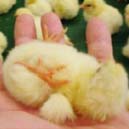
Appropriate temperature and humidity conditions will be shown from the liveliness and distribution of DOC evenly throughout the cage brooding period,. If there is DOC that accumulates on one side of the cage, it can be caused by uncomfortable temperature and humidity conditions. Take the DOC and stick the DOC's feet on our cheeks or hands. If it feels cold then the temperature of the cage, either air temperature or litter not suitable. Take immediate action if the temperature and humidity do not match.
Drinking water and rations should be available immediately and can be consumed by chickens
Water and ration become a source of nutrients that are very important for the growth of chicks. Make sure the quality of drinking water and rations provided can meet the nutritional needs of chicks, ranging from metabolic energy, protein, fat, fiber, minerals (ash), calcium and phosphorus. In addition, essential micronutrient needs, such as vitamins, trace mineral (micro minerals) and amino acids should also be considered. Mix Plus is one of the supplements that can be added to the ration of broiler chickens to help increase or catch up on weight.
The amount of ration for broiler chickens must be constantly controlled, recorded and increased (increased) in line with the increasing age of the chicken. Moreover, the growth of broilers is very fast, this must be supported by an increase in the amount of feed per day.
Adjust chicken density (cage widening)
Carry out cage dilation every 3-4 days. Widening the cage should also be followed by the addition of rations, drinking places and additions litter (especially if wet or lumpy). Overexposure of the cage widening will cause the density to increase. As a result, the growth of chickens will be inhibited, the quality of the litter will be wet and clump faster and air quality will decrease (ammonia levels will increase so that it can trigger cases of infection).
Good health Program
Give vaccines and treatment according to conditions or cases that often appear in the area around the cage. Medivac is a quality vaccine that is usually given to provide perfect protection against virus attacks that often attack broiler chickens, especially Newcastle disease (ND), Gumboro, avian influenza (AI) and infectiouse bronchitis (IB) virus of. Vaccination and treatment programs will be more optimal if supported by the program biosecurity and disciplined disinfection.
Management brooding period, be decisive for the achievement of the target weight of the crop. Start Management brooding period, this is with good Cage preparation and followed by Cage management brooding period, from DOC quality control to the provision of good health programs. Congratulations on implementing this little science. Hopefully performance chicken broiler we're getting better. Salam