Poultry feces are a simple yet effective indicator of flock health. Changes in their shape or consistency often appear earlier than other clinical signs, preventing economic losses due to decreased production before significant mortality occurs. Therefore, regular fecal inspection is a crucial part of farm management.
Excess fluid in poultry feces, or what is known as wet droppings, indicating that the nutrients from the feed are not being digested or absorbed properly. As a result, production efficiency decreases and the chicken's health can be compromised. Therefore, cases wet droppings needs to get serious attention.
A. Get to know Wet Droppings
Wet droppings This is a condition where poultry feces contain more fluid than normal, making them appear runny. This condition usually indicates a disturbance in the water absorption or excretion process.
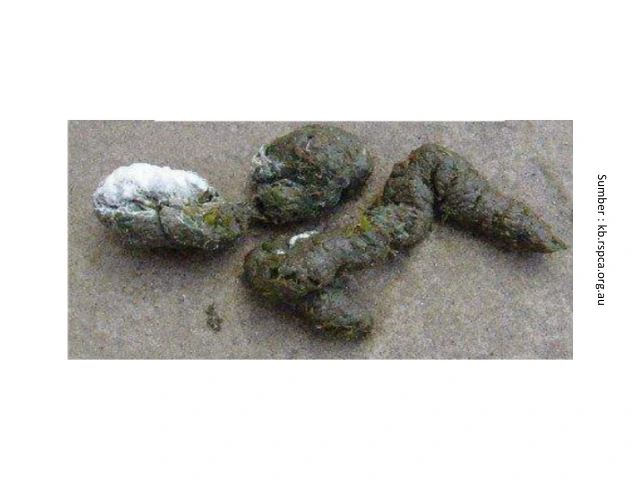
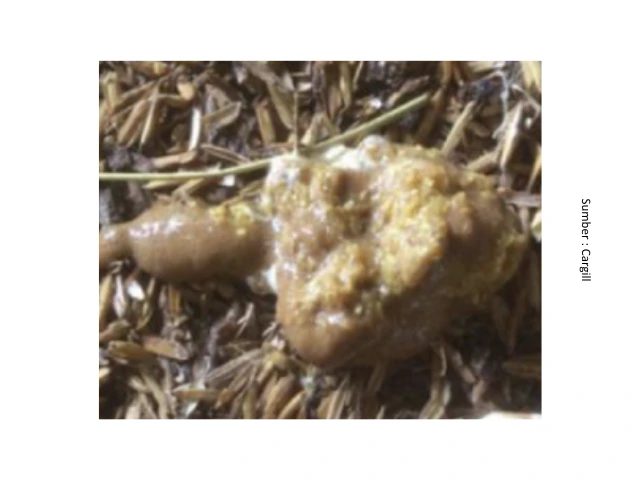
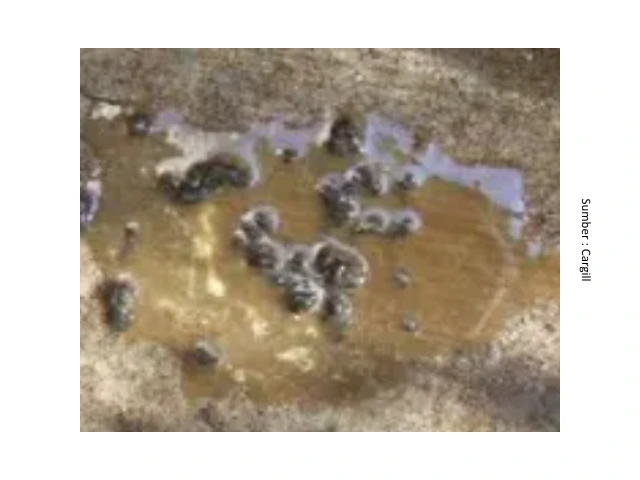
Figure 1. shows normal chicken feces, characterized by a solid shape that follows the contours of the colonic lumen. The texture appears dry and solid, does not spread, and has a white dot on one side, which represents uric acid deposits. In contrast, Figure 2. shows wet droppings. The stool appears shapeless, looks more liquid or thick.
B. Factors Causing Wet Droppings
Wet droppings Rarely is the result of a single factor; it is more often multifactorial, with various agents and management conditions contributing to each other's worsening. The following section will focus on nutritional factors, which are often the triggers for cases. wet droppings. Several factors related to this condition include:
1. Air
Water is the most important nutrient for poultry and is consumed about twice as much as feed. Because it acts as a carrier for solutes, water quality significantly affects nutrient absorption and metabolic waste elimination. The amount of solutes in water determines how water moves through the intestinal walls and kidneys.
Chickens are very sensitive to excess electrolytes in their drinking water. When the body needs to get rid of excess electrolytes, the production of urine increases and water consumption also increases to maintain fluid balance. Problems arise when water has total dissolved solids (TDS) is high. At TDS above 1.5 g/kg, chickens begin to experience osmotic stress and polyuria (urine excreted in large quantities); at TDS above 3 g/kg, the body's ability to regulate fluid balance begins to be disrupted, resulting in very runny feces (Goldstein and Skadhauge, 2000). Salt (NaCl) is a common water contaminant, and although chickens are quite tolerant, salt loads still increase production. urine and fecal moisture (Watkins et al., 2005).
2. Mineral content of feed
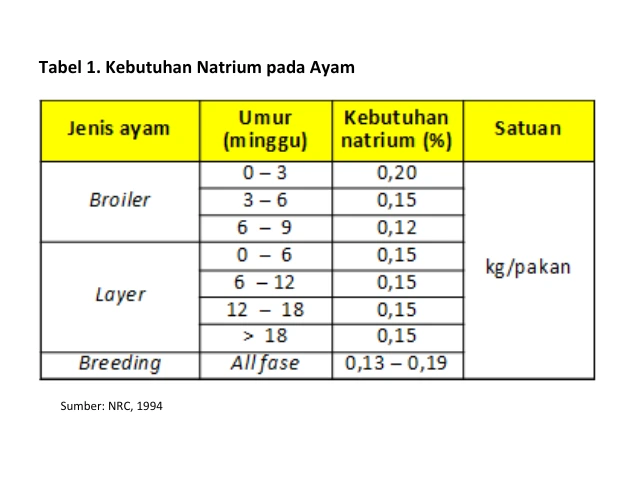
The balance of minerals such as sodium (Na), potassium (K), and chlorine (Cl) plays a crucial role in maintaining the water balance and pH of the poultry body. To maintain a slightly alkaline pH in body fluids, poultry excrete CO₂ through respiration and excrete acid through the gastrointestinal tract. urine, and reabsorb bicarbonate ions in the kidneys.
Imbalances most often occur when chlorine levels are excessive, as sodium is generally provided in the form of salt (NaCl). Excessively high salt levels cause increased water consumption to balance electrolytes in the body. As a result, chickens experience wet droppings. In plant-based feeds, the risk wet droppings increased because some ingredients, such as soybean meal, are high in potassium. Ingredients like wafer waste are also at risk because their salt content is unstable.
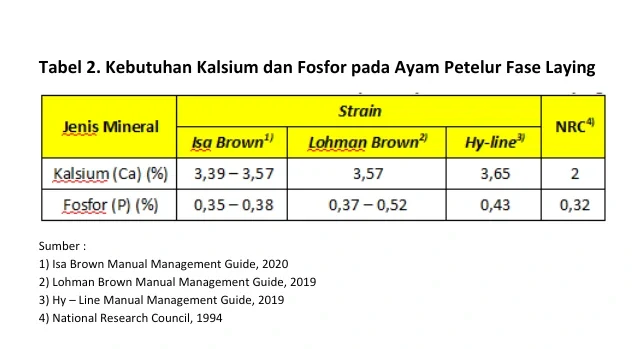
Excess calcium in the diet can trigger polyuria because the kidneys can only reabsorb a portion of the calcium in the filtrate. When this capacity is exceeded, calcium is excreted in the urine. urine and triggers increased urine production. In chronic conditions, excess calcium can damage the kidney tubules.
3. Protein content of feed
Protein in the diet is an important nutritional factor; a sufficient supply of protein is essential to maximize growth and egg production performance (Baker, 2009). However, excess crude protein (CP) in the diet can increase nitrogen (N) excretion and odor emissions, as undigested and unabsorbed CP, along with uric acid, the end product of protein metabolism, are excreted in the feces (Chalova, 2009). et al., 2016).
In poultry, most of the nitrogen from feed is actually excreted. Nitrogen excretion is estimated to reach 54.4% in laying hens (Applegate et al., 2003), and this nitrogen excretion draws water with it. Since 40–55% of feed nitrogen is excreted, small changes in crude protein levels can alter urine volume and cecal nitrogen, which in turn affects gut microbial balance (Applegate et al., 2003).
4. Quality of fat/oil
Fats and oils are energy sources often used to increase the energy value of feed, as they provide higher metabolic energy than carbohydrates (Leeson & Summers, 2005). However, from a risk perspective, wet droppingsThe type and quality of fat are crucial. If fat is not digested properly or the levels are too high, chickens can experience steatorrhea (fat being excreted in the feces). This condition makes the feces wetter.
Steatorrhea This often occurs when poor-quality fats are used, such as rancid fat or used cooking oil. These types of fats are difficult to digest and can irritate the intestines, triggering bloating. wet droppings. Low-quality fats are characterized by consistently high levels of oxidation that decrease fat digestion and absorption, increasing fat loss through feces (Engberg et al., 1996).
Problem wet droppings This is more severe when the feed is high in free fatty acids, especially saturated fatty acids. The interaction between saturated fatty acids and calcium or cations can form soap compounds, which not only reduce fat absorption but can also irritate the lower intestine (Atteh & Leeson, 1985). This irritation accelerates the flow of ingesta and reduces water reabsorption, resulting in more liquid feces. When calcium in the feed exceeds 10 g/kg, this soap formation process is more likely to significantly increase fecal fat levels (Leeson & Summers, 2005).
5. Antinutrition
In plant-based feeds, not all nutrients in the ingredients can be fully digested. One reason is the presence of antinutrients, especially Non-Starch Polysaccharides (NSP). NSP has a complex bond that cannot be broken down by poultry due to the absence of NSP-degrading enzymes. The digestive process in the proventriculus and the activity of intestinal microbes can only break down NSP in small amounts, so its utilization is very limited (Saki et al., 2011; Kim et al., 2022).
In poultry feed, water-soluble NSPs have been shown to negatively impact nutrient digestibility. These compounds can increase intestinal viscosity, alter the structure of the digestive tract, and interact with the intestinal epithelium and microflora. NSPs also bind large amounts of water, slowing the flow of ingesta and disrupting the fat emulsion process (Makwana et al., 2022). Furthermore, this binding causes decreased access of digestive enzymes to the substrate, thereby reducing nutrient absorption (Morgan et al., 2022). The accumulation of undigested feed in the intestine causes an increase in the size of the intestine and digestive organs as a response to digestive excretion.
Increased intestinal viscosity also triggers faster proliferation of pathogenic bacteria. This creates competition between pathogenic microbes and host cells for nutrients. The resulting inflammation in the digestive tract ultimately disrupts water balance and triggers wet droppings.
6. Mycotoxins
Mycotoxins are secondary metabolites resulting from fungal metabolism, which have toxic properties, damage the structure of cell membranes and disrupt cell formation processes such as protein, DNA and RNA (Riza 2009). One of the mycotoxins most frequently associated with wet droppings in poultry is ochratoxinThis substance can cause kidney damage that triggers polyuria, impaired absorption, and diarrhea (Hoer, 2003).
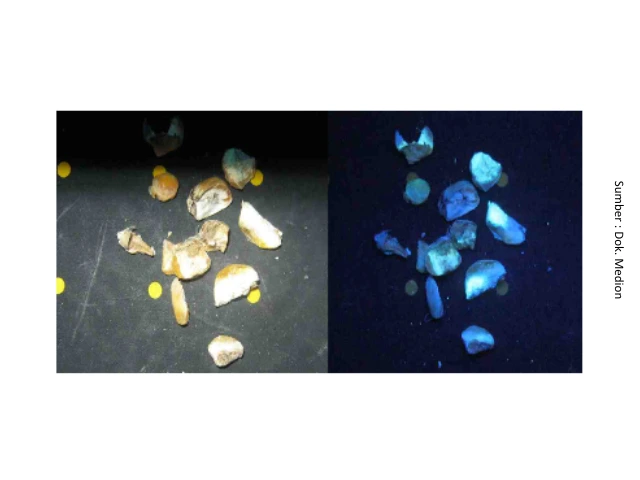
Mycotoxins are often difficult to detect in feed, may be present in unmeasured conjugated forms, and their toxic effects can be exacerbated by other contaminants. For example, the nephrotoxicity of ochratoxin can be increased in the presence of tannins (Kubena et al., 1983, 1985). Therefore, the role of mycotoxins should always be considered when an outbreak occurs. wet droppings.
C. Prevention and Treatment Wet Droppings
Wet droppings If left untreated in chickens, this condition can reduce productivity. Therefore, appropriate preventive measures and treatment are essential. These efforts include:
1. Evaluation of cage management
Fecal buildup can cause an ammonia odor, especially if the feces are still wet. Therefore, proper fecal management is essential to reduce moisture and suppress ammonia. Clean the feces under the cage at least once a week to prevent excessive buildup.
Feces can be made drier by adding 1–3% water-absorbing material such as zeolite or lime. To suppress the ammonia odor in the cage, you can use Ammotrol, an ammonia binder. The herbal extracts it contains help dry out stool, reducing the ammonia odor.
2. Evaluation of nutritional management
Nutrition management is one of the main keys in preventing and overcoming wet droppings. Some aspects of nutritional management that need to be considered include:
– Maintaining the quality of drinking water
The quality of drinking water greatly influences the emergence of wet droppings, because chickens are very sensitive to changes in dissolved substance levels. To properly address water quality issues, farmers need to understand the condition of the water in their coops. Water quality can change from season to season (Scholar, 2016), so inspections should be conducted regularly, especially during seasonal changes, or at least once a year. Once the laboratory test results are known, appropriate treatment can be administered based on the type of problem identified.
– Evaluation of raw materials and feed formulation
Small changes in the formulation or quality of raw materials can trigger wet droppingsTherefore, treatment must begin with a thorough evaluation of feed composition, raw material quality, and feeding method to ensure nutritional balance and gut health are maintained.
In recent years, the use of alternative raw materials has increased as a substitute for corn, which has risen in price. However, alternative materials such as wafer or biscuit waste have wide nutritional variations and lack clear value standards. Research by Dewanto (2009) shows that biscuit waste has a salt content of around 1.03%, much higher than the standard for laying hen feed, which is only around 0.31%. If left uncontrolled, high salt levels can cause wet droppings.
Biscuit waste or wafer While it can be an alternative energy source, its use should be limited. For laying hens in the production phase, the recommended amount is no more than 15% in the formulation to avoid negative effects.
The nutritional content of feed must be accurately determined before use. In addition to physical inspection upon arrival of raw materials, chemical analysis, such as proximate testing, is necessary to ensure that the feed formulation truly meets the needs of laying hens.
– Optimization of feed protein content
Reducing feed protein levels by around 2% can reduce nitrogen excretion by up to 18% under certain conditions (Ferguson et al., 1998). In fact, reducing the protein content from 23% to 19% without changing the amino acid balance has been shown to help reduce stool moisture (Namroud et al., 2008). However, if the protein content is reduced further, all essential amino acids need to be added back in an easily absorbed form to prevent the chicken's performance from decreasing.
Amino acid requirements can be met through premix. Premix Medion like Mix Plus LLM3A and LLM3B It contains amino acids, multivitamins, and minerals in a complete and balanced combination that plays a role in supporting the nutritional adequacy of chickens.
– Optimization of fat content in feed
Poor quality fat can cause wet droppingsTo prevent this, ensure the fat source you use is fresh and not rancid. Avoid used cooking oil or recycled fats, as they are difficult to digest and can irritate the intestines.
Vegetable oils are generally more easily digested than animal fats, but because they are more easily oxidized, the addition of antioxidants is important to prevent fat breakdown and digestive disorders (Leeson & Summers, 2005).
Antioxidants can be added to feed or fatty raw materials to stabilize fatty acids. Premix products such as Mix Plus It contains antioxidants which help maintain nutritional stability.
The crude fat content of the formulated product also needs to be monitored, with a general limit of around 7%. To improve fat utilization, especially in young chickens, the use of emulsifiers can aid the emulsification process and facilitate fat absorption. The risk of soap formation between saturated fat and calcium can be reduced by maintaining recommended calcium levels.
By ensuring good fat quality, adequate antioxidants, controlled calcium levels, and optimal emulsification processes, the risk of steatorrhea can be reduced, resulting in drier stools and minimizing cases of wet droppings.
– Enzyme supplementation
Accumulation of NSP in feed can trigger digestive disorders which have a direct impact on the appearance of wet droppings. Poultry cannot naturally digest NSP, so the addition of exogenous NSP-ase enzymes, such as xylanase, is essential. These enzymes help reduce intestinal viscosity, reduce antinutritional effects, and improve fecal quality in high-NSP diets (Aftab & Bedford, 2018).
Xylanase's effectiveness increases when used in conjunction with other enzymes that also work to combat antinutritional factors. This breakdown makes nutrients more easily digestible and reduces the accumulation of undigested material in the intestines, which is a trigger. dysbacteriosis and wet droppings.
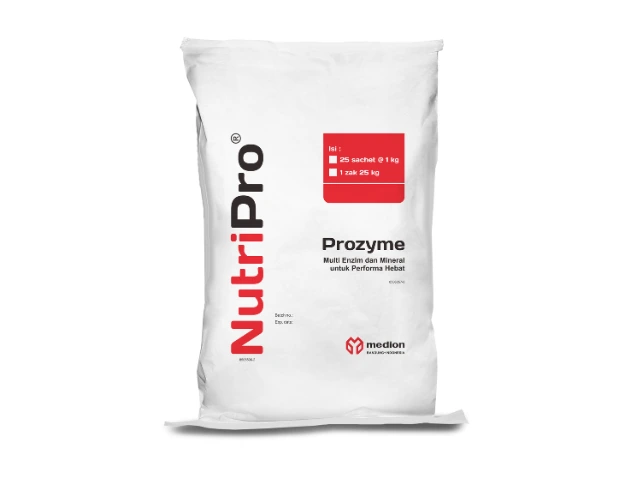
Variations in the quality of local raw materials often result in high levels of NSP and other antinutrients, the use of multienzymes is an important step to maintain digestive stability. Prozyme as a multienzyme containing a combination of phytase, xylanase, protease and amylase enzymes. In addition, it contains zinc oxide and manganese sulfate which functions as an enzyme cofactor to accelerate the feed degradation process by enzymes so that the enzyme reaction rate increases.
– Giving toxin
Low-quality raw materials are often contaminated with fungi that produce mycotoxins. These compounds can irritate the gastrointestinal tract, disrupt digestion, and trigger diarrhea. wet droppingsTherefore, using quality feed, maintaining clean feeding equipment, and proper storage are crucial. Clumped, moldy, or spoiled feed should be discarded immediately to prevent poultry from consuming it.
Additions toxin is a key step in preventing the effects of mycotoxins. This substance binds mycotoxins in the digestive tract, preventing the toxins from being absorbed into the bloodstream and damaging target organs such as the kidneys. This reduces the toxic load and the risk of wet droppings decreased, and chicken performance remained stable.
That's a brief overview of the case. wet droppings in poultry. cases wet droppings on poultry. Hopefully, this is useful and broadens our knowledge. Greetings.