Pertanyaan dari Bapak Tito Maulana Akbar – by email
What is the most common cause of re broiler, is it from the management factor in the cage or the chicken seedling factor?
Answer
Reo's disease is caused by Avian Reovirus, is one of the diseases that can cause dwarfism. This disease can be caused by various factors both in terms of DOC seed quality, maintenance management, ration quality or because of the challenges of disease from the environment. There are no more dominating causative factors, since they are interconnected with each other.
Reo disease can be transmitted vertically (transmission from the parent is transmitted to the offspring) and horizontally (transmission from sick chickens, equipment, environment exposed to disease seeds). Vertical transmission is relatively low, but when it occurs it can affect the quality of the DOC.
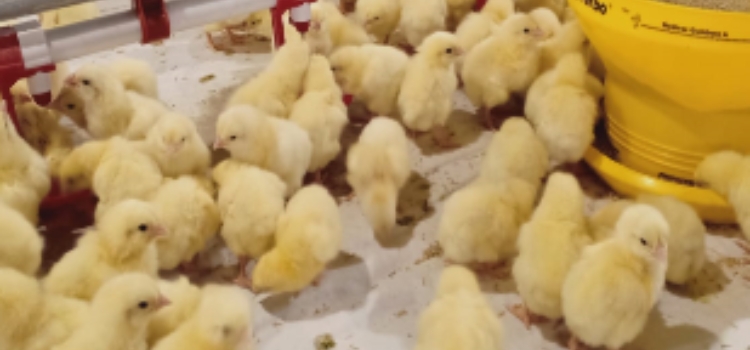
So, need to pay attention to the quality of DOC when chick in. Make sure the DOC comes from a parent who has been vaccinated against reovirus for example using Medivac Reo Emulsion.
Vaccination in the brood will provide protection to the chicks through a decrease in maternal antibodies. Should also be done selection (quality control) for grouping/grading based on weight condition. For the disabled DOC should be rejected.
For DOC with sub-standard weight should be separated and given special treatment by giving a heater slightly higher than the normal target.
It is aimed at maximizing the beginning of growth. This group should be stimulated appetite as much as possible, starting with the introduction of drinking water and feed. In addition, heating and drinking water must be prepared at least 2 hours before the arrival of the DOC.
Heating brooder must have been prepared in advance so that the sensory nerves that serve as thermoregulator (body temperature regulator) chickens are not disturbed. Target temperature at brooding period, set at 33-34°C when DOC arrives (always monitor and observe DOC comfort conditions).
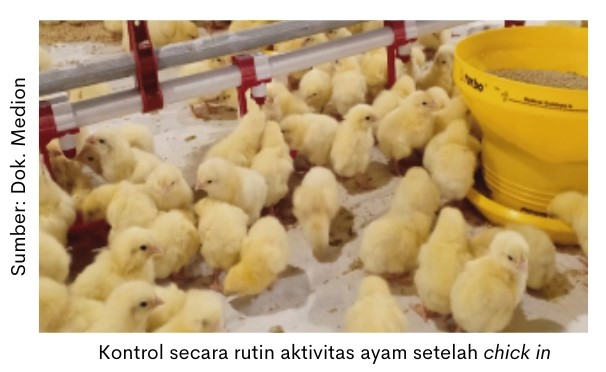
Horizontal transmission can occur from one day old chickens. Chickens infected at a young age (the first week) can act as chickens carrier and potentially as a source of infection of other chicks in the cage.
Considering the maintenance management factor is also one of the important role holders in the spread of the virus reovirus in the cage, it is necessary to pay attention to the implementation of good maintenance management and the implementation of strict biosecurity.
Starting from the preparation of the cage before chick in with thorough cleaning and disinfection followed empty cage for at least 14 days to break the chain of spread of the disease. Complete it with the right vaccination program. The availability of rations and quality drinking water should also be taken into account.
Drinking water is prepared in the temperature range of 21-24°C, so that chickens want to drink quickly and the amount of drinking place is multiplied. You can also add sugar or Gingertol for energy supply. The hope is that the chicken is not dehydrated and the body's condition will quickly recover.
Availability of feed and feed are also propagated and need to be considered quality, can be added Mix Plus BAP3A to improve the quality of nutrients contained in the feed. Perform routine control during the period brooding period,. When a problem occurs, it must be addressed as soon as possible because the success at the beginning of maintenance will be directly proportional to the success at the end of the harvest.
If the chicken continues to experience dwarfism, The thing that needs to be done is to group the chicken into 3 Weight groups, namely:
- Group of normal chickens, body weight of ③ 10% of the standard
- Kelompok ayam berat badan <10-20% dari standar perlu dilakukan perlakuan khusus
- Group chicken weight
Furthermore, the administration of premixes containing multivitamins, amino acids, and minerals such as Mix Plus BAP3Atreatment, administration of antibiotics to prevent secondary infection (Amoxitin, Collimezyna multivitamin (Fortevit, Neobro, Kumavit) or immunostimulants (Imustim), regular sanitation and disinfection of equipment and cages.