At the beginning of the maintenance is one of the things that affect the growth of chickens. The brood period in chicks is the period when the chicks need warmers until a certain age or until the chicks can adjust themselves to the ambient temperature. DOC needs to be given warmers, for example, with incandescent lamps so that the temperature in the cage reaches 30-33 °C. The conditions for the spread of chickens are even, indicating that the temperature in the cage is ideal and comfortable. Multivitamins such as Vita Chicks during approximately the first three weeks it is very important to accelerate growth and increase DOC's resistance to disease.
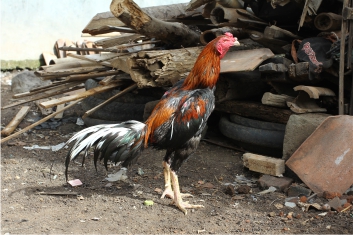
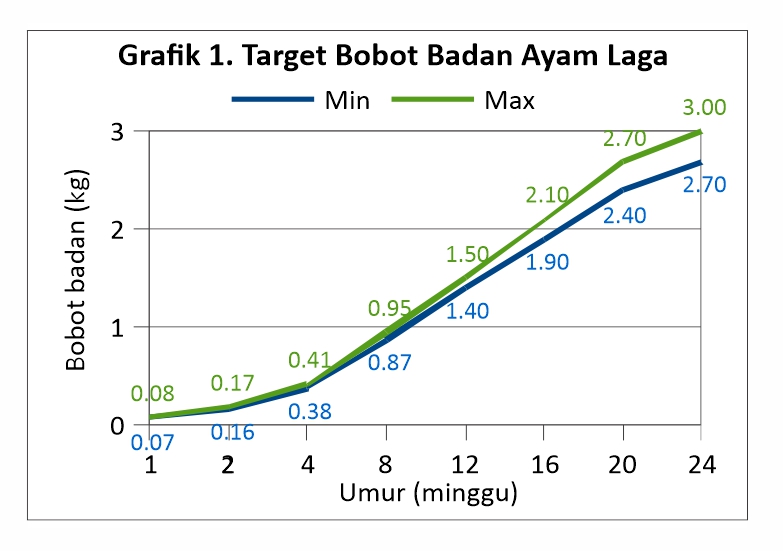
To get the ideal fighting chicken, it is necessary that one of the things to note is the achievement of the target body weight of chickens, especially up to the age of 6 months and ready to be competed as shown in Graph 1. With optimal body weight chicken stronger attack and defense of the opponent's attack.
To form tough and excellent fighting chickens, heredity alone is not enough. It takes proper care and practice. So that the optimal potential of chicken fight can be achieved. What treatments need to be done to get optimal performance, here's an explanation.
Care and exercise routine (daily care).
- Give Breakfast about 40 grams
- Train chickens in the morning such as running, jantur (wing and leg muscle training), swimming, swing, abar (sparring training), or moving exercises using baboons (hens) that are caged
- Bathe the chicken when the sun is shining then dry it to dry
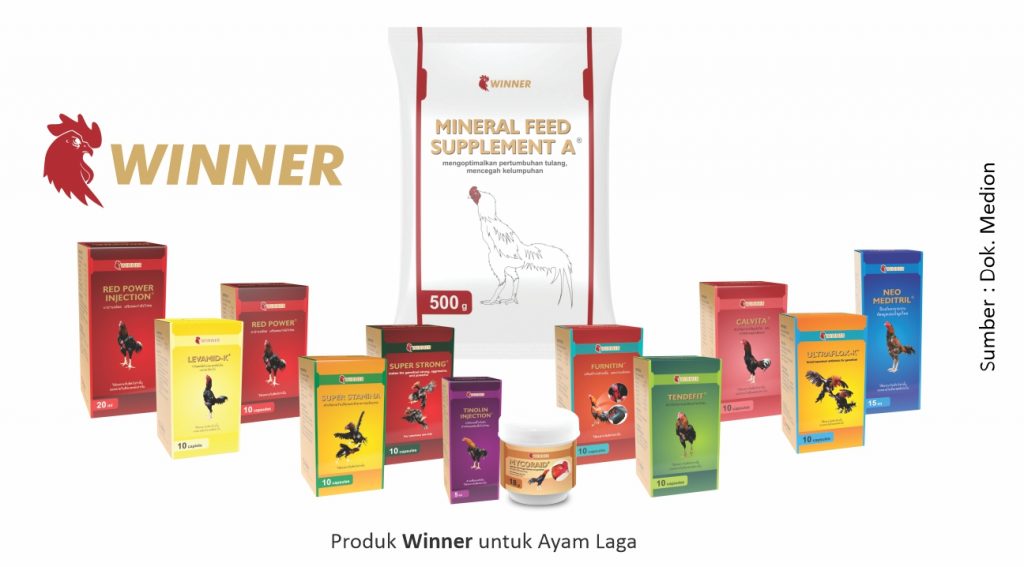
- Add to cart (Super Stamina/ Red Power/Red Power Injection) and additional meals once every two days before training
- Umbar chicken until the afternoon around 10.00-15.00. Umbar is an absolute requirement to get a fighting chicken with a muscular, healthy and fit body.
- Put the chicken back in the cage and provide quality feed about 80 grams and enough drinking water. As well as add Top Mix to improve the quality of feed
- To prevent and treat vitamin B complex deficiency, as well as improve the appetite of chickens, it can be given Vita Plex Once every 3 days.
- Then the chicken is rested until the next day
Care to form a strong bone and muscle fight Chicken hit.
- Provide supplements that contain micro minerals, namely calcium (Ca) and phosphorus (P) and contain micro minerals, namely iron (Fe), manganese (Mn), iodine (I), copper (Cu) and zinc (Zn) such as products Mineral Feed Suplement A (for young chickens) and Calvita (for adult chickens) which serves to strengthen bones and prevent paralysis
- Give Furnitin start at 4 months every 3 days to build strong muscles
Care Game chicken feathers
- To accelerate the growth of feathers
- Place the chickens in a cage protected from sunlight and provide a complete feed with a high energy and protein content.
- Provide supplements Solvit to help accelerate the growth of feathers (for chickens knitting and molting/ ngurak).
2. Makes fur stronger, supple and shiny
- Quality fur is fur whose structure is complete, strong and flexible or not easily broken and shiny. Awarding Furnitin once every three days it is necessary to do this in order to get good quality game chicken feathers.
Pre-match treatment
- Umbar ayam, do abar and physical and mental training 30 days before competing.
- Give Super Strong before training every day for a week ahead of competing.
- The day before the game, the chicken is rested and not indulged.
- On the day of the game give Super Strong 1-2 hours before the match to prolong the breath and make the fighting chicken stronger, aggressive and energetic
Post-match Care
- Chickens are released freely about 4-5 days after the match and given supplements to restore the condition and energy that is by Vitamin B Complex Injection or Red Power Injection.
- The next day the chickens begin to be bathed and re-perform routine daily care.
Treatment of injured chickens
- The injured parts of the chicken's body and face need to be compressed with warm water. Then apply Antisep or CIL to treat the wound. To prevent infection of chickens need to be given antibiotics such as Neo Meditril, Ultraflox-K or Tinolin Injection.
- If the wound is deep enough, it is necessary to suture the wound by trained medical personnel.
Cage and Environment Management.
- In addition to care and exercise programs, important factors for maintaining the health and performance of chickens are Cage management and the environment.
- Sanitation of the cage and the environment.
- Clean the cage daily and spray with Medisep. Wash eating and drinking utensils and disinfect them with disinfectants such as Medisep or Antisep. It is also necessary to keep the cage and the surrounding environment moist and muddy.
- Prevent disease vectors such as rats from entering the cage to prevent contamination of feed and drinking water and suppress the fly population in the cage and the environment.
- Separate and quarantine newly arrived chickens for a check of their health condition.
- Separate the sick chicken and take treatment immediately. If there are dead chickens, immediately dispose of the carcasses outside the area of the laga chicken farm.