Extreme weather conditions can be a factor in chickens experiencing stress so vulnerable to disease. Especially when the cleanliness of the environment around the fighting chicken is not maintained properly, it will support the growing disease agent. Examples of diseases that need to be watched out for by chicken hobbyists are Chronic Respiratory Disease (CRD) that attacks the respiratory system and also cholera that attacks the digestive system.
Chronic Respiratory Disease (CRD)
CRD or often called snoring disease is caused by Mycoplasma gallisepticum which can attack chickens at any age. These bacteria do not have a cell wall so they are sensitive to disinfectants, heat and sunlight. However, due to not having a cell wall, these bacteria can be resistant to penicillin antibiotics whose drug target is to damage the bacterial cell wall.
Transmission of CRD can occur vertically from mother to child through eggs. It can also be transmitted horizontally through direct contact with sick chickens and indirectly through contaminated media. It should also be noted that chickens that have recovered from this disease will act as carriers and can become a source of infection.
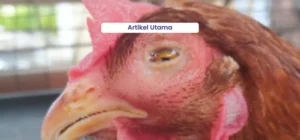
The incubation period of this disease ranges from 6-21 days with a pattern of attacks caused by CRD is relatively slow. When chickens start to contract M. gallisepticum, the infection will run for a long time and only work to infect acutely when the chicken is stressed. Clinical symptoms that appear can vary, from subclinical to difficulty breathing, depending on the severity of the disease. Visible clinical symptoms include mucus discharge from the nose and snoring. Other symptoms that appear are inflammation of the conjunctiva of the eye so that it is swollen and watery.
The thing to note from CRD is that this disease is immunosuppressive or able to suppress the chicken's immune system. CRD attacks can cause damage to the cilia in the respiratory tract so that the seeds of other diseases easily enter the chicken's body. In the field of CRD cases are often accompanied by complications with the disease colibacillosis, so it becomes a complex CRD.
Fowl cholera (greenish droppings)
Green poop is a disease that occurs quite often and can be caused by various diseases, one of which is cholera. Cholera is caused by Pasteurella multocida bacteria that can survive in soil or rotting materials for several months but is easily damaged or killed by various disinfectants and direct sunlight. The incidence of cholera disease can be triggered by several factors, such as stressful conditions due to extreme weather, excessive physical exercise, immunosuppressive disease attacks, and dirty and damp cage conditions. Chickens that have been infected with this disease and then recover can act as carriers or carriers.
Cholera is a disease that is easily transmitted horizontally by direct or indirect contact. Directly, laga chickens are infected with P. multocida after contact with sick chickens or carrier chickens that have recovered. Indirect transmission can be transmitted through a variety of media that have been contaminated with bacteria.
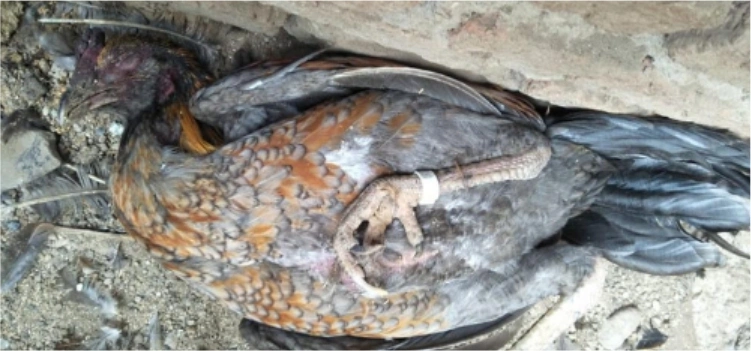
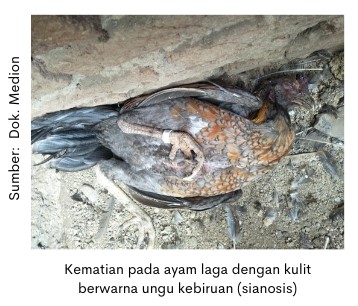
Cholera disease generally occurs in an acute form with clinical symptoms that are visible several hours before death occurs. Visible clinical symptoms include lethargy, dull plumage, increased respiratory rate, discoloration of the skin on the comb and wattle to bluish purple (cyanosis) as well as diarrhea. Diarrhea that is initially watery yellowish, then greenish with mucus (mucus). However, cholera can also take place chronically which is a continuation of the acute form due to the low level of bacterial malignancy. Visible symptoms are generally local infections such as wattles, joints, footwear, and infraorbital sinuses that appear swollen.
Handling and Prevention
CRD and cholera are both bacterial diseases that can be treated in the following ways :
- Immediately separate and place fighting chickens that appear to be starting to show symptoms of CRD or cholera in different cages (isolation cages).
- Treatment can be done by administering antibiotics such as Ultraflox-K. Ultraflox-K it is a broad-spectrum capsule antibiotic that is effective against Gram (+) and Gram (-) bacterial infections of the gastrointestinal and respiratory tract such as colibacillosis, CRD, cholera, and complex CRD in fighting cocks.
- Supportive therapy with multivitamins such as Solvit Laga or Red Power Injection to help speed healing.
- Support with good game chicken maintenance, such as smooth air circulation, clean and not damp cages.
- It is important to keep a clean sheet of paper every day, such as a sheet of paper or a sheet of paper (Neo Antisep, Medisep or Zaldes).
Of course, before the chicken is sick, it is better to do prevention first so that the fighting chickens remain healthy and avoid CRD or cholera. Prevention efforts that can be done is :
- Pay attention to the cleanliness of the cage and its surroundings by applying good sanitation and disinfection. Clean dirt daily and disinfect at least once a week with Medisep or Antisep.
- Clean and sanitize your lawn (Medisep).
- Control pests or disease-carrying vectors such as mice and flies. Use mousetraps and to reduce the population of flies can use Flytox.
- Increase the endurance of fighting chickens remains optimal so that they are not susceptible to disease. For example, by giving Solvit Laga or Red Power.
The health of the fighting chicken is important to maintain so that the body condition remains prime and resilient when competed. Therefore, efforts to prevent diseases such as CRD and cholera that often occur in fighting chickens need to be done well so that fighting chickens remain healthy.