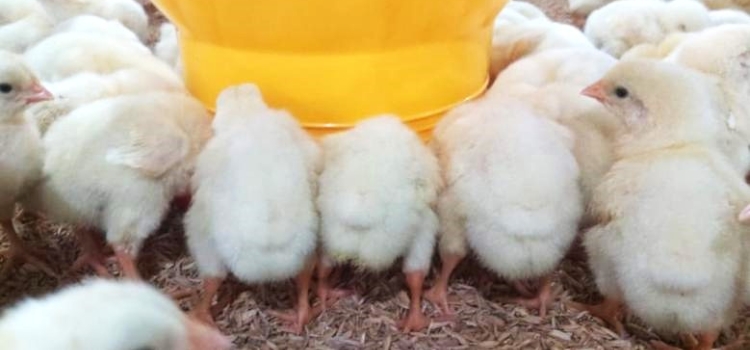
DOC acceptance management is one of the important processes and needs to be considered by farmers before starting chicken rearing. It is a good idea to have a good understanding of the quality of the materials used in the construction of the roof (hatchery) until the end of the maintenance period (harvest).
High DOC mortality rates can be caused by poor management of DOC admissions. The death rate and culling the high one, of course, entails losses for the breeder. Therefore, losses arising from this need to be prevented by proper DOC admission management.
Preparation for reception DOC
Means and prasana should be ready before the reception of the DOC. These facilities include cages, electricity, water, equipment, feed and drinking water. Before the arrival of execution chick in of course, it is necessary to prepare a comfortable and clean cage.
Faeces and litter the dirty ones should already be put in the sack and removed from the environment farm. Piles of feces are feared to be a source of disease transmission. Cleaning the cage should be done thoroughly from washing and disinfection of the cage and equipment using Formades, leak repair or perforated slat, fogginguntil the forgiveness. The rest period of the cage cannot be shortened and must be applied at least 14 days after the cage is clean to break the seeds of diseases in the cage. The outside Area of the cage should also be clean of weeds and standing water. Make sure the cage is clean and disinfected the inside and outside of the cage.
After the cage is sterile, preparation of equipment is carried out. Preparation of this equipment aims to support the maintenance of chickens in order to be productive optimally. Preparation of equipment that needs to be done, among others :
- Heater (Super Saver or IGM)
- Drinking placenipple, gallons, bell drinker)
- Feed place (DOC Feederfeed, feed trays, feed additives such as paper feed)
- Lamp (check the adequacy of light intensity)
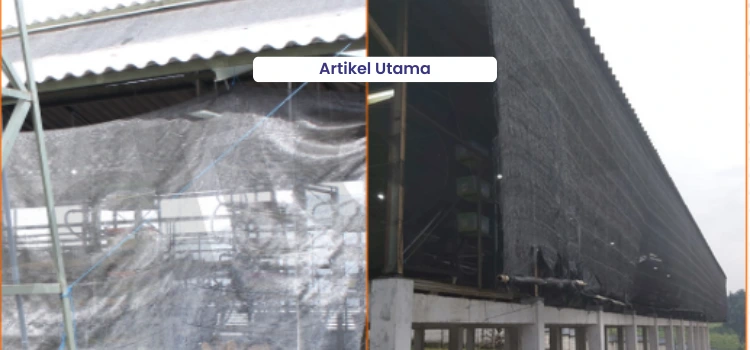
- Curtain brooding period, (outer curtain, inner curtain and curtain blocking)
- Litter (thickness litter between 6-12 cm)
- Disinfection equipment (bath and sprayer)
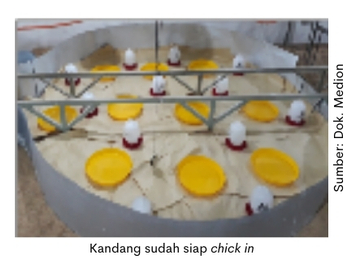
When the DOC will come to do among others:
- The heater should be turned on at least 1 hour to 3 hours before chick in (depending on regional conditions) to help get a comfortable room temperature for chickens around 33°C-35°C. Temperature litter also note about 30°C because the chicken temperature sensor is on the sole of the chicken foot.
- Do flushing water when using nipple or replacement of water with new water when using a manual drinker. Drinking water temperatures that are too high can reduce DOC's water and feed consumption so that it has an impact on DOC's weight achievement.
- Feeding to the feed bin and sowing the feed little by little to all parts of the feed bed/paper feed to facilitate DOC get access to food so as to maximize feed intake DOC agar vili-vili the intestine can develop to its full potential.
DOC admission process
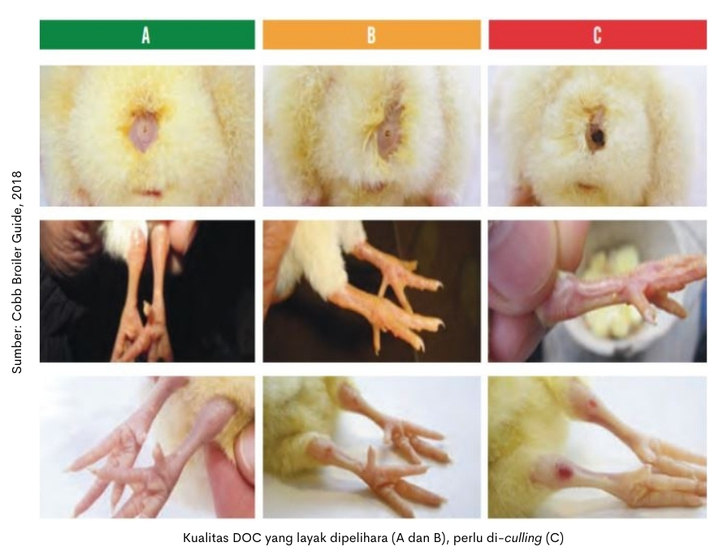
DOC acceptance process must be considered starting from the arrival of the car box DOC to Doc stocking. When the car box DOC came to be checked is the condition box, ventilation conditions in the car (chick fan), sound and motion condition DOC and file checking chick in. After completion of the check, box DOC is carefully brought to the cage to reduce DOC's mortality. Sampling 5% of the total population DOC and do the weighing to determine the average body weight DOC received. Perform Doc stocking coupled with DOC quality checking. Perform selection and quality control if you find DOC conditions that are not worth maintaining. After completing the selection and culling on DOC, record the results in the file chick in DOC.
Submit a complaint to supplier DOC when there is a minimum of 20% DOC of poor quality. Seconds chick in, give Gingertol with sorbitol content and red ginger extract to help restore Doc's limp energy and warm DOC's body. If you find there is a residual yolk in the navel that is not completely absorbed do not let it drag on because it can risk causing inflammation of the navel (Omphalitis). Grow Chicks it can help optimize the absorption of egg yolk, increase DOC's body weight, reduce DOC's mortality rate and increase DOC's endurance.
DOC Maintenance Management
After stocking DOC, things to do is to do Management brooding period, the right one. Management brooding period, is the maintenance period DOC until the heater off. Management brooding period, be important because it has a great influence on performance chicken in Phase grower and finisher- his. This initial period of keeping chickens is very important because the development of organs such as digestive, respiratory, immune, skeletal and feather organs occurs. In this phase, thermoregulation the chicken's body is also not perfect so that the chicken has not been able to adjust its body temperature to the temperature of the surrounding environment.
Things to look out for in Phase brooding period, is the environmental conditions in the cage and the comfort of chickens. Some factors that affect the comfort of the chicken include :
Ventilation or air
The air in the cage required for maintenance consists of the amount of air, temperature, humidity and air velocity.
1. Air volume
The amount of air needs in the cage must be met by regulating air circulation. umlah the need for air in the cage we must meet by regulating air circulation. Circulation settings can be set by unscrewing the inner curtain brooding period,. The curtain opening and closing settings are adjusted according to the number of fans ON, humidity, and temperature.
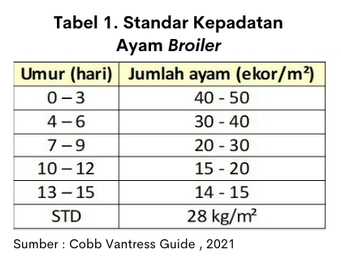
The inner curtain can be closed more tightly at night from 18.00-06.00. The inner curtain can be opened wider in the morning until evening from 06.00-17.00. Block widening brooder necessary to maintain adequate air circulation in the area brooder and it would be more appropriate if the dilation is done every day, especially in chickens broiler because chicken broiler it grows rapidly until the second week. The following standard chicken density based on maintenance age in Table 1.
2. Temperature, humidity and air speed
The temperature required for DOC is about 31°C-33°C. DOC's smaller body weight requires a higher temperature. The required humidity in the cage is about 50% -60%. The minimum air velocity at DOC is 0.3-0.5 m/s.
3. Availability of feed and drinking places
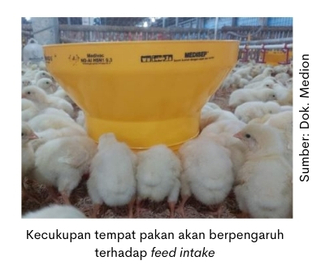
The plan for giving the number of feeders and drinking places must be determined based on the chicken population so that the chicks can get the appropriate amount of feed and there is no competition or scramble for feed and drinking water. Cache checking or crop it is necessary to find out whether the stocked chickens get enough feed and drinking water. This check is done about 4-5 hours after stocking the DOC.
4. Drinking water and feed quality
Apart from the availability of feed and drinking places, the quality of drinking water and feed must also be considered. Drinking water quality can affect the consumption of drinking water chickens. The poor quality of drinking water is mainly seen physically (clarity and color of water), bacteriology, and chemistry. Feed should also be able to meet the needs of chickens in terms of quality. Breeders need to conduct feed quality control. The easiest quality control can be done by using the five senses to identify the color, texture, shape of the particles and the presence of contamination of other materials. Feed quality control can also be carried out in MediLab to ensure the nutritional content of feed.
5. Litter
Function litter is as an insulator of the floor and as a heater, absorbs moisture from manure, reduces ammonia and keeps the soles of chicken feet. At the beginning of maintenance litter stocked with a thickness of 6-12 cm and still pay attention to the humidity conditions in the cage environment. If the conditions are very humid then it can be done stocking litter start 6 cm first and then add little by little.
6. Lighting
Minimum light intensity for the maintenance of chickens in the period brooding period, is 25 lux. The light intensity should be uniform in all areas of the cage. To make the light intensity uniform can be done with the appropriate number of lamps and types of lamps, avoid obstructing objects and keep the lamps clean.
With DOC admission management and management brooding period, the right one will make it easier to provide treatment in the next phase. Maximum performance will be easily achieved so as to provide more benefits. Greetings.