Indonesia is an archipelago that has a tropical climate, has two seasons (dry and rainy season), is on the equator, and is flanked by two large oceans, the Pacific Ocean and the Indian Ocean. These conditions cause high variations in weather, variations in the timing of seasonal changes, and increase the risk of stress due to temperature changes between day and night.
The Meteorology, Climatology and Geophysics agency (BMKG) predicts that Indonesia will enter the rainy season in September to November, and does not occur at the same time. The peak of the rainy season is predicted to occur in November to December 2025 in western Indonesia, and January to February in eastern and southern Indonesia. The duration of the 2025/2026 rainy season is predicted to be longer than its annual habit. (BMKG, October 2, 2025).
This condition requires livestock farmers to be more aware of the challenges, especially those affected by the rainy season, one of which is the increase in the incidence of disease. High rainfall will lead to increase disease predisposing factors such as high air humidity (>85%), low ambient temperature, deterioration of feed quality by fungi and fungal toxins (mycotoxins), litter dampness, decreased water quality, and increased insect populations as disease vectors (flies, mosquitoes, and other vector insects).
The physiological body temperature of poultry is higher when compared with mammals, about 38.8-40°C. Low ambient temperatures during the rainy season, will create stress that has an impact on the release of stress hormones. Hormones adenocorticotropic (ACTH) which is a stress hormone, will cause an increase in cortisol in the blood, which will then suppress the immune system, resulting in immunosuppression and slowing growth (including slowing the absorption of egg yolk in DOC). These conditions increase the risk of disease occurrence in the rainy season (Knezevic et al., 2023).
In addition, according to Zhang et al. (2011) stress conditions by low temperatures in acute conditions will cause edema and damage to intestinal epithelial cells. If the stress occurs longer (chronic), then the damage and bleeding will be more severe. This damage is likely the result of an oxidative stress response, primarily in the duodenum.
Some diseases that often appear in the rainy season include bacterial diseases (eg korisa, CRD, CRD complex, colibacillosis), viral diseases (AI, ND, IB, gumboro), as well as parasitic diseases (eg worms and coccidiosis). In addition to the above infectious diseases, there are also non-infectious diseases such as mycotoxicosis, which are also a challenge in the rainy season. In this article, we will discuss more about the digestive system problems that we must anticipate during the rainy season.
Digestive system in the rainy season
The digestive system of chickens consists of the mouth, esophagus, Gizzard, proventriculus, ventricle, small intestine (duodenum, jejunum, ileum), appendix (cecum), colon, and cloaca. Food enters through the beak, is temporarily stored in the gizzard, then chemically broken down in the proventriculus and mechanically (ground) in the gizzard. The main absorption of nutrients occurs in the small intestine, while the remains of food are further processed in the large intestine and cecum, and then excreted through the cloaca as feces.
The rainy season often brings challenges for chicken farmers, especially during brooding period,. The combination of cold and damp weather can inhibit the development of DOC's digestive tract, which ultimately affects the growth and overall health of the chicken. The intestinal Villi and other organs cannot develop optimally, as the energy would be used a lot to warm the body. This will be a problem in the future if not managed properly.
In adult chickens, the extreme temperature difference between day and night in the rainy season can affect and potentially degrade the work of the digestive system. At night the ambient temperature tends to be low, it can reach 16-18°C. This will lead to stress that weakens the immune system and makes chickens more susceptible to infections, both in the respiratory and digestive tracts. In addition, an increase in stress hormones in the body will also increase intestinal motility (peristalsis) and the rate of blood filtration in the kidneys. As a result, water absorption in the colon will decrease, inflammation occurs, and urine production increases (Tellez-Isaias et al., 2023). Aggravated by high environmental humidity, causing litter becomes often wet and damp. Litter this wet one becomes a good medium for bacteria to break down the rest of the proteins in the feces, to be converted into ammonia (Nh₂). This makes the situation worse if not followed by good ventilation arrangements. Ammonia will evaporate and irritate the chicken legs resulting in footpad dermatitis and scraping of the upper respiratory tract of chickens. Condition litter the damp becomes a suitable atmosphere for coccidia parasites to multiply.
Coccidiosis in chickens
Coccidiosis is a parasitic disease of the gastrointestinal tract caused by Eimeria sp. This disease often affects chickens kept in postal cages (both broiler or layer), leading to decreased growth rate, increased FCR, mortality, and increased susceptibility against other diseases. The proliferation of coccidia requires suitable humidity and temperature for the maturation of its oocyst. This condition is very suitable during the rainy season. Here's the life cycle of Eimeria sp.
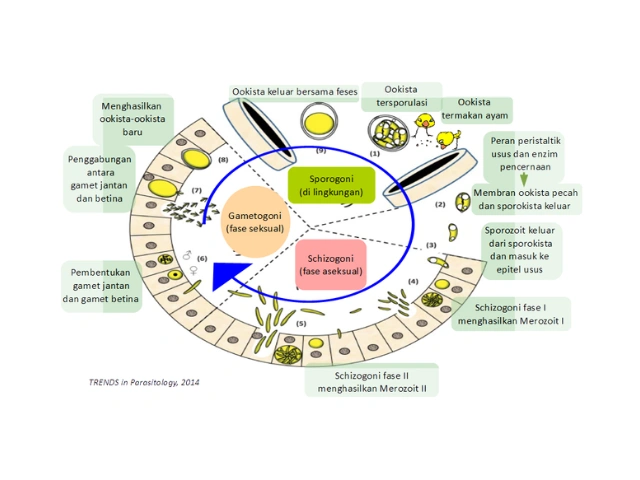
Eimeria life cycle sp.
An important phase that can cause infection (infective phase) in chickens is the phase of sporulated oocysts that come out with feces. This sporulation process requires a humid and warm atmosphere in the environment, which will then infect the chicken that ingests the oocyst. During the process of its development in the digestive tract, coccidia will nest in the lining of the intestinal mucosa, then damage it during the oocyst removal process. This process results in symptoms of defecation when an infection occurs. The effect is impaired absorption of nutrients from the feed, followed by a decrease barrier digestive tract, thus becoming the entrance gate for other infections such as necrotic enteritis (NE), gumboro, atau ND.
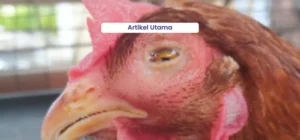
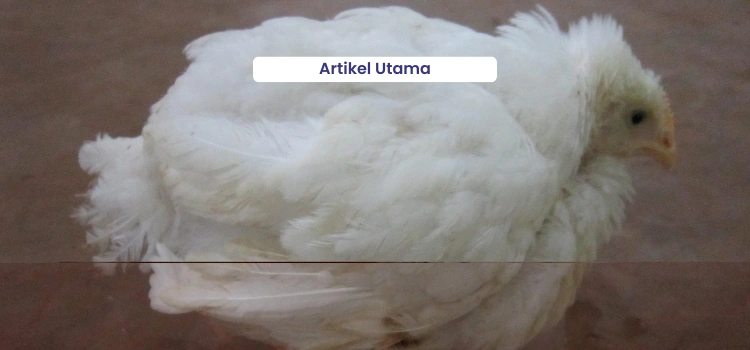
In general, coccidiosis is characterized by clinical symptoms in the form of lethargic chickens, pale face and dull feathers, accompanied by bloody diarrhea. Feces mixed with blood is caused by the life cycle of coccidia that damage the intestinal tract.
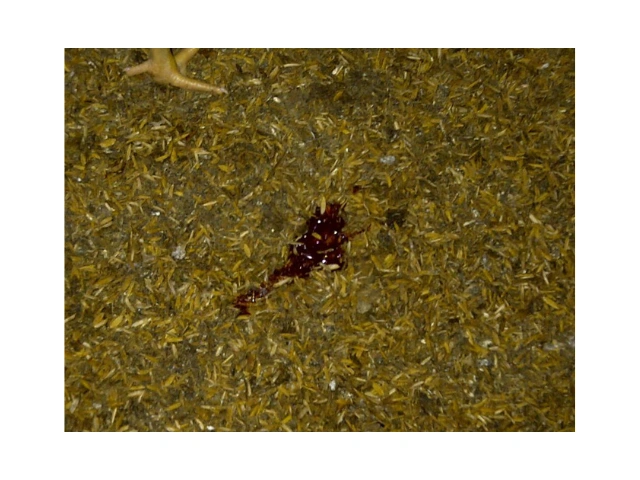
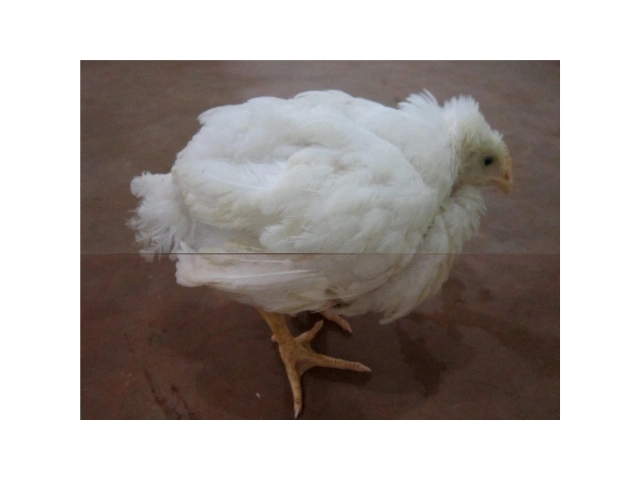
If surgery is performed, the inside of the intestine will experience inflammation with papaya red intestinal contents. If the infection occurs in the cecum, it will be enlarged with a dark red color filled with blood.
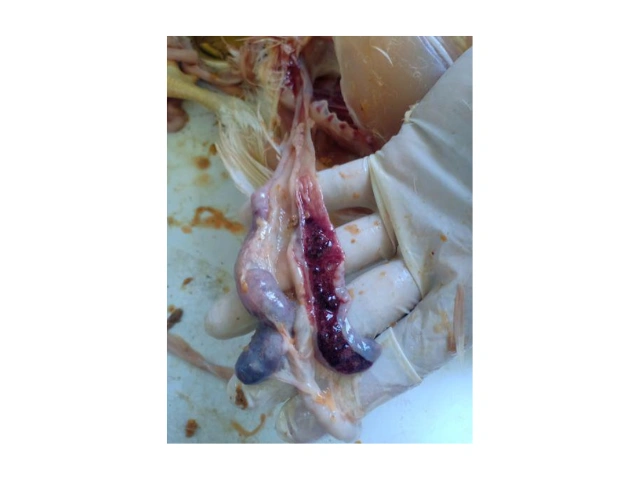
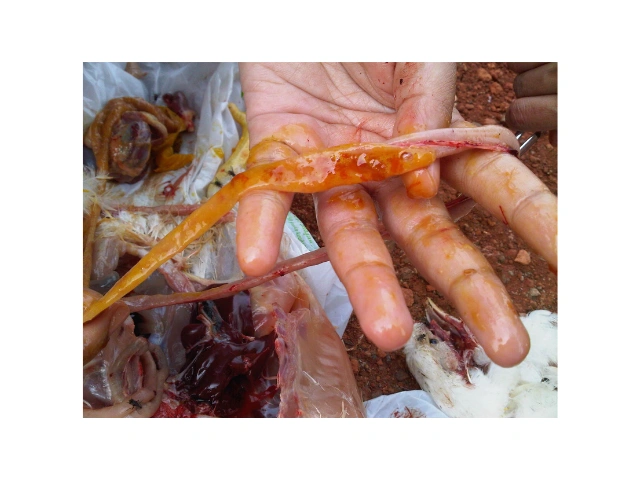
Coccidiosis causes damage to the intestines as well as the digestive local defense system (lymphoid organs). The impact of this lymphoid organ damage causes other diseases to infect easily such as necrotic enteritis. This coccidiosis will get worse if it is in conditions of high density, wet litter, and poor ventilation. Thus, treatment should be done as early as possible using antikoksidia such as Toltradex or Amprosid, followed by good litter management.
Komplikasi Koksidiosis dan Nekrotik Enteritis (NE)
Necrotic enteritis caused by bacterial infection Clostridium perfringens. These bacteria produce toxins in the form of Alpha and beta toxins that will damage the intestinal wall. This makes the process of digestion and absorption of food juice disrupted, causing smallness and failure of production. Necrotic enteritis is characterized by a collection of gases in the intestinal cavity followed by thickening of the mucosa and the formation of intestinal towels.
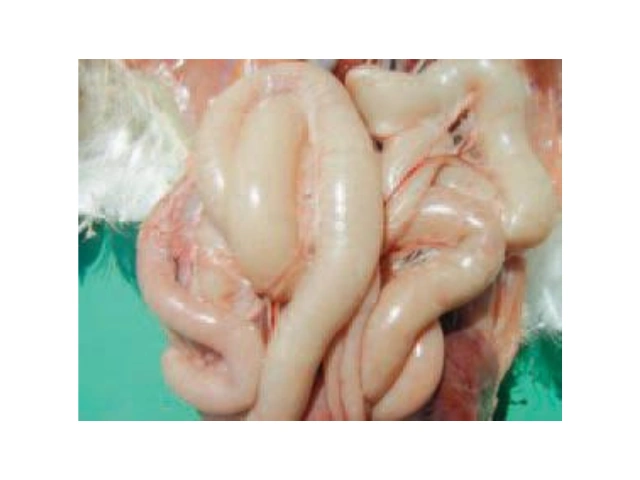
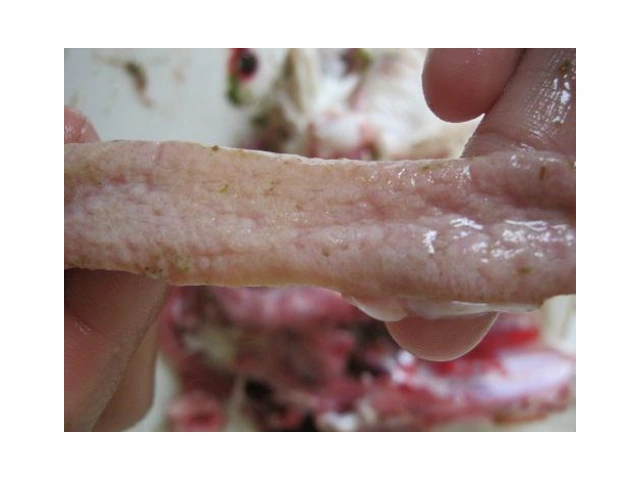
Coccidiosis conditions that occur prolonged and have not been handled thoroughly are often followed by bacterial infections Clostridium sp. resulting in co-infection. This bacterial infection can occur due to the destruction of the intestinal mucosa due to the proliferation of coccidia, which also decreases its local defenses. Clostridium sp. the increased amount in the intestine and producing toxins results in lesions in the form of mucosal tissue death characterized by thickened, pale-colored intestines, and decreased nutrient absorption ability (Wiedosari and Sani, 2020).
Treatment that can be done to control the co-infection of the two diseases with sulfonamide antibiotics and ionophores (Oh et al., 2018). Products that can be used include Therapy or Fithera. Fithera is an herb that can work as an antibacterial (damaging bacterial cell membranes) as well as antiprotozoa (forming barrier in the intestinal villi so that the sporozoites cannot enter the intestinal wall and will be excreted with the feces). Control in this way is considered one of the most effective next to the use of chemical antibiotics, with the advantage that there is no residue. Dosage Fithera recommended for treatment against bacteria is 0.4 ml per kg body weight, while for coccidiosis is 0.2 ml per kg body weight.
Treatment of coccidiosis should not be administered simultaneously with B vitamins, since B vitamins are important nutrients for parasites Eimeria sp., causes of coccidiosis. If administered at the same time, B vitamins can accelerate the development of parasites, which will ultimately aggravate the infection and make anticoxidia treatment (coccidiosis drugs) ineffective. It is better to treat coccidiosis according to the dosage and duration first, and then therapy supportive and the administration of vitamins after the course of treatment is completed. It is recommended to use vitamins A and K. Vitamin A serves to accelerate the healing of the intestinal mucosa due to coccidia infection, and vitamn K serves to stop bleeding and accelerate wound healing on the damaged intestinal mucosa. Multivitamins that can be used include Fortevit or Broiler Management Vita.
Colibacillosis in the rainy season
antangan which also increases in number during the rainy season is colibacillosis. The disease is caused by bacteria Escherichia coli which is a normal microflora that is in the gastrointestinal tract, Gram-negative, non-acid-resistant, and non-spore. In abnormal conditions, such as a decrease in body immunity and too high contamination E. Coli infection in the body, these bacteria will turn into pathogens. Incidence of infection E. Coli infection in chickens generally caused by strains Avian Pathogenic E. bra (APEC) that infect through water contamination, litterair, and dirt. The high level of ammonia and the irritation of the respiratory tract are predisposing factors that favor the occurrence of colibacillosis.
Colibacillosis can occur in the form of a primary infection (single infection E. Coli infection only) and secondary infections following other diseases such as CRD, korisa, IB, ILT, SHS, or other diseases. Predisposing factors for colibacillosis are too high a density of the cage, poor air ventilation, poor quality litter poor, and low quality drinking water. This is what makes the prevalence of colibacillosis high in the rainy season.
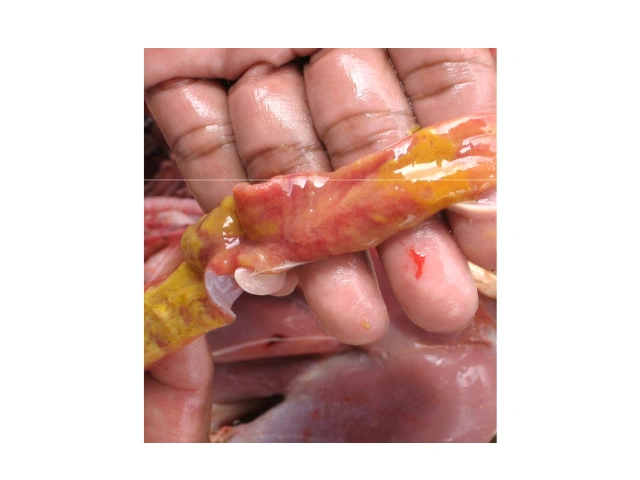
Colibacillosis infection of the gastrointestinal tract is characterized by diarrhea and the presence of inflammation in the form of redness of the intestinal mucosa. This condition if left untreated will interfere with the process of food digestion, and become a systemic disease.
Dysbacteriosis
Dysbacteriosis is a condition of imbalance of microflora in the gastrointestinal tract, which is generally characterized by an increase in the number of opportunistic bacteria and a decrease in beneficial bacteria. This condition can cause various losses, including decreased digestive function, General Health, production performance, and the welfare of the poultry itself. The factors that cause this dysbacteriosis are very varied, ranging from ration factors, inappropriate administration of antibiotics, fungal toxins or mycotoxins, and the number of bacteria themselves.
Predisposing factors for the occurrence of dysbacteriosis include stressful conditions, damage to the tissues of the gastrointestinal tract by parasitic infections, as well as environmental stress. In the rainy season all three factors can affect simultaneously. For example, temperature stress at night in small chickens with a rudimentary thermoregulatory ability, can reduce chicken immunity. It can decrease the number of bacteria Lactobacillus and Bifidobacterium, as well as increasing the number of bacteria coliform and clostridium (Fathima et al. 2022).
Symptoms of dysbacteriosis are manifested by diarrhea and foul-smelling feces. This unpleasant odor is caused by the content of unabsorbed nutrients (eg protein), damage to intestinal tissue, and gases resulting from bacterial metabolism. In addition, dysbacteriosis also increases intestinal motility and mucus production of the gastrointestinal tract.
Findings in the field indicate that the condition of dysbacteriosis is closely related to the disease coccidiosis, necrotic enteritis, and colibacillosis. These three diseases are most common in the run-up to and during the rainy season. This is important because of the losses caused, namely in the form of a decrease in production (both meat and eggs) and the high value of FCR. So it takes a thorough effort to maintain the health of this digestive tract. Here are important factors that can be controlled to avoid the condition of dysbacteriosis in poultry.
1. Maintain drinking water quality
Good drinking water quality is shown by good physical character (clear, odorless), good chemical character (neutral pH, not hard), and good biological condition (free from contamination of pathogenic bacteria such as E. Coli infection and Salmonella sp.). Based on the data collected, contamination E. Coli infection it tends to increase during the rainy season. Based on this, it is better to check the quality of water sources periodically, especially during the change of season or the transfer of new water sources. In addition, regular cleaning of drinking water installations is also needed in an effort to prevent the formation of biofilm. Water quality testing can be done at Medion Laboratories or in any other certified laboratory. If necessary, sterilization of drinking water can be carried out by Medisep, Zaldes, or Neo Antisep.
2. Minimize weather stress
Reducing stress at the time of the change of seasons and sudden changes in weather, it is necessary to maintain good immunity. Avoid and minimize stress-causing factors such as moving cages, vaccination treatments or uncomfortable cage environments. If indeed these things must be done, it should be done carefully so that there is minimal stress. Application of the system closed house it will be very helpful in creating a comfortable atmosphere in the cage. To increase endurance and overcome stress, multivitamins can be given in the form of Vita Stress or Fortevit.
3. Maintain feed quality
A good ration should be given in accordance with the standard values of the required nutrients. Also, avoid using moldy feed. If, during storage, the feed is contaminated with mold, it can be given mold inhibitor for example Fungitox to limit mold growth. During the rainy season should add toxin Freetox to bind fungal toxins to feed. Long-term accumulation of these mycotoxins will lead to immunosuppression, metabolic disorders in the liver, and kidney damage. If this happens again, give Freetox-G which contains toxin and hepatoprotectors to maintain liver function. Combination with the administration of such high doses of vitamins Fortevit and Top Mix HC will accelerate tissue repair in the event of mycotoxicosis.
4. Maintain microbial harmonization in the digestive tract
A healthy gut microbiota balance is critical to preventing disease, optimizing nutrient absorption, and improving overall chicken performance. Things that can be done are as follows:
Administration of probiotics: adding good microbes such as Lactobacillus and Bacillus into the feed or drinking water of chickens. This administration helps maintain the balance of the intestinal microbiota, especially after antibiotic treatment or when the chicken is under stress.
Use of prebiotics: Prebiotics are compounds that serve as “food” for good bacteria, such as mannan-oligosaccharides (MOS) and inulin. These compounds stimulate the growth of beneficial microbes and inhibit the colonization of pathogens.
Addition of organic acidsAbstract: the administration of organic acids into feed or drinking water helps kill pathogenic bacteria, promote the growth of good bacteria, and improve the digestibility of feed. Asiges contains a beneficial combination of organic acids to kill pathogenic bacteria, maintain intestinal health and improve feed digestibility.
Feed enzymes: Add feed enzymes, such as xylanase and β-glucanase, to help chickens digest nutrients more efficiently. This enzyme can reduce the number of pathogenic bacteria and increase the population of good bacteria. Products that can be used include Entrozyme. Entrozyme is a powder preparation containing lysozyme which acts as growth promoter (dose: 0.025 g / kg bw) can be given via drinking water or feed.
Gradual feed changeTip: Do not change feed formulations abruptly. Make the feed transition slowly so that the gut microbiota can adapt.
There is a ban on the use of Antibiotic growth promoter (AGP) in feed to control unwanted microbes, encouraging Medion to continue to innovate to create herbal products that have similar functions to the use of AGP, namely Natural Growth Promoter (NGP). NGP is a natural additive to help the growth of animals, for example probiotics, prebiotics, enzymes, and phytobiotics (herbs) whose function is to increase production and maintain the health of livestock without providing negative effects on soil and humans.
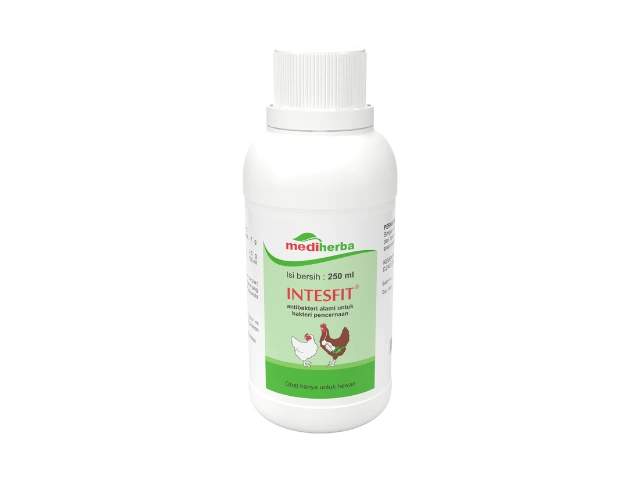
One of the products of NGP Medion is Intesfit, which is a herbal antibacterial for digestion that can accelerate the healing of cholera and necrotic enteritis. The content of the active ingredient andrografolid in the product Intesfit will work by inhibiting the formation of bacterial DNA and prevent the formation of colonies of pathogenic bacteria. In addition, other active ingredients will adhere to the bacterial cell membrane, and then damage the cell membrane, so that the bacteria will die from the damage. Intesfit form of liquid preparations, making it very soluble and friendly to use on dosing pump also nipple drinker. The recommended dose is 1 mL/L of drinking water, administered for 5-7 days.
Strategies To Cope With The Rainy Season
Strategies for dealing with the rainy season that can be done include Good cage management, regular hygiene and sanitation, proper feed and water management, as well as increasing chicken immunity through vaccination and vitamin administration.
- Cage management
- Repair leaking roofs or walls to keep the cage dry.
- Maintain good air circulation to control ammonia levels and maintain cage temperature.
- Fix drainage by making a small ditch around the cage and make sure the water drain is working properly to prevent puddles.
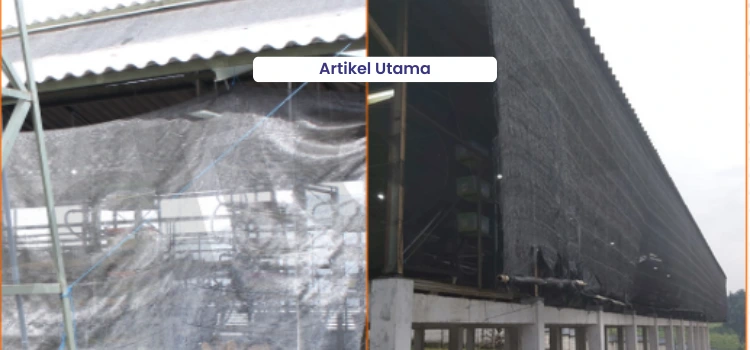
- Perform a cage curtain opening and closing system to control airflow and temperature when needed.
- Hygiene and sanitation
- Do regular cleaning and disinfection of the cage to reduce bacterial and viral contamination in the cage. Spray the cage can be done 2x a week using disinfectants that are safe if exposed to chickens, such as Desinsep, Antisep, Neo Antisep or Medisep.
- Clean the drinking place every day and feed place regularly to prevent bacterial and fungal contamination.
- Control insects such as flies and mosquitoes that tend to increase during the rainy season.
- Feed and water
- Pay attention to the storage of feed in a dry place and good air circulation. Add Fungitox if necessary to prevent mold from growing on the feed.
- Provide clean, contamination-free drinking water. Sanitize drinking water if necessary, for example by adding regular disinfectants.
- Avoid excess feed residue in the feed bin so that it does not become a source of ammonia.
- Chicken health
- Keep a regular vaccination program on schedule and consider giving multivitamins and electrolytes to help chickens cope with the stress of extreme weather. Administration of amino acids such as Aminovit it can boost immunity and create a sense of warmth from within.
- Observe the condition of the chickens periodically to detect symptoms of the disease earlier.
- In keeping small chickens, add heating or increase the temperature of the cage if the chicks (DOC) show signs of cold.