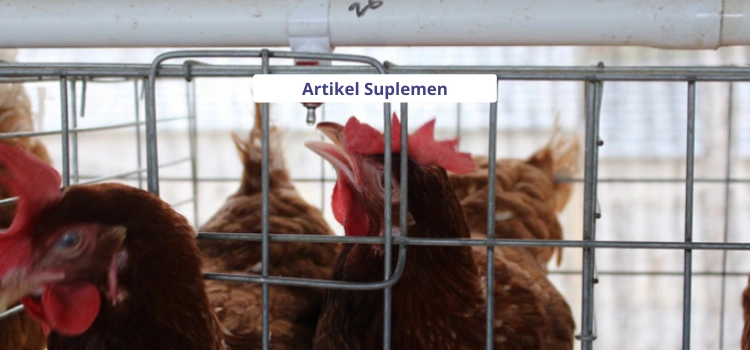
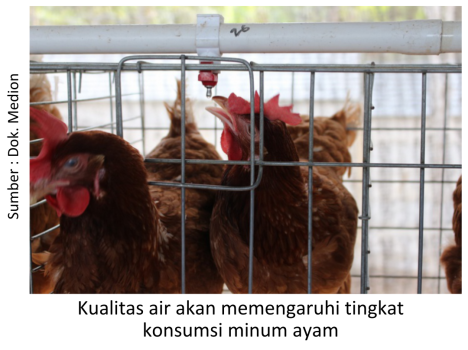
Water plays an important role in the success of livestock farming, because without enough water, the survival of livestock will be disrupted. Water becomes 70% of the largest constituent component for the chicken's body because it is needed in the metabolic process, regulates body temperature and helps the process of digestion and absorption of food substances.
Chickens should be given a sufficient amount of drinking water with good quality that is free of pathogenic microbes to minimize the risk of disease. Moreover, the quality of drinking water that is not considered can be a medium for the spread of disease.
Water quality problems on farms
The physical quality of water that is problematic is generally related to the number of bacteria that exceeds the standard limit. So that these conditions can cause changes in smell, color and water becomes cloudy which has an impact on the increased risk of disease and decreased consumption of chicken drinking water. The dominating disease problem is still about contamination E.bra and coliform. One of the triggers that are rarely noticed but need to be aware of, namely the emergence biofilm in the drinking water pipe.
Biofilm and its impact
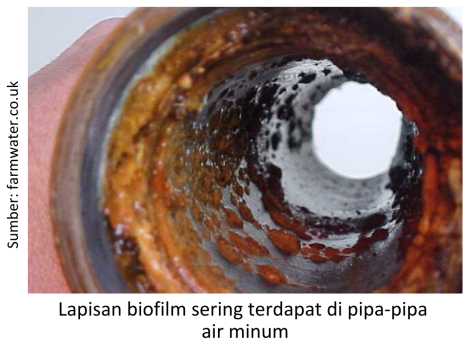
Biofilm it is an accumulation of microorganisms that stick to wet/closed surfaces (such as drinking places, water tubs, water pipes) and form a thin slimy layer containing proteins and polysaccharides. Biofilm consists of many minerals, as well as slime which is a layer of mucus. Slime it appears normally, due to the growth of algae and other microbes including bacteria E.Col.
In general, the formation biofilm in drinking water pipes (or other surfaces) can be triggered by several things such as pipes exposed to solar heat continuously, the remaining use of antibiotics or vitamins through drinking water that is not cleaned, hanging water pipes, etc.
Biofilm formed starting from bacteria carried in water attached to the pipe wall. Bacterial cells will gather and attach so that later develop in forming biofilm. Biofilm those that have accumulated large will later break and re-spread bacteria and microorganisms more.
If not treated immediately, the growth of this biofilm can cause several problems such as the following:
- Clogging nipple drinker or plumbing. Water so smelly is also the impact of bacterial growth in biofilms.
- Source of disease Media development of pathogenic microbes (eg : E.bra, salmonella sp, etc). As well as the biofilm this will be used as a hiding place for Disease seeds so that they can be protected from disinfectants (because it is relatively difficult for disinfectants to penetrate).
- Lowering the effectiveness of medicines, vaccinations and vitamins via drinking water Biofilm can reduce the efficiency of water distribution (blockage) so as to reduce the capacity of pipes to drain water containing drugs and chickens do not get the optimal dose of treatment. Presence biofilm (bacterial substrate) is also included in the organic material that can reduce the effectiveness of treatment because it blocks the contact between the drug and the disease.
How To Deal With Biofilms
Therefore, it should be necessary to periodically control biofilms with the following methods:
1. Pre-Treatment
Minimizes the accumulation of organic material / nutrient-rich material, because it can provide many resources that support growth and maturation biofilm. Biofilm formation in drinking water pipelines can be triggered by several things such as residual use of antibiotics/vitamins via drinking water.
2. Ultrasonic wave
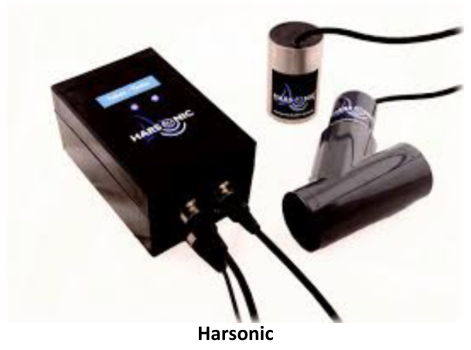
Biofilm also can be prevented by the use of sound waves by installing the device Harsonic. Harsonic will emit ultrasonic waves so that it can shed biofilm on the pipe wall and prevent the re-formation of biofilm. Using ultrasonic wave system with Harsonic to decompose and eliminate biofilm so it is easy to clean.
3. Flushing combined chemical substances
Biofilm can be removed by physical treatment such as by pipe cleaning using cloth-Fed wire ends or flushing. Flushing by cleaning drinking water pipes using high pressure water (about 1.5-3 bar) or with a water spraying rate of 1 minute every 30 meters of paralon pipe. Flushing can be done routinely, especially after giving antibiotics, vitamins, and vaccines through drinking water. Rinsing with clean water will loosen substances that contribute to biofilm and clean the remnants that can clog the equipment. At least 1-2 months do flushing (spraying pressurized water) on paralon to minimize the formation of biofilm. We also have to clean and disinfect the water reservoir. Drain the torn at least once every 1 month or when the cage is empty. Before it is done flushing we recommend that the water pipe be emptied first until there is no remaining water. Action flushing it would be better to help with Bioflush.
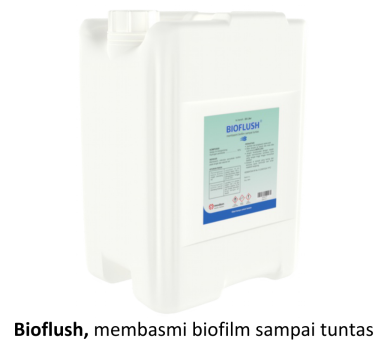
Bioflush it is a disinfectant containing hydrogen peroxide which has a broad spectrum and is effective in fighting various microorganisms, such as bacteria, viruses, fungi and spores. Hydrogen peroxide works by producing hydroxyl free radicals that attack membrane lipids, proteins, DNA, and other important cell components, causing damage to these components resulting in death in microorganism cells. So that Bioflush effective in eradicating causative microbes biofilm in water tanks and pipelines on poultry farms.
Bioflush has 2.22 x higher effectiveness at killing bacteria E.bra compared to Phenol. Bioflush also safe can be used for disinfection of cage contents and has a low level of irritation to livestock as well as the skin of human hands. Bioflush does not affect the smell, taste and color of livestock drinking water so as not to cause stains on torn/drinking water pipes. Bioflush also safe to use on equipment cages made of metal/iron because it does not cause rust. The dosage for using Bioflush is as follows:
- Severe biofilm lightweight (fill cage):
Dissolve 10 ml / 100 liters of water. If needed can be increased up to 20 ml/100 liters - Severe biofilm severe (empty cage):
Dissolve 1-3 liters/100 liters of water and leave for 12-24 hours contact then rinse with clean water
Water quality becomes problematic if not handled properly. It is therefore important to pay attention to the appearance of biofilms in equipment and drains so as not to add triggers to disease problems on the farm.