As a fighting chicken, the physical condition of a strong and proportional fighting chicken is very important. An athletic, upright, solid posture and sturdy bones are good capital to become a champion. With sturdy bones, chickens have greater strength when competing.
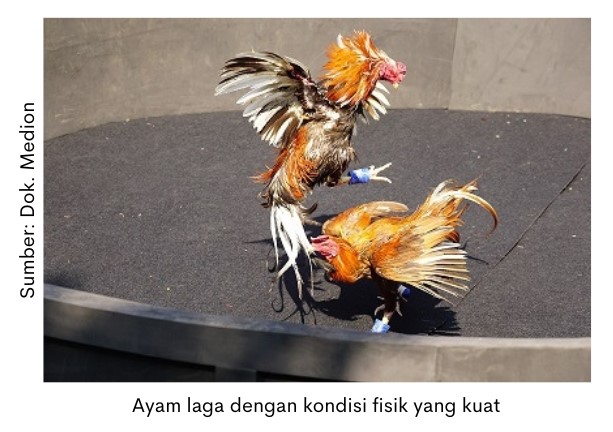
Bone formation should be observed from the very beginning of preservation. From painstaking care and training to meeting nutritional feed needs. One of them is mineral components that play an important role in bone formation.
Minerals are inorganic compounds that play an important role in physiological processes, both for growth and health maintenance. Minerals are divided into macro-and microelements. Macro minerals such as Ca, P and Na play an important role in the physiological and metabolic activities of the body, while micro minerals such as Mn, Cu, Zn, I and Fe play a role for the activity of enzymes and hormones in the body.
Good bone growth can be seen from several aspects such as the chest or body circumference, the thickness of each bone segment, the density of the space between the joints, especially the base of the neck and the strength or hardness of the bones. One of them that is often a cause for concern is a large, hard and unbending sternum.
The problem that is often complained of hobbyist chicken fight is bone growth that is less than perfect, such as:
- Bone growth disorders such as Crooked sternum
- Fat body fat and legs become weak
- Paralyzed chicken
For optimal bone growth, genetic factors do have a role but it is not enough. Need hobbyist intervention in feeding with balanced nutrition is very important in supporting optimal chicken growth. Such as the adequacy of calcium, phosphorus and vitamin D3.
In order for the fighting chicken to grow up with strong bones, it is necessary to be patient and tenacious in the care of chickens from puppies. Some attempts to form a strong fight chicken bones include:
- Chickens come from quality breeders with good posture and bone growth. Brood that has good mineral levels will produce good chicks anyway. However, chicks from good parents do not necessarily grow into good chickens if kept with a diet and care that is not considered.
- Optimize growth at the beginning of the maintenance of the age of 0-5 weeks. In order for the maximum growth of fighting chickens, patience and perseverance in care are required. Critical period or golden age growth of fighting chickens at the age of 0-5 weeks. The care of fighting chickens in the early weeks must be intensive so that the critical period can be passed well. And try to keep chickens healthy so that the growth period is not disturbed.
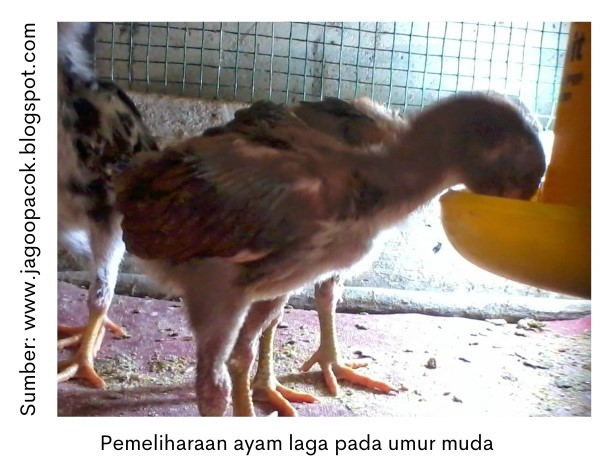
- Nutritious feeding for fighting chickens. Add minerals to the Feed containing macro and micro minerals such as Mineral Feed Supplement A. Macro minerals calcium, phosphorus and sodium play an important role in the physiological and metabolic activities of the body. This mineral supplement helps optimize growth as well as prevent paralysis, crooked legs and lack of blood.
- Providing supplements to maintain appetite, health, and help optimize the growth of chicken bones to be strong. Calvita which contains multivitamins and minerals. Vitamin D3 serves to increase the absorption or absorption of calcium and phosphorus so that the fight chicken bones become strong and ready to compete. While the content of vitamin B complex can prevent paralysis. Calvita can be programmed from 3 months of age.

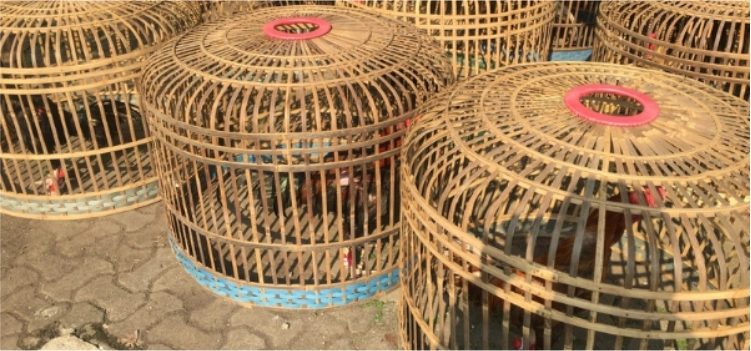
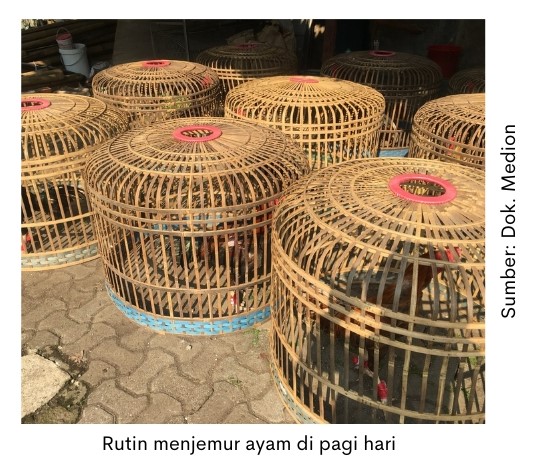
- Routine drying chicken in the morning. The goal is to make the chicken become more passionate, maintain health, build muscle and get vitamin D. In addition, accustom chickens to warm conditions.
- Giving physical exercise so that the chicken is trained and agile movements. This is certainly a supporting factor so that the growth of chicken bones is more optimal and the joints are not stiff. Examples of these exercises include umbaran, swimming and light gymnastics.