Ration is the main component in the maintenance of laying hens. The cost of rations is the largest of the components of the cost to produce an egg. Ration with good quality, which is in accordance with the needs of chickens, will greatly affect the achievement of optimal performance.
The types of rations used by laying hen farmers include finished rations, concentrated rations and self-mixing rations (making their own rations). Self-mixing rations have been widely used by farmers, especially farmers who focus on productivity and competitiveness. Self-mixing rations usually have the cheapest price compared to concentrate and finished rations, although sometimes the price can be more expensive due to increased raw material prices. However, in terms of the quality of the ration, the nutritional content specifications will usually be higher. This is done as a back up or safety margin on the raw material ration used by farmers. In addition, self-mixing rations are more flexible or easier to adapt to the conditions of chickens. Mainly from the level of feed intake( ration consumption), the variety of raw materials ration and the level of chicken production.
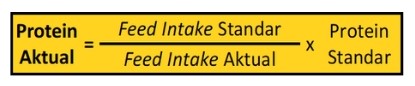
When laying hens enter the initial period of production, it is usually difficult to reach the level of ration consumption (below the standard, Ed). One solution so that the intake of ration nutrients can meet the needs of chickens to produce eggs is to make changes to the ration formulation, which increases nutrient density. If with a target feed intake of 110 g/head/Day chickens need a ration with a protein content of 17.7% asar (ISA Brown production phase, 2021), but when the ration consumption is only reached 105 g/head / day, then we can change the crude protein content to 18.54%. By increasing the crude protein content to 18.54%, the laying hens will get the same nutritional intake as those who consume rations of 110 g/head/Day. And this becomes easier to do and apply if you use self-mixing rations. The above calculations if formulated are listed below :
Formulasi Ransum Self Mixing
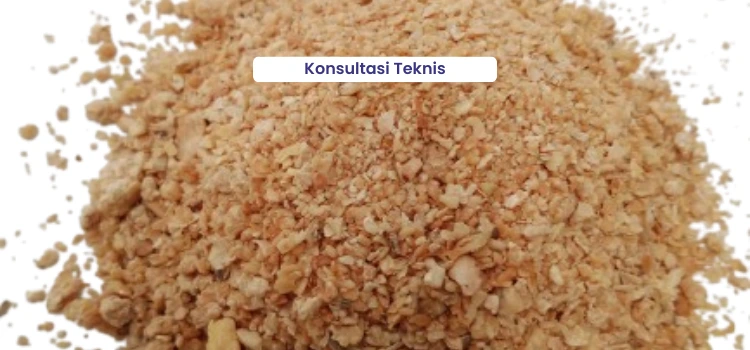
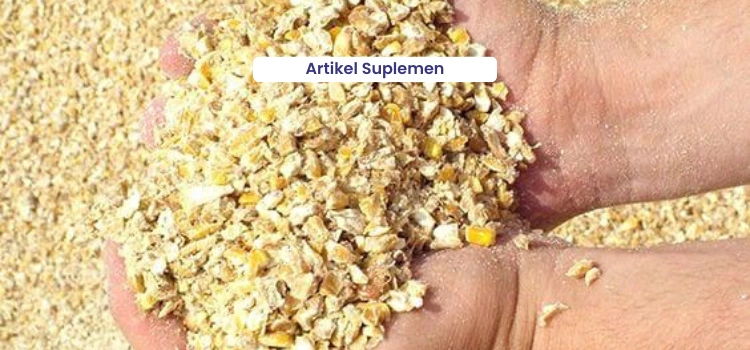
Bahan baku ransum yang digunakan untuk self mixing antara lain jagung, bekatul, bungkil kacang kedelai (soybean meal, red), tepung daging dan tulang (meat bone meal, red), tepung batu, grit batu, monocalcium phosphate (MCP)/dicalcium phosphate (DCP), garam, sodium bicarbonate dan premix.
A. Starter Laying Hen Formulation
Formulation of self-mixing ration for laying hens starter phase is still not so much to apply. Although some breeders have started self-mixing starting from the age of 1 or 10 days. When we do the formulation ration of laying hens the starter phase needs to pay attention to the degree of digestibility of nutrients. This is because the metabolism of laying hens in the starter phase is not perfect. The use of enzymes should be strengthened so that the chickens are able to optimally digest the raw materials.
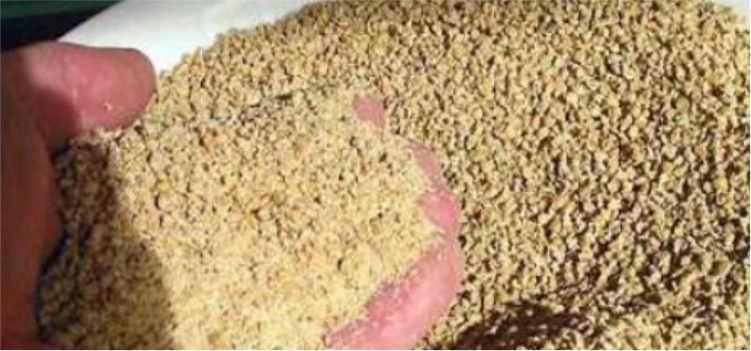
The average farmer still uses the finished ration from the manufacturer, in the form of crumble or fine crumble. Rations from this manufacturer can be said to be rations that have been processed or cooked (heated during the conditioning stage). This process can improve the homogeneity of the ration, uniform texture of the ration and improve the digestibility of the ration.
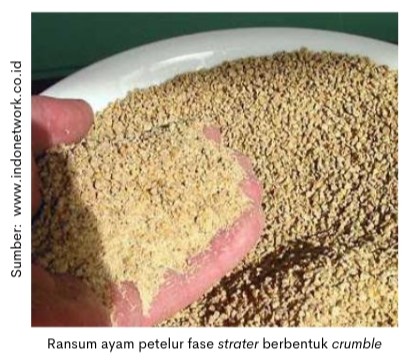
When using the finished ration from the manufacturer, we need to monitor the stability of its physical qualities, from texture, color, smell and, if necessary, chemical testing can be carried out, through MediLab. When the performance of laying hens weight achievement starter phase is not achieved, then immediately evaluate the achievement of daily feed intake. Also check the health status, especially diseases that disrupt the gastrointestinal tract, such as coccidiosis, necrotic enteritis, colibacillosis, etc. Perlu sekiranya ditambahkan premix, seperti Mix Plus LGM13A atau Mix Plus LGM123A dengan dosis 1-5 kg/ton.
B. Formulation Of Laying Hens Grower
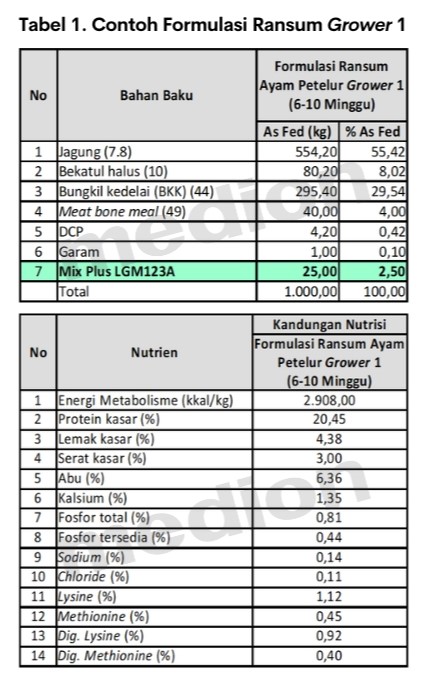
Laying hens aged 5 weeks can already be given a self-mixing ration. The ration of laying hens in the grower phase is divided into 2, namely grower ration 1 given from the age of 5-10 weeks and grower ration 2 given at 11-16 weeks.
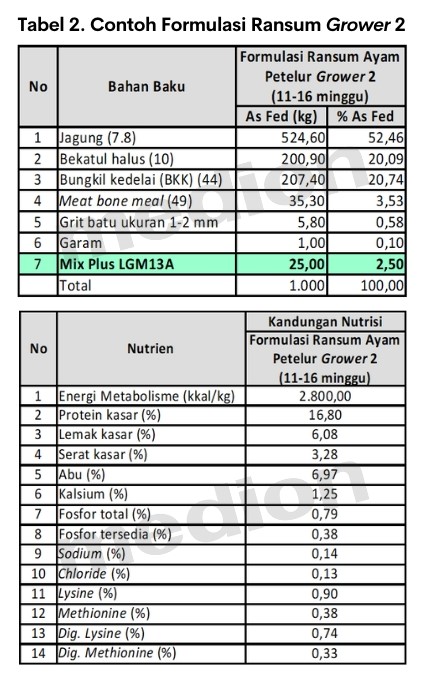
- Pre-Layer Laying Hen Formulation Chart 3. Examples Of Pre-Layer Ration Formulations
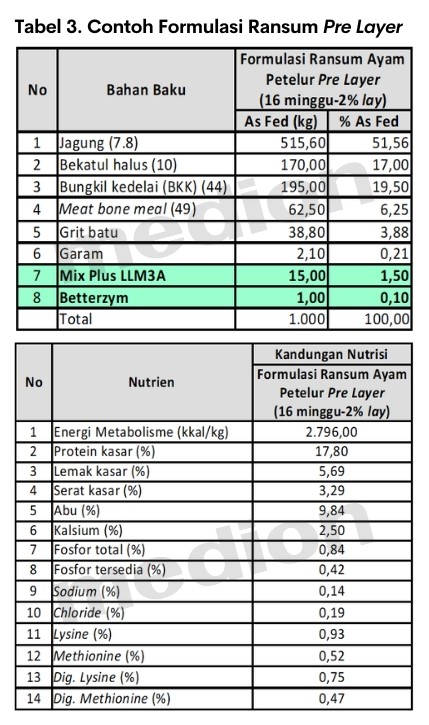
This pre-layer laying hens ration can be specially formulated, or use mixing between grower 2 rations with production laying hens rations. This pre-layer ration serves to transition the grower's ration to the layer. Where the calcium content of this pre-layer ration ranges from 2%. The administration of this pre-layer ration is 16-18 weeks.
C. Layer Laying Hen Formulation
Sample formulation of layer laying hens ration (production period), feed intake 115 g / head / Day with premix Mix Plus LLM3A/Mix Plus LLM3B with complete raw materials. Layer phase laying hens ration formulation is adjusted to the target feed intake. In addition, ration formulations for young and old laying hens (>50 weeks) should preferably be differentiated.
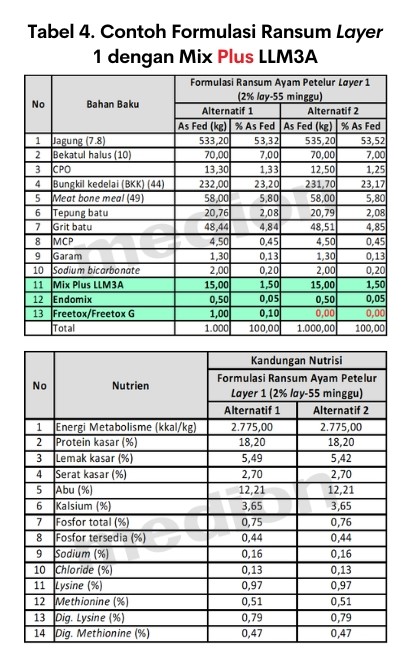
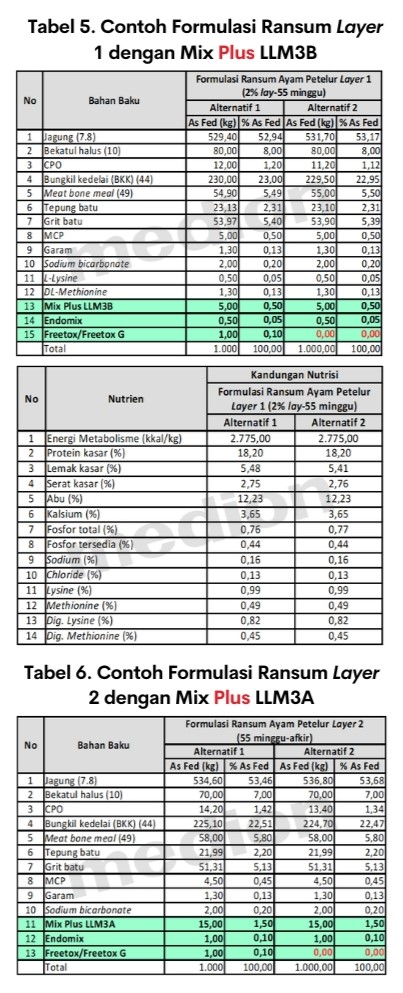
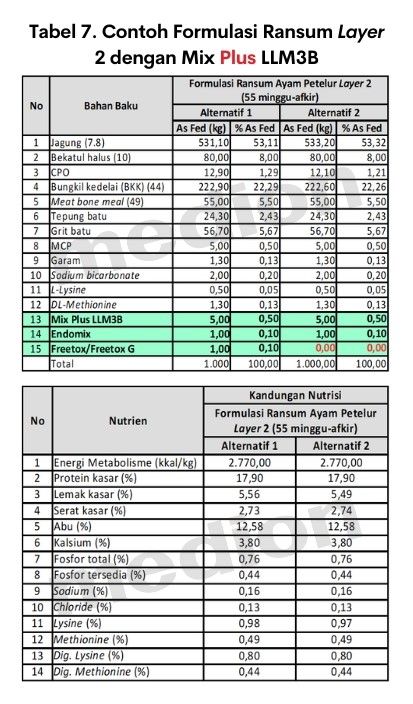
The formulation of self-mixing laying hens ration above is an example of a formulation that has been applied by farmers. This formulation can be changed according to the conditions of each breeder. Formulasi ini diolah menggunakan “Brill Formulation Software” yang menerapkan least cost formulation (formulasi dengan biaya termurah). All nutritional data of raw materials in the table serving based on various sources. Let's optimize the quality of the ration so that it can produce good laying hen performance with efficient costs. It is hoped that farmers will be able to increase competitiveness and increase profits so that they can develop and grow together Medion Ardhika Bhakti. Success always.