Mr / Mrs Ari
Email: arilibra77@gmail.com
How to anticipate heat stress chronic that occurs in the dry season in the cage open house? Please explain.
Answer:
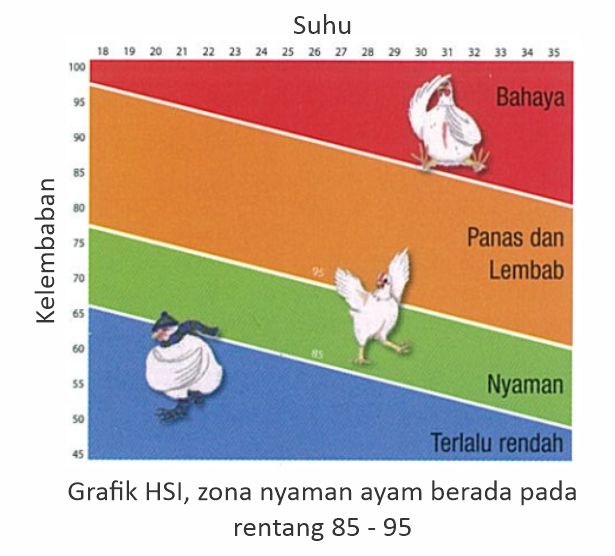
Thank you Mr / Ms Ari for the question submitted. Heat stressheat stress) is a stress disorder that occurs due to environmental air temperature conditions exceeding normal temperatures (> 28oC) so that the chicken is not able to balance between the production and dissipation of its body heat. Please note that the comfort zone (comfort zone) chickens are in the temperature range of 25-28oC with a humidity of 60-70%.
If heat stress occurs in a long time it is called heat stress chronic. To solve the case heat stress this, it is necessary to take appropriate measures. Steps that can be done are:
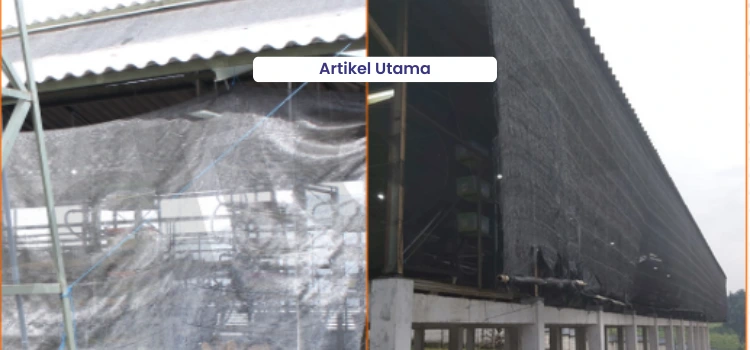
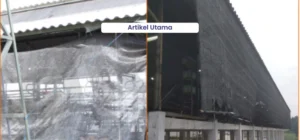
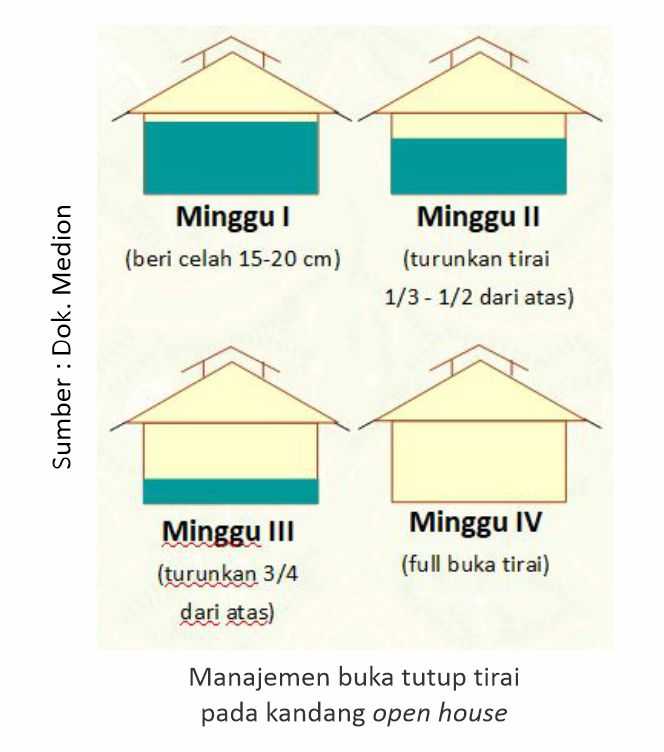
- Do curtain management well, especially in cages open house. Generally, the ventilation arrangement by opening all the curtains has been done entering the 4th week. However, when the weather is hot, the total opening of the curtain can be done as soon as possible so that the circulation of hot air becomes quickly replaced by cold air. It can also be used to add an extra layer of moisture (blower), or “artificial rain”.
- Provide cold water temperature 20-24oC good quality. Cold water can be used to help chickens stabilize their body temperature when the ambient air is high. When the temperature is high the appetite of chickens increases dramatically, even if the temperature reaches 32oC drinking water consumption can be increased by 50%. The drinking water supply (TMA) and control the availability of water at regular intervals (especially if using TMA manual). If you need to increase the amount TMA so it's not difficult for the chicken to reach it. Drinking utensils also need to be disinfected regularly. If using nipple and in the drinking water channel has formed a layer or crust (called biofilm which is where the development of disease seedlings) should be done flushing by means of high pressure water drain.
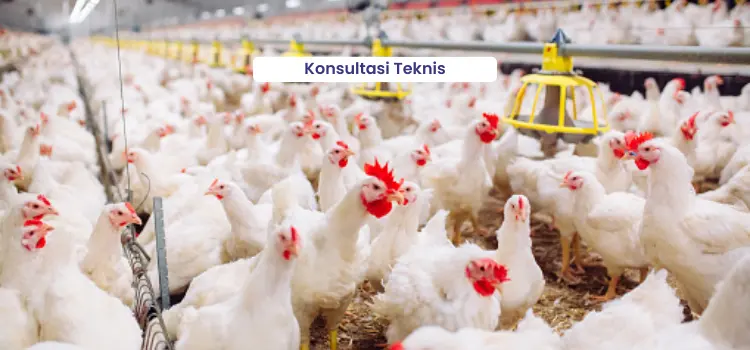
- Do chicken thinning. Thinning in one cage aims to reduce the density so that the chicken feels more comfortable, not too hot, dense, and can freely radiate heat from the body to the environment. An example of heat emission with radiation is a chicken stretching or spreading its wings. In chickens aged heat stress the density of the cage can be reduced by 10%. In addition, with a good arrangement of cage density, the amount of feces present in litter will be less and ultimately suppress the number of pathogenic agents to develop, as well as reduce disease transmission. Notice litter, cause litter which is not feasible, unwittingly can be a source of heat through the fermentation system that is on litter itself. Add litter new if the condition is very moist by wet feces / spilled drinking water.
- You should not give rations during the day when the temperature conditions are high, because it can cause death due to the high activity of digestive metabolism and the generation of a lot of body heat. For this reason, the management that can be done is to give 1/3 of the ration in the morning, then 2/3 of the ration in the late afternoon. Especially in laying hens can also provide additional rations containing calcium supplements or other minerals needed by chickens at night. On condition heat stress can also be done additional meal hours in the early morning (at 04.00-06.00 WIB) or apply midnight feeding (feeding at midnight, ie at 00.00-02.00).
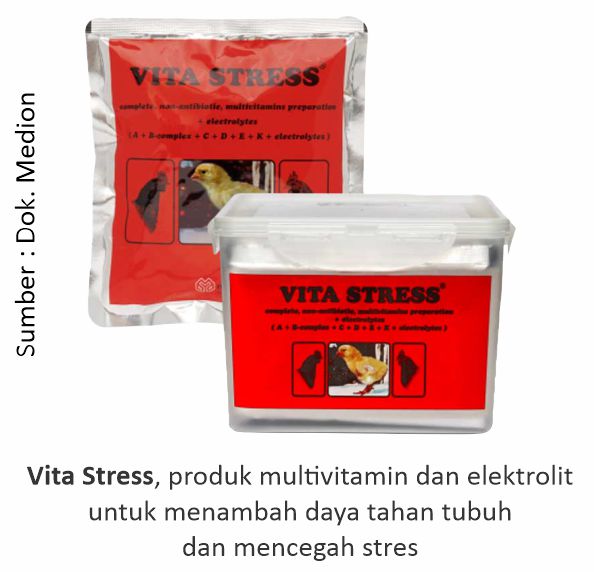
- Give multivitamins and electrolytes to increase the stamina of the chicken body for example by Vita Stress or Fortevit and herbal supplements Imustim to increase the immunity of chickens.
Adjust the treatment to environmental conditions, for example, do not vaccinate, cut the beak (debeaking) or other treatment when the ambient temperature is high, as this can further aggravate the condition heat stress. Activities like the above can be done during cold weather or at night.
Condition heat stress can be evaluated one of them by doing the calculation heat stress index (HSI), with the formula:

Evaluate and continuously improve the implementation of biosecurity, as well as maintenance and health management.