Infectious Bronchitis (IB) has been known for decades to attack chickens, especially laying hens. IB attacks not only attack the respiratory and reproductive organs but can also attack the kidneys. The IB Virus is unstable, easy to mutate and the level of cross-protection between Ib viruses is low.
Based on 2016 disease case data from 100% of IB cases, 73% were classic IB cases. The level of cross-protection of the IB virus is very low, so a combination of the IB variant vaccine and the classic IB vaccine is still needed to provide optimal protection.
IB disease is one of the diseases that is quite important because it causes the following losses:
- Decrease in the quality and quantity of eggs (decrease in production can reach 70%)
- Can attack at different ages of chickens
- The mortality rate of chickens can reach 25-30% while the morbidity (morbidity) is relatively high at 100%
- Barriers to growth
- Be a predisposing factor to other respiratory diseases
In this Main article, we will discuss more about the latest information on IB disease in the field and how to control it.
Current events of IB cases in the field
Disease of Infectious Bronchitis still a major scourge in the poultry sector, especially in the cultivation of laying hens in the last 3 years. IB disease from year to year has increased the number of occurrences in farm poultry, especially laying hens. Based on field data in 2020, IB disease still ranks 5th in the ranking of viral diseases in laying hens. While in broilers ranked 6th viral disease.
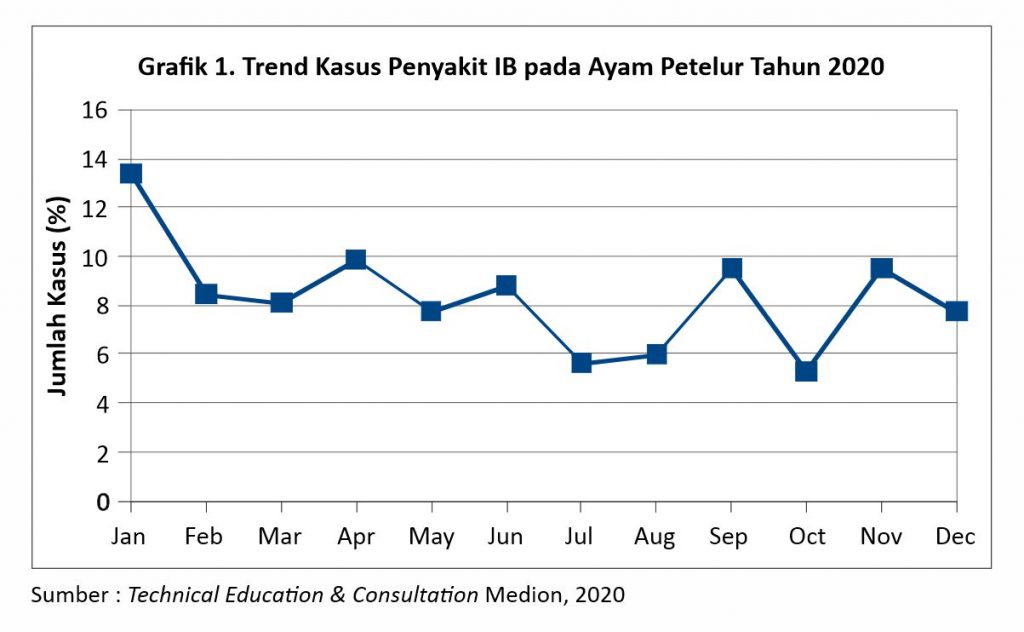
It is also known that the pattern of attacks of IB cases in 2020 was the highest at the beginning of the year (Graph 1). This is thought to be due to uncertain weather conditions in Indonesia, causing the condition of the chicken's body to be easily stressed, triggering the emergence of IB cases. In addition, it is suspected that due to the humid conditions of the cage environment, the IB virus is quite stable and easy to develop.
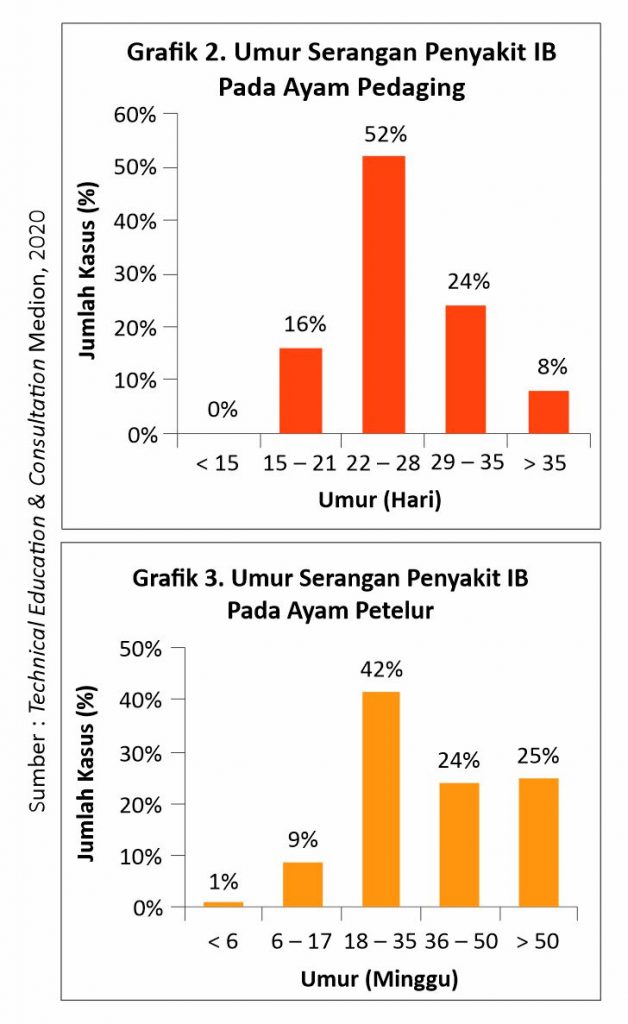
Based on the last year's data collected by the team Technical Education and Consultation Medion, the age of attack also varies. In broilers, the predominance of IB attacks occurs at an age above 22-28 days (3-4 weeks) until harvest. While in laying hens, IB attacks are dominated by chickens during the production period of 18-35 weeks (early-peak egg production). However, IB infection at the age before production also needs to be aware of, because in general IB disease attacks chickens of all ages.
Infectious Bronchitis
IB disease is caused by Coronavirus this is a virus and single-stranded RNA. IB disease is a viral disease that is acute and very contagious in all age groups of chickens with a short incubation period, which is between 18-36 hours. The IB Virus is contagious in a very short time. Within 2-3 days most or all of the chickens in one cage will be infected.
The pattern of attacks of IB cases that increase usually occurs at the end of the year. It is suspected that due to uncertain weather conditions in Indonesia, causing the condition of the chicken's body to be easily stressed, triggering the emergence of IB cases. In addition, the humid conditions of the cage environment make the IB virus stable and easy to develop.
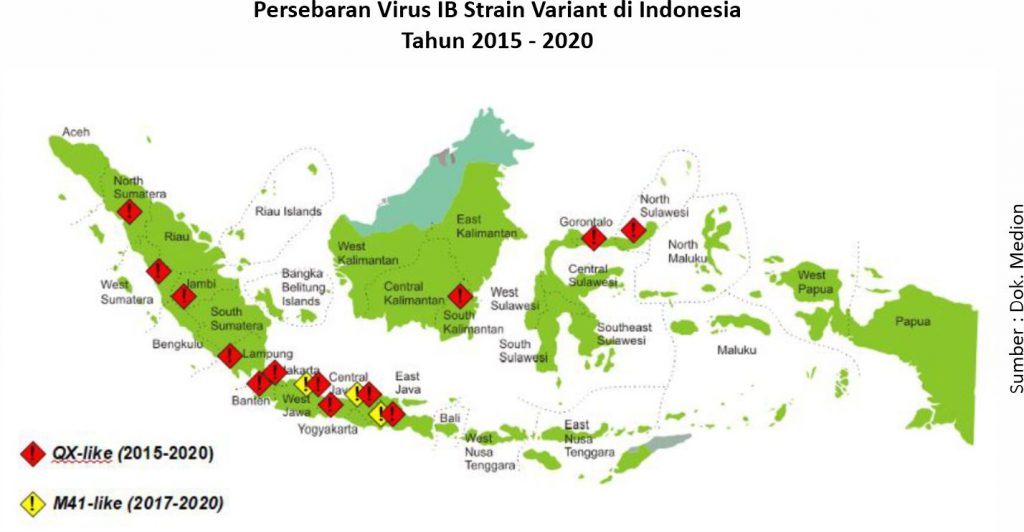
The IB Virus has the ability to mutate or exchange genetic material easily. As a result, many variants strains identified and difficult to control by vaccination. Some IB variants that have entered Indonesia such as QX strains who is from China or 4/91 strains of British origin.
Medion mapping/ mapping of IB virus by collecting samples from chickens suspected to be infected with IB from the field. Organ samples are then tested by the method Polymerase Chain Reaction (PCR) followed by DNA testing sequencing.
IB virus mapping results conducted by Research & Development Biology Molekuler Medion (2018), showed that the IB virus variant in Indonesia is one group with QX strains, which is group A2 or what can be called QX-like. IB variant QX-like it has been widely found in broilers, layers and breeders. While type IB variant M41-like recently found in laying hens.
Diagnosis of IB disease
Target organ IB virus, can be seen from the name, namely Infectious Bronchitis which means it can attack the respiratory system (especially in the bronchus), but it can also attack the reproductive system and urinary system (kidneys).
In general, the clinical symptoms of IB disease that can be observed are mucus discharge from the nose, difficulty breathing chickens, snoring, and sneezing/coughing. Chicken eyes always look wet and niktitan membrane (inner eyelid membrane) is red, as well as decreased appetite and drinking.
IB disease in broilers resulting in weight standards are not reached and pose a risk of other respiratory diseases. In adult laying hens, snoring will be heard and the quantity and quality of eggs will decrease dramatically.
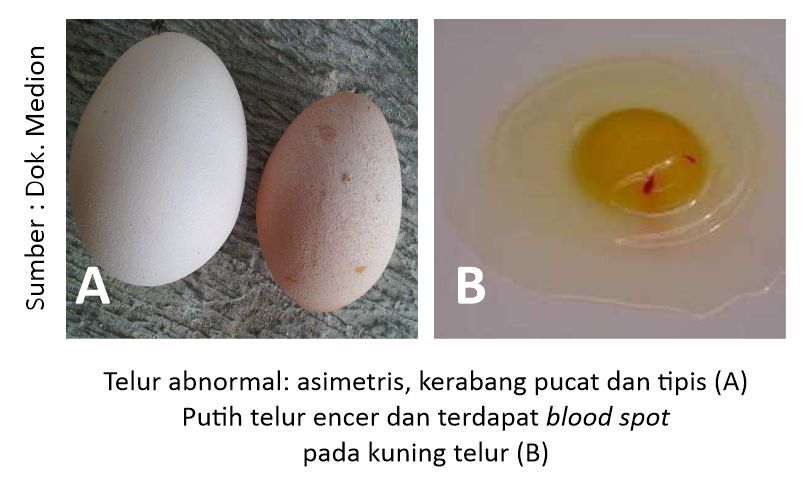
In laying hens that have entered the egg-laying period, infection with the IB virus usually causes the egg shells produced to be white or pale, thin, flabby, rough, to asymmetrical shapes. If the egg is opened, it can also be found a blood stain on the yolk (blood spot) and the border between thick and thin egg white is not clearly visible.
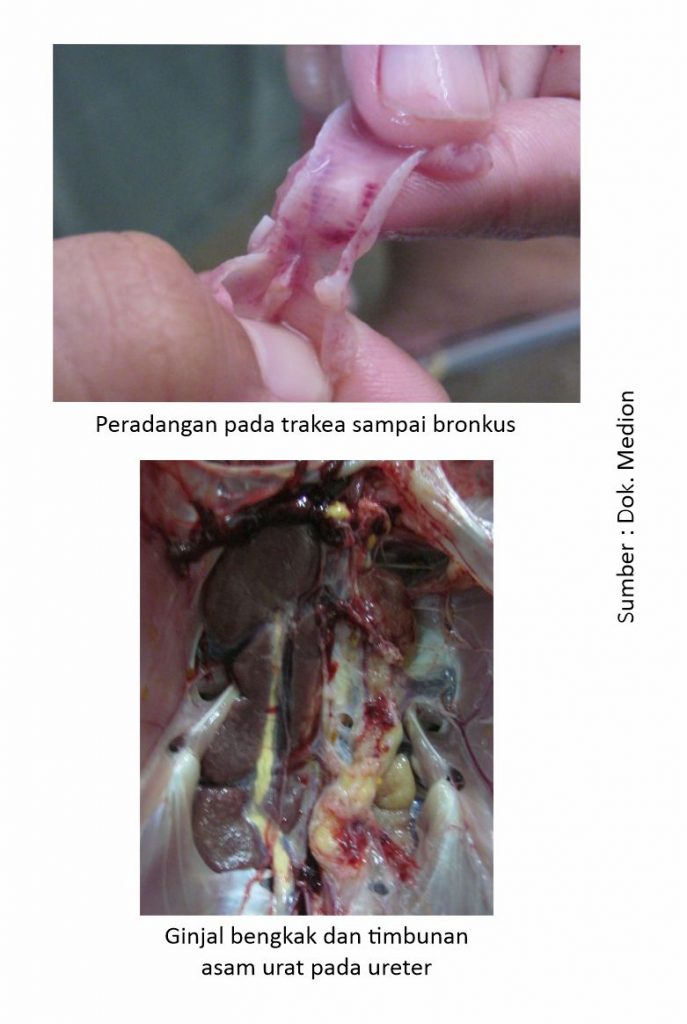
In addition, if a carcass surgery is performed, inflammation will appear along the respiratory tract, especially the trachea and bronchi. In the reproductive tract, there are generally changes in the oviduct that usually cause a decrease in egg production and quality.
Changes in other anatomical pathologies can also be found in some strains nephropathogenic is the presence of swelling of the kidneys and uric acid deposits in the ureters.
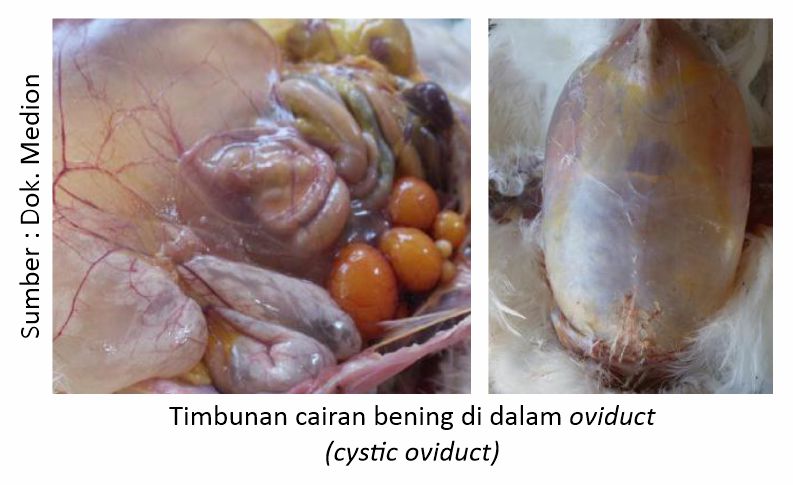
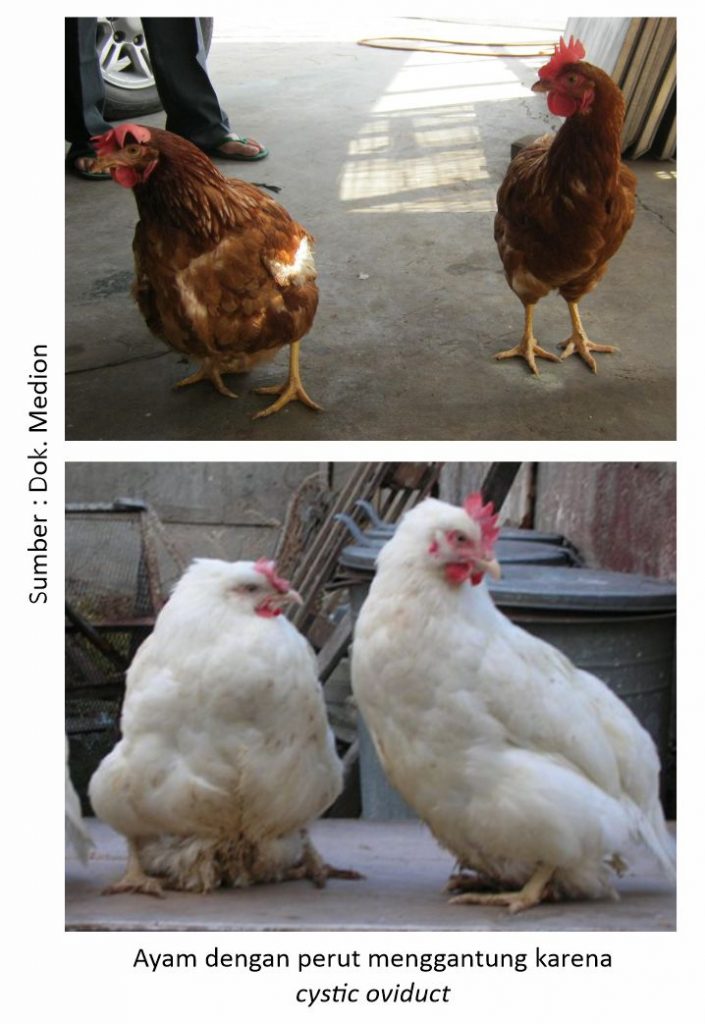
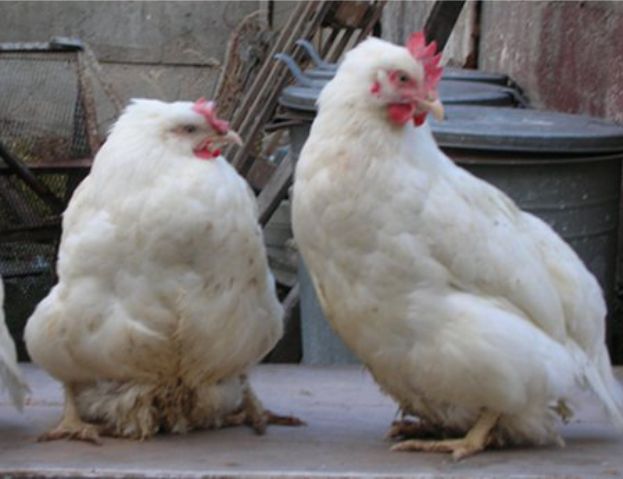
In the case of IB caused by QX strain in addition, the presence of a large number of pathological changes in the blood vessels of the oviduct (cystic oviduct). This can be clinically known if the incident has been going on for a long time (chronic) with symptoms of chicken stomachs appear enlarged and walk with a penguin-like look up.
Cystic oviduct occurs in the developing left oviduct. But in the case of IB in general also cystic oviduct it can occur in the right oviduct of a small size that is normally rudimentary. At the initial event, there may be accumulation of clear fluid in the oviduct, but it is not yet clinically visible. Only in this case the chicken is no longer laying eggs. Other changes can be seen from the proventriculus that has inflammation and lesions in the kidneys (renal damage) (Mahdavi, 2007).
IB disease is often followed by a secondary infection or other disease attacks. The Diagram below shows the secondary infections that often occur in IB disease attacks (graph 4).
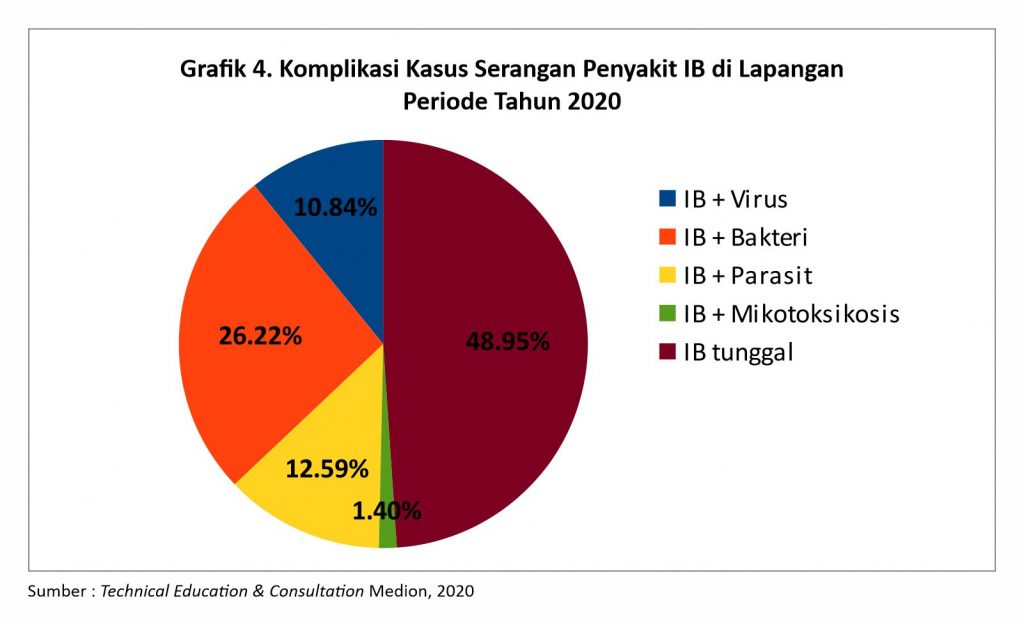
To ensure strains IB virus that attacks can be carried out laboratory tests with the method Polymerase Chain Reaction Test (PCR) and sequencing. PCR testing can be done at MediLab by sending samples of frozen organs. In acute cases (3-5 days), the best samples are taken from the trachea and bronchi, since in acute cases the titer of the IB virus is high in the organs of the trachea and bronchi will drop to undetectable levels at 2 weeks post-infection. In chronic cases, samples are taken from the trachea, larynx, caeca tonsil and kidneys.
Handling and control
There is no treatment that can cure the disease Infectious Bronchitis. If it has attacked then what can be done is to make the chicken's body condition quickly improve and increase its appetite by providing complete nutrition, as well as tight biosecurity.
To deal with the occurrence of this disease, measures such as the following can be taken:
- Perform selection on chickens that have been severe or not production for 5-7 days or seen from the continuity of the egg. Culling chickens, especially those that show symptoms of snoring and weakness, so as not to become a source of disease for healthy chickens.
- Immediately revaccinate chickens during production and healthy chickens around infected cages. (I.e., with a mild post-traumatic stress disorder )Medivac IB H-120).
- Provide supportive therapy using multivitamins and immunostimulants such as Fortevit and Imustim to increase stamina and restore endurance chicken. To help restore decreased egg production can be given multivitamins containing amino acids such as Aminovit.
- In the case of IB, it can cause severe swelling of the kidneys, so it requires special treatment to reduce the severity. Give Gumbonal to help reduce mortality from kidney swelling.
- Treat respiratory disorders with Respitoran which can help reduce inflammation and thin the mucus.
- If there is an indication of a bacterial secondary infection, give antibiotics that do not aggravate the work of the kidneys such as Neo Meditril.
- Kroscek with serological tests, especially against other egg production decline diseases such as EDS and AI.
- Spray the cage regularly every 2 days to minimize disease seeds in the cage. Limit vehicle traffic and people entering and leaving the cage.
- Prevent immunosuppression factors by controlling mycotoxins in feed (Freetox G).
Prevention of IB diseases
Vaccination can prevent the harm caused by this disease. We all know that the level of cross-protection between Ib viruses is relatively low. So that the vaccination program in preventing IB disease is a combination of classic IB vaccine and variant IB for wider and optimal protection. This is because IB cases in the field caused by strains classic and strains varian.
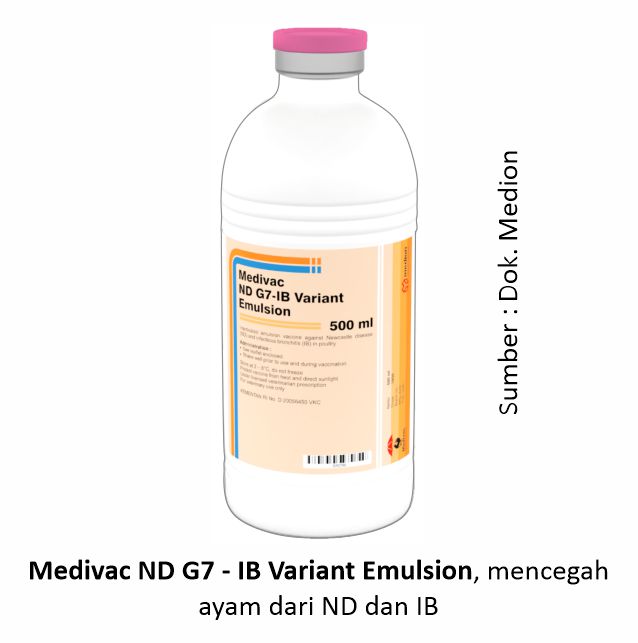
Medion produces vaccines to prevent IB diseases that are homologous to the field IB virus, namely vaccines Medivac ND-IB Variant Emulsion, Medivac ND G7-IB Variant Emulsion, Medivac ND-IB Variant-Gumboro Emulsion and Medivac ND G7-EDS-IB Variant Emulsion. Inactivated vaccines are needed to bully humoral immunity (immunity circulating in the blood). Meanwhile, mucosal or local immunity in the area of the upper respiratory tract is the entrance gate for infection with the IB virus. Thus, active vaccines such as Medivac IB, Medivac IB Variant and Medivac ND-IB but it needs to be given to bully the formation of IB immunity quickly and protectively.
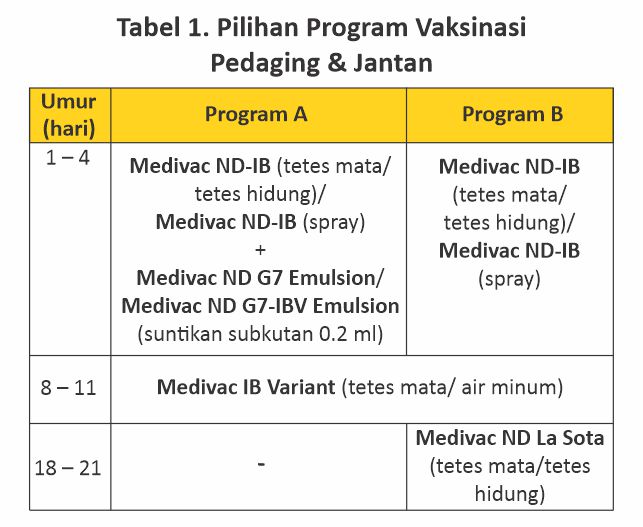
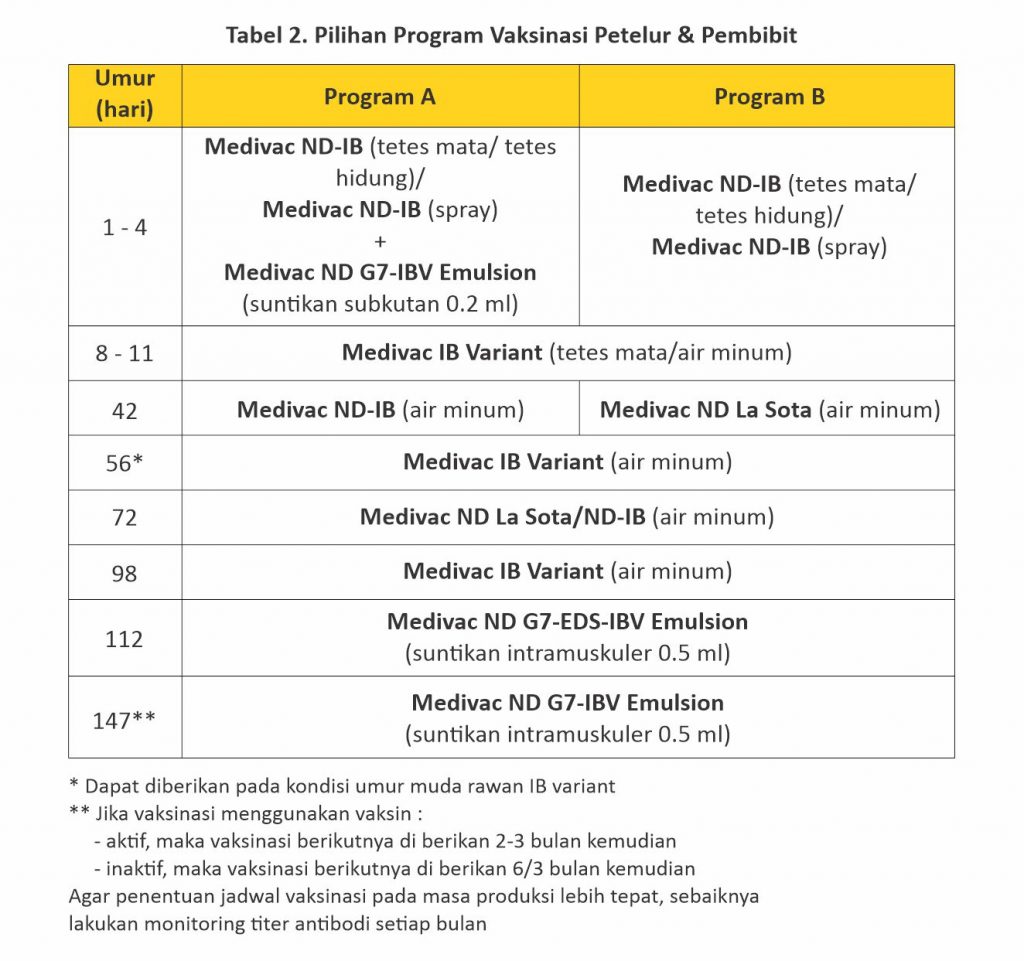
However, vaccination is not the only way to protect chickens from IB virus attacks, other efforts are important to support the success of vaccination, including:
- Carry out maintenance management correctly and appropriately. Especially on the smooth ventilation and density regulation of the cage to suppress ammonia. Try to keep the litter dry and the ammonia concentration low. High ammonia levels cause upper respiratory tract irritation that can trigger respiratory disease infections. Adjust the density in the cage to minimize stress. System as possible. “all in all out”.
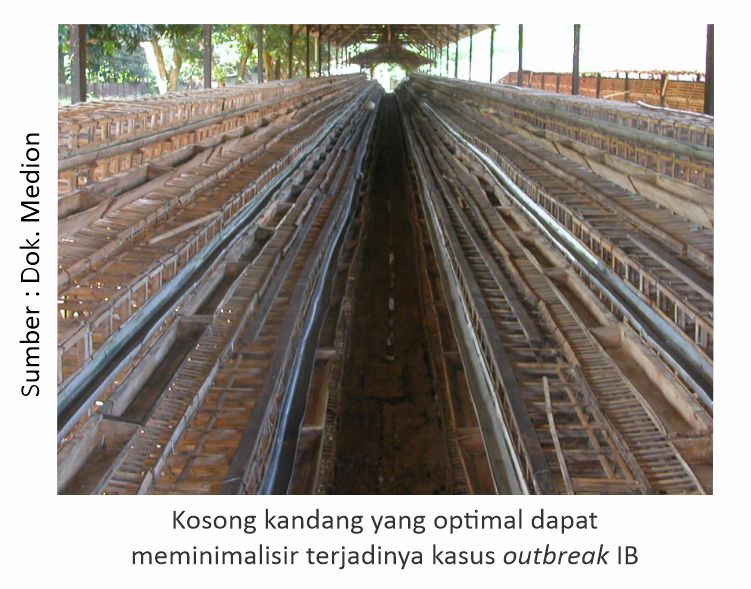
- Disinfection and biosecurity done precisely and strictly considering that the IB virus is easily killed by various types of disinfectants. Always clean the ration place and chicken drinking place with disinfectant every day to prevent the emergence of disease seeds from rations or unhygienic drinking water. Optimally disinfect the cage. Use the right disinfectant such as class aldehyde (Sporades, Formades) and groups oxidizing agent (Antisep) untuk membasmi virus beramplop, seperti virus IB. Pay attention to critical points that can be sources of disease transmission, such as egg tray and crates that enter the area of the farm, it is better to wash and disinfect in advance. No less important is the empty time of the cage is done for 2-4 weeks from the moment the cage condition is clean. Apply 3 zones system i.e. clean zone, transition, and dirty zone. Isolate sick chickens and do not sell them. For chicken carcasses, immediately bake and bury. Before and during the beginning of the production period, it is ensured that the body weight is in accordance with the minimum standard and uniformity of 80%.
4. Avoid chickens from immunosuppressant conditions (infectious and non-infectious) and stress as a preventive measure to enter the virus easily. Such as giving Imustim, herbal immunostimulants that can help improve the functioning of the immune system.
5. Routinely check the antibody titer for at least 1-2 months to make sure the antibody titer is still protective.
6. Provide complete nutrition and multivitamins as a supplement in maintaining endurance. In addition to vitamins, premixes can also be added to the ration so that the metabolic processes of the chicken's body's defenses go to the maximum.
This is related to the update of IB disease and its occurrence phenomenon in the field. We need to note that IB control is a combination of several factors including vaccination, biosecurity strict and combined with good maintenance management. Medion always follows the development of the IB virus by always monitoring changes in virus isolates in the field in order to always be able to provide homologous vaccines and in accordance with field conditions. May be useful. Salam