Technical Consulting
Bapak Danang Ramadhan
Email: ramadandanan@gmail.com
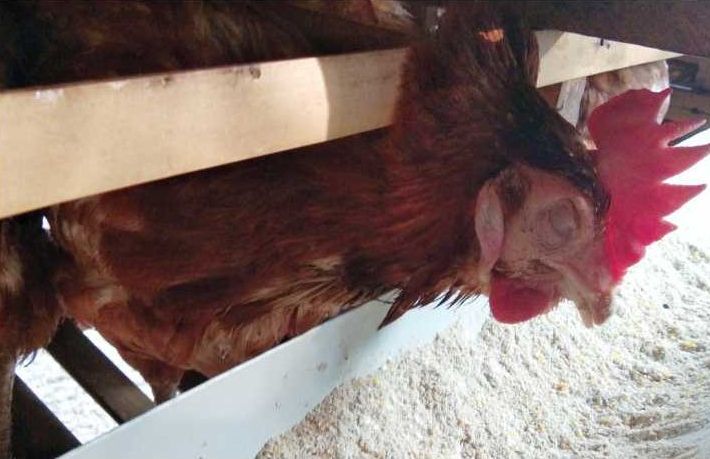
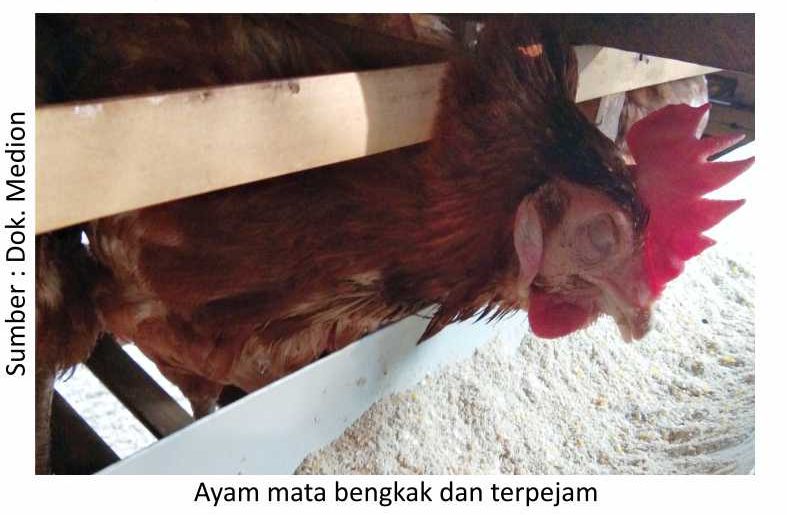
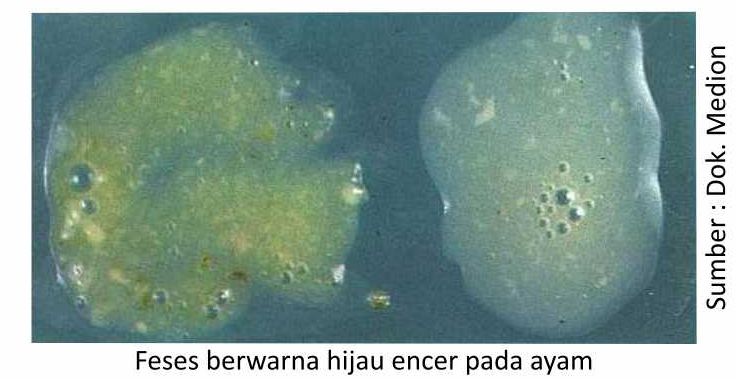
My laying hens have swollen eyes and closed like the picture below, decreased appetite, there is Mucus in the mouth and green feces. What diseases affect my chickens?
Answer :
Dear. Mr. Danang, thank you for the question. Swollen and closed eyelids are possible because the eyelids have conjunctivitis (inflammation that occurs in the conjunctiva or the lymph membrane that lines the front of the eye) so that the eyes are closed or closed. Mucus in the mouth or nose is possible due to acute inflammation of the upper respiratory tract. While a decrease in appetite is common in sick chickens that can trigger the formation of green poop in chickens, because chickens do not want to eat, causing the process of formation of bile and the process of changing bile when in the intestine will be disrupted so that the feces will be green. However, the green color of feces is not only caused by chickens that do not want to eat but can also be caused by various causes including ND, cholera and coryza.
We recommend that you continue to explore as much information as possible about other symptoms of the disease both through the pattern of spread, clinical symptoms and surgical carcasses. Based on the information about the clinical symptoms that you mentioned, it is likely caused by one of the following diseases :
- Diseases caused by bacterial infections:
Infectious coryza (snot)
Symptoms of infectious coryza (snot) that appears among them is the discharge of exudate from the nose, which at first is a watery yellow color and then gradually turns into a thick, purulent and characteristic odor (foul/fishy smell). The presence of this exudate causes the chicken to sneeze, have difficulty breathing and snore. The infraorbital Sinus swells, tears are released, appetite is lost and sometimes diarrhea occurs. In addition, laying hens will also cause a decrease in egg production. In addition, this disease is usually followed by other diseases, namely E. Coli infection which infects the eye causes chicken eyes to become swollen and close when in severe conditions will be found in the eye area perkejuan (panoptalmitis).
Fowl cholera (greenish droppings)
Symptoms that appear include lethargy, fever, chickens do not want to eat, dull feathers, mucous discharge from the mouth, diarrhea and increased respiratory rate. Cyanosis (bluish-purple discoloration of the skin) sometimes appears shortly before death and is usually seen on hairless areas of the body such as Combs and wattles. The stool is initially whitish and watery but over time it becomes greenish and slimy.
2. Diseases caused by viral infections
Newscastile disease (ND)
Gejala feses hijau lebih sering terjadi karena infeksi virus ND golongan vvND (velogenic viscerotropic Newcastle Disease). There is a fairly high mortality. Inflammation at the apex of the nodule of the proventriculus (gastric gland), in the fatty heart and Peyer's patches on the intestine are also seen in surgical carcasses. Symptoms of ND include coughing, difficulty breathing, snoring and found mucus coming out of the nose. Other symptoms, loss of appetite, green stools and sometimes accompanied by white clots, trembling of the whole body, symptoms of nerve disorders (paralysis of the legs and wings, twisted neck/torticollis and chicken circling).
Treatment that can be done is fast and targeted treatment (according to the cause). Each infectious agent requires different treatment from each other. Therefore, immediately dig up as much information as possible after knowing the symptoms of greenish feces and swollen eyes in chickens, then do the appropriate treatment of the cause. Here are the possible diseases and how they are treated :
- Some actions that are recommended to be done when chickens are attacked by diseases with bacterial causes such as infectious coryza (snot) and cholera is by administering antibiotics such as Therapy, Proxan-S or Neo Meditril (choose one and give it according to the rules of use) for chickens who still want to eat and drink. For chickens with severe conditions (can not eat and drink due to swollen eyes and close) give antibiotics by injection such as Vet Strep or Medoxy-L. Vitamins such as Fortevit, Vita Stress or Vita Strong to help improve the condition of the body of chickens. It is also necessary to implement biosecurity strict, by spraying the cage every day during the outbreak , conducted via Antisep (special wooden cage) or Neo Antisep. Also regularly sanitize and disinfect cage equipment (rations, drinking places), cages and their surroundings. And sanitation of drinking water with Desinsep to prevent transmission of bacterial diseases through water.
- Chickens affected by viral diseases such as ND cannot be treated, as they are caused by viruses. Until now, no drug has been found that can directly kill the virus, which can be done is to do supportive therapy, namely by giving vitamins such as Vita Stress or Fortevit to increase the stamina of the body of chickens and Imustim herbal supplements to increase the immunity of chickens. Emergency revaccination of healthy chickens can also be carried out. Use Medivac ND Clone 45 during emergency revaccination to stimulate the rapid formation of ND antibodies. The goal is that healthy chickens can immediately form antibodies. Administration of antibiotics such as Ampicol, Neo Meditril or Therapy it can be done to treat secondary infections by bacteria.