Optimization and productivity improvement of animal husbandry has traditionally been done by farmers. Among them are feeding with proper nutrition and also need to be given additional intake of minerals and vitamins.
Vitamins are organic compounds that are important and indispensable in the metabolic process of livestock. Various vitamins are needed by ruminants (cows, buffaloes, goats, sheep) as well as vitamins needed by the human body. One type of vitamin that is needed by livestock is Vitamin B-complex.
Vitamin B-complex is a group of water-soluble vitamins consisting of vitamin B1 (thiamine), B2 (riboflavin), B3 (niacin atau niacin amide), B5 (pantothenic acid), B6 (pyridoxine), B7 (biotin), B9 (folic acid), and B12 (cobalamins). Each of these vitamins has a content that is synergistic with each other and supports livestock activity.
Actually B-complex vitamins can be formed (synthesized) in the body of ruminants. However, when ruminants are under stress, illness, or lack of feed nutrients, the work of bacteria in the stomach to synthesize vitamin B-complex will decrease. It is necessary for vitamin B-complex supplementation during these special conditions to prevent insufficient intake of vitamin B-complex.
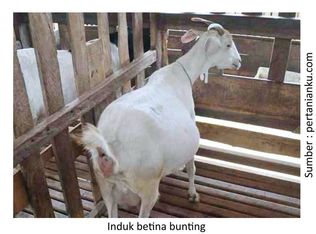
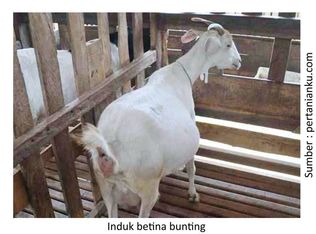
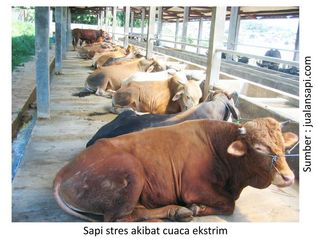
Moreover, the provision of vitamin B-complex is important for pregnant cattle, lactation (breastfeeding), as well as young cattle that need more vitamin B-complex intake. Vitamin B-complex deficiency is prone to occur when pregnant mothers, fatigue due to transportation, nursing mothers, livestock stress due to weather or injury, livestock that are sick, and young livestock that have not been weaned.
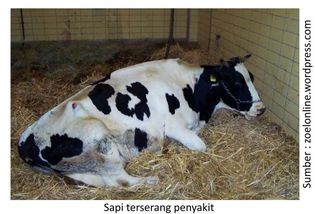
In cattle deficient in B-complex vitamins may show symptoms such as the following:
- Decreased appetite
- Slow weight growth
- Low milk production
- Digestive disorders such as diarrhea or constipation (difficulty passing stool)may appear
By giving vitamin B-complex supplementation to livestock, it can provide many benefits, including:
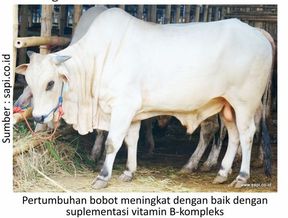
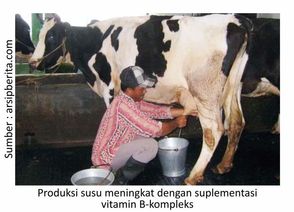
- Vitamin B-complex acts as a cofactor of metabolic enzymes so that the absorption and utilization of nutrients in the body of livestock will increase. Livestock will appear hunger and increased appetite
- Helps speed up the healing of livestock during infection. The combination of B vitamins contained in vitamin B-complex plays a role in improving the immune response of livestock by increasing the production of white blood cells so that it can help the healing process of the disease
- Prevent vitamin deficiencies that can affect the health and growth of livestock
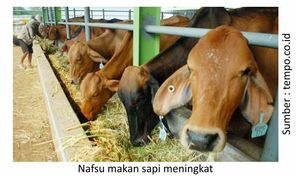
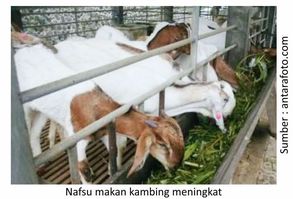
Proper administration of vitamins will lead to better livestock productivity. The administration of B-complex vitamins to ruminants needs to be included in routine health maintenance programs. B-complex vitamins can be administered at least once every 3-4 months. B-complex vitamins can also be given to sick cattle to help them recover from infections. For example, with Vita B-Plex Bolus or Vitamin B Complex Injection. For optimal results, of course, you need to pay attention to the feed management given.