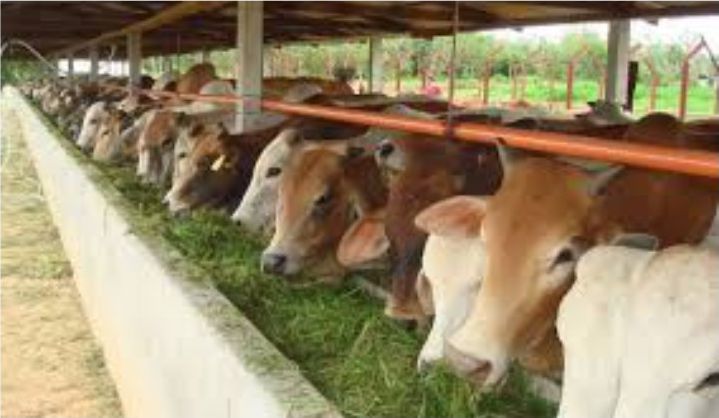
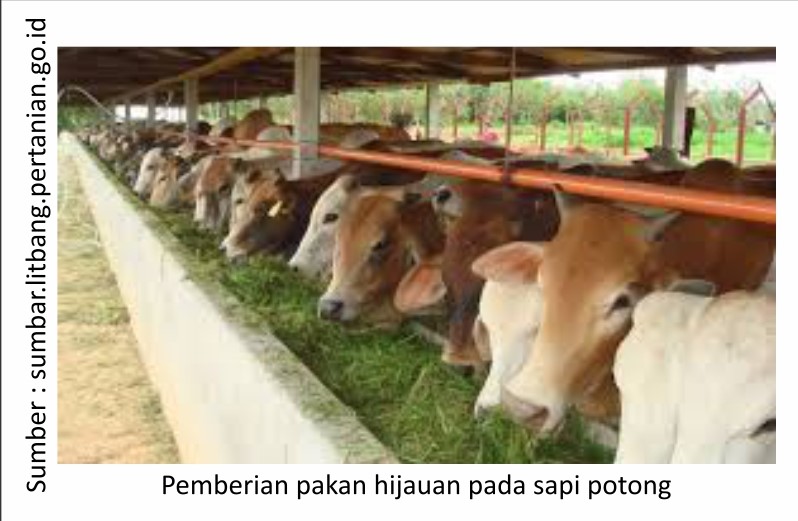
Improving the quality and productivity of livestock is the main effort for folk and industrial farmers. These efforts are carried out in various ways, one of which is by feeding. Feed is one of the success factors in breeding. The feed given to cows is usually in the form of forage and additional feed in the form of concentrates. Fattening is the maintenance of livestock that aims to increase production and improve the quality of meat before the livestock is sold.
Forage in general has a high content of coarse fiber, but low protein and energy. Considering that forage feed ingredients in tropical regions are generally lacking in minerals, the addition of vitamins and minerals in the feed is a must to produce livestock productivity in accordance with their genetic potential. The provision of vitamins and minerals in animal feed is important to optimize digestion, so that maximum nutrient absorption, increased endurance and production of meat and milk can be more and quality. The use of minerals in feed formulations as a solution increases the daily weight and efficiency of production costs.
Benefits of minerals for livestock
Minerals are needed by livestock in small quantities, but they are very important for the physiological processes and growth of livestock. Minerals are one of the nutritional components that have an important role in the growth, Health, production, reproduction and immunity of animals.
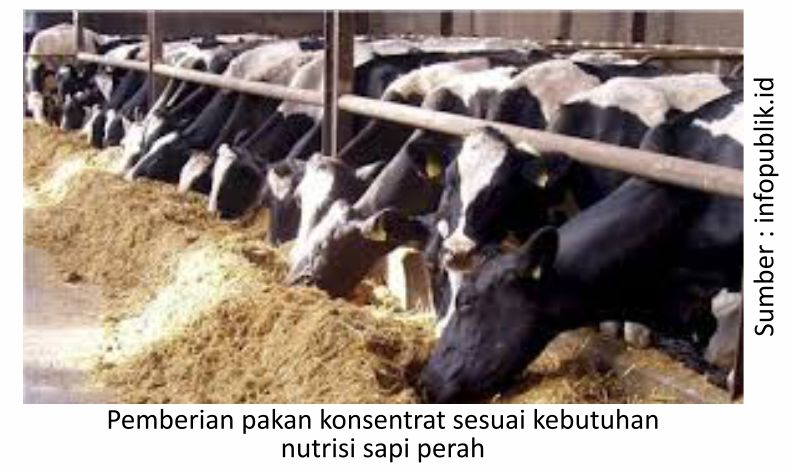
Based on the required amount of livestock, mineralsare divided into macro and micro minerals. Macro minerals such as calcium (Ca), phosphorus (P) and potassium (K) play an important role in the physiological and metabolic activities of the body, while micro minerals such as manganese (Mn), copper (Cu), zinc (Zn), Cobalt (Co), iodine (I) and selenium (Se) play a role for the activity of enzymes and hormones in the body. Combination of macro and micro minerals in Mineral Feed Supplement S it can increase growth in beef cattle, increase milk production in dairy cows and prevent mineral deficiencies. Mineral Feed Supplement S given daily and mixed on animal feed.
Losses Due To Mineral Deficiency
Livestock experiencing a lack of mineral intake leads to disruption of metabolic processes and mineral deficiency diseases. Mineral deficiency diseases can interfere with the growth, production and reproduction of livestock. This disease has two types of clinical deficiency that can be observed symptoms visually while the second type is subclinical deficiency that does not show clinical symptoms so that the cattle that experience it do not get proper treatment and care.
Cattle with subclinical mineral deficiency resulted in a reduced growth rate of an average of 0.1 kg / head / Day, reproductive power below the optimum level and decreased resistance to disease. While cows that experience clinical mineral deficiency can be diagnosed based on visible symptoms, such as emaciation, loss of appetite, and miscarriage of pregnant cattle.
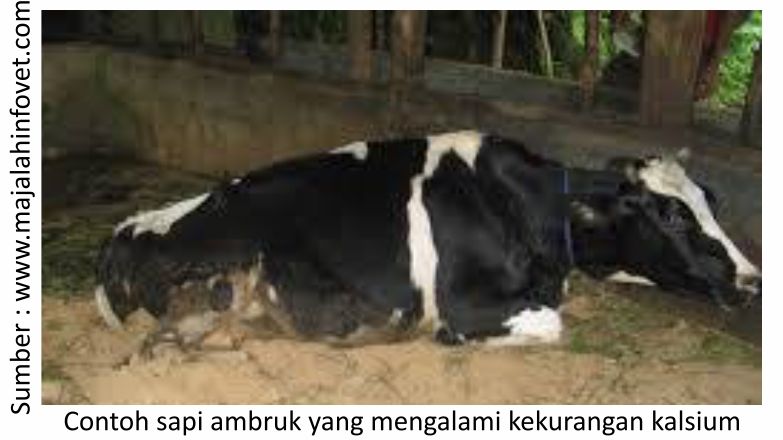
Macro minerals are needed in large quantities such as calcium, phosphorus and potassium each have an important role in the body. Calcium is the mineral most needed by livestock and plays an important role as a constituent of bones and teeth. Calcium needs are influenced by several factors such as age, body weight and production stages. Calcium deficiency can lead to failure of the pregnant mother to remove the placenta, milk fever or hypocalcemia characterized by symptoms of collapsed cows.
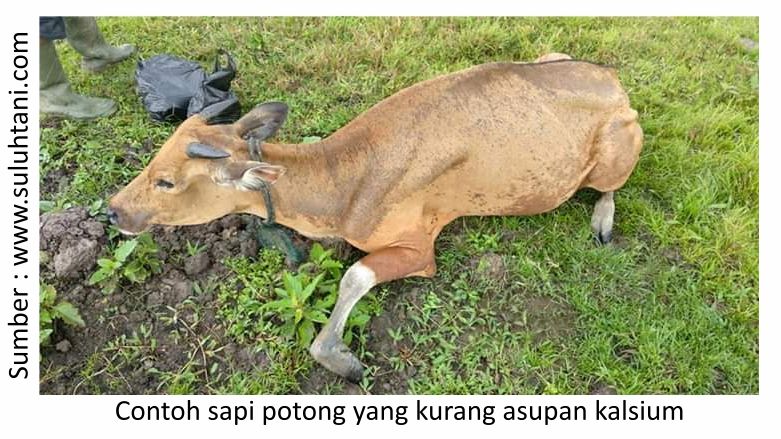
Phosphorus is a macro-essential mineral that livestock needs in sufficient quantities to optimize production and reproductive performance. Lack of phosphorus minerals can cause reproductive disorders in cows, such as difficulty giving birth (dystocia), embryo death, bone malformations, and disruption of the development of body tissues. In addition, potassium is also needed as a mineral that forms muscle tissue, especially the uterine or uterine muscles which are part of the reproductive system. So, when there is a shortage of livestock. may result in reproductive disorders.
Good maintenance management in dairy and beef cattle farming can increase milk production and body weight. Factors that must be considered in the dairy and beef cattle farming business are breeding and reproduction, feeding according to nutritional needs, livestock maintenance, provision of facilities and infrastructure, as well as disease prevention and treatment. Feed management is an important factor in milk production and increased body weight. Feed must meet the important elements including macro and micro minerals in the amount as needed.