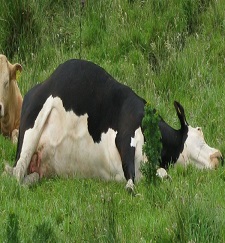
Some farmers complain that their cattle are suffering from indigestion or indigestion. This disease is still often found due to the implementation of less consistent feed management. One of them is the nutritional content that is still less attention. This can be seen from the feeding with high crude fiber without available drinking water and high carbohydrates in the feed. Thus increasing the risk of digestive disorders.
One of the digestive disorders that are often found in cows is gastric disorders. Indigestion or indigestion is usually followed by bloating and nerve disorders in the locomotor apparatus. Symptoms of indigestion in cattle in general:
- Lethargy and Reduced Activity
- Decreased or lost appetite
- Decreased milk production in lactating cows
- Decreased rumen movement frequency and rumen tone
- Animal feces are scanty, slimy, soft, dark in color
Types of indigestion and their clinical symptoms
Indigestion is a digestive disorder in the stomach characterized by decreased rumen movement and accompanied by constipation. Indigestion can occur suddenly within a few hours to days. From the form, it is distinguished into acute indigestion and vagus indigestion.
1. Acute indigestion
It is a complex condition with various clinical symptoms without accompanying anatomical changes in the rumen. Acute indigestion is divided into simple indigestion/simplex, acid indigestion (rumen acidosis), Rumen bloating and indigestion with toxemia. Such forms of indigestion are not always clearly distinguishable from the clinical symptoms. From the approach of the symptoms that appear, the most frequent cases are simple indigestion. But if not treated immediately will proceed to other digestive disorders.
Simple Indigesti
Digestive disorders in the stomach, marked decrease in motion and rumen tone, animal feces accumulate in the rumen, accompanied by constipation. Most indigestion occurs due to consuming feed that contains a lot of coarse fiber, consuming feed ingredients that contain lots of protein and sudden Feed changes, especially in loose weaned cows.
Rumen acidosis
Characterized by the accumulation of acid in the blood and tissues of the body. The Rumen bulges into or out of the stomach and there is a dense pile of ingesta in the rumen. Cows are always dehydrated, which is characterized by a dry nasal mirror, sunken eyes and a long skin turgor returning to its original position. Acidosis is caused by cows consuming feed that contains a lot of carbohydrates such as wheat or corn that is easily fermented.
Inflatable
Acute indigestion accompanied by gas accumulation in the rumen. Symptoms of bloating can be seen from the inflating of the left abdominal region. Cows breathe shallowly or with their mouths and sometimes extend their necks forward. In general, feed factors are the cause. For example, leguminous plants, young plants to excessive concentrates.
Indigesti toxemia
Symptoms observed include lethargy, loss of appetite, general weakness and begins with simple indigestion. The stool is shaped like a paste and smells bad and is accompanied by anuria (not urinating). In the advanced state of breathing slows down. To recognize this disorder actually need an examination of the toxin but because the toxins that are formed immediately metabolized it is difficult to do.
2. Vagus Indigesti
Indigestion associated with functional disorders of the front stomach or omasum and causes inflammation of the vagus nerve. Caused by foreign bodies, purulent inflammation in the liver, inflammation of the reticulum, abomasum and omasum impaction (enlargement due to accumulation of solid material) and pericarditis. Marked loss of rumen motility, decreased frequency or chewing process as well as Rumen distension. This indigestion is chronic.
Indigesti treatment and Prevention
Initial treatment is done in case of acute indigestion, among others:
- Provide quality feed with high palatability and stop feeding silage or high fiber or high carbohydrate.
- Supplement administration Digesfit to improve and overcome indigestion.
- If the livestock shows symptoms of bloating, it is necessary to immediately treat it with caution. Give bloating medicine Bloatex to remove excess gas. If the condition of livestock is severe, the effort to expel gas needs to be done by piercing the left abdomen with a trocar. But of course this is done by trained animal health workers.
- In the event of further digestive disorders, contact an animal health worker immediately for appropriate treatment.
It is necessary to make efforts to maintain the cow's digestive system to avoid disorders or diseases, such as:
- Feeding quality according to the needs of livestock with a balanced formulation of carbohydrates, protein and forage as a source of fiber. Add beef premix Mix Plus Cattle Pro containing multivitamins, minerals, and amino acids.
- When there is a change in feed, do it gradually. Avoid feeding high in easily digestible carbohydrates in large quantities and short periods of time. And avoid giving forage that is still fresh or wet.
- Provision of clean drinking water and ad libitum
- Application of health programs such as deworming Wormzol B or Wormzol Suspension every 3-4 months and vitamins Vita B Plex Bolus Extra Flavor. As well as vaccination programs as recommended by the local livestock office.
Indigestion can occur at any age of livestock. Prevention efforts need to be considered, especially feed management factors. Indigestion treatment needs to be done immediately so that it can be resolved and does not continue in other digestive disorders.