Proper handling upon the arrival of new cattle is the first step in a fattening operation. The handling of newly arrived cattle is a very important activity. This initial handling aims to facilitate subsequent rearing so that the desired cattle body weight is achieved. Stock imported from abroad must be handled intensively, considering that the cattle will experience stress due to changes in environmental climate and transportation. The same applies to local cattle brought from another region.
The initial handling of cattle upon arrival is very important in the rearing phase of beef cattle. During the handling, transportation, and change of environment, the cattle experience a fairly high level of stress. Stress will stimulate the cortisol hormone, which triggers physical reactions of tension and panic, and chemically can cause the rumen microbial balance to become non-conducive.
This condition can result in decreased appetite, unhealthy livestock, diarrhea, and some livestock will have suboptimal growth during the fattening period, as each animal has a different ability to restore its condition after experiencing the stress phase.
Cattle experiencing stress will have an impact on body weight shrinkage. Therefore, recovery handling is needed to avoid growth failure. The handling of newly arrived feeder cattle includes several stages such as: receiving the stock, livestock recovery, livestock adaptation, initial cattle weight measurement, grouping, eartagging, and blood sampling.
These stages must be carried out correctly to facilitate subsequent rearing and achieve the desired body weight.
Good handling of newly arrived livestock is useful for reducing problems that may arise during the rearing period. When the cattle arrive at the farm, the farmer needs to do several things, such as:
- Receiving the Stock
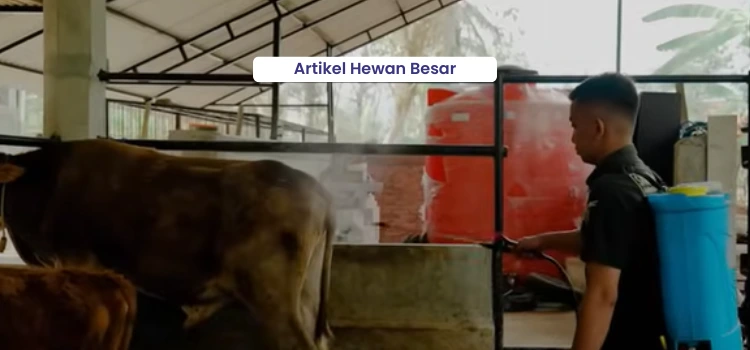
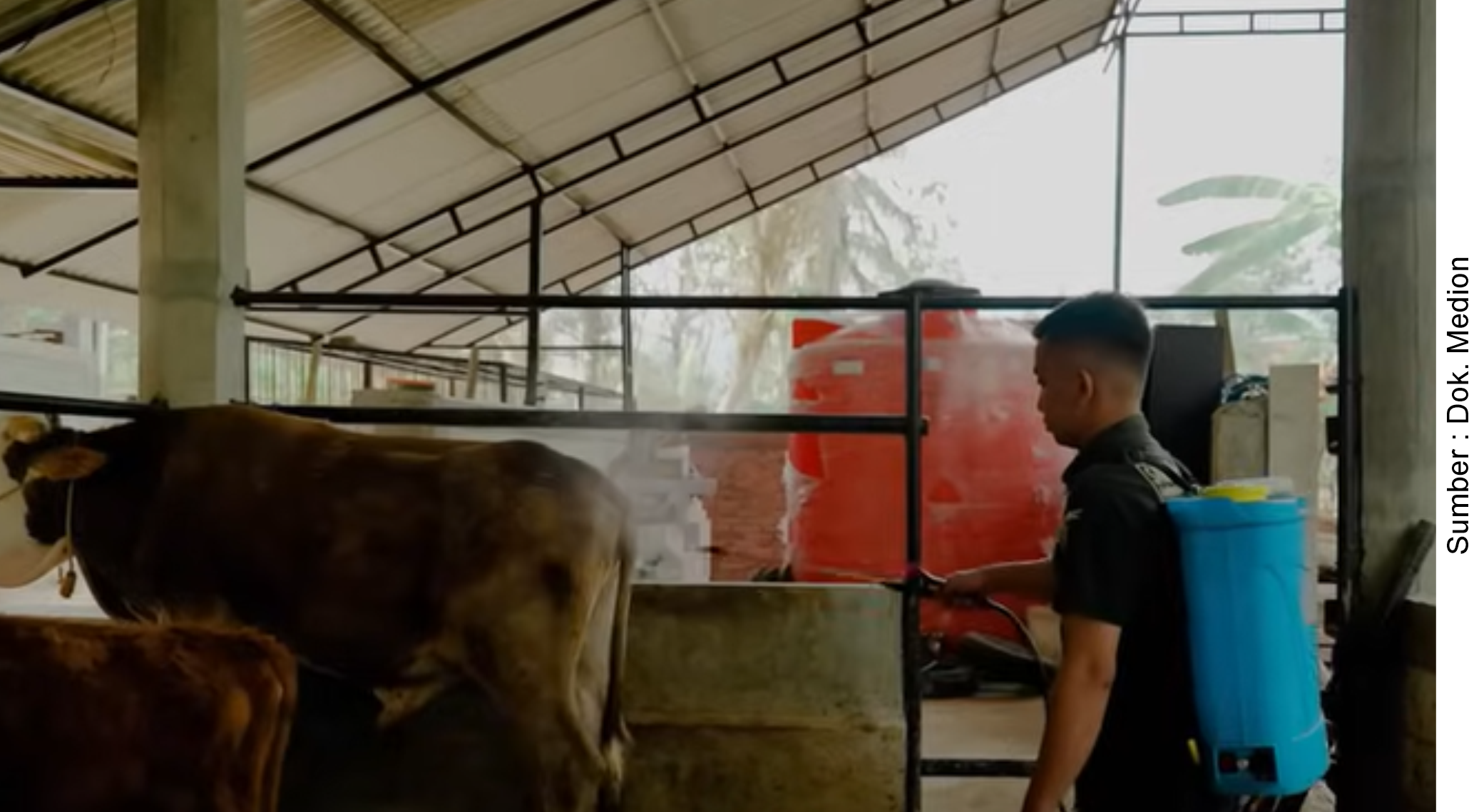
Before the arrival of the stock, preparations for the pen with sanitation and disinfection are necessary. Sanitation aims to create a clean and comfortable pen environment, as well as minimize disease agents that can interfere with cattle health. When the cattle arrive, after administrative checks, the process of unloading the cattle is carried out. The cattle are then herded to the quarantine pen. The unloading ramp and truck conditions must be checked to ensure the safety of the cattle and to guarantee the concept of animal welfare and minimize injury/trauma to the livestock. Start unloading as soon as possible after arrival. - Quarantine Newly
arrived cattle are quarantined in a separate pen for a minimum of 14 days to prevent the transmission of diseases carried by the new livestock. The quarantine pen for the new livestock must be available. The pen to be occupied must be clean and dry. It is best if the pen is disinfected a few days before the livestock arrive so that the newly arrived livestock do not contract diseases due to unhealthy pen conditions. - Disinfection
Before the stock arrives, the pen needs to be prepared by cleaning the previously used pen. It is better if the pen is thoroughly cleaned using a disinfectant. Pen equipment must also be clean before being used for the newly arrived feeder cattle. Then, disinfect all parts of the pen with Medisep or Zaldes every day during the quarantine period.
- Pemberian obat, vitamin dan vaksin
- Pemberian suplemen berfungsi untuk mengatasi kekurangan cairan/ elektrolit, mencegah stress dan mencegah penurunan berat badan selama perjalanan serta meningkatkan daya tahan tubuh. Pemberian vitamin sangat penting untuk menstabilkan suhu tubuh, yang secara tidak langsung mempengaruhi keseimbangan metabolisme tubuh. Pemberian Transolite perlu dilakukan selama periode istirahat awal 5-7 hari. Agar ternak cepat pulih dari stress transportasi dan meminimalisir penurunan bobot badan selama perjalanan. Berikan suplemen vitamin plus Adenosin trifosfat (ATP) untuk menambah energi dan mengatasi gangguan otot yang dialami sapi. Bioselvita dapat membantu mengatasi gangguan otot dan memperbaiki jaringan otot sebelum dan sesudah transportasi.
- Obat cacing dapat diberikan hari berikutnya saat kondisi sapi sudah normal kembali dengan obat cacing spektrum luas termasuk untuk membasmi cacing hati seperti Wormzol B or Wormectin Plus and vitamins to maintain endurance for example ADE-Plex Inj.
- Vaksinasi merupakan cara efektif untuk mengendalikan penyakit di daerah endemis. Vaksin yang diberikan, seperti vaksinasi Penyakit Mulut dan Kuku (PMK) dan Lumpy Skin Disease(LSD). Other vaccines can also be added according to the level of disease vulnerability.
- Feeding and Water
Provide fresh forage and drinking water to prevent dehydration. Give drinking water to prevent dehydration in the livestock's body. Fresh forage is added ad libitum upon initial arrival. - Health Check
Check the health condition of the cattle every day during the quarantine period until they are moved to the rearing pen. - Grouping
Cattle weight measurement is an activity aimed at determining the cattle's initial weight, daily weight gain, and livestock nutrition. This weight measurement must also be done routinely to get accurate results. Initial weight measurement and recording are carried out to facilitate the grouping and handling of the feeder cattle. Group the cattle housed in colonies according to their size. Initial data collection and weighing of newly arrived feeder cattle or breeding stock are done to facilitate evaluation during the rearing process. By weighing, the extent of the cattle's weight gain during fattening can be known. - Eartagging
Eartagging is used for individual identification of each cattle. Each eartag has a different number or letter, so the company can easily recognize and track the cattle individually. This is very important in livestock management such as health monitoring. Eartagging can be done during the initial body weight measurement. The eartag serves as a marker for newly arrived cattle so that their mark, sex, body weight, and arrival date are known.