Abdul
Email : dulbangroup@gmail.com
Laying hens at the age of 15 weeks do not have any symptoms, the feces are also not green and previously looked healthy. Died suddenly of vomiting blood. Is it a contagious infection and how is it controlled?
Answer:
Thank you for the submitted question. There are some diseases that are characterized by vomiting blood. Among them are diseases caused by blood parasites such as Malaria like viral diseases such as Infectious Laringotracheitis (ILT). However, in addition to the observation of clinical symptoms that appear,other supporting data are needed to confirm the diagnosis. It is best to perform a carcass surgery to observe any changes that can be found. Through such measures it will be easier to direct the right diagnosis.
1. Malaria like
- Elimination of biological vectors (mosquitoes) and their nests. Prevention can also be done by administering larvicides that effectively kill mosquito larvae in water reservoirs. Spraying with insecticides in places suspected of being vector nests can also be done.
- Perform cage sanitation and livestock equipment such as cages cleaned, washed and sprayed with Neo Antisep, Formades or Sporades.
- Farm equipment (rations, drinking places, etc.) is washed thoroughly. Soak at least 30 minutes in Medisep.
2. Infectious Laringotracheitis (ILT) virus of
Another disease that can cause vomiting of blood is ILT caused by Herpesvirus. There are two types of ILT, namely the acute/malignant form and the chronic form. For the acute/malignant form, chickens show symptoms of difficulty breathing with snoring and coughing. In addition, tracheal obstruction can be found due to the presence of thick exudate (mucus), which will cause difficulty breathing with the chicken's mouth open. In a number of chickens, you can find a thick discharge mixed with blood from the nose or mouth, as well as the presence of a foamy liquid in the eyes. When dissected, material such as cheese will be found on the surface of the trachea and larynx. As for the chronic form, it is a slow-running form of ILT. Characterized by sluggish chickens, watery eyes, mild respiratory disorders, conjunctival redness of the eyes, swelling of the infraorbital sinuses, there is a melting of the nose as well as a decrease in egg production. For ILT disease can be prevented by the following steps :
- ILT vaccination with the following guidelines; for low challenge areas, vaccination at 10-16 weeks of age. While the challenge area is high, vaccination is carried out twice at the age of 6-7 weeks and 16-17 weeks.
- Tightens biosecurity such as sanitizing and disinfecting cages and equipment.
Meanwhile, if a case has occurred, it can be handled with the following steps :
- Supportive administration with multivitamins such as Vita Stress/Fortevit/Kumavit and Respitoran.
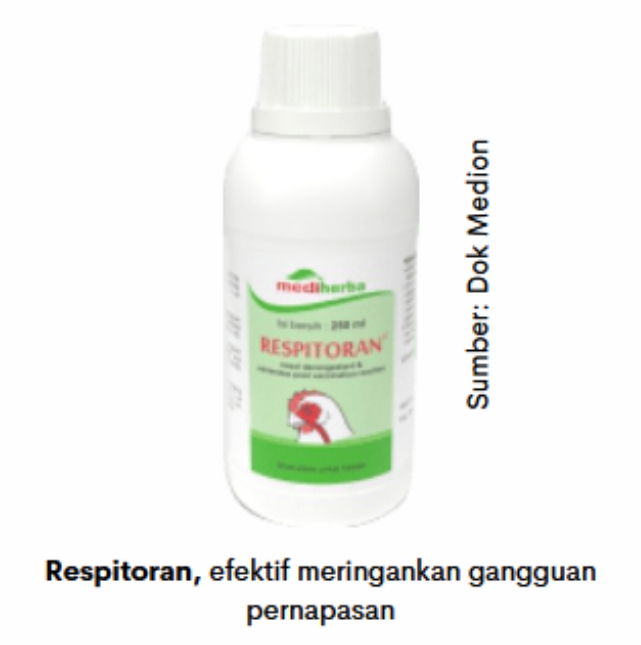
- Do vaccinations using Medivac ILT in other cages around especially vulnerable age.