Food and Agriculture Organization (FAO) it is estimated that by 2050 global meat production will increase by about 40%. Demand for free meat Antibiotic Growth Promoter (AGP) is also increasing in almost the whole country. The main drivers of this change are the laws and the demands of the needs of consumers who are beginning to be aware of Health. On the other hand, if AGP is simply eliminated, then the livestock industry could go into crisis. Including conversion and feed costs increased, livestock performance and productivity decreased and high depletion due to digestive diseases.
Therefore, the challenge for livestock entrepreneurs today is to find an alternative to AGP that can increase livestock production, but still be safe, efficient, and sustainable.
Prohibition of the use of AGP
The ban on the use of AGP by the government is a step in following up on Law No. 18 of 2009 article 22: 4c which reads “Everyone is prohibited from using feed mixed with certain hormones and / or feed additives antibiotics.” This ban is effective from January 1, 2018. As for larangan the use of antibiotics as feed additives contained in Article 16 Permentan No 14/2017 on the classification of Veterinary Drugs. Article 17 describes the mixing of veterinary drugs in feed for therapy in accordance with the instructions and under the supervision of a veterinarian. The prohibition policy refers to law No. 41/2014 Jo. Law No. 18/2009 on Animal Husbandry and health.
What is AGP?
AGP is an antibiotic used in animals in low doses with the aim of improving animal production and performance (FAO, WHO and NOAH, 2001). The mechanism of action of AGP is to suppress the development of harmful microorganisms in the digestive tract of animals so that the absorption of nutrients more efficiently (National Office of Animal Health, 2001).
Antibiotics are believed to suppress the growth of pathogenic bacteria resulting in an increase in the population of beneficial bacteria. And stimulate the formation of antimicrobial compounds, free fatty acids and acidic substances so as to create a less comfortable environment for the growth of pathogenic bacteria.
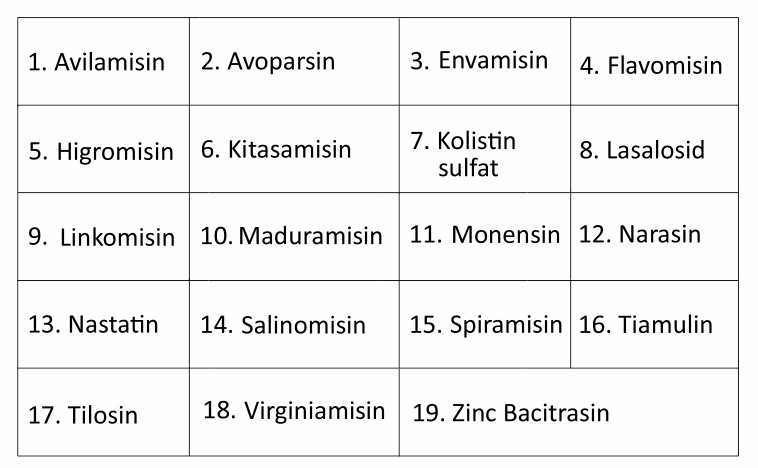
However, the use of antibiotics in feed is a negative risk for livestock and humans because it causes resistance of mycoorganisms. Another negative influence is that antibiotic residues will be carried in livestock products such as meat, eggs and milk and will be harmful to humans as consumers. Based On The Old Version Of No. TN 260/1994 there are 19 antibiotics that include AGP, namely :
Consequences of banning AGP
The ban on the use of AGP makes all feed producers strive to find alternatives to AGP that are worth it. This is so that the productivity of chickens remains optimal.
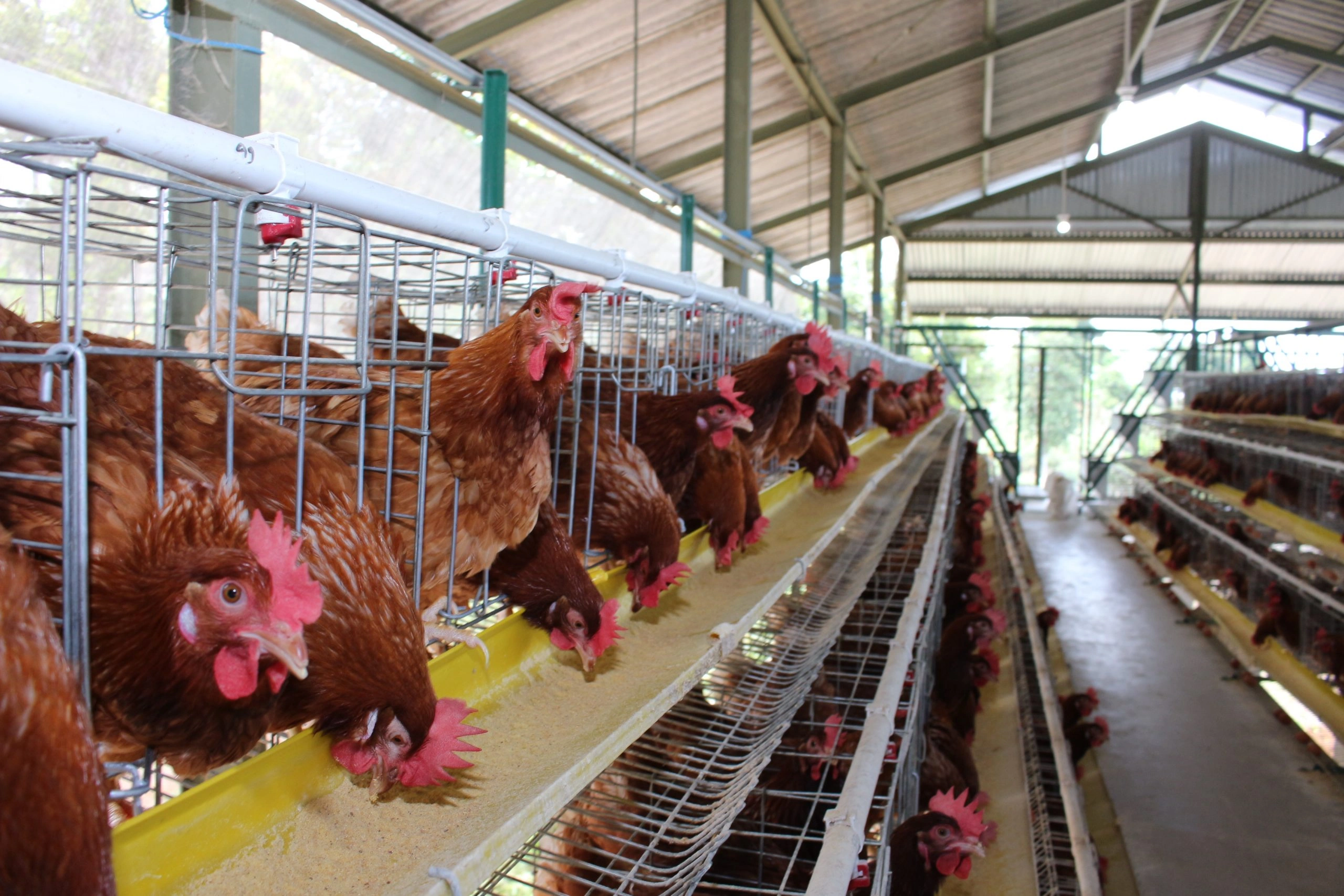
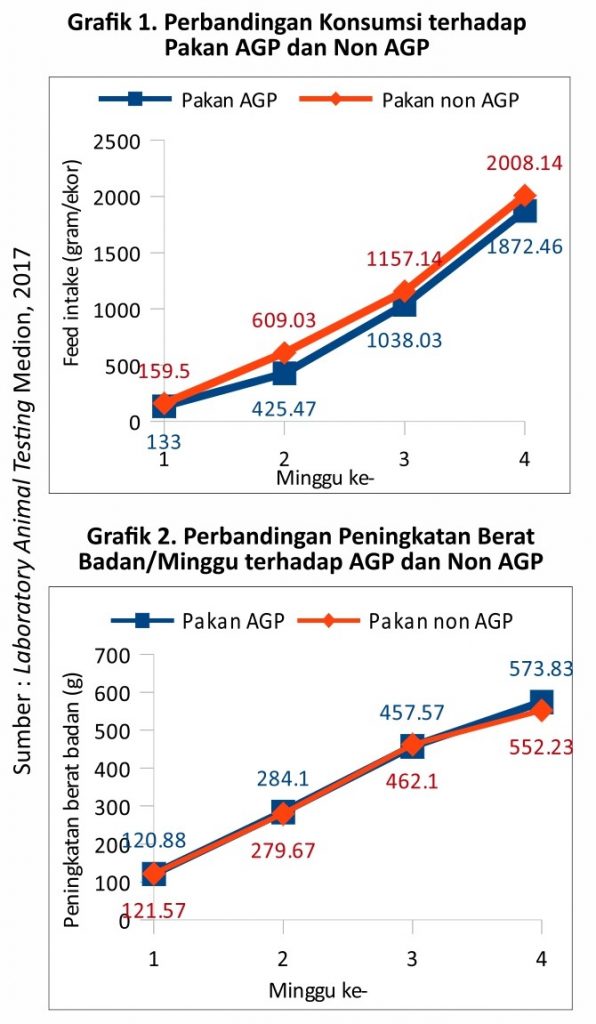
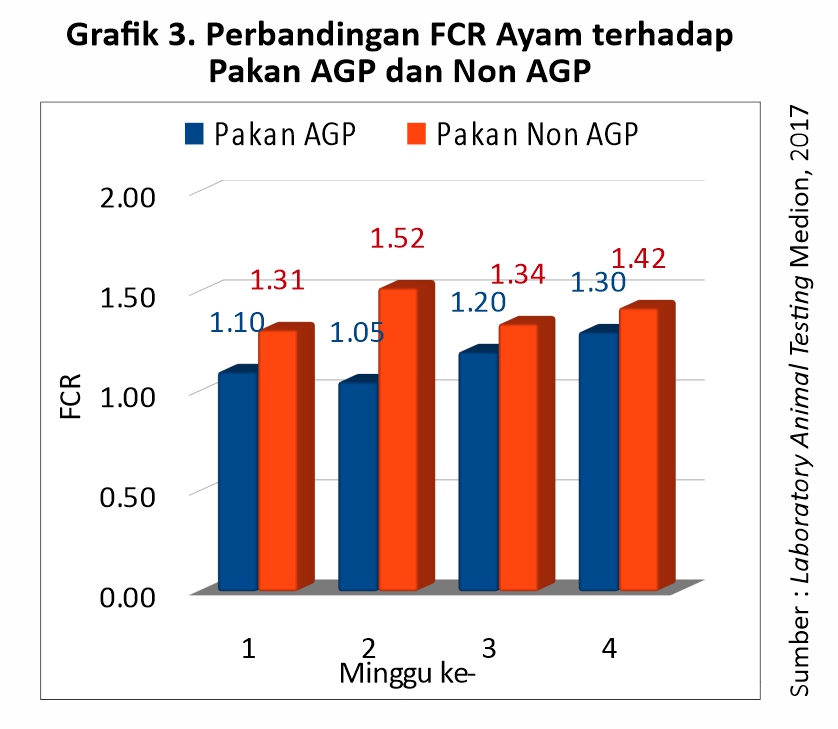
Laboratory Animal Testing Medion conducts experiments on chickens broiler commercial with feeding treatment with and without AGP (antibiotics + coccidiostat). The results of the trial showed that the group of chickens fed non-AGP from the beginning to the end of the maintenance of feed consumption is higher than the group with AGP. The resulting increase in body weight from the 3rd week to the end was lower so that the value of the feed conversion ratio (FCR) is higher in the non-AGP group than the AGP group.
Alternative to AGP
A number of efforts have been made by livestock industry players to develop alternative products. However, these alternatives require some consideration in finding the right product such as being able to reduce the incidence of infection, reduce the number of pathogenic bacteria and be able to increase nutrient absorption. Currently, there are many available and circulating AGP alternatives on the market such as organic acids, probiotics, prebiotics, synbiotics, phytobiotics, enzymes, etc. The main purpose of providing this alternative is the same as AGP, namely maintaining the balance of intestinal microflora and optimizing the digestive process.
Organic acids
Organic acidsacidifier) are organic chemicals that have a pH below 7. Through fermentation, the body can actually produce organic acids as a source of energy. However, with the development of biotechnology, industries began to produce commercial organic acids, including formic, acetic, propionic, butyric, lactic, benzoic acids.
The ability of organic acids to decompose can destabilize the cell wall of gram (+) bacteria or gram (- ) bacterial cells. Organic acids can also stimulate the production of endogenous enzymes to help improve the digestibility of feed nutrients and maintain the presence of digestive microbes that are beneficial to the host body (Pang and Applegate, 2007). Awarding Asortin in drinking water can be done to maintain the PH stability of the gastrointestinal tract and reduce infection due to pathogenic bacteria.
Probiotics
Probiotics are live microbes that if given in sufficient quantities will have beneficial effects on host health (FAO/WHO, 2002). Probiotics are basically good bacteria that are commercially produced.
Probiotics added in the feed will work to improve the balance of the number of bacteria that are beneficial to the digestive tract and compete with pathogenic bacteria to occupy the mucous membrane of the digestive tract.
In order for probiotics to be optimal as a substitute for AGP, there are several conditions that must be met, including:
- Normal intestinal Flora
- Adaptive to gastric pH
- Adaptive to bile in the intestine
- Can compete with other microbes in the gastrointestinal tract
Prebiotics
Prebiotics are food substances that cannot be digested by the host and have a selective effect on microorganisms in the gastrointestinal tract. In other words, prebiotics are food ingredients for probiotics.
When added In feed, prebiotics will work by selectively stimulating microbial growth and metabolic activity in the gastrointestinal tract and improve gastrointestinal conditions for the growth of beneficial bacteria. Examples of prebiotics are lactulose, lactitol, Fructos-Olygosaccharide (FOS), Glukose- Olygosaccharide (GOS), Xylanase- Olygosaccharide (XOS), Mananase- Olygosaccharide (MOS) and inulin.
Synbiotics
Synbiotics are a combination of probiotics and prebiotics that work synergistically. This combination product has many benefits and beneficial effects for livestock such as improving nutrient digestibility, maintaining intestinal microbiota balance, and stimulating the immune system. Examples of these synbiotics are MOS and Bacillus subtilis.
Phytobiotics
Phytobiotics are growth promoter naturally occurring plant-derived metabolites are generally secondary metabolites. Secondary metabolites that can be used instead of AGP include terpenoids, fenland (tannins, flavonoids), glycosides and alkaloids. And it is contained in extracts of turmeric, ginger, betel, sambiloto, meniran, papaya leaves.
The mechanism of action of phytobiotics in suppressing negative microbes is to improve the microflora in the gastrointestinal tract, increase the secretion of bile into the gastrointestinal tract and modify the morphology of the gastrointestinal tract.
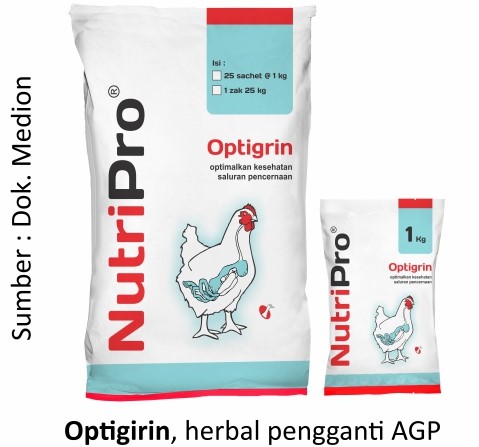
Optigrin is feed additive herbs that can be used as an alternative to AGP. Contains extracts Origanum vulgare and Andrographis paniculata, Optigrin able to kill pathogenic microiba as well as lining the intestinal villi to block sporozoites Eimeria sp. penetrating and infecting intestinal cells. The digestive tract of chickens is healthy and the absorption of feed nutrients is more optimal.
Enzymes
The body itself can produce enzymes, which are catalysts that can accelerate the reaction of breaking down complex chemical compounds into simple ones. But the body still requires additional enzymes from the outside, due to antinutritional factors in the feed, low efficiency of feed digestibility and the absence of certain enzymes in livestock.
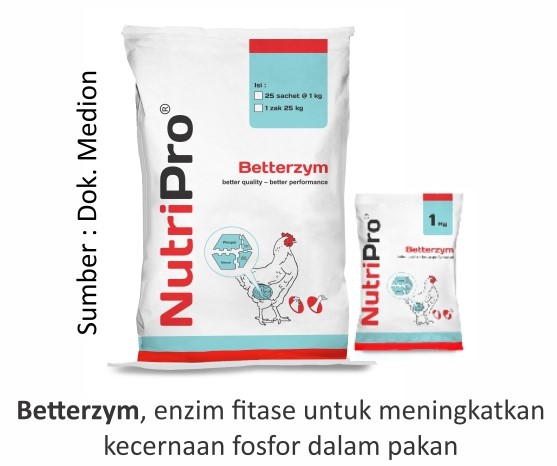
Phytase is one of the enzymes that gets considerable attention of researchers today. Ingredients of feed origin that are rich in carbohydrates such as corn, bran, wheat and others bind phosphorus elements in the form of phytic acid so that they are not able to be digested by livestock. Additions Betterzym in the feed is able to break the complex bond between phytic acid antinutrients with phosphorus minerals, so that phosphorus absorption can be increased.
Essential Oils
The addition of essential oils in the feed can increase the appetite of chickens, increase the production of digestive enzymes and function as antioxidants. There are several essential oils found in plants that can be added to chicken feed, for example eugenol from cloves, allicin from garlic and menthol from peppermint.
Thus, at a glance, information related to AGP alternatives to face the new era of the livestock industry that is free from antibiotic residues. Hopefully it can add insight to all of us.