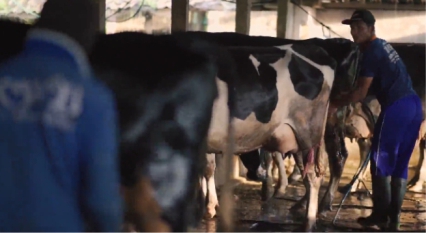
The productivity of high and good quality cow's milk is one of the important things to consider in raising dairy cows. To maintain the quality of cow's milk, it is necessary to pay attention to cow health factors, especially udder health and a good milking process. In the process of milking should be done properly and hygiene. Special attention to the hygiene of the milking process is of great importance. Before milking it is necessary to ensure that everything is in a clean condition, both the udder to be milked, the hands of the milker, as well as the equipment used.
Cleanliness of the udder, cleanliness of dairy equipment will produce good quality cow's milk and healthy consumers. If milking is not done hygienically, there is a risk that the cow will become sick and milk production will decrease. The condition of cows, milking hands and dirty equipment can carry disease-causing microorganisms. At the time of milking, bacteria from the bottom of the cage and unclean milking hands can enter the udder, causing the udder to become infected with mastitis. Unhygienic milking can cause milk to be rejected in the milk collector. Humans or consumers can also be at risk of health problems due to consuming milk or dairy products. With bad hgiene will add to the problem and cause losses.
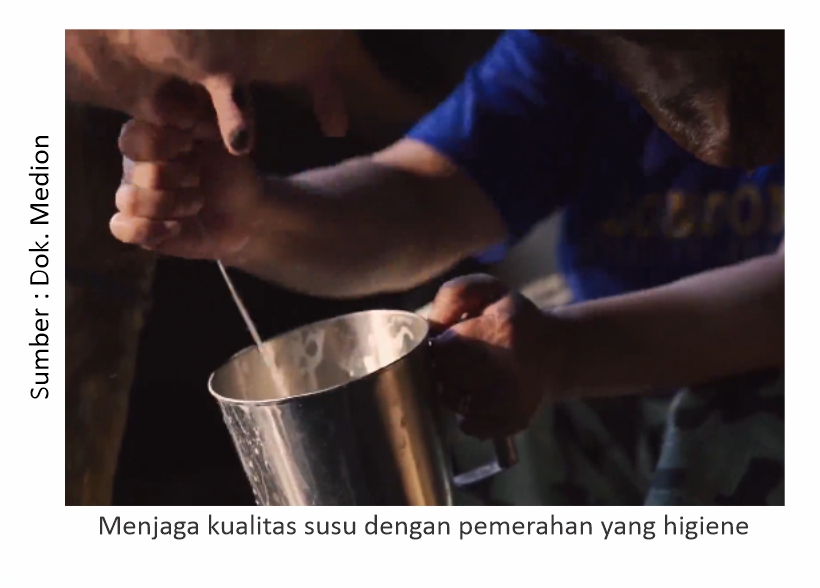
Testing the initial milk that comes out of the udder is the best way to ensure good milk condition. A few initial strips will open the nipple canal and clean the bacteria that enter and are around the nipple hole. Then, only then can the milk be evaluated. Do it striping to a dark surface or use a strip glass to make it easier. It is important to note that in the early stages of pregnancy, the uterus is removed from the uterus (stripping) the juicer needs to keep the hands clean so as not to transmit the disease.
When milk problems will be seen lumps consisting of milk protein. In severe cases, the clot also contains blood proteins that break off from the vessel wall and pass into the milk. This change in quality is mainly due to mastitis. In subclinical mastitis, physical examination of milk appears normal but will cause a decrease in milk production and quality to the detriment of dairy farmers. If mastitis is diagnosed too late it increases the chances of other cows becoming infected. The sooner the cow is treated, the greater the cow's chance of recovery.
Mastitis occurs due to the infection of microorganisms into the udder through the nipple hole then microorganisms develop in the glandular tissue that produces biological and metabolic products of tissue irritation as an inflammatory reaction. Predisposing factors or triggers of mastitis include injuries to the nipples due to rough milking, rough floors and brushes, poor sanitation in both Cage areas, dirty equipment and milking cows, as well as poor nutritional status of cows, both the quantity and quality of feed. Transmission of mastitis from one cow to another and from infected quarter to normal quarter can be through milking hands, cleaning cloths, milking machines and other equipment.
One of the efforts that need to be done to prevent mastitis and maintain milk quality is the implementation of good milking management and maintaining the health of livestock. The stage of the milking process begins with preparation, the time of implementation and after milking must be observed.
Milking preparation:
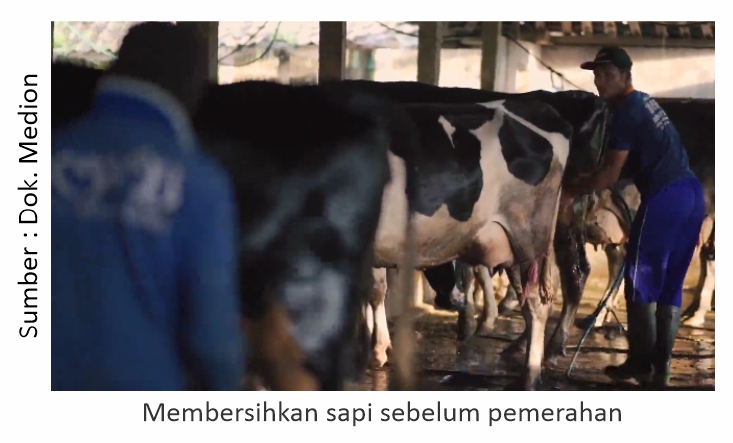
- Cleaning the cage area, especially the floor and bathing the cows. If necessary, the tail is tied to the legs so as not to get dirty and interfere with milking
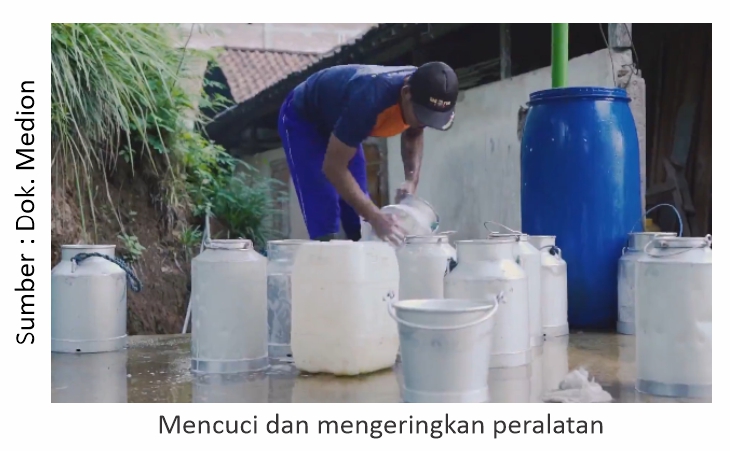
- Equipment to be used clean and dry
- Wash hands with soap before flushing.
- Examine each nipple and check its health
When milking:
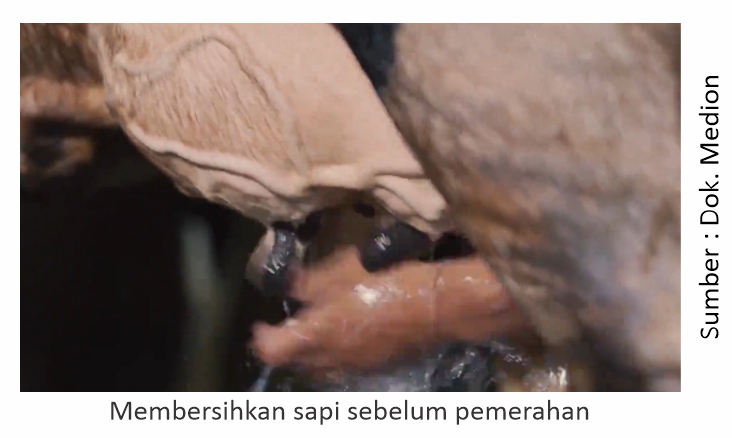
- Clean the udder with warm water then wipe with a disposable rag or clean cloth
- The milking process is carried out at regular intervals and is gentle if done by hand
- Use a lubricant when milking so that the nipples are not injured or chafed
- Milking is carried out to the end
After milking:
- After milking, the udder is washed with warm water
- Each nipple is then wiped dipping/ dip nipples with antiseptic (Antisep or Neo Antisep)
- Provide feed to keep cows standing
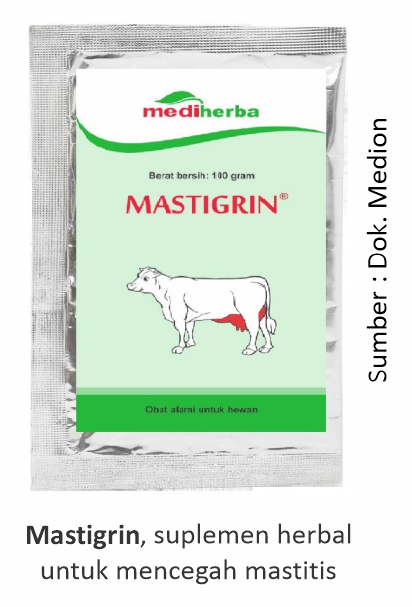
Cow health also needs to be considered so that the quality of milk remains good, especially against mastitis. To prevent mastitis can be assigned Mastigrin which is a herbal product with no advantages withdrawl time/ downtime, no drug residue, and safe to use during the lactation period. Mastigrin it also has more benefits to increase milk production. From the results of the trial in cooperation with the University of Diponegoro with the use of Mastigrin it can increase milk production by 6-7% and prevent a decrease in milk production by 11%. Similarly, the trial data on the use of Mastigrin in KUD Tani Wilis Tulungagung Regency can increase milk production by 6.6%.