Goats and sheep are one of the leading livestock in Indonesia that contribute significantly to the fulfillment of community nutrition. The population is spread throughout Indonesia. The high demand for meat is a good prospect for breeding. The business of raising goats and sheep is a promising business opportunity. This is because the demand for goats and sheep is high because goats and sheep are also used as one of the fulfillment of the needs of religious and traditional holidays. Business people who pursue this field are also still not many. In addition, the demand for exports to several countries still can not be met.
The development of goat and sheep populations in Indonesia until 2019 continues to increase. Until 2018, the trend has increased by an average of 2.5% per year (goat/sheep meat Outlook, Ministry of Agriculture, 2018). Based on livestock Statistics data in 2019, the population of Indonesian goats is 18.98 million heads, sheep 17.80 million heads. For the past 6 years, the central regions of goat and sheep populations in Indonesia are in the provinces of West Java, Central Java, East Java, and North Sumatra.
The needs of goats and sheep every year continue to increase. Especially in the month of Hajj (Eid al-adha) for sacrifice and for Aqiqoh. With the increasing demand, making the price of goats and sheep to rise. The specialty in raising goats and sheep is easy maintenance, does not require large areas of land, capital is not large, various sources of feed are available, fast to get results, short lambing period distance, high adaptability, producing several products such as meat, milk, and some hair.
The Importance of Paying Attention to Livestock Health
One of the keys to achieving optimal productivity in raising goats and sheep is the implementation of good health management. By implementing good livestock health management, it is hoped that the disruption of disease attacks can be minimized.
Regular health checks on goats and sheep are needed to keep goats awake from disease disorders. Health checks or monitoring should be carried out every day which aims to monitor the health condition of livestock and determine whether there are abnormalities in the livestock. If symptoms of sick cattle or abnormalities are found, treatment can be taken immediately.
In conducting livestock health checks, there are several things that need to be considered, such as appetite, the condition of the surrounding area (observation of feces, urine, presence or absence of blood), observing the condition of livestock (nose, clarity of eyes and fur), observing the way cattle stand and move, normal or limp walking, the presence or absence of injuries or swelling. A sick goat or sheep may show symptoms such as:
- Decreased appetite
- The body looks weak, lethargic
- Coarse, dull, falling hair
- Body scratching
- Gloomy/ gloomy eyes, dry mouth and nose
- Weight shrinking
- Presence of wounds on the body
- Stagger, collapse
- Abnormal stools (color, odor, watery / hard)
- Jalan picang
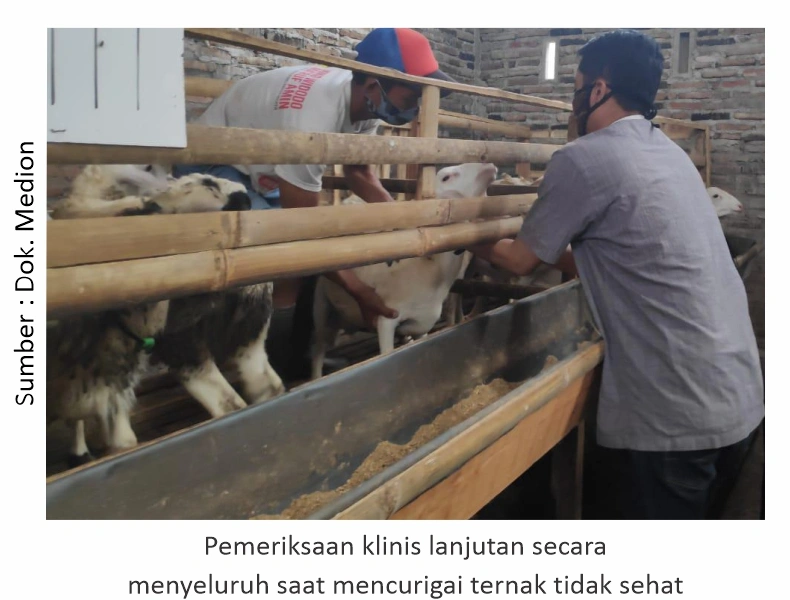
If when examining livestock, the above symptoms are found, it is suspected that the goat or sheep is in an unhealthy condition. So to avoid transmission or further spread of the disease should be separated in another cage. During the separation, the cattle are kept properly, given feed and drink as needed and daily clinical examinations are carried out to determine the development of the disease. Then immediately do the treatment according to the direction of the disease or call a veterinarian or orderlies for further treatment.
It is important for farmers and businesses to always pay attention to the health of livestock. If the livestock is already sick will cause economic losses, such as:
- Weight loss
- Growth disorders (daily weight gain becomes lower)
- Decreased appetite & feed efficiency
- Deterioration in the quality of meat, skin and offal
- Decrease in the selling price of livestock
- Increased medical costs
- Decreased reproductive status (genital maturity or late first childbearing age, calving interval or the distance between births becomes longer,)
- Decreased immunity, so cattle are more susceptible to infection with the disease
- Human trafficking (Zoonoses)
- In severe cases it can lead to death
Livestock Health Disorders
Goat and sheep health problems can be caused by non-infectious and Infectious Diseases. Non-infectious diseases that are often found cases in goats and sheep, among others:
Inflatable
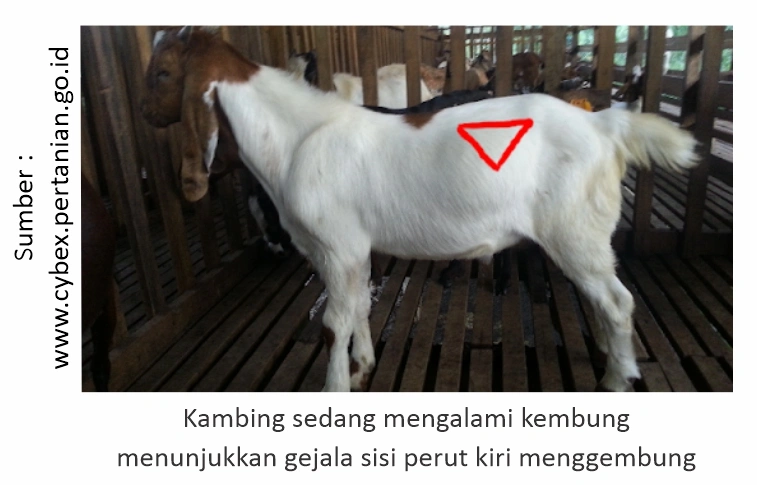
Bloating is a digestive disorder accompanied by accumulation of gas in the stomach due to the rapid fermentation process. Enlargement of the stomach by gases formed, it can be in the form of foam mixed with the contents of the rumen (primary bloating) and free gas separated from the contents of the rumen (secondary bloating). Bloating can be caused by excessive administration of legumes or legumes and little grain (corn, soybeans) or too much starch-containing concentrate and too high a content of forage chlorophyll.
Symptoms that appear if cattle experience bloating include cattle seem restless and trying to stomp, the left side of the abdomen bulging or protruding, when the stomach is patted/hit with a finger will sound like a drum sound, cattle have difficulty breathing or often bernpas through the mouth, appetite decreases dramatically. If the cattle are already experiencing bloating, the treatment that can be done on sick cattle is the administration of bloating drugs, for example Bloatex by being inserted directly into the mouth. If the condition of the cattle is severe, the effort to expel the gas needs to be done by stabbing the stomach of the left cattle with a trocar, but of course this needs to be done by trained medical personnel.
Cyanide poisoning
Cyanide poisoning is caused because goats are fed leaves that contain a lot of cyanide acid, such as cassava, cantel or fresh sorghum. Signs if cattle cyanide poisoning, usually seen after two hours of eating the feed (Mulyono, 2004). The clinical symptoms include usually appearing goat shivering, standing stagger, difficulty breathing, shaking, thrashing, seizures, dilated pupils, reddened mucous membranes, salivating, frequent defecation and urination. If the livestock is already sick, it is necessary to immediately contact medical personnel so that the livestock immediately receive treatment, for example by injecting sodium nitrite, sodium sulfate intravenously (through a vein).
Grass convulsive disease (Grass tetani)
Grass seizure disease is a metabolic disease caused by deficiency of mineral levels of magnesium (Mg) and calcium (Ca) in feed ingredients. Lack of mineral consumption will lead to nervous disorders. Some clinical signs that can be seen physically are goats or sheep having seizures in the legs that cause difficulty walking, easily aroused and agitated by loud noise disorders, frequent urination or urination. Seizures can continue in the next few days, and if left untreated can lead to death (Sodiq and Abidin, 2002). Handling that can be done is to inject fluids containing magnesium and calcium minerals intravenously.
Infectious diseases that often affect goats and sheep include :
Echtyma Contagiosa (ORF)
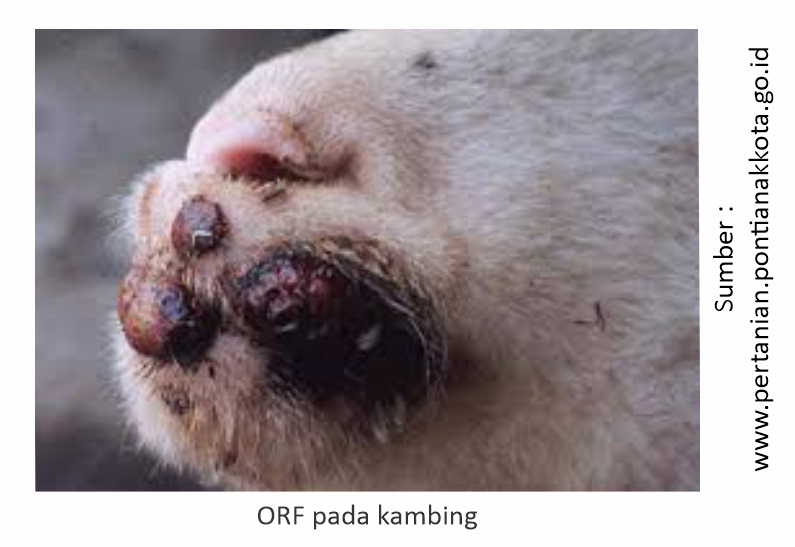
ORF disease is also often referred to as bengoran or dakangan. ORF is an infectious animal disease in goats and sheep characterized by the formation of scabs on the skin in the lip area. ORF attacks Young & Adult Cattle. ORF is zoonotic or contagious to humans. ORF disebabkan oleh virus Parapoxinfections, to which the virus is sensitive to all kinds of disinfectants such as Medisep, Zaldes, Desinsep, Antisep.
The mode of transmission can occur horizontally, namely from sick tenak to healthy livestock, either in direct contact with skin wounds or indirectly through materials or equipment contaminated with the virus. Clinical symptoms that appear are inflammation or sores around the lips, eyelids, genital organs, udder, legs & areas that are rarely overgrown with feathers.
The inflammation then blisters, oozes fluid and forms crusts. In severe conditions or if there is a secondary infection, it can cause lip abnormalities or even death. Handling that can be done if the cattle are already sick is to separate sick cattle from healthy cattle, to prevent secondary infections can be given antibiotics such as Medoxy LA, G-Mox LA or Trimezyn Bolus. It is also recommended to take a multivitamin to improve the condition of the body (ADE-Plex Inj, Vita B Plex Bolus). Skin that has been injured can be given local treatment or smeared with iodine tincture (Antisep).
Pink eye
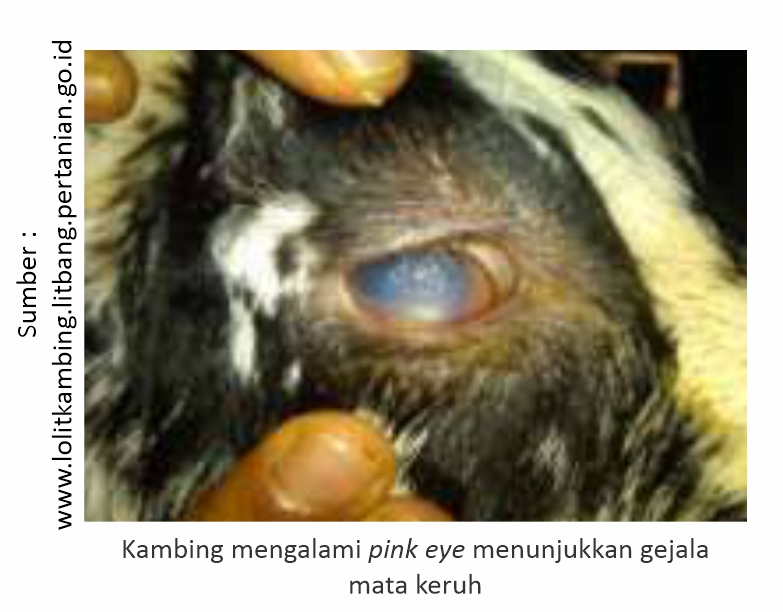
Pink eye or often called inflammation of the eye, cataract or bular eye disease is a disease of the eye caused by bacteria and often attacks goats and sheep. This disease is caused by Rickettsia conjungtivae, Mycoplasma conjungtivae, or Brahnanella catarali. The disease is transmitted horizontally from sick cattle to healthy cattle either through direct contact through eye secretions or indirectly through dust, fly vectors or equipment contaminated with bacteria. Pink eye attacks all age livestock with a mortality rate of less than 5% but the level of pain is quite high up to 70-80%. Sick cattle will appear red and inflamed eye symptoms, sensitive to light (avoid light), excessive tear discharge, cloudy cornea, corneal blood vessels dilate, infection can occur in one eye or two eyes.
Handling if cattle are already sick by separating sick cattle from healthy cattle, treatment with antibiotics that are effective for gram-negative bacteria, such as Medoxy-LA or Neo Meditrile-I. Avoid livestock from direct sunlight, provide multivitamins to increase endurance and accelerate healing with ADE-Plex Inj, or Vitamin B Complex Injection.
Daily sanitation and disinfection of the cage with Zaldes, Medisep, prevent excessive dust so as not to aggravate the condition and no less important is controlling flies in the cage area. In the control of these flies can be assisted by using Flytox to kill adult flies by sowing on plastic placed in an area of the cage that many flies and Larvatox to kill fly larvae by mixing into the feed.
Worm Infestation
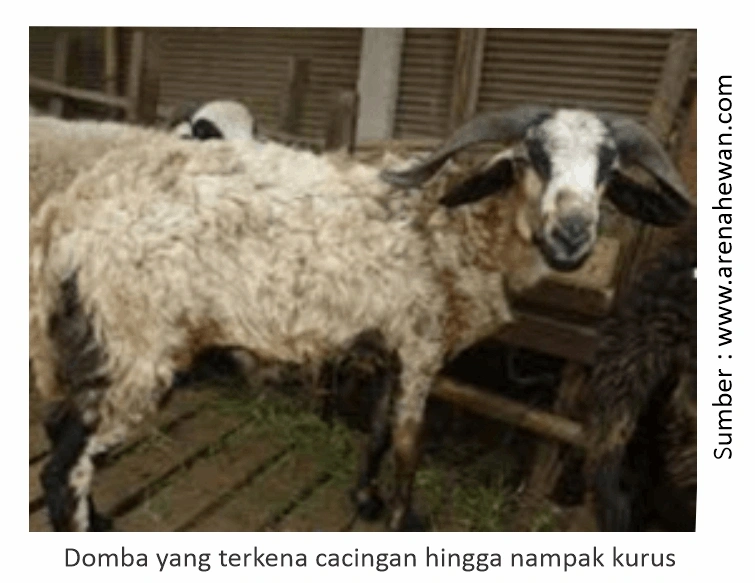
An internal parasitic or endoparasitic disease that often affects livestock is intestinal worms. It is well known that worm disease is caused by the presence of worm infestations in the body of livestock, both in the digestive tract, respiratory, liver, and other parts of the body. Clinical symptoms that appear if cattle are affected by worms, in general, can be seen a decrease in appetite, in chronic cases, digestive disorders can occur in the form of constipation with dry stools, in severe cases, diarrhea can occur, cattle appear weak, anemia, stunted growth and decreased productivity. In the case caused Bunostomum spp. fluid deposits can appear on the skin, especially around the jaw.
Transmission can occur through grass contaminated by worm infective larvae, through fecal contamination containing worm eggs, or through intermediate hosts such as snails in the transmission of trematode worms. If the patient is sick, the treatment can be done is deworming (Nemasol K, Vermizyn SBKa multivitamin (ADE-Plex Inj, Vita B-Plex Bolus), sanitation of cages and cage equipment by cleaning cages & equipment as well as regular washing and disinfection and eradication of intermediate hosts i.e. snails
Scabies (gudigan, kudis)
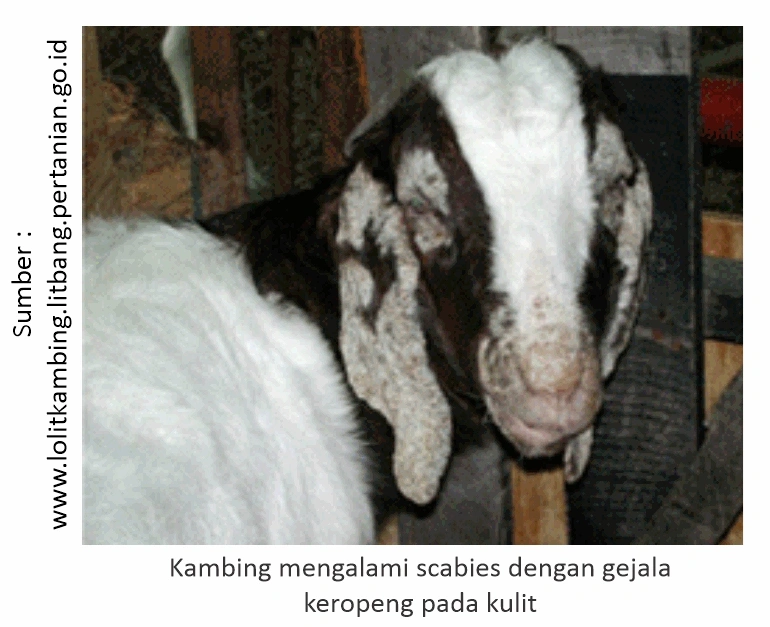
Infectious skin diseases caused by parasites outside the body, namely mites and are zoonotic or transmitted to humans. Scabies is caused by mites Sarcoptes scabiei. This disease affects all ages of livestock, especially young cattle. Transmission of scabies occurs horizontally, namely direct contact with sick animals or indirectly through material contaminated with mites Sarcoptes.
Clinical symptoms that are observed are redness of the skin, then formed like blisters and inflammation, sometimes until the discharge due to irritation and then the surface of the skin formed a scab or crust. Cattle feel itchy and scratch or rub their bodies so that wounds occur. If cattle are affected by scabies need to be separated sick cattle from healthy cattle then treatment is carried out to kill the mites, for example by Wormectin Plus Bolus, Wormectin Plus or Wormectin Injection and last but not least by keeping the cage clean & spray the cage with antiectoparasites for example Delatrin.
Keeping Livestock Healthy
Fat and healthy goats and sheep are the target of every farmer. In order for goats and sheep that are kept to have good endurance and are not susceptible to disease, it is necessary to pay attention to several factors, such as :
Good maintenance
The provision of suitable housing is an important factor for the safety, comfort and productivity of livestock. A good Cage is certainly in clean conditions, has enough sunlight, is not hot or shady, is safe and strong. The ideal goat cage size for fattening and dairy goats is at least 120 x 150 cm per head, with a stage height of 70 cm while for cultivation for a mother cage and two children 120 x 120 cm per head, a mother cage or enlargement after weaning 100 x 125 cm per head and a stud cage 110 x 125 cm per tail (Verwandi, 2019). Make sure the air circulation in the cage is good and not a lot of dust.
Good biosecurity practices need to be implemented. For example, with the discipline of cleaning the cage area regularly, disinfecting the cage using disinfectants such as Medisep or Zaldes at least once a week, clean the feed bin by taking the rest of the feed and cleaning the dirt in the feed bin. Dirt that is under the stage Cage also needs to be routinely cleaned at least once a week.
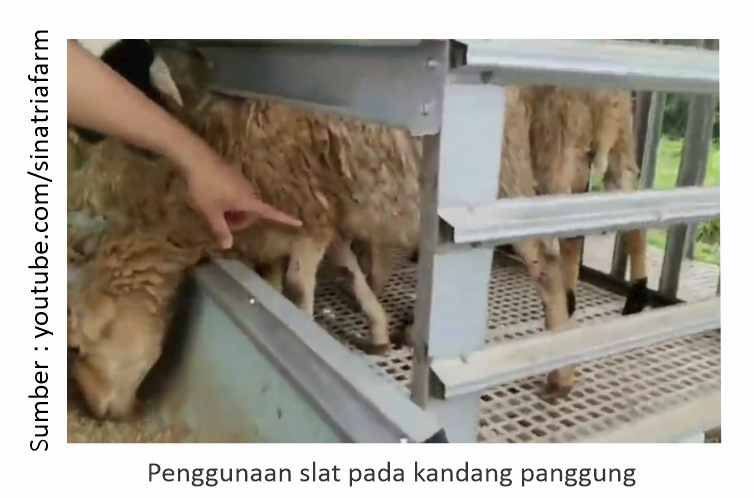
Vector and ectoparasite control in the enclosure area is important. Ectoparasites in goats and sheep such as flies, fleas, mites, ticks and fleas. This aims to prevent transmission and attack of the disease. Anti-ectoparasite spraying needs to be done regularly with anti-ectoparasite drugs sprayed on the floor and between cages.
Ectoparasites are a type of parasite that lives by attaching to the body of livestock like insects. This type of parasite can cause livestock to become emaciated. Usually, when cattle are infected with ectoparasites, their appetite will also disappear. for example, by spraying the solution Kututox-S or Delatrin. Cleanliness of the cage both from dirt and parasites is important to maintain the health of livestock. With a clean Cage, the livestock will avoid disease attacks.
Quality feeding
Feeding goats and sheep with balanced nutritional content and as needed will certainly produce optimal productivity. It can also help increase the endurance of livestock. Concentrated feeding can be given twice a day.
Giving the concentrate should be used up at a time to avoid the growth of fungi and decay that can trigger the disease. Avoid feeding in the form of young forage in large quantities, because the mineral content of magnesium and calcium is still low. If mowing the grass should be cut above the surface of the water.
In giving forage also needs to be done first to reduce the water content in the green that can trigger bloating and transmission of worms. If the cattle are grazed, try not to graze the cattle too early and use the grazing area in rotation or move places and avoid muddy grazing areas.
Regular health control
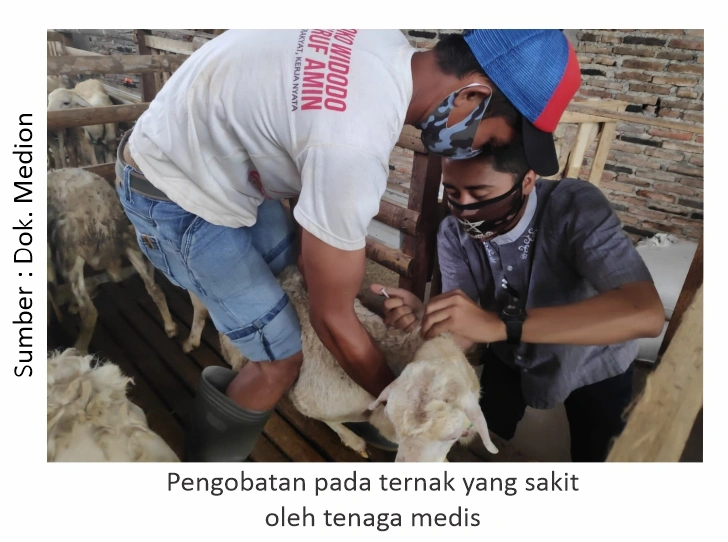
Health controls that need to be carried out include daily clinical examinations, quarantine measures when new livestock arrive to avoid transmission of sick livestock but are still in the incubation period (no clinical symptoms have appeared), isolation of sick livestock and treatment measures.
Daily health control can be done every morning, for example, at the same time as feeding. If you see a sick goat or sheep, then immediately conduct a thorough clinical examination. Then the goat or sheep needs to be isolated and should not be mixed with other livestock and then handled or treated. Infected cages should be emptied, cleaned, washed and disinfected, for example by Formades or Sporades then take a cage break of at least 2 weeks. Livestock that have died from disease need to be disinfected first and then buried or burned.
Optimal health Program
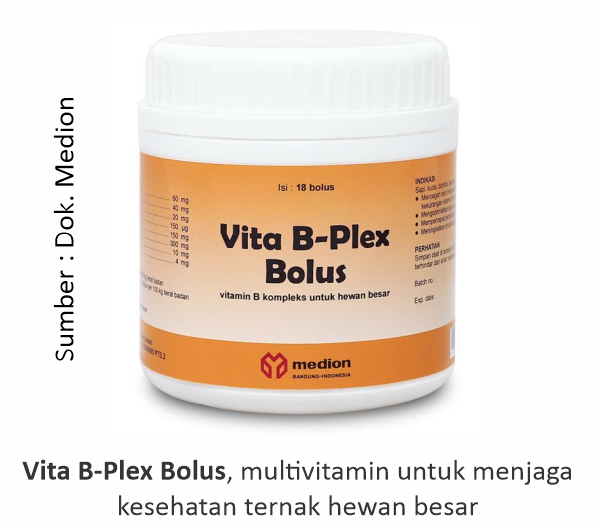
Health programs need to be done to improve and maintain the immune system of livestock and prevent disease. For example, by giving supplements or multivitamins. Multivitamin administration is useful to prevent and treat diseases caused by vitamin deficiency, increase appetite, improve metabolism so as to accelerate growth and increase productivity. Routine vitamin administration is done every two months, but it can also be given when the GOAT is sick or looks limp. Vitamin products are given for example Vita B-Plex Bolus, Vitamin B Complex Injection or ADE-Plex Inj.
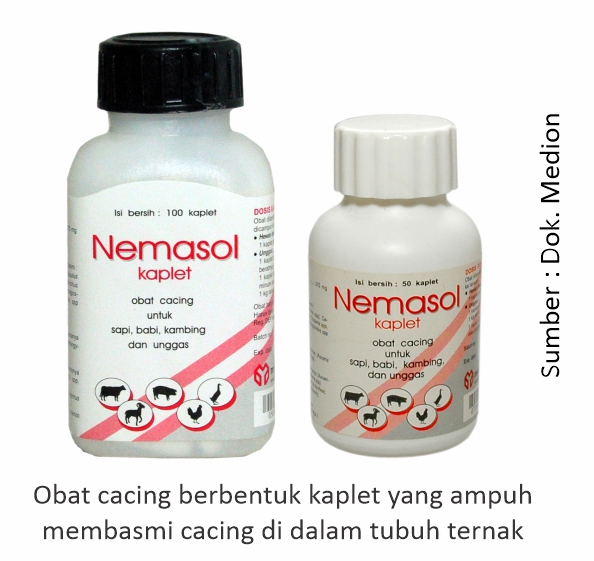
Deworming needs to be given to prevent deworming disease. Worm disease is a serious threat to goats and sheep so it must be completely prevented. Cattle that are not infected with worms will also be more expensive when sold because they are healthier and fatter. For that, give worm medicine according to the dosage, for example with Nemasol K, Wormzol K or Vermizyn SBK.
Deworming needs to be done periodically every two or three months so that the livestock is free of worms. If you see more specific symptoms such as one of the goats looks thinner, then the GOAT is carried out further measures such as stool examination and treatment.
From the description, it is important to increasingly realize that the application of good livestock health management is an inseparable part of the business system of raising goats and sheep. With healthy livestock it will be more productive and more optimal profits.