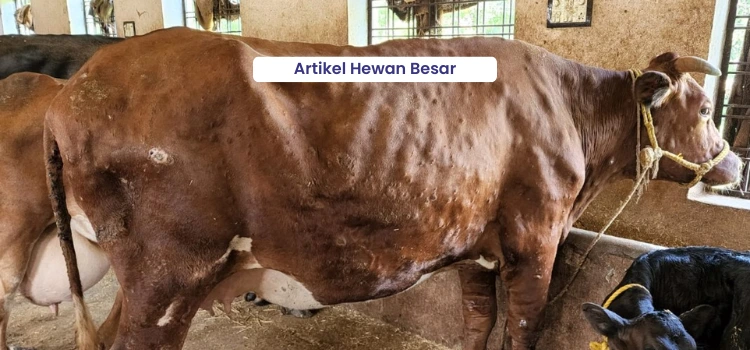
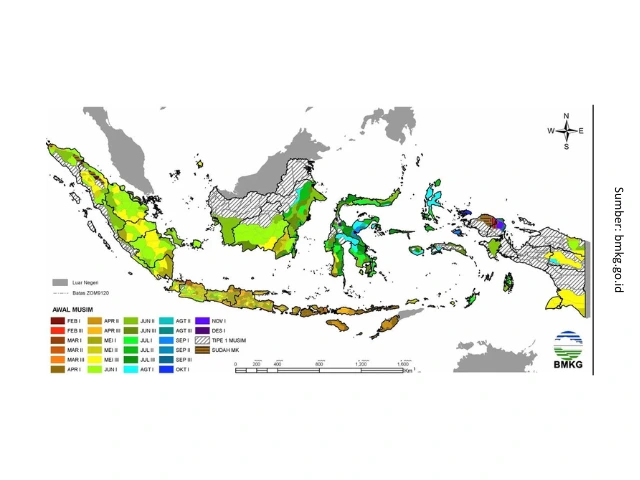
The various challenges in the livestock industry are inextricably linked to disease, especially when triggered by predisposing factors such as livestock stress due to drastic weather changes. Indonesia is predicted to experience an El Niño phenomenon in 2026, which has the potential to cause the dry season to arrive earlier, with conditions drier, hotter, and longer than usual. Most parts of Indonesia are predicted to enter the dry season in April, May, and June. High temperatures typically increase the risk. heat stress, especially in dairy cattle, which can reduce appetite and productivity, and trigger a decline in the livestock's immune system. This condition can also be favorable for disease vectors such as insects, flies, and mosquitoes, which can trigger the spread of the disease. Lumpy Skin DiseaseThe emergence of Lumpy Skin Disease in Indonesia since 2022 has become a particular concern and requires vigilance for cattle (both beef and dairy) and buffalo farmers. Its spread has reached Lampung, West Java, East Java, Bali, and Sulawesi.
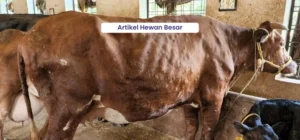
Clinical symptoms include skin lesions in the form of nodules or lumps measuring 1-7 cm, most often seen on the head, neck, back, legs, and udder. Nodules typically appear 7-19 days after viral infection. Over time, the lesions can rupture, causing ulcers or open wounds that dry out and leave large holes. Mild cases typically involve only one or a few lumps in a specific area. Livestock also experience a high fever of 41°C, decreased feed consumption, and malnutrition. Nasal discharge, excessive salivation and tearing, and enlarged superficial lymph nodes are common. The morbidity rate for LSD varies between 10-20%, with a mortality rate of 1-5% (World Organization for Animal Health, July 2025).
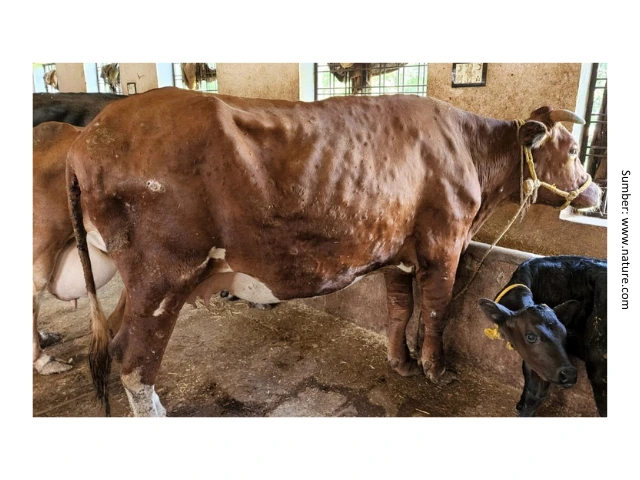
The effects of LSD can certainly cause significant losses due to decreased production and reproductive performance. These include skin damage/abscesses, weight loss, decreased milk production, reproductive disorders, miscarriages, and even death.
This disease is not contagious to humans, but it is very easily spread and transmitted between livestock. Transmission occurs primarily through insect bites such as flies (Stomoxys sp., Biomyia fasciata, Haematopota spp, Hematobia irritans), mosquito (Aedes aegypti, Culex) and fleas/ticks (Rhipicephalus and Amblyomma). Direct transmission from sick livestock to healthy livestock occurs through skin lesions, blood, nasal discharge, eye discharge, saliva, semen, or milk. Indirect transmission can also occur through feed, drinking water, equipment, syringes, barn worker clothing, and transportation contaminated with the LSD virus. This disease can spread over long distances in the movement of infected animals. Control of this disease requires a combination of prevention practices and vaccination strategies. biosecurity and good livestock management.
Livestock Quarantine and Isolation
- Restrict the movement of livestock purchased from areas free of LSD outbreaks. Local cattle from other feedlots are permitted to be shipped, provided they have been vaccinated against LSD for more than 28 days prior. Proof of vaccination certificates from the supplier and the local veterinary agency are required.
- Early detection of newly arrived livestock. Monitor for discharge from the eyes and nose, as well as signs of high fever. Livestock showing signs of skin lumps should be immediately separated from the herd to focus on prompt treatment and prevent transmission.
- After weighing, selecting, and inspecting, herd the livestock into a quarantine pen and conduct daily observations and feed adaptations for at least 14 days. Monitor their health daily before mixing them with other healthy livestock.
- The pens they will occupy must be clean and dry. It's best to disinfect the pens several days before the livestock arrive to prevent the newly arrived livestock from contracting diseases due to unsanitary conditions.
Strict Sanitation and Biosecurity
- Efforts to minimize the transmission and spread of the virus include sanitizing and disinfecting cages and equipment. Remove feces and leftover feed before they accumulate, and keep the cage drainage system dry. Cage waste should be cleaned daily or adjusted to a sawdust bedding replacement schedule. Feeding and drinking bowls should be washed, scrubbed, and disinfected regularly using a disinfectant. Medisep or Zaldes. When empty the cage can use Formades after the cage is washed.
- Maintain good air circulation in the cage and prevent the cage from becoming damp and wet.
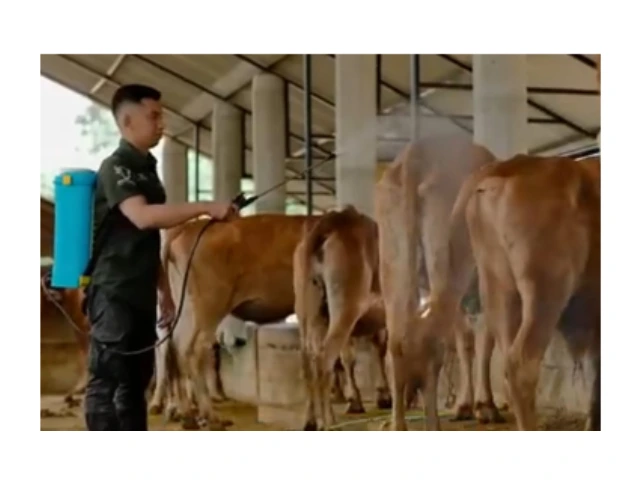
Vector Control and Carcass Handling
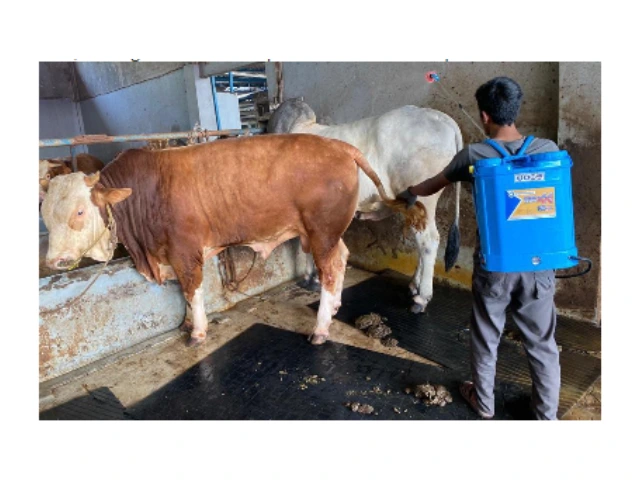
No less important is spraying anti-ectoparasites on the floor and gaps in the cage. Kututox-S or Delatrin. Usually, when livestock are infected with ectoparasites, their appetite will also decrease. If there are many adult flies roaming around the pen, farmers can eradicate them with insecticides such as Flytox and Delatrin. Flytox It is an effective insecticide that controls flies in livestock areas without causing resistance, works quickly, and has a long-lasting effect. Similarly, Delatrin has a knockdown effect (kills flies instantly). Flytox applied by sowing, while Delatrin applied through a spray.
Vaccination and Immunity Boosters
Vaccination is an effective way to control disease in endemic areas. Common vaccines include Foot and Mouth Disease (FMD) and Lumpy Skin Disease (LSD). Other vaccines can also be added depending on the level of disease susceptibility. Multivitamin supplements are beneficial for preventing and treating diseases caused by vitamin deficiencies, increasing appetite, improving metabolism, thus accelerating growth and increasing productivity. Routine vitamin administration is carried out every two months, but can also be given when livestock are sick or appear weak. For example, by administering vitamins. Vita B-Plex Bolus, Injekvit B Plex or ADE-Plex Inj. For newly arrived livestock, it can be given Bioselvita. Bioselvita useful for overcoming muscle disorders and increasing energy intake before and after transportation. ATP is one of the most important energy materials and is very necessary for the body. Magnesium, Potassium, Sodium and vitamin B12 in Bioselvita can help overcome muscle disorders and repair muscle tissue before and after transportation. Give Transolite It also minimizes stress in livestock and prevents weight loss. The vitamin C in Transolit acts as an antioxidant and suppresses cortisol levels, thus relieving stress. Other nutrients can also help increase appetite, boost immunity, and support physiological and metabolic activity in the body.
Ensure Nutritional Fulfillment and Optimal Absorption
Provide nutritious feed according to your livestock's daily needs by creating a balanced formulation of carbohydrates, protein, and forage. Add premix. Mix Plus Cattle Pro into cattle concentrate to help increase consumption and provide the livestock with the necessary micronutrients. Change feed gradually. Allow time for adaptation by providing a small amount of concentrate each day mixed with forage. Additionally, Digesfit It is also able to increase appetite, improve digestion and digestive disorders in cattle.
Treatment If LSD Disease Is Indicated
- Immediately isolate symptomatic livestock from healthy livestock. Dead livestock can be burned or buried.
- Clean the open wound first using an antiseptic. AntisepIf the wound produces pus leading to an abscess, remove the pus and clean it, then clean it with Antisep.
- Once the wound has closed sufficiently, spray with Oxytic Continue every day to speed up wound drying and avoid flies and bacterial infections.
- Provide anti-inflammatory, analgesic and fever reducer in one preparation such as Medipiron Injection to treat symptoms of fever and inflammation in the livestock's body.
- Provide complete vitamins to increase the body's resistance and speed up healing by ADE-Plex Inj or Injekvit B-Plex
- Report to the local animal husbandry and animal health service.
- If there is a combination of secondary infections, give antibiotics such as Lincomed-LA, Neo Meditril 10-LA, or G-Mox 15 LA Eng.
- Don't forget to continue to sanitize and disinfect cages, vehicles and equipment more regularly using Medisep or Sporades.
With the several treatments explained below, it is hoped that we can prevent and control LSD outbreaks on cattle farms in Indonesia so that in the following years such outbreaks will not be found again.