Octaviano Nugraha
Belitung
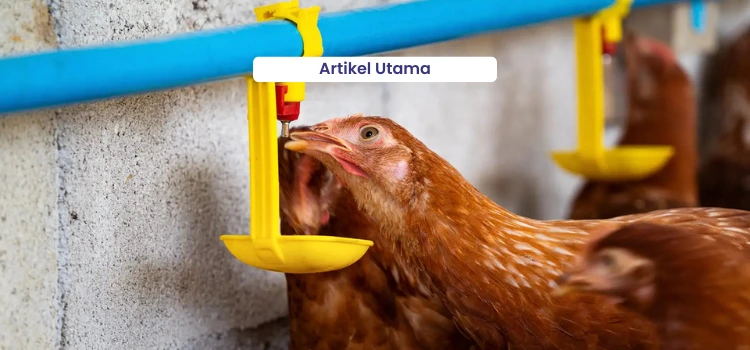
I maintain pullet, from the age of 3 weeks many are cannibals. In fact, the feed and place, the size of the cage and vitamins have been fulfilled. Already done beak cut at the age of 0 days. Now the age of chickens has reached the age of 5 weeks, but there are still cannibals. Well what to do?
Answer:
Thank you for the question asked. Salam kenal Bapak/Ibu Octaviano. Some of the factors that cause chickens to become cannibals include :
- Cage density
When moving the cage, the chickens will re-adapt to the new cage environment. The heat of the oven will cause the oven to heat up (heat stress). The heat is caused by poor temperature and air circulation. It is also affected by the high density of the cage. If stressed by heat, chickens will be less likely to peck.
- Feed particle size and feed preparation
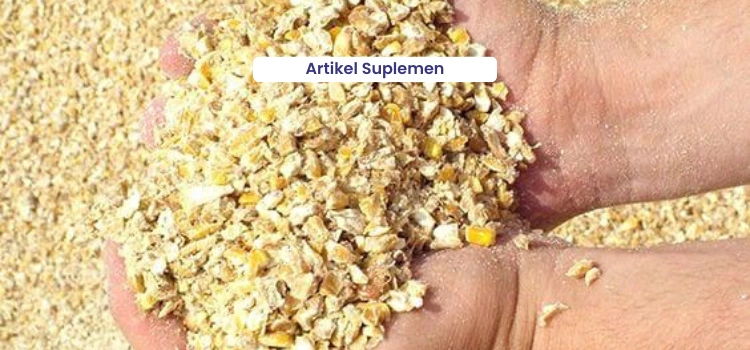
Poultry grower should be given feed with the type crumble with a particle size of 1-2 mm in diameter to stimulate the digestive organs to work optimally, especially the cache and gizzard
- Lack of coarse fiber and salt
If the chicken lacks coarse fiber in the feed, then it will tend to peck at the feathers. A nutrient that affects cannibalistic behavior is salt deficiency (NaCl).
- Feeding time
Irregular feeding times can also trigger chickens to have cannibalism.
- Ectoparasite infestation
The presence of ectoparasites outside the chicken's body such as mites, ticks, and fleas will cause the chicken to feel itchy and peck the feathers on its body until it bleeds. This can trigger other chickens in the cage to become cannibalistic.
- Chicken uniformity
Chickens with non-uniform age or weight in one cage result in high feed consumption competition. It is this small chicken that will eventually lack nutrients and can lead to self-feather pecking behavior and even cannibalism against other chickens. In addition, a non-uniform age in the cage will result in older chickens tend to attack younger chickens. This can be fatal if the wound bleeds because it will provoke other chickens to attack.
Therefore, you should first identify the exact cause of the behavior. As for the general way to prevent the incident from happening again is to regulate the environment and density of the cage. Try to keep the cage ventilated to get good air circulation. If the cage has started to heat up, it can also be added blower or fan. Adjust the density of the cage so that the chickens are free and comfortable.
Some things that can be done to overcome cannibalism are :
- Adjust the density of chickens so as to reduce the level of competition.
Cages that are too dense will increase competition in getting rations, drinking water and oxygen. This competition will bring up chickens that lose and win so that their growth becomes non-uniform. Density of laying hens during the period grower (4-10 weeks) preferably 12 heads/m2 (ISA Management Guide, 2015). Cage density should be regulated to minimize competition and cannibal behavior in chickens.
2. Pay attention to the particle size and dosage form of the feed
Feed grower should be provided with a rough structure with the type crumble. Also note the alternation of feed form of Phase starter to phase grower. Alternation is carried out gradually over 1 week to reduce the level of stress in chickens. Feed turnover percentage 75% : 25%, 50% : 50%, 25% : 75%, 100%.
3. Improve feed nutrition.
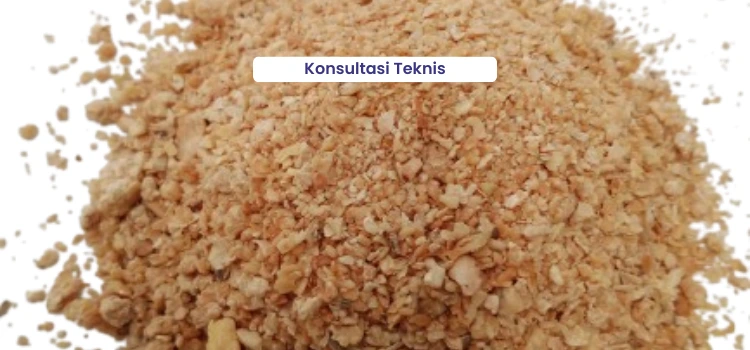
If the chicken lacks nutrients, especially salt or coarse fiber, then raw materials containing high fiber in the form of Bran, palm kernel meal or DDGS can be added to the feed. If there is a lack of salt, then table salt can be added to the feed formulation with a maximum use of 2%.
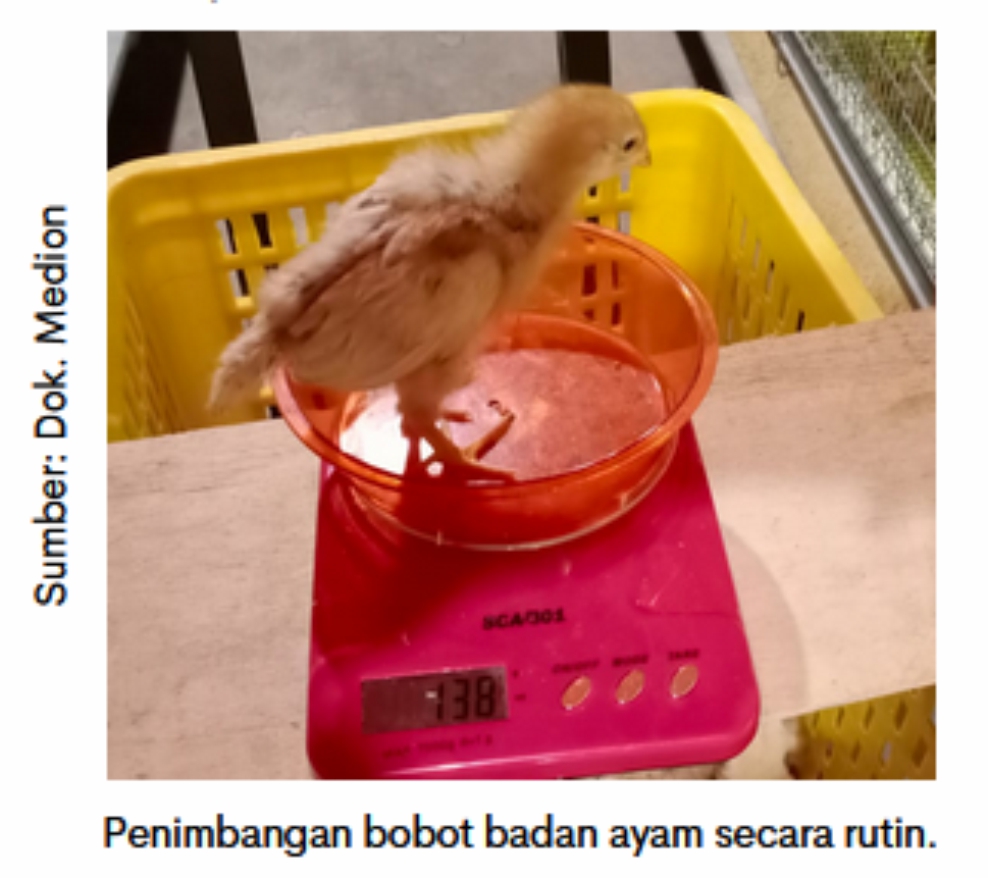
4. Carry out regular weighing to monitor the achievement of chicken body weight according to maintenance targets. Separate chickens of different weights or ages in different cages. While chickens with different body weights, can still be placed in the same cage but given a bulkhead so as not to mix.
5. Cut the beak (debeaking) Cut the beak in addition to aiming for feed efficiency, it also minimizes so that chickens are not cannibals. Cut the beak can be done at the age of 8-10 days and can be repeated at the age of 8-10 weeks.
6. Treatment of ectoparasites
Carry out the eradication of ectoparasites using insecticides. Examples are Kututox Oral. Kututox Oral very effective and practical because it is given through drinking water. Antiparasitic inside Kututox Oral what enters the chicken's body will then be absorbed in the intestine, then circulate in the chicken's blood. When some ectoparasites, for example, ticks (Menopon gallinae and Menacanthus stramineus), mites, fleas, and ticks suck the blood of chickens, antiparasitic active substances will come into contact with ectoparasites and work to affect their nerves so that the ticks are eventually paralyzed and die. In the case of other types of ectoparasites such as ticks (Lipeurus caponis, Goniocotes dissimilis, and Cuclotogaster heterographa) that eat dry dandruff (epithelial cells), keratin fur, or peeling skin, then the pesticides given are the types of pesticides given by spray / sow such as Kututox-S given by sowing or spray.