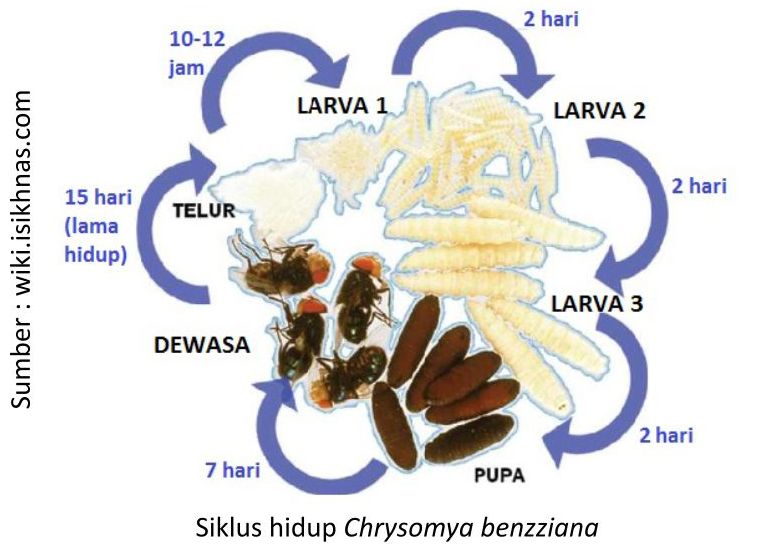
Cases of maggots or myasis is a wound caused by a fly infection, so that flies multiply (lay eggs) and produce larvae (maggots). Maggots appear if the farmer does not immediately carry out the treatment of wounds in the livestock. For example, injuries due to improper cage construction, slashed by Sharp Objects, wounds after childbirth, navel that is still wet, tick bite wounds, and injuries caused by scabies which can cause bloody discharge. The smell of fresh blood that comes out will attract the attention of female flies to lay their eggs into the wound. Within 12 hours, the eggs will hatch into larvae and move into the tissue. There are three main types of wood flooring in India: wood flooring (Chrysomya bezziana), secondary flies (C. megacephala, C. rufifacies, Sarcophaga sp.) and tertiary flies (Musca spp).
The occurrence of maggots not only in farms that are maintained ektensif or diumbar but also occurs in farms that are maintained semi-intensively. Maggots have spread widely in Indonesian regions such as South Sulawesi, Sumba, Sumbawa, Lombok, Java and Bali, even the prevalence rate in the Minahasa area reaches 20%.
Animals susceptible to maggots include cattle, buffaloes, horses, pigs, goats and sheep. Cases of maggots mostly occur on the vulva of the mother after childbirth, on the umbilical cord of newborn cattle and due to traumatic injuries. The clinical picture is generally in the form of damage to the skin and subcutaneous tissue and melting with a foul odor.
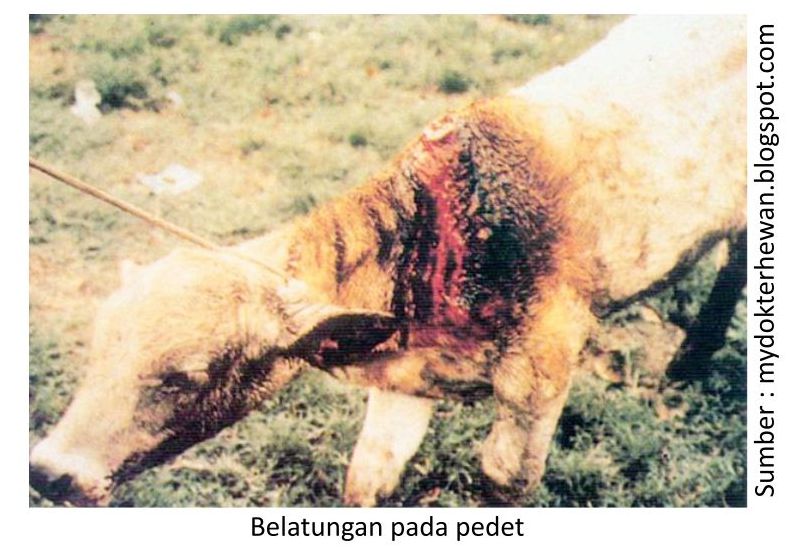
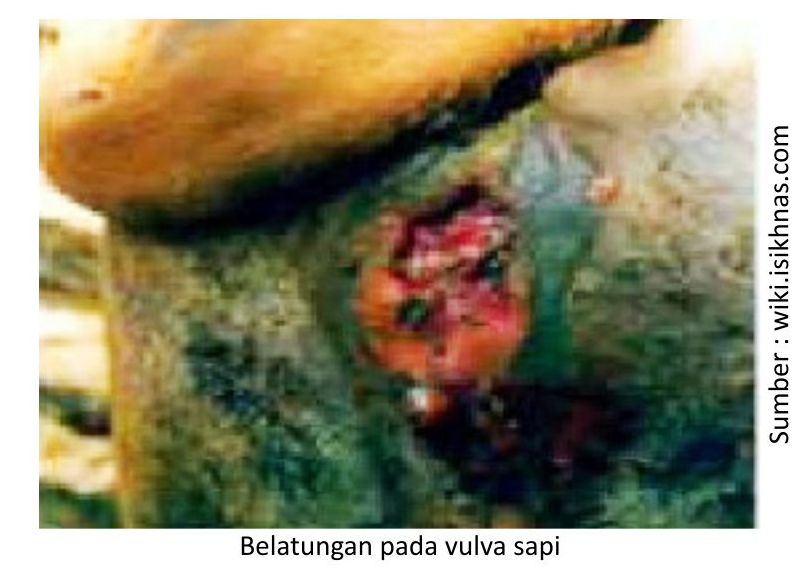
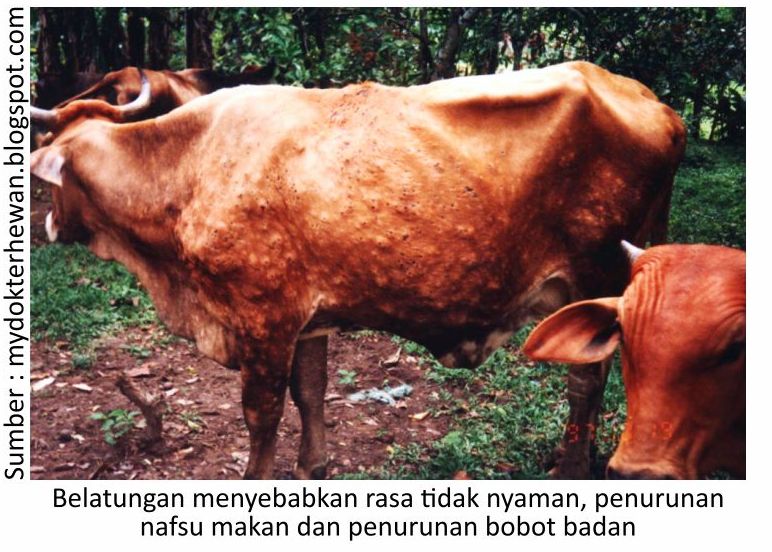
The occurrence of maggots will certainly harm farmers such as a decrease in livestock body weight, decreased milk production, decreased skin quality, the occurrence of secondary infections, and even cause death. Cattle suffering from maggots will experience itching and pain, causing discomfort and decreased appetite. This will have an impact on reducing the body weight of livestock which can cause losses when the livestock is sold. Decreased appetite in dairy cows and goats will also reduce milk production, which is economically valuable for farmers.
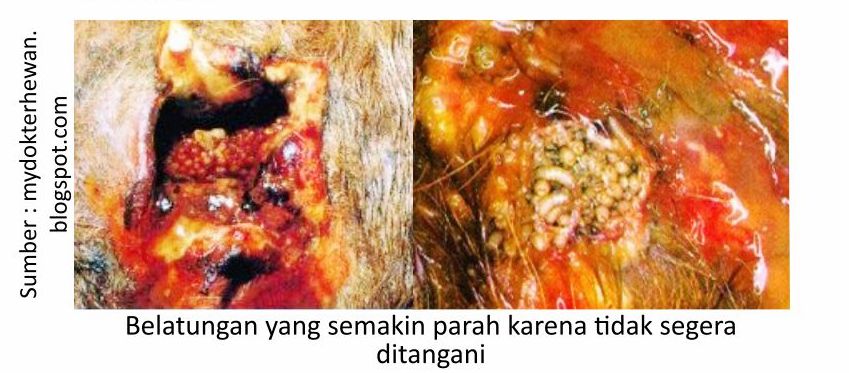
If cattle affected by maggots are not treated immediately, the wound will be more rotten, severe and lead to bacterial infection. This condition will cause an increase in health costs or medical expenses can even lead to death.
The incidence of maggots on farms can be controlled by applying some preventive measures. The important action taken by farmers is to immediately carry out treatment if they know that there are injuries to their livestock. If not treated immediately, the wound will be at risk of becoming maggots and secondary infections due to bacteria appear. To treat wounds and prevent maggots breeders can perform treatment by spraying Dicodine on the wound that has been cleaned. Prevention is no less important is to control the population of flies around the cage. The simple thing to do is to pay attention to the cleanliness of the cage and the environment. Increased supervision of livestock traffic also needs to be considered because livestock that contain maggots or larvae C. bezziana along the way it can potentially fall to the ground and become a pupa then develop into an adult fly. This will certainly have the potential to transmit diseases from endemic areas (areas that have long been affected by the disease) to other areas that are still free of maggots. Control of the fly population can also be carried out using drugs, for example Flytox, Larvatox and Delatrin.
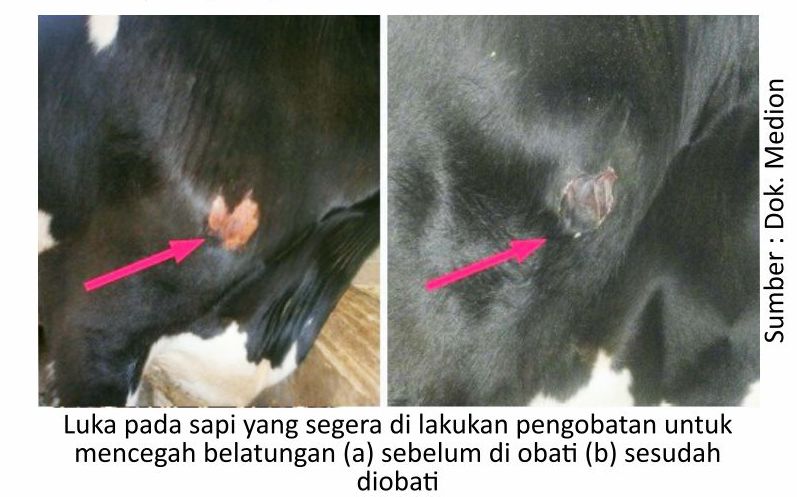
In cattle that have already been affected by maggots, farmers need to immediately carry out treatment so that the condition does not get worse. Fly larvae in the wound should be immediately cleaned or removed with tweezers then spray directly on the wound with Dicodine evenly to wet.