Ibu Ratih
Palangkaraya-Central Kalimantan
How to prevent chickens from developing CRD disease, especially during the rainy season like this?
Answer :
During the rainy season, the environmental conditions of the cage tend to be humid with cold temperatures. This condition is not a comfortable condition for chickens so the stress level in chickens will increase. In addition, the rainy season conditions are also ideal for the growth and development of seedlings.
In the rainy season, the first thing to note is the quality litter/ husk, in high humidity and low temperature, litter will tend to get wet. By condition litter the wet will result in ammonia levels in the cage will increase. Ammonia will irritate the respiratory tract of chickens so that they have the potential to develop respiratory diseases.
Snoring disease or CRD is a chronic respiratory disease. It is called "chronic" because the disease lasts continuously for a long period of time and is difficult to cure. One of the characteristic symptoms of this disease is snoring, so breeders more commonly refer to it as snoring disease. The main causes are Mycoplasma gallisepticum which attacks the respiratory tract. The predilection for these bacteria is in the air sacs. This breed most often appears on commercial chicken farms.
Despite the involvement M. gallisepticum in case of moderately high CRD (>50%), nAmun infection generally also involves other factors related to maintenance procedures, especially during the rainy season. Therefore, relying on the use of antibiotics as the only weapon in the face of the problem of CRD is very unwise. Proper maintenance and biosecurity management also needs to be considered thoroughly including :
1. Pay attention to air circulation
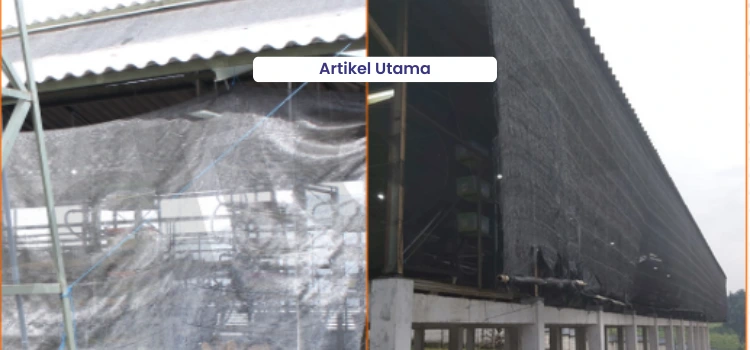
During the rainy season, the wind often blows strongly. This of course will affect the stamina of the chicken body. Therefore, set the cage curtain opening and closing system. In addition, rainwater splashes should not get on the chicken's body. Re-evaluate the outer critical distance so that rainwater splashes do not hit the chicken's body. In addition, improve the feasibility of cages such as leaking roofs, closing curtain conditions and gutters that must be smooth when water flows.
2. Check the quality and quantity of rations
High air humidity, will provoke the growth of fungi that contaminate the ration. The fungus is able to produce toxins that if consumed by chickens will reduce production and body weight. Therefore, ensure proper storage and administration of the ration.
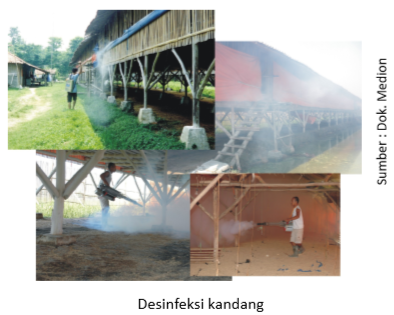
3. Disinfect the cage regularly
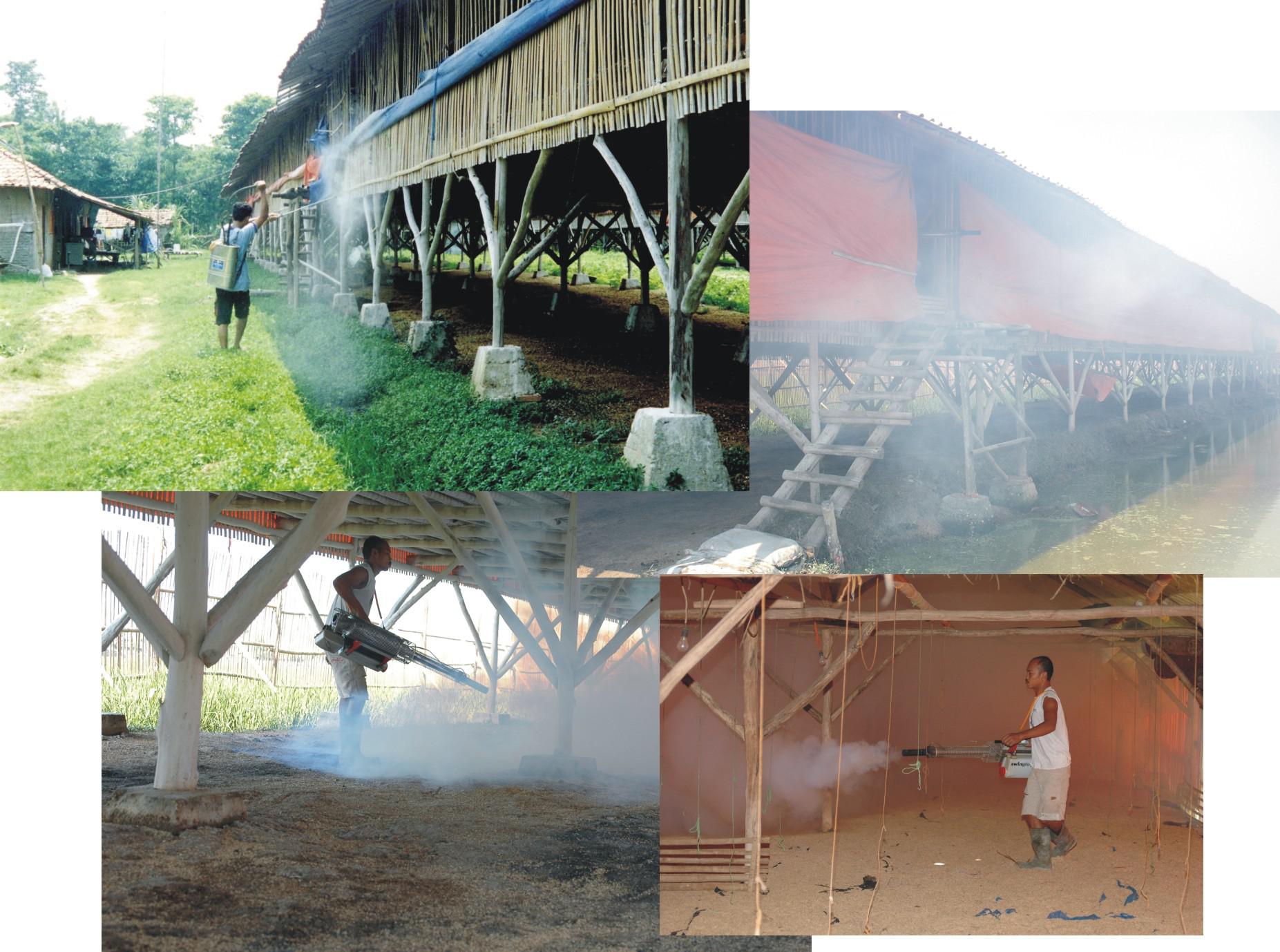
Spray the cage with disinfectant (Antisep, Neo Antisep or Medisep) routinely, for example, once every 1 week to reduce the challenge of disease seeds in the cage. In addition, the addition Antisep, Neo Antisep or Medisep into drinking water can also reduce the risk of disease transmission through drinking water.
4. Additions feed supplement
The addition of supplements with vitamin and electrolyte content will help maintain optimal laying hen stamina. Feed supplement what can be given include Vita Stress, Vita Strong or Fortevit. The administration of this vitamin must be supported by the application of the previous 3 points, namely good governance and biosecurity strictly. In addition, herbal immunostimulants such as Imustim to improve immunity and Ammotrol to reduce ammonia levels.