Entering the rainy season, makes us more aware of the high incidence of disease on farms. Rainfall and high humidity create a comfortable atmosphere for the development of seedlings. One of the diseases that often increases its incidence in the rainy season is Avian Influenza (AI) or what we more familiarly call Bird Flu.
Occurrence Avian Influenza on the farm
Based on the ranking of viral diseases that have been collected by the team Technical Education and Consultation Medion, in 2021 the disease entered the top 5 good in chickens layer or broiler. Based on Graph 1 below, the movement of positive cases from the PCR test sample shows the high number of cases each time it enters the rainy season.
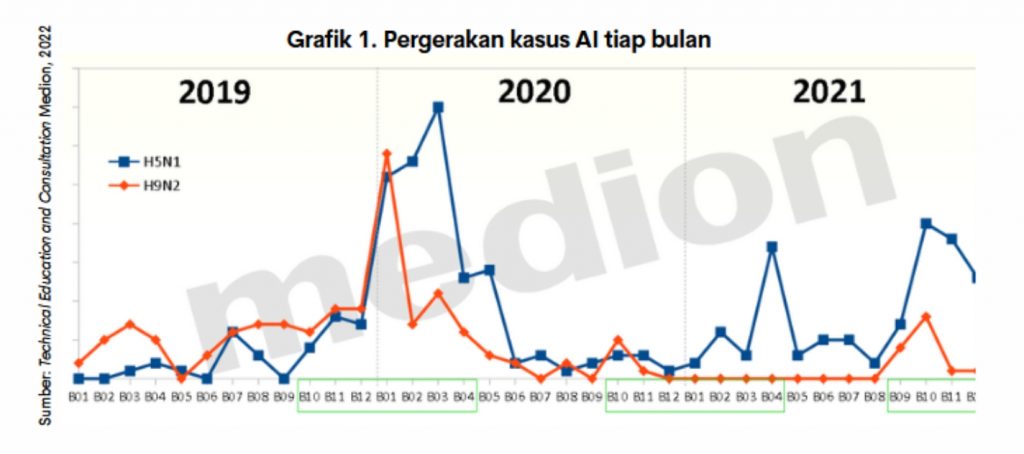
Based on these data, we see an increase in cases of AI both H5N1 (HPAI) and H9N2 (LPAI) when entering the rainy season, namely October-March. This makes us need to pay more attention to implementing AI prevention programs at home.
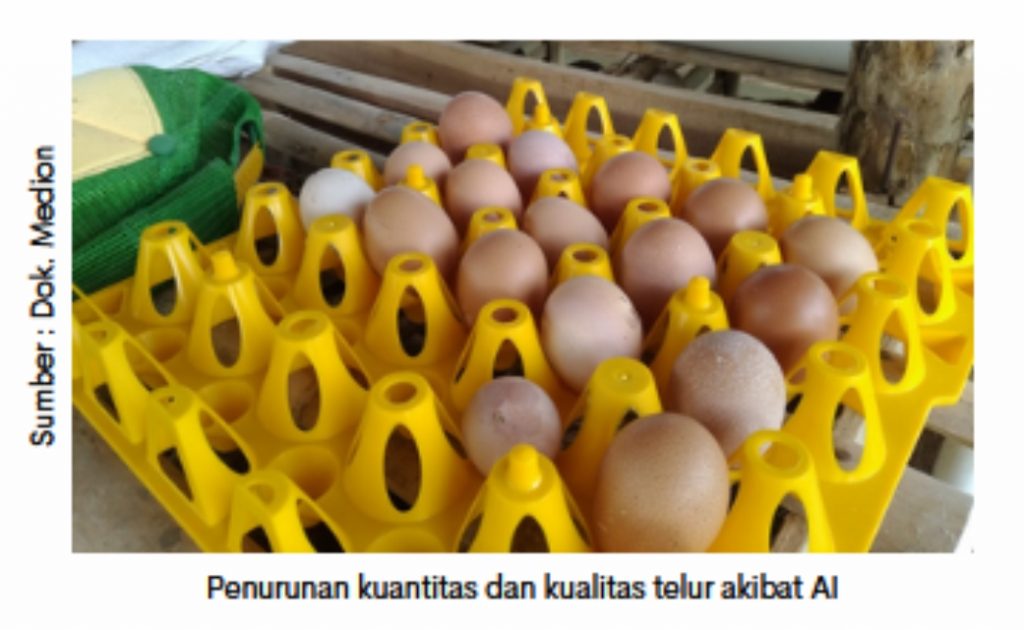
Avian Influenza it is a disease that affects almost all organ systems. Caused by a virus of the Orthomyxoviridae. This disease causes considerable losses for farmers, due to the mortality rate (mortality) and morbidity (morbidity) reached a high, causing the number culling also increased. This mortality rate certainly depends on the vaccination program, conditions and challenge in each farm. In terms of quality and quantity of eggs also decreased. Chickens affected by AI show a change in the color of the shellfish to paler. In addition, no less important than AI-infected chickens is the effect of immunosuppressants that cause other diseases to become easily infected.
There are two main types of HIV infection in the United States: HIV / AIDS and HIV / AIDS (High Patogenic Avian Influenza) (HPAI) H5N1 which is malignant because it causes high mortality and Low Pathogenic Avian Influenza H9N2 is non-lethal. Although LPAI is said to be not as fierce as HPAI, the losses caused are quite serious because they have an impact on a very significant decrease in egg production in a single attack.
This LPAI Virus is immunosuppressant so that it is often found in cases in the field along with other diseases such as bacterial infections CRD, Colibacillosis, Coryza or even viral diseases such as ND, IB, and AI H5N1 (HPAI). In these conditions in addition to a significant reduction in production, LPAI also provides a fairly high mortality impact.
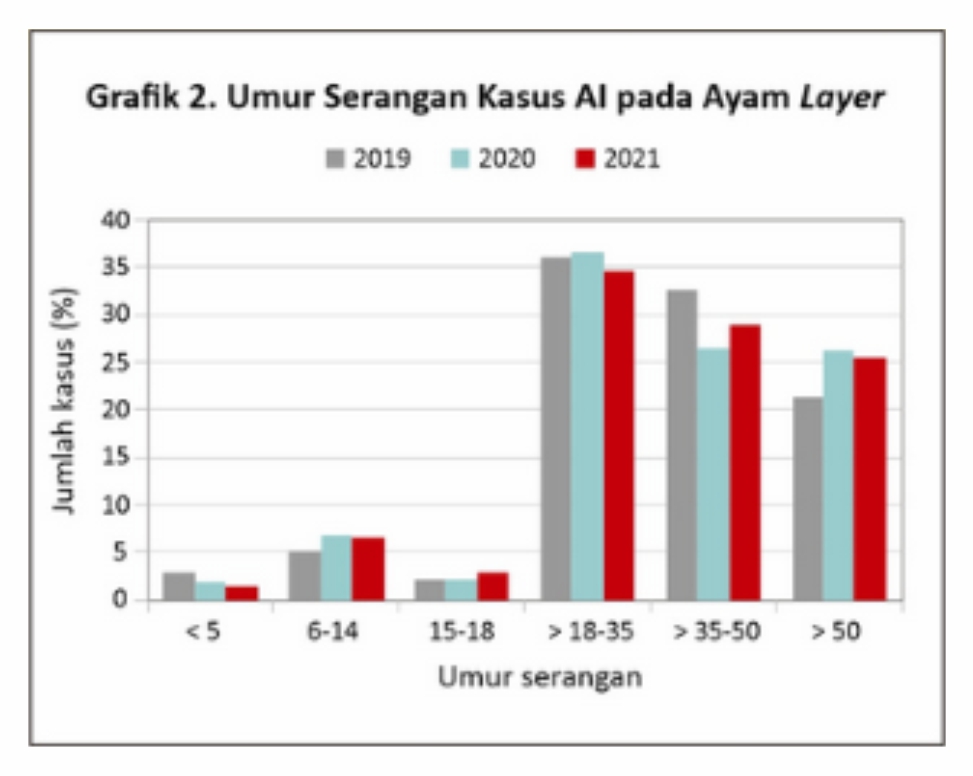
Avian Influenza attack various types of poultry, both layer, broiler, ducks, quails and village chickens. The age of the attack also varies, in chickens broiler dominant AI attacks occur at the age of 3-4 weeks. While the chicken layer as shown in graph 2 based on data collected by the team Technical Education and Consultation Medion dominance occurs at the age of production >18 to 35 weeks.
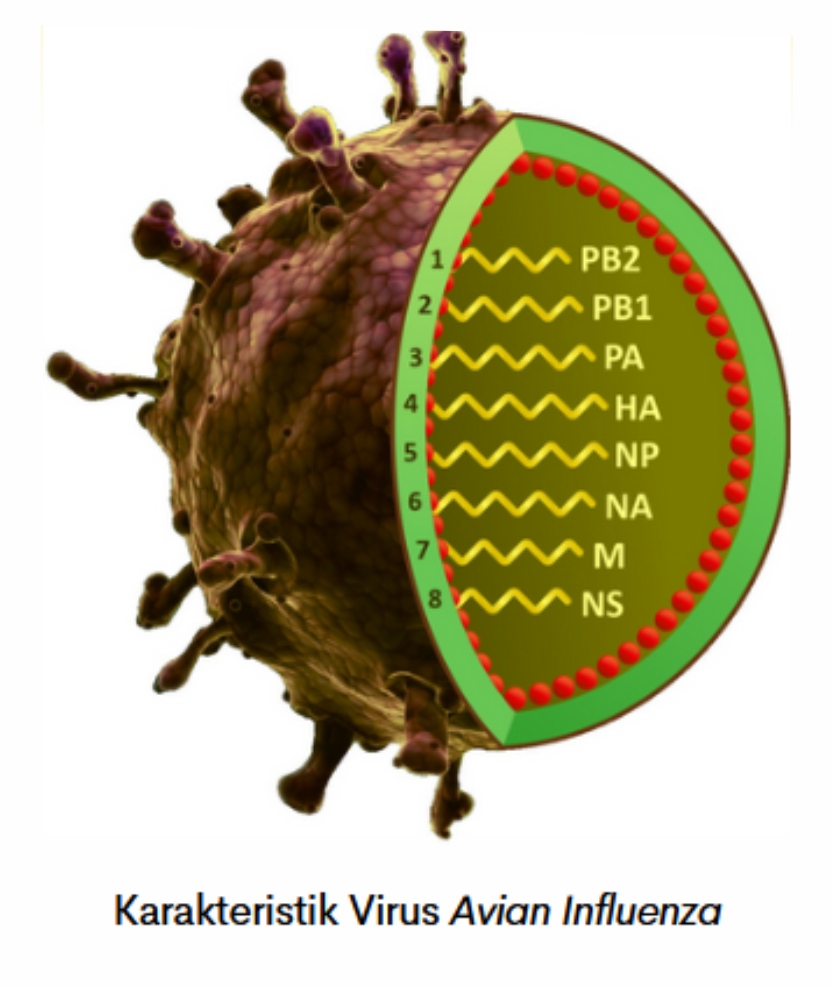
AI Virus characters
The AI-causing Virus has an envelope so that it can be killed using all kinds of disinfectants. This Virus is also not resistant to heat, the virus in the chicken carcass will die by heating 80°C for 1 minute. Although this virus is easy to die, we still have to be vigilant because in conditions of organic material, it turns out that this virus can survive for a long time. In untreated husks, the virus can persist for up to 105 days, 15 days in non-replaceable cage carrier suits, and 35 days in faeces and drinking water. In addition, AI-causing viruses are included in ssRNAs that do not have proof reading. So that if there is an error in the arrangement of amino acids in the process of self-propagation becomes irreparable and the AI virus appears different from its parent or we know the term by mutation.
AI viruses have surface proteins that are important as determinants of viral subtypes and infection factors. Some of these important proteins include hemagglutinin (HA) which serves for the virus to enter the cell, and Neuraminidase (NA) to exit the cell after multiplying. Until now, there are 16 types of HA (H1-H16) and 9 types of NA (N1-N9) in chickens. Until now, the cases of AI that we found in the field in Indonesia were caused by AI subtype H5N1 clade 2.3.2.1 c (HPAI) and subtype H9N2 clade h9.4.5 (LPAI).
Changes in clinical symptoms and Anatomical Pathology Avian Influenza in the field
In the previous discussion we knew two types of AI subtypes, namely HPAI (H5N1) and LPAI (H9N2), which basically these two subtypes have different characteristics when infecting birds. The dominant H5N1 AI causes a high mortality rate while the H9N2 AI causes a significant decrease in production in its single attack. In the past we observed a change in clinical symptoms in AI H5N1 which was more severe than AI H9N2. But lately began to be found changes that vary so as to distinguish the attack of these two types of AI can not if only look at the appearance of clinical symptoms and anatomical pathology only.
Infection with H5N1 AI in vaccinated chickens gives a milder picture compared to unvaccinated chickens. Conversely, in the case of AI H9N2 in combination with other diseases, both viral and bacterial, we find changes that are severe enough to resemble AI H5N1.
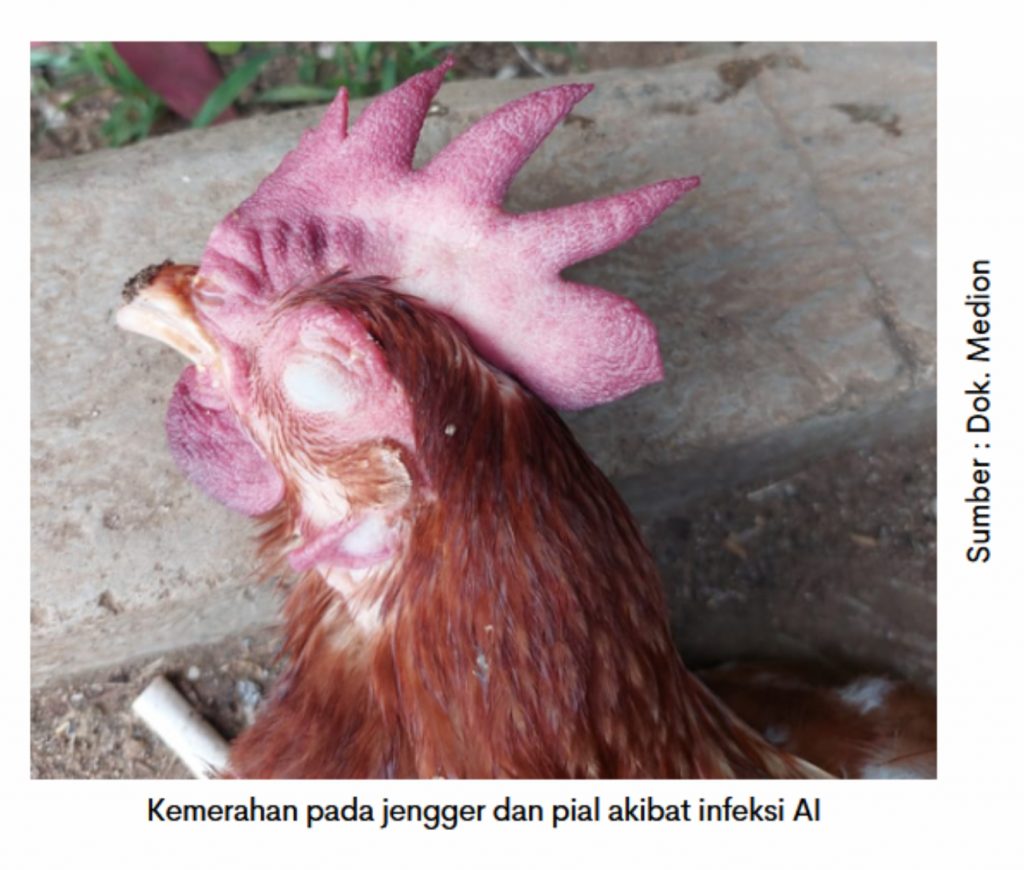
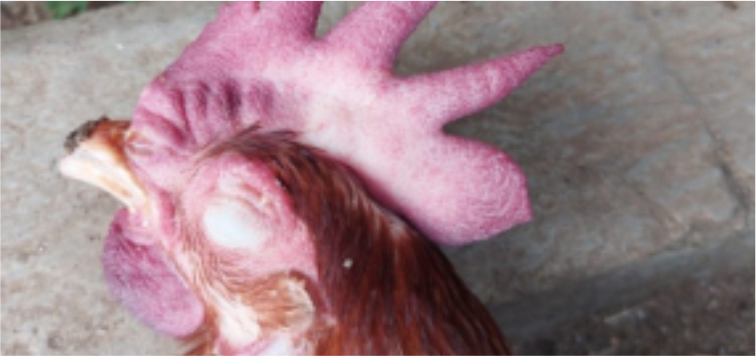
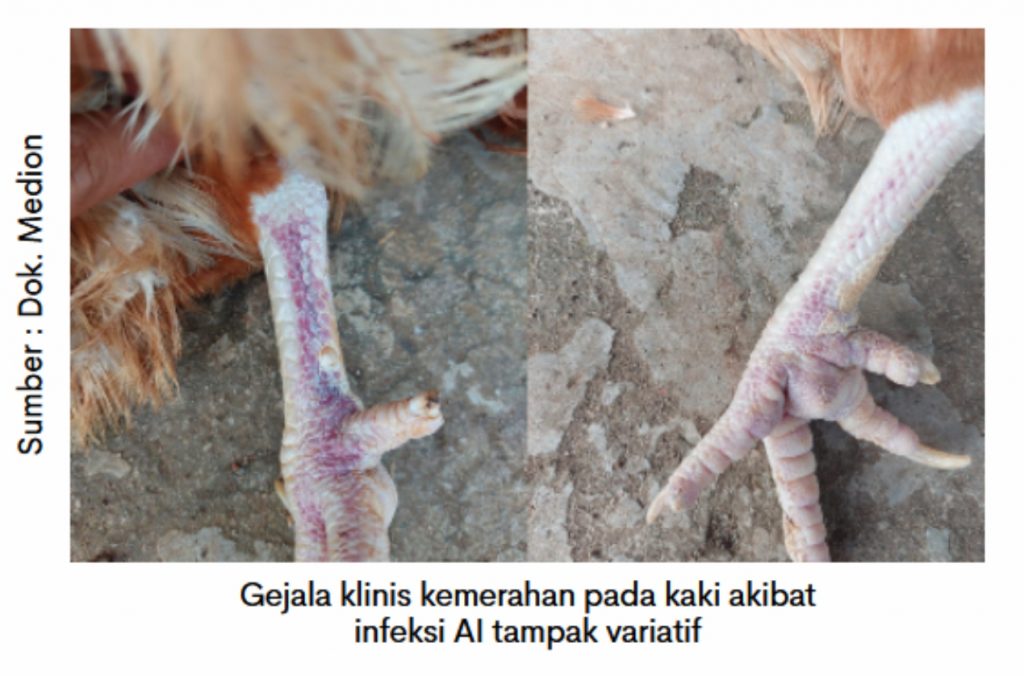
Based on the clinical symptoms that arise due to AI infection in chickens are still the same as the previous changes, namely the presence of respiratory disorders, redness of the comb, wattle, and the skin of the feet. Green diarrhea is also still common, accompanied by a decrease in the quality and quantity of egg production, and sometimes torticollis appears.
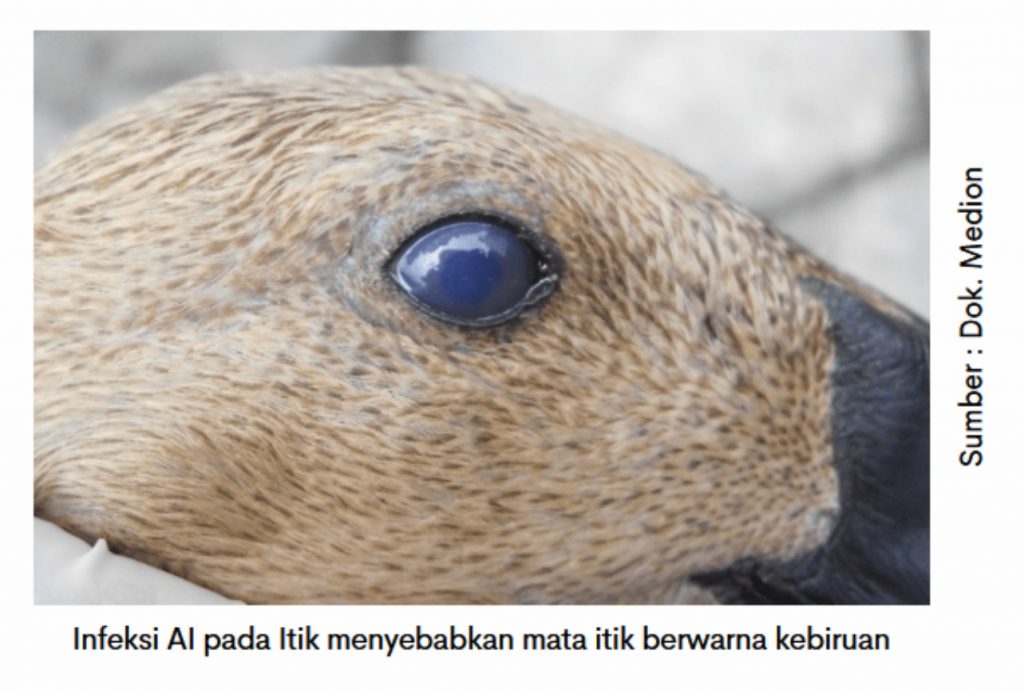
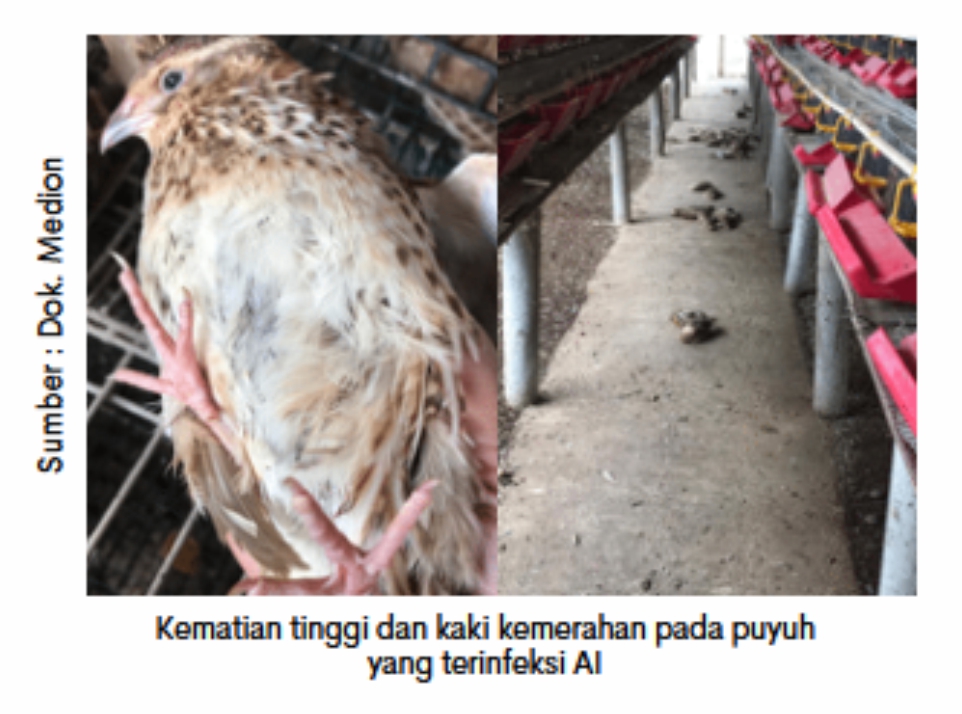
While in ducks, the typical clinical symptoms we know as blue eyes. This change is slightly milder than the first case of AI found in previous ducks that showed changes in the presence of white membranes such as cataract formation. Changes in clinical symptoms in quails also appear in the quality of their eggs. Where eggs from Quail infected with AI lose their pigmentation and pale in color.
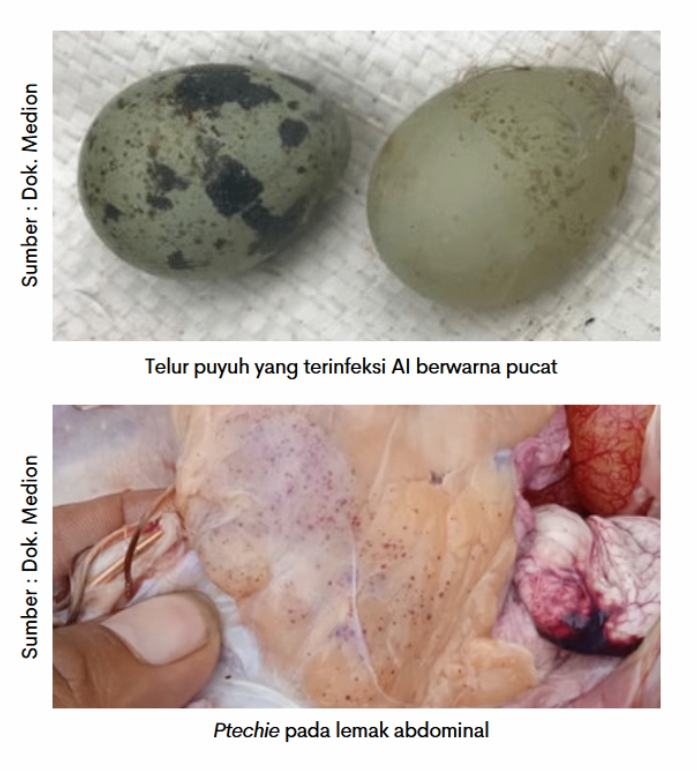
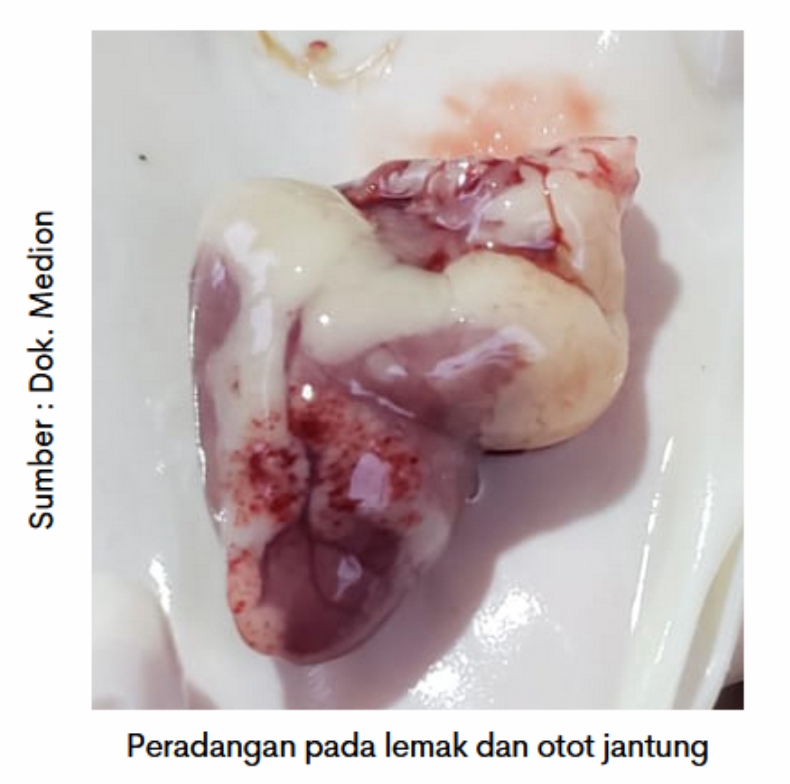
As for changes in the anatomical pathology of poultry, among others, hemorrhages in body fat with varying degrees of severity were found. The location of the bleeding can be found in abdominal fat, thigh fat, chest fat, as well as fat and heart muscle.
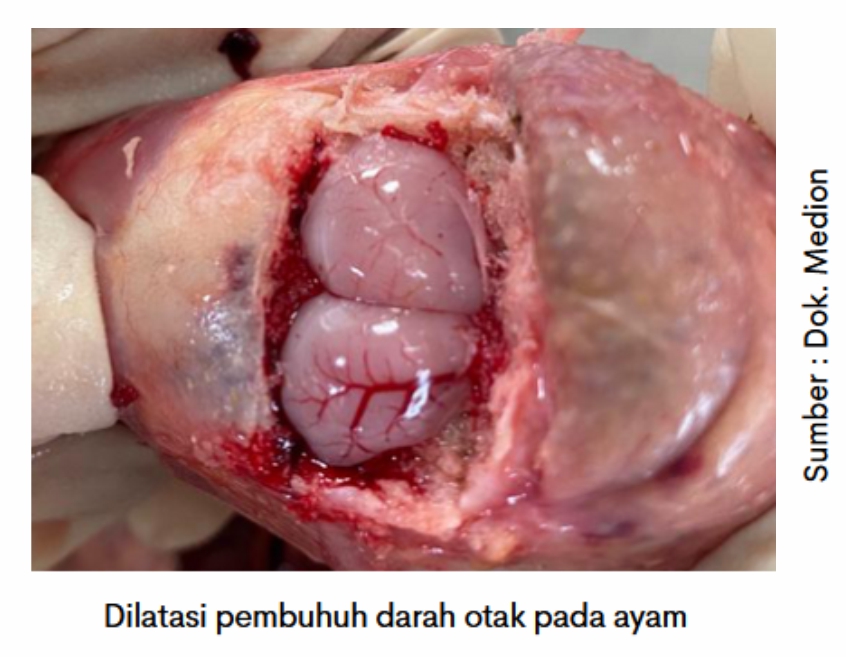
In addition, pathognomonic changes in the case of AI are dilated blood vessels in the brain, then there are also changes that resemble the case of IB, namely oviduct cysts, but very varied.
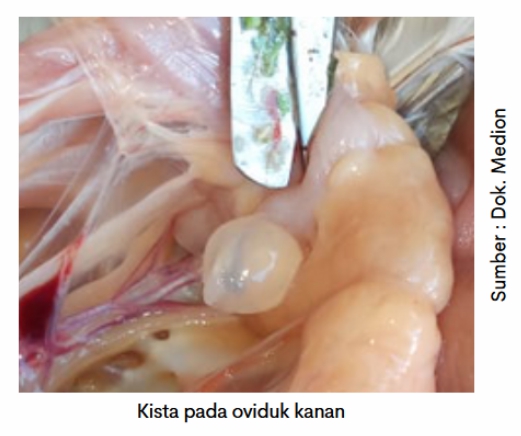
Anatomical pathological changes in the case of AI H9N2 are often found along with secondary infections that attack as a result of emerging immunosuppressant factors. In the ovary, follicles are found that are inflamed, flabby or ruptured, so this invites bacteria E.Bra also infect and appear signs of cold in the abdominal cavity.
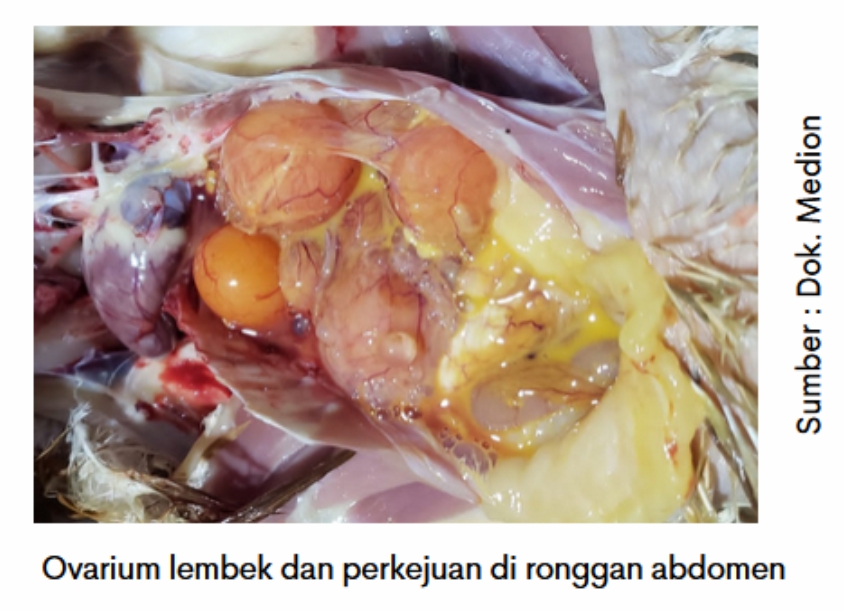
The wide variety of changes in clinical symptoms and anatomical pathologies that arise when birds are infected with AI requires more precision when necropsy and data collection to get the right diagnosis, considering that many other diseases are similar to AI changes, such as ND, cholera, and IB.
Control Efforts Avian Influenza
Looking at some of the harm caused as well as the mutated character of the AI virus and from our monitoring such changes occur periodically around 2-3 years. Therefore, we need to be more vigilant against AI attacks. One of the efforts that we can do is a synergistic combination between vaccination and biosecurity implementation supported by good maintenance management. Here are some things to consider in its implementation:
1. Strict application of biosecurity
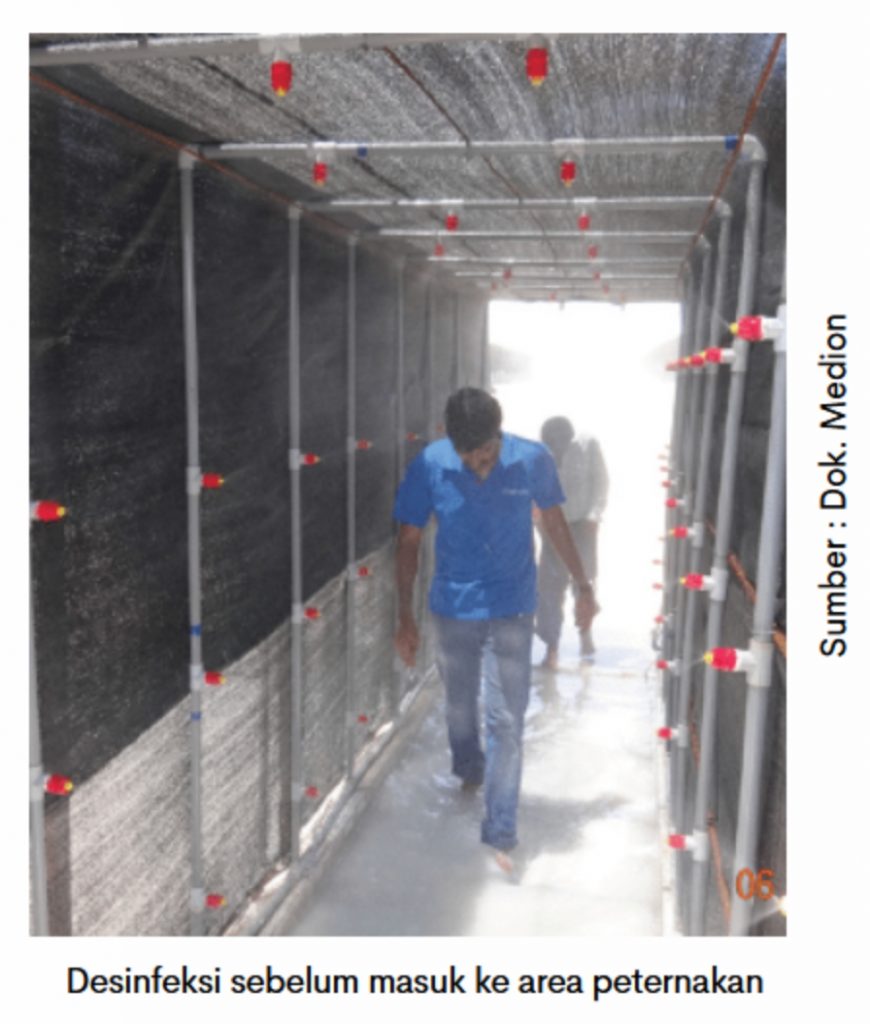
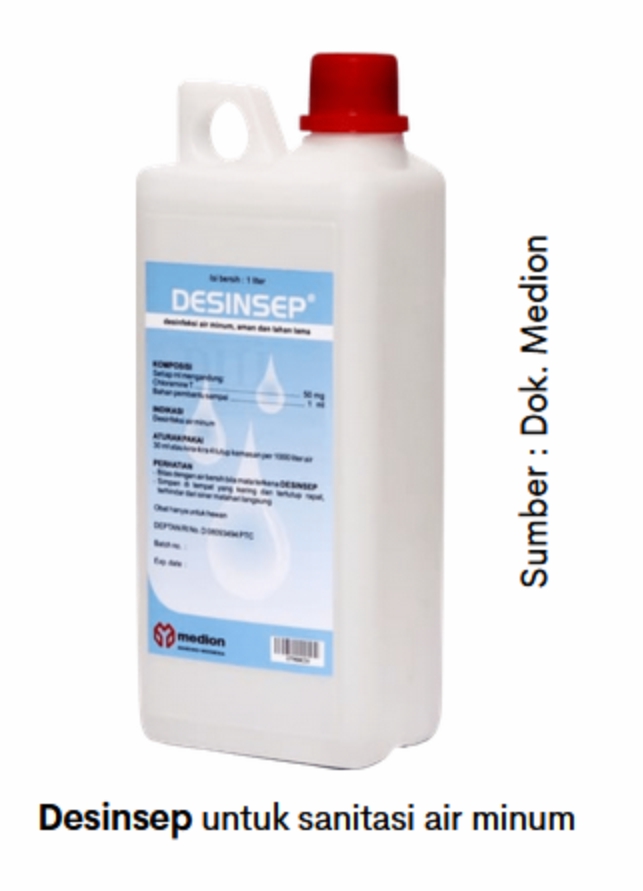
The application of biosecurity aims to reduce the number of disease seeds in cages. Model 3 zones (clean, transition, dirty) can be applied to secure the farm from disease seeds from outside. Strict and disciplined disinfection Program in the environment farm- cage. Traffic restrictions for transportation or personnel who will enter the farm area are also important to avoid the entry of infectious agents from other vulnerable places. Need to do regular stool cleaning to avoid stool build up and damp. This is because dirt / feces is an ideal medium that can bring disease seeds. Limit contact between commercial poultry and free-range chickens, waterfowl or wild animals. Because as we know AI in wild birds is usually subclinical, does not show symptoms but is able to transmit to the birds we keep. Next, do an empty cage for at least 2 weeks calculated when the cage is ready to fill in order to break the chain of disease. It is no less important to do Sanitation on drinking water using Desinsep, because the AI virus can be transmitted through drinking water and can last up to 35 days.
2. Proper vaccination procedure
In the control of viral diseases, one of the efforts that can be done is prevention with vaccination. This vaccination aims to bully the formation of immunity in chickens, so that when an AI infection enters, the body has chosen a defense. To support the success of vaccination, it is necessary to pay attention to the quality of the vaccine, the accuracy of determining the vaccination schedule, appropriate vaccination techniques and applications, and the condition of the poultry when vaccinated. The correct selection of the vaccine determines how optimal the formation of antibody titers in the body of chickens is. The use of vaccines that are homologous to the field virus is highly recommended because it will provide optimal protection. To overcome AI attacks can be given AI vaccines such as Medivac AI H5N1 & H9N2 which is an inactivated vaccine in the form of an emulsion containing the virus Avian Influenza (AI) H5N1 clade 2.3 and H9N2 subtypes homologous to recent field isolates to prevent AI in poultry. As an option can also use a single vaccine Medivac AI subtipe H5N1 2.3 or Medivac AI subtipe H9N2.
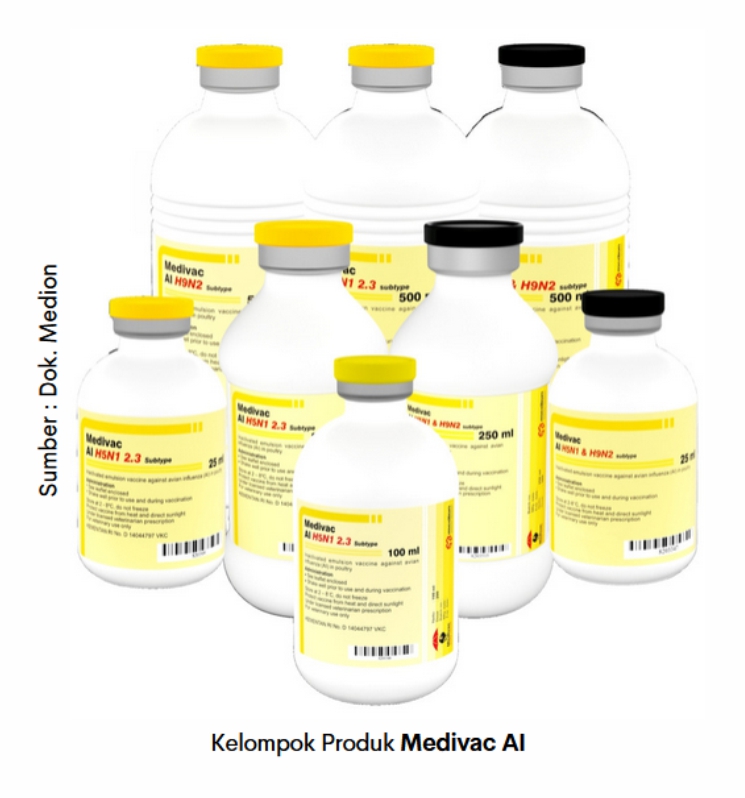
In addition to the right selection of vaccines, the timing of vaccination is one of the critical points that we must pay attention to. AI vaccination programs should be arranged based on high or low challenge AI viruses in the field and baseline titer in each farm. Based on field data, AI usually infects broilers over 3 weeks old. Thus, the implementation of AI vaccination of broilers is enough to do 1 time, namely at the age of 4 days along with active nd vaccination, or at the age of 10 days. While laying hens are recommended to vaccinate AI 3 times before entering the production period and 2 times after the peak of production with a homologous AI vaccine. Repetition of AI vaccination during production can be done by looking at the results monitor antibody titer.
3. Monitoring antibody titer
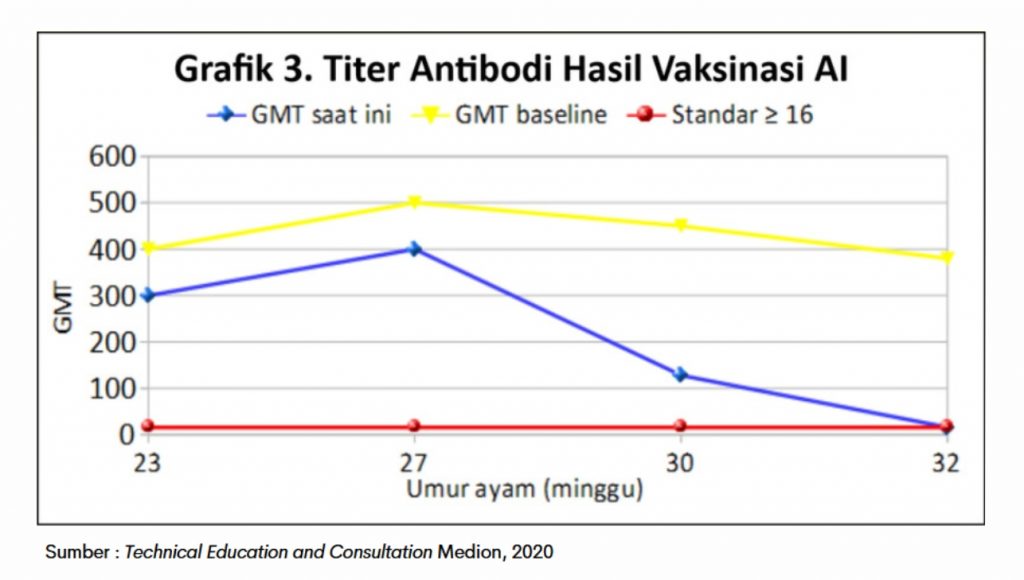
The condition of the immune status of chickens needs to be monitored as early warning through monitor a routine antibody titer is performed at least once a month. The results of this data can be used to determine baseline titer (standard titer) at a farm location. Baseline titer can be determined by collecting data from previous serological test results that are routinely checked for at least 3 maintenance periods with the same vaccination program and taken from chickens in healthy conditions. So it will form a pattern of titer picture on a farm. For the results of the analysis conducted representative in accordance with the field conditions, sampling should be carried out randomly representing all locations of chickens in cages with the number of 15-20 samples/cage or 0.5-1% of the total population in the cage. On chicken layer production phase monitor antibody titer is performed to determine the exact revaccination schedule. In me-monitor chicken antibody titer, the analysis is done not just look at the value Geometric Mean Titer (GMT) with protective standards only, but also seen the percentage of invulnerability and uniformity compared with baseline titer. Baseline it will be different between one farm with the farm others in different locations, due to vaccination programs and challenge as well as different environmental conditions as well. Here is an example of application baseline titer in a farm. Based on results monitor , seen a decrease in AI titer faster when compared with baseline titer so that it can be an early warning for farmers regarding the condition of their chickens.
4. Suppression of immunosuppressants and administration of supplements
Basically, creating comfortable conditions for chickens helps to keep chickens from developing diseases. For this reason, the need to implement optimal management such as air circulation, temperature, and humidity is appropriate. Poor ventilation management can increase the occurrence of respiratory diseases. Moreover, on farms with an open-air cage system that is highly dependent on external conditions, farmers must adjust to the environment so that chickens remain in comfortable conditions and avoid disease. In addition, the need to suppress immunosuppressant conditions such as mycotoxin contamination, stress and other immunosuppressant diseases need to be done because these conditions can affect the antibodies formed in the chicken's body to be not optimal so that if the AI Challenge in the field is high, the chicken will be susceptible to AI. Multivitamins (Solvit, Aminovit, or Fortevit) and premix (Mix Plus) as a supplement to the ration will increase the endurance of chickens. With vitamin supplementation, the condition of the mucous membrane of poultry will be better so that the AI virus that will enter the mucous membrane can be optimally driven away. In addition to vitamins, the addition of premixes is also important to supplement the nutritional needs of the ration, so that the metabolic process of poultry body defense can run optimally.
With the implementation of the above steps, it is hoped that farmers will be informed about the latest AI, and prevention efforts so that cases of AI incidents on farms do not repeat themselves.