For some farmers, the arrival of the rainy season brings its own concerns because usually chicken production in the rainy season is not as good as in summer. In addition, it is not uncommon for certain diseases to attack chickens due to conditions caused by rain. This problem must be anticipated so that the productivity of chickens during the rainy season does not decrease. Moreover, the rainy season has occurred since last October and the peak is expected to occur in January-February 2018 (BMKG, 2017).
In addition, the current performance of chickens has grown rapidly, both broilers and layers, of course, have some consequences, especially when facing the rainy season. Chickens will be more easily stressed, sensitive to the environment and prone to disease.
Problems experienced during the rainy season
High rainfall, lower temperatures and high humidity are common characteristics of the rainy season. All three will affect several components of the farm as follows:
- Deterioration of water quality. Increased rainfall will certainly increase the volume of groundwater. Although the number is increasing, this often triggers new problems, namely a decrease in water quality. Quality degradation generally occurs physically, chemically, or biologically (the number of pathogenic microbes). Physically the water becomes cloudy, smelly, and mixed with organic particles or mud material.
- Feed quality decreases. The high humidity in the rainy season causes the storage of feed in the warehouse, either in the main farm warehouse or in the barn shed is not durable. This condition is due to the high humidity of the air around the cage will directly affect the water content in the feed. The water content in the feed >14% will accelerate the growth of fungi and accelerate the deterioration of feed quality.In addition to decreasing the quality of feed both in quality (decrease in nutrient levels) and quantity (clumping and damage to feed), feed contaminated with fungi is also at risk of being contaminated with mycotoxins (fungal toxins). The presence of mycotoxins increases following the growth of fungal colonies. For chickens, mycotoxins cause immunosuppression conditions (immune disorders) so that chickens are easily infected with disease seeds.
- Lack of lighting. During the rainy season, sunlight is relatively reduced, even at certain times it can be cloudy or dark throughout the day. If this situation occurs, the farmer must add lighting so that eating and drinking activities and chicken egg production are not disturbed. The addition of lighting during the day when the rainy season causes costs incurred for electricity to increase. However, this is actually better to prevent chicken productivity from decreasing due to lack of lighting intensity.
- The conditions of the cage environment are uncomfortable. High wind speeds during the rainy season can expose chickens to extreme cold stress, damage the chicken coop, and even the chicken coop can collapse. Such damage will result in large losses for farmers and automatically disrupt the smooth running of the livestock business.
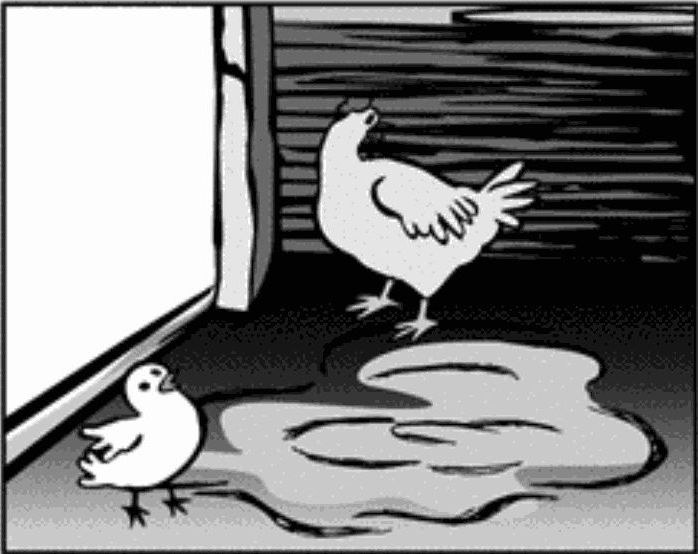
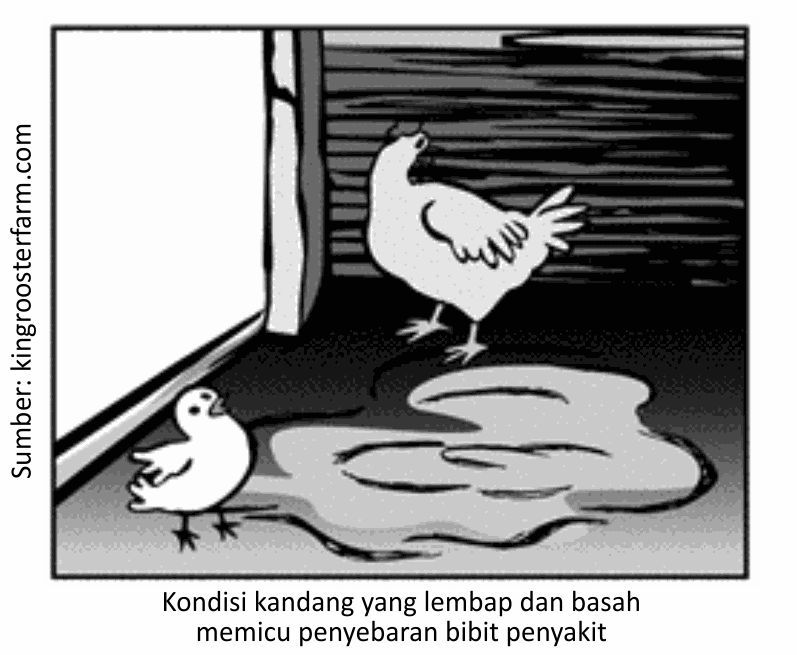
- High air humidity can also cause the condition of the husk in the postal cage to quickly become damp, wet and lumpy so that the ammonia gas content in the cage becomes high. Coupled with wet husk conditions that can be a medium for the growth of disease seeds. The chicken coop with an open cage system (open houseit is more likely to be affected by high air humidity than chickens kept in a closed cage system (closed house). In a closed cage, there is a stable air movement and the level of air humidity in the cage can be adjusted according to the needs of the chicken.The temperature of the environment around the location of commercial chicken farms in the rainy season is different from the temperature in the dry season. During the rainy season, the ambient temperature is relatively lower (cold air). If time brooding period, during the rainy season, it takes almost all day to warm up and brooding period, will last longer (>14 days).
- The spread of disease seeds. Since the beginning of the rainy season (transition season), diseases affecting chickens began to appear. This situation is caused by the weather that always changes between heat and rain in the transition season. When the rainy season comes, the air humidity becomes high. This state becomes a stressor and provokes the onset of the disease in chickens. In addition, a humid environment is an ideal condition for the growth of bacteria, viruses, parasites and fungi, so chickens become susceptible to disease attacks.
Respiratory diseases in the rainy season
Increased air humidity, stressful conditions and the growth of disease-causing microorganisms, lead to increased attacks of the disease. Of the many diseases, it is respiratory diseases that often act in the rainy season.
The anatomical structure of the chicken that does not have a barrier between the nose and the oral cavity and the increase in ammonia in the rainy season cause irritation of the respiratory tract in chickens so susceptible to respiratory disease. Some diseases that often attack during the rainy season include:
- CRD and CRD complex. Chronic Respiratory Disease (CRD) is a bacterial disease by Mycoplasma gallisepticum which leads to damage to the respiratory tract. M. gallisepticum enter simultaneously with the flow of air that has previously been contaminated. When it enters the respiratory tract of chickens, the agent of this disease settles on the mucosa of the respiratory tract and damages its cells.In addition, M. Gallisepticum it is also known to produce ciliostatic compounds that can cause Cilia activity to weaken (Bradbury, 2006). Furthermore, these bacteria will trigger inflammation of the mucosal cells so that blood flow in the area increases. Bacteria then follow into the bloodstream and into the air sac, where the air sac is a suitable place for M. gallisepticum live and multiply. In chickens infected with CRD, symptoms of respiratory illness, snoring, sneezing and mucus from the nose and tears will be seen. Decrease in ration consumption also occurs, followed by the development of body weight that is below the standard or impaired growth and decreased egg production. CRD disease can also be complicated by other diseases. Complications with colibacillosis are most common in the field of so-called complex CRDS.
- Colibacillosis. Bacteria Escherichia coli hold in the environment for 20-30 days. Transmission of colibacillosis disease occurs vertically and horizontally. Vertical transmission occurs through the reproductive tract of the hen, that is, through infected ovaries or oviducts. The hatched eggs will then produce DOC contaminated with bacteria E. Coli infection in his intestines. While horizontal transmission usually occurs orally through rations / drinking water contaminated with feces containing E. Coli infection or through contaminated dust E. Coli infection. When inhaled by chickens, the bacteria will infect the respiratory tract of chickens. We need to know that many outbreak colibacillosis occurs due to poor sanitation and cleanliness of the cage due to bacteria E. Coli infection it is very easy to pollute the environment of the cage. Colibacillosis attack in the respiratory tract is characterized by the presence of perkejuan in the lungs and inflammation of the lining of the lung cover.
- Aspergillosis. Aspergillosis is a respiratory disease caused by fungi Aspergillus, especially A. fumigate and A. flavus. The fungus can infect through brood or grow directly on the ration. The incidence of aspergillosis infection occurs usually because newly hatched chicks suck fungal spores found on hatching shelves, litter, the rest of the ration, etc. so it irritates the respiratory tract and the chicken will experience shortness of breath (gasping).
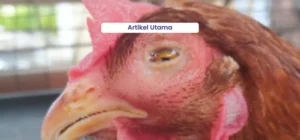
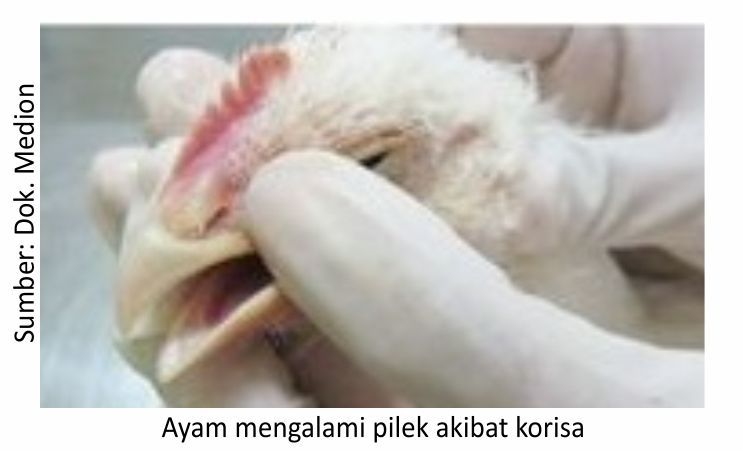
- Korisa. The most characteristic symptom of chorisa is acute inflammation of the upper respiratory tract, including the nasal cavity, which is accompanied by exudate that is initially watery yellow and then gradually turns into thick, purulent, and has a characteristic odor (foul/fishy odor). The presence of this exudate causes the chicken to sneeze, have difficulty breathing, and snore. The infraorbital Sinus swells, tears come out, appetite is lost, and sometimes diarrhea occurs. The eyelids are inflamed (conjunctivitis) and the eyes are closed. Stunted growth and decreased egg production
- Avian Influenza (AI). AI disease is still one of the prima donna of viral diseases in broilers and layers. AI attacks various organs, such as respiratory, digestive, nervous, urinary, and reproductive. Respiratory disorders that appear such as coughing, sneezing, snoring. Other symptoms that can appear such as a bluish comb and there is melting from the mouth, anorexia (no appetite), depression, sudden death and a high mortality rate of up to 100%. Anatomical pathological changes that appear mainly in the respiratory tract, namely the occurrence of sinusitis, tracheitis, and thickened air sacs. Although there is news that there is an outbreak of a new AI virus that has an impact on declining egg production, farmers still need to be aware of any type of AI disease that can attack chickens in the rainy season.
- Newcastle disease (ND). Naturally, the ND virus will enter the chicken's body by inhalation (inhaled/through the respiratory tract) and ingestion (inedible/through the digestive tract). After infecting chickens, the ND virus will cause clinical symptoms after 2-15 days (on average 5-6 days). Clinical symptoms and changes in anatomical pathology due to ND attacks will be found in the respiratory organs, digestive organs, nervous system, urinary and reproductive organs. Common respiratory clinical symptoms are snoring, sneezing, coughing, and shortness of breath.
- Infectious Bronchitis (IB). Classic IB virus infection usually attacks the respiratory tract of chickens which is characterized by symptoms of snoring, sneezing and cekrek (mild cough) because basically IB is included in the type of respiratory disease. The reproductive organs are also damaged so that the quality of the eggs goes down. In its development, in the case of variant IB disease shows changes in anatomical pathology during carcass surgery in the form of dilation of the oviduct filled with clear fluid (oviduct cystic). The decrease in egg production varies from 2 to 40%. The resulting eggs are often pale and thin, and the shape is asymmetrical.
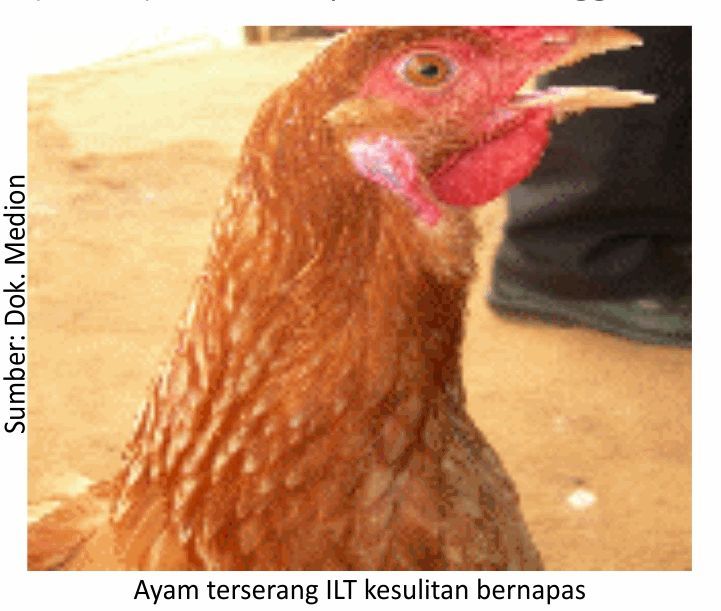
- Infectious Laringotracheitis (ILT). In the world of poultry, ILT that infects farms will pose a latent danger. This is because the virus Herpes cause ILT is very resistant in the environment and flocks of cages with a positive history of ILT cases, the chickens in them will act as carriers (carrier) virus to reject. So it is not uncommon for ILT problems to continue to recur, especially on farms that implement the system multiage (age groups vary) and farming environments with dense populations. Stress conditions and high ammonia levels in cages can also be triggers for ILT cases in the field. Visible respiratory disorders are difficulty breathing, snoring and coughing up blood.
Ready For The Rainy Season
The rainy season must be faced with full preparation. Environmental changes that occur during the rainy season are enough to stress chickens. To prevent the occurrence of respiratory diseases and decreased productivity, farmers need to make adjustments and slight modifications to maintenance management during the rainy season. Here are some of them:
a) cage management modification
In this case, the farmer needs to improve the condition of the cage and properly handle feces, husks and insects so that they do not affect the condition of the chickens.
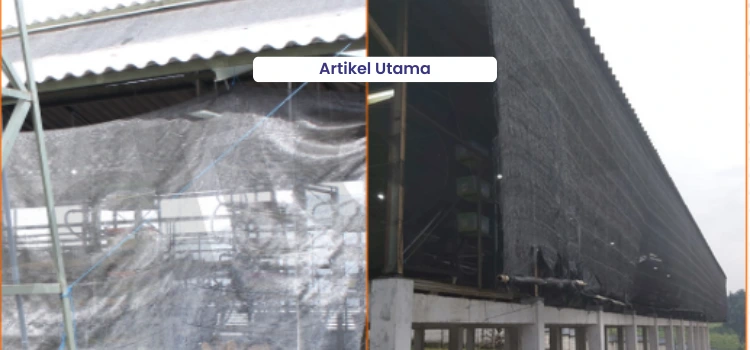
- In the rainy season, the arrival of strong winds can not be expected in advance and when it appears we can not avoid. For this reason, farmers need to set up a cage curtain opening and closing system with alacrity. If there is rain accompanied by strong winds, the side of the curtain that the wind direction into the cage should be closed immediately so that the rainwater does not tampias. Even if necessary the curtains on each side of the cage are partially closed. When time brooding period,, farmers can also install two-layer curtains (outer and inner curtains) so that DOC does not experience extreme cold due to wind.
- Repair the leaking roof of the cage to avoid rainwater from entering the cage.
- Widen the roof if it feels like the rainwater is still on the chicken.
- Perform dredging feces under the cage every 3 days. However, if this activity is difficult to do every 3 days because of heavy rain, farmers need to anticipate the formation of ammonia accumulation in feces by providing ammonia control material to chickens, namely Ammotrol.
- After the feces have been dredged, the soil under the cage is made convex. Then a small ditch/ditch is made around the cage to collect water from the pile of feces and then channeled to the waste disposal site. This system will prevent the formation of puddles under the cage, minimize odors, and help speed up the drying of feces. Make sure that the drainage of the trench is smooth.
- Damp and wet husks should be replaced immediately or supplemented with new husks. But before adding a new husk, the wet husk should be sprinkled with quicklime first to kill the microbes in it.
- If the chaff we just bought is damp or wet, it must be immediately stocked in a protected room (empty cage) so that it is exposed to the wind and dries out. After drying, the husk can be used. Husks stored in empty sheds or cages should be turned over frequently so that they do not get damp and do not grow mold.
- Increase the number of heaters or increase the temperature of the heater in the period brooding period, so that the cage temperature is in accordance with the needs of the DOC.
- Keep the lights on during the day if the cage conditions and the environment are cloudy/dark to keep feed consumption under control.
- Fight flies, mosquitoes and other insects with insecticides. To get rid of flies, you can use products Larvatox, Flytox and Delatrin.
(a) the treatment of drinking water
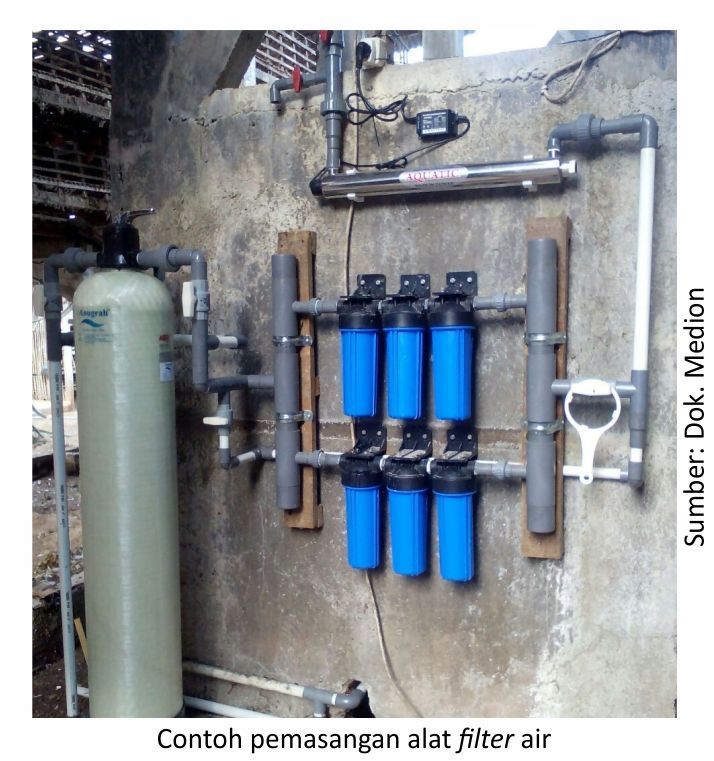
As stated at the beginning that the problems that occur in the rainy season with regard to the decline in water quality include physical water becomes cloudy, smelly, and mixed with organic particles/ mud, increased Fe levels, alkaline pH, and contaminated with pathogenic microbes. This decrease in water quality must be handled by giving several treatments such as filtration, addition of chemicals, and sanitation with antiseptics/ disinfectants.
- Filtration: Filtration (filtration) is simply done using a filter that has been specially designed to filter organic particles/sludge material and metals (iron, etc.) in water. This filtration device can be installed on the water source before the water enters the water reservoir, or installed when the water comes out of the reservoir before being channeled to the cage.
- Addition of chemicals:
In addition to filtration, the addition of chemicals can also be done to improve the physical quality of water. For example, with the addition of Alum as much as 2.5 grams per 20 liters of water as a binder particles in water, or PAC (polyaluminium chloride) as much as 80 ppm (80 mg/liter of water as a water purifier. As for lowering the alkaline pH, breeders can mix Netrabil into drinking water.
- Sanitation: The use of a water softener can be done with the use of a water softener (Desinsep/ Antisep/ Neo Antisep/ Medisep) or chlorine (12-20 grams per 1,000 liters of water). As an effort to control pathogenic microbial contamination and so that the good microbes in the chicken intestine are not disturbed, the water sanitation program can be done with a 3-2-3 system. This means 3 days of antiseptic Administration, 2 days of regular drinking water and 3 days of antiseptic administration again, and so on intermittently. This water sanitation should be done after filtration / precipitation so that antiseptics work more effectively because the compounds in antiseptics are easily affected by organic particles.
(a) the treatment of food
The quality of the feed must be maintained until it is consumed by chickens. Therefore, breeders should take some measures such as:
- Ensure that the moisture content in the feed is not more than 14%. If you are forced to receive raw materials with a moisture content of >14%, then immediately dry them with a special dryer (oven) or make stock settings so that the feed raw materials can be used as soon as possible. If you need to add mold inhibitor, such as propionic acid to inhibit fungal growth.
- Ensure that no feed sack is torn to prevent contact between feed with air or splashing water.
- Implement a storage system first in first out (FIFO: stored by date of arrival of feedstuffs) or first expired first out (FEFO: stored by expiration date). So, prioritize older feed raw materials to use first. But if there is less good quality raw materials and does not allow it to be stored longer, it can be used first even if it has just arrived.
- Limiting the storage period of feed that does not exceed 10 days.
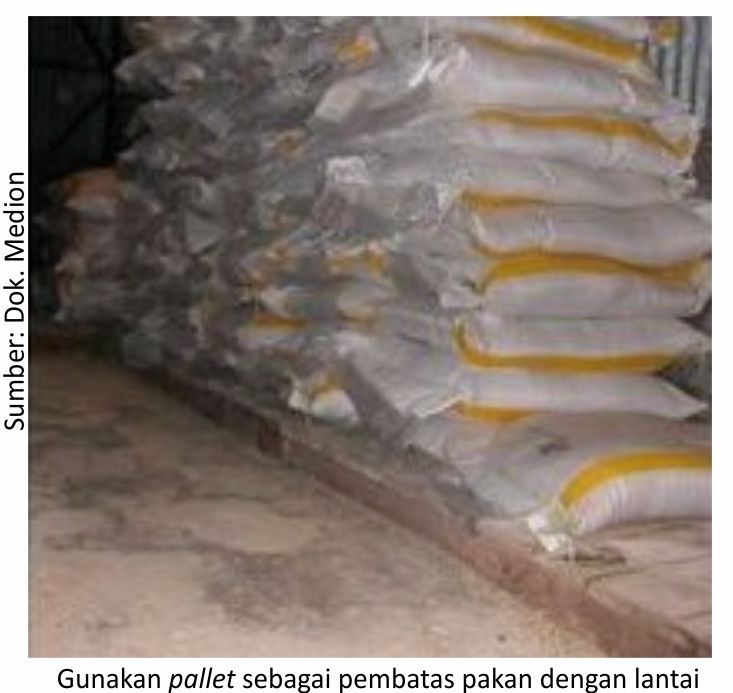
- Conditioning the feed warehouse is enough ventilation, getting direct sunlight, not damp, the floor position is higher than ground level, and avoid dust.
- Use pallet wood under the pile of feed. Choose wood that is not easily weathered and difficult to wet such as teak or meranti. Try that the feed does not stick to the walls of the barn. Leave a distance of at least 50 cm from the walls of the barn.
- In addition to mushrooms, also pay attention to the presence of fleas, rodents and insects. These animals can also eat and spoil the feed so that nutrient levels decrease and potentially spread disease.
- Additions toxin (mycotoxin binder) into the feed. Examples toxin which are widely used in the field because of their easy application and effective binding to mycotoxins are Freetox.
d) increase the endurance of chickens
In this case, we need to increase the immunity of the chicken so that it can withstand field conditions. Actions taken are:
- Multivitamins (Fortevit and Vita Stress) and immunostimulants (Imustim).
- Carry out the vaccination program on schedule. Pay attention to respiratory diseases that increase during the rainy season such as ND, AI, korisa and IB.
This is how chickens are kept during the rainy season. Ready umbrella before the rain is the right phrase for us farmers who want to keep improving the performance of commercial chickens in the rainy season.