The demand for duck meat and eggs is growing in demand among the people. Besides chicken business commodities, many people who jump to start a duck farming business. But in running a livestock rearing business does not escape the efforts to keep the livestock healthy and maximum production. Similar to chickens, there are several diseases that often affect Ducks. Although Ducks are relatively more resistant to disease, the characteristics of ducks are easily stressed by sudden changes in maintenance patterns to feed changes. Disease prevention efforts remain important and will be easier than providing treatment when the Ducks have been infected with the disease.
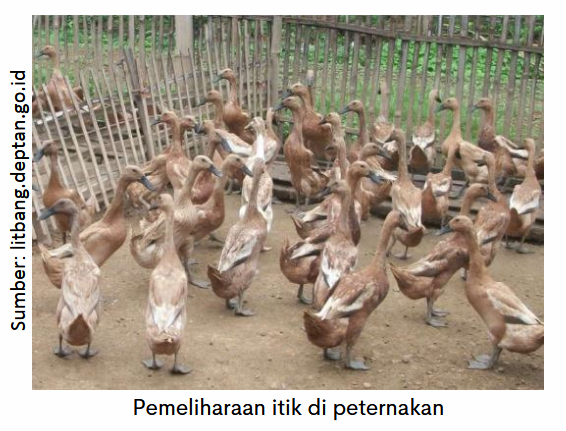
Production potential of broiler and laying Ducks
Duck is a type of poultry with eggs and meat as a source of animal protein that is no less popular. Based on animal husbandry statistics in 2021, the duck population in Indonesia reached about 50 million head. The population from 2020 to 2021 was recorded to increase by about 2 million heads. The potential of duck breeding in Indonesia is also proven by the variety of local duck species and crosses whose abilities have been tested ranging from genetic results to environmental adaptation, such as the following:
- Laying duck
Laying Ducks with the advantages of fast growth, medium body weight, high body shape and large bone dominant, high egg production. For example, local ducks in Indonesia such as Alabio duck and Mojosari duck.
- Broiler duck
Broiler Ducks with advantages such as fast growth, large body weight, round body shape, a lot of meat on the chest and thighs. Examples of commonly cultivated broiler ducks such as Peking Duck, Serati duck, and Entog.
Diseases affecting Ducks
Some of the conditions that trigger the disease in Ducks include :
- Poor sanitation
Lack of cleanliness of the cage, especially from feces because in a dirty cage it will be easy to spread the disease. Litter damp plus feces that accumulate lead to increased ammonia levels and can cause respiratory problems in livestock.
- Less stringent biosecurity
Lack of supervision and protection of livestock from disease seeds that come from outside the cage and outside the farm. Such as contact with guests or employees does not fit the cage SOP, other animals roam, sick Ducks, etc.
- Density of livestock in one cage
High density can cause higher cage pressure and air circulation is not going well. The high risk of ammonia is accompanied by the appearance of immunosuppressant factors such as stressful conditions that cause disease susceptibility.
- Livestock age varies
Application of maintenance system multi age (many age) can also be a predisposing factor to disease, especially snot disease or coryza. When a duck is attacked coryza then already cured can act as carrier (carrier). Clinically the Ducks have recovered but still carry the bacteria and can transmit to other healthy ducks that are in one population especially in younger Ducks.
- Other environmental and management factors
The influence of extreme weather changes can make duck conditions stressful to susceptible to disease. The sudden change of feed can also cause duck stress and decreased body condition.
Although obtained a good duck genetic but not supported by maintenance and well-maintained health, it makes it easier for ducks to get sick. Non-infectious factors tend to be influenced by mismanagement made or nutritional deficiencies. Some non-infectious factors that can affect the health of ducks include:
- Vitamin A deficiency
Lack of nutrients such as vitamin A can cause impaired growth and decreased endurance Ducks. Some of the symptoms of ducks that lack vitamin A are always sleepy, weak legs, eyes covered with white mucus, and susceptible to disease. In adult ducks, vitamin A deficiency leads to a decrease in egg production and body weight.
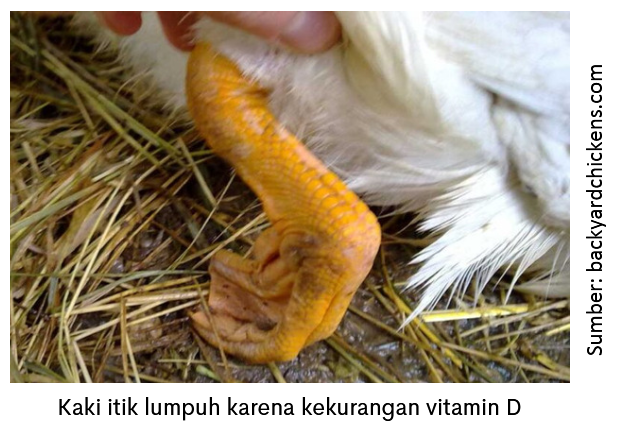
- Rickets Ducks
This one disease makes Ducks experience paralysis due to vitamin D deficiency which is very important in the growth of duck bones.
- High ammonia
Usually caused litter which is too moist, clumping until moldy. High ammonia can cause respiratory distress. Ducks will have difficulty breathing, weakness, decreased appetite. It is not uncommon for this event to be followed by a bacterial, viral, or fungal infection to aggravate the condition and cause death.
- Aflatoxicosis
The appearance of this disease is due to aflatoxins produced by Aspergillus flavus. Duck condition will be very weak, stagger the road, feathers look dull, paralysis occurs and eventually die. If dissected, bleeding and fluid in the abdominal cavity are found. The enlarged liver can be up to five times its normal size with a yellowish-white color and hardening.
While infectious disease factors in Ducks can be caused by viruses, bacteria, parasites, and some below this is an example of a disease that often attacks Ducks:
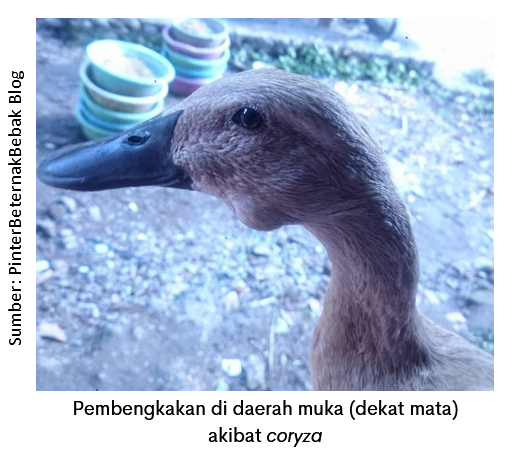
- Infectious Coryza (Snot)
Disease of coryza in ducks, it is often also called an infectious cold disease. The cause is bacteria Haemophillus gallinarum. The trigger is a change in weather from the dry season to the rainy season or vice versa. The clinical symptoms shown are swollen duck face and eyes, thick mucus from the nose and decreased appetite.
- Duck Cholera (Cholera)
The cause of the disease is bacteria Pasteurela avicida. The disease is associated with poor sanitation and stagnant water in the duck coop. Symptoms can be seen from decreased appetite, mucus from the mouth, slimy whitish green stools, breathing disorders, and swollen face and Wattle areas filled with cheese. The liver is enlarged, striped, and there are white spots (necroses), bleeding spots and spreads in the lungs, intestines and heart.
- Avian Influenza
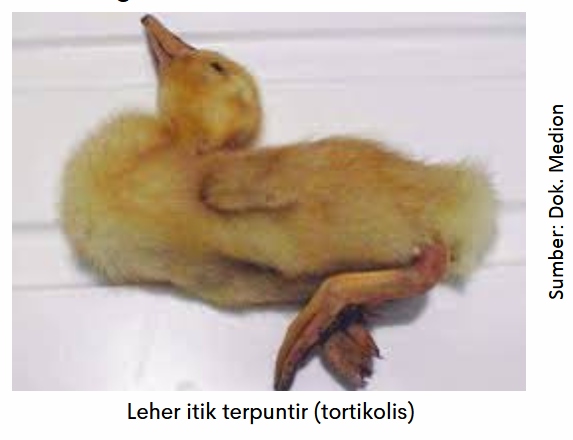
Ducks are one of the birds that can be infected with the virus Avian Influenza (AI). At the time of Phase starter and grower, AI can cause sudden death. As for laying ducks in the production period, they also attack with symptoms of decreased egg production. In Ducks, AI attacks are more pronounced in the nervous system, namely twisted necks (torticollis), paralysis, grayish eyes, and greenish-white feces. From the surgical carcass found blackish lungs, inflammation of the brain and there are green dots.
- Newcastle Diseases (ND)
The clinical symptoms that appear due to ND are still the same as in previous years, the characteristics that can be seen from the outside are respiratory tract disorders, such as gasping or snoring sounds. Other symptoms that appear such as chicken weakness, decreased appetite, dull feathers, green diarrhea mixed with White Moss and still found chickens experiencing torticollis. ND infection in Ducks is rarely accompanied by clinical symptoms, ducks sometimes appear normal but also have the potential to spread the disease to other birds.
- Duck Hepatitis Virus (DHV)
Duck Hepatitis merupakan salah satu penyakit fatal pada itik muda (<6 minggu). Penyakit ini bisa menyebabkan mortalitas hingga 95% sejak gejala klinis muncul. Itik mengalami lesu seperti mengantuk, gangguan pernapasan, tremor, paralisis sayap, leher terpuntir dan kaki berputar-putar. Pada pemeriksaan anatomi ditemukan perubahan berupa hemoragi pada berbagai organ dengan perubahan yang menciri pada hati yang membesar, kehijauan dan terdapat nodul putih kekuningan.
- Fowl Pox
Fowl Pox referred to as smallpox in poultry, including ducks. Symptoms such as red spots appear on the face area in ducks and experience loss of appetite. The disease is transmitted through a poorly cleaned environment, too dark, damp cages and poor-quality feed.
- Avian paratyphoid (Salmonellosis)
The cause of the disease is bacteria Salmonella typhimurium and Salmonella enteritidis. Symptoms Ducks have white diarrhea like paste, and ducks can not stand. When dissected, the cecum thickens and contains perspiration, the presence of tissue death in the liver and visible white dots.
- Colibacillosis (dyspnea, heart and liver covered by fibrin)
Common infections of poultry caused by Escherichia coli this leads to a decrease in hatchability, infection of the yolk sac (omphalitis), salpingitis, pericarditis (inflammation of the lining of the heart), perihepatitis (inflammation of the liver), and peritonitis (inflammation of the lining of the abdominal cavity).
Botulism
The disease is caused by bacteria Clostridum botulinum which is abundant in mouse carcasses or rotten snail carcasses eaten by Ducks. The affected duck will become lethargic, wings and legs limp, greenish-white diarrhea, duck neck lunggy within 24-48 hours and then die.
- Bumblefoot or swollen feet
This disease is caused by bacteria Staphylococcus and Streptococcus sp. Ducks have swollen feet, especially in the joints of the legs or lower thighs so they cannot walk.
- Coccidiosis
Diseases caused by protozoa Coccidia sp. this causes Ducks to have watery diarrhea mixed with blood, decreased appetite and weakness. Ducks affected by coccidiosis mostly have changes in the organs of the gastrointestinal tract of the small intestine and cecum.
- Worm Infestation
The types of worms that often attack Ducks are eye worms, tapeworms, and askaris worms. Wormy Ducks will experience growth retardation and decreased endurance. The most common sign is a thin duck body with irregular plumage. Then the Ducks have diarrhea, limp wings droop and turn pale.
Vaccination As The Best Prevention
Vaccination aims to bully the immune system in the body in order to produce more optimal body resistance. The thing that determines the success of duck vaccination is that the vaccination program has been adjusted to local conditions, the right time and technique for administering vaccines, uniform vaccine doses, and given to healthy Ducks. Make sure the syringe is sterile and the needle is sharp if the vaccine application is by injection (injection).
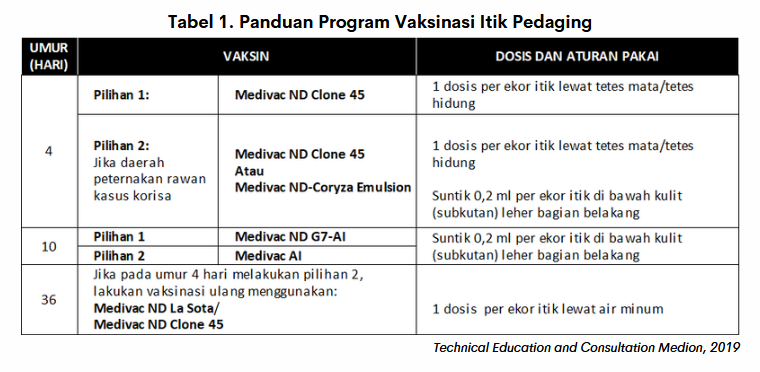
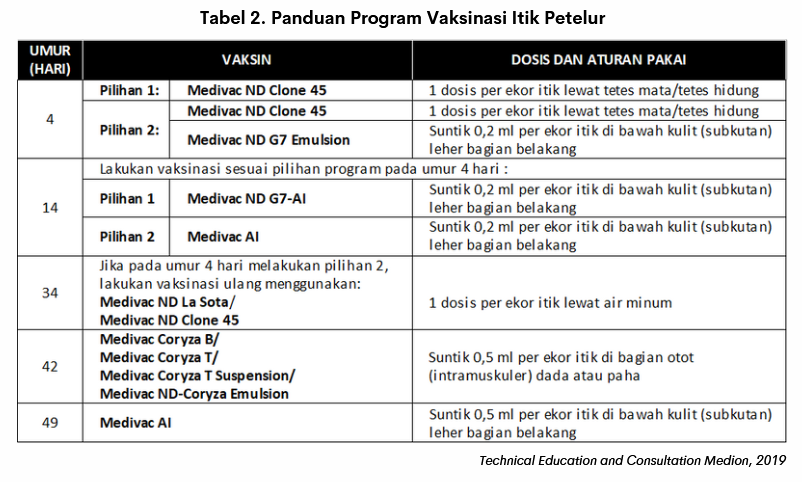
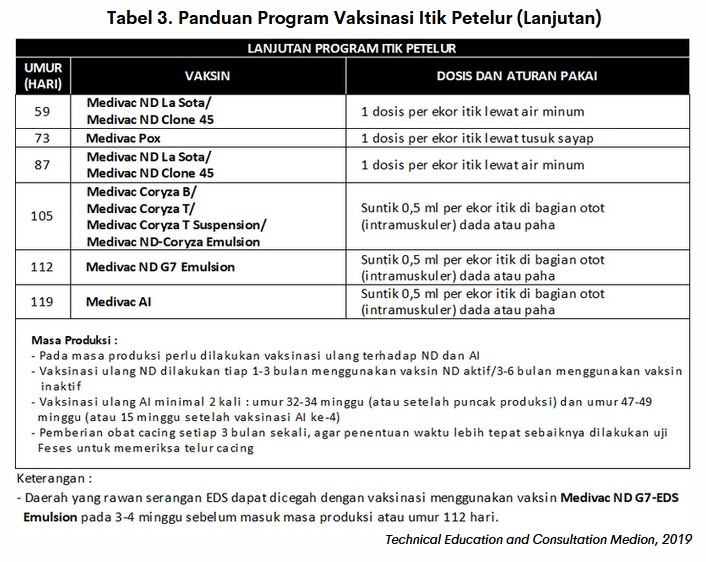
Vaccines commonly given to ducks are vaccines ND, AI, and coryza. However, this does not mean that other vaccines do not need to be given, such as Fowl Pox. The following is an example of a general guide to vaccination programs (Tables 1-3) that can be done on broiler and laying Ducks. This vaccination Program is not standard, but can vary in one farm with the farm the others. This can be adjusted to the history of disease and conditions in the field.
If the area is prone to disease coryza, vaccination coryza it can be given from 4 days of age to broiler Ducks. At the age of 7-14 days in laying Ducks use Medivac Coryza B, Medivac Coryza T, or Medivac Coryza T Suspension. While vaccination pox usually done laying Ducks using Medivac Pox at 73 days or 10 weeks.
Maximize Management and support
In addition to vaccination, efforts to maintain the health of ducks include:
- Create comfortable conditions for ducks
The presence of ventilation is absolutely necessary to obtain optimal air circulation. Ducks also spend some of their time in ponds or wet areas, but still need a dry and clean area where they can rest, eat and clean their feathers. This allows them to make their fur waterproof, which protects their skin from injury and helps keep their bodies warm. Adjust the density of the cage. A free cage can ensure all Ducks have the same opportunity to get feed, drinking water, movement space and oxygen.
2. Pay attention to feed management
Complete nutrition as needed can prevent ducks from experiencing deficiencies that cause impaired growth and decreased duck endurance. Feed the Ducks with yellow corn as a source of vitamin A needed according to the composition of nutrients. To supplement the needs of other microelements, you can add such premixes as Mineral Feed Supplement A.
Things to note also when changing feed to the next period must be done gradually so that livestock can adapt to the new quality of feed. Feeding should not be late because it will affect egg production. In general, textured duck feed is wetter than duck feed so it needs to be dredged regularly to prevent the growth of fungi from damp feed. If you need to add mold inhibitor like Fungitox to inhibit the growth of fungi. And no less important when humid conditions, especially during the rainy season, you should use toxin (Freetox) to bind mycotoxins in feed. Feed raw materials such as corn bran should be stored in dry conditions. Also note the condition of the feed storage area both from temperature and humidity, and make sure it is safe from mice or other insects.
3. Minimise disease seeds in the environment and cage
Efforts to minimize it by sanitizing and disinfecting cages and equipment. Spraying the cage and the surrounding environment at least twice a week with Medisep/Antisep/Neo Antisep and drinking water sanitation with Desinsep. Feed and drinking places should be washed and disinfected regularly with Medisep. Do it anyway flushing to clean moss or biofilm which is attached to the water pipe.
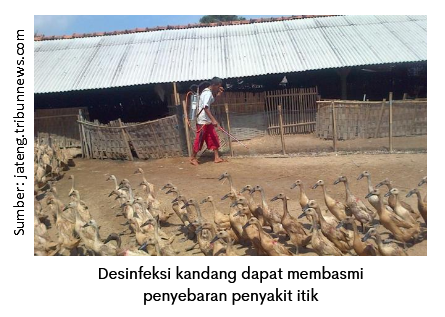
Apply traffic control of people coming in and out of the cage. It is more ideal if before the officer / guest enters the cage needs to wash their hands, take a shower, use special cage clothes, and use footwear (special rubber boots) to enter the cage. Provide a means of foot dip and body spray using Antisep or Medisep for officers before entering each cage.
Control wild animals such as rats, wild birds or insect pests that roam the cage and can spread disease seeds. Prevent by using insecticides. In addition, it is necessary to carry out the destruction of dead livestock carcasses and a good pile of feces. Feces should not be allowed to accumulate in the cage because it causes high ammonia levels and triggers Flies as vectors of diseases such as duck cholera.
4. Supplementation
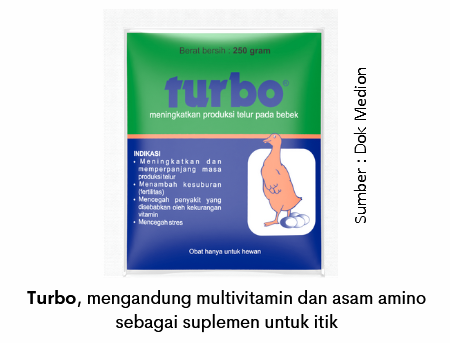
Supplementation for ducks aims to reduce stress, increase stamina and body power Ducks, and maintain optimal productivity. Its type of supplement consists of vitamins, minerals, amino acids and immunostimulants. Some products that can be given include Vita Stress, Imustim or Turbo. Provide safe herbal remedies for ducks such as Fithera which can prevent bacterial and protozoal infections such as coryza, Colibacillosis and coccidiosis. Deworming prevention Program is by deworming. Deworming needs to be repeated according to the life cycle of the worms to be eradicated. Can by using Levamid or Vermixon Sirop.
5. Conduct periodic duck health observations
Observation of duck health should be done periodically, namely when feeding and drinking water, cleaning feces, giving vaccines, or other routine activities. The goal is to monitor the early signs of the disease, such as lack of appetite or other symptoms so that control measures can be taken more quickly.
6. Isolation of sick Ducks
Sick Ducks should be separated immediately to facilitate handling and minimize transmission, especially infectious diseases. While the dead ducklings immediately remove from the cage and destroyed by burial or burning.
Efforts to maintain the health of livestock require perseverance and accuracy so that the success of the business obtained more leverage. May be useful.