Ruminants have an important role in the provision of milk and meat as a source of animal protein for humans. Increased productivity continues to be done to meet public demand in meeting the needs of these nutrients. One of the efforts that can be done is to improve the quality of feed. In general, feed conditions, especially forage in Indonesia, have not fully met the needs of livestock, so it is necessary to add other feed ingredients, including concentrates, supplements and additives.
Source Of Ruminant Feed Ingredients
1. Forage
Forage is the main feed ingredient of ruminants, which contains more than 18% coarse fiber. Quality forage Contains crude protein and high total digestible nutrient (TDN). The types of forage used in compiling rations of ruminants include :
a. Grasslands
Grass is the main feed for ruminants, which is high in energy and coarse fiber. Beberapa jenis rumput yang dapat diberikan untuk ternak ruminansia antara lain rumput gajah (Pennisetum purpureum), rumput raja (Pennisetum purpuphoides), rumput setaria (Setaria sphacelata), rumput bede atau signal (Brachiaria decumbens), rumput benggala (Panicum maximum), rumput odot atau gajah mini (Pennisetum purpureum cv. mott), rumput lapang atau alam (Native grass).
b. Legumes
Legumes are forages that have a high protein content compared to grass, so legumes have the potential to be a source of high protein for ruminant feed.
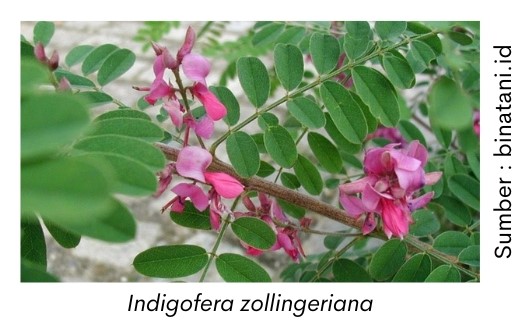
Beberapa jenis leguminosa yang dapat diberikan untuk ternak ruminansia antara lain lamtoro (Leucaena leucocephala L), Indigofera zollingeriana, gamal (Gliricidia sepium), kaliandra (Calliandra calothyrsus), turi (Sesbania grandiflora) dan lainnya.
c. Agricultural waste by-products
Agricultural waste is the by-product of agricultural crops that remains after harvest or after the main crop has been taken. Agricultural waste in general has a low quality so that the addition of concentrates in feed is one way to overcome it.
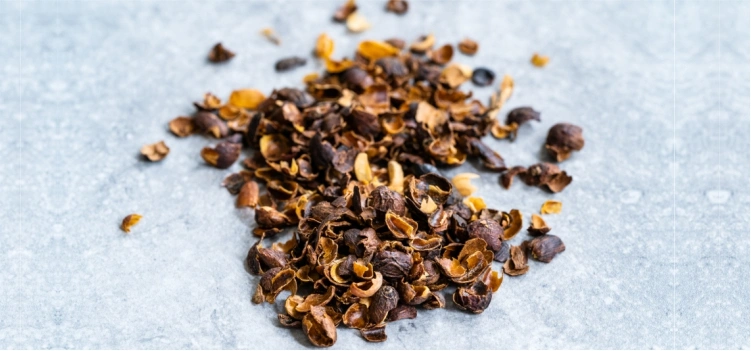
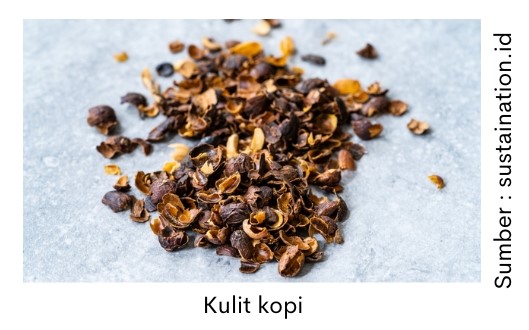
In addition, feed processing can be carried out such as fermentation, ammoniation and so on. Some of the agricultural waste given to ruminants include rice straw, cassava leaves, sweet potato leaves, coffee skins, cocoa skins, and others.
2. Concentrate
Concentrates are feed additives that have a high protein or energy content and a low content of coarse fiber. Concentrates are divided into two groups, namely protein source concentrates and energy source concentrates.
Protein source concentrates are concentrates with protein content of more than 20%, while energy source concentrates are concentrates with TDN content of more than 68%. The addition of concentrate to the feed is important to supplement the nutritional needs of the forage. Concentrates are especially needed under certain physiological conditions, among others, for fattening, pregnancy, lactation, etc.
a. Protein source concentrate
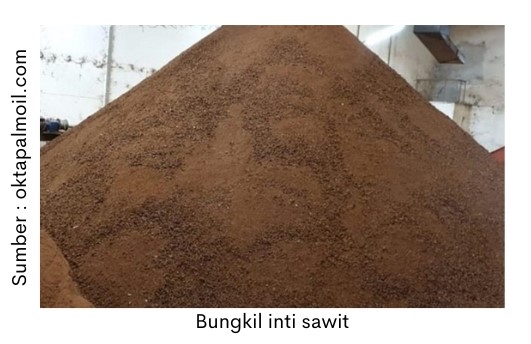
Ruminants in meeting the needs of protein or amino acids, required protein source feed ingredients in the preparation of feed formulations. Some of the feed ingredients provided as a concentrate of protein sources include tofu dregs, soybean meal, palm kernel meal, coconut meal, fish meal, etc.
b. Energy source concentrate
The fulfillment of energy for ruminants does not only come from forage. This is related to fluctuations in the quality and quantity of forage, so it is necessary to add energy source feed ingredients in the preparation of feed. Feed ingredients added as a concentrate of energy sources include rice bran, onggok, pollard, corn, cassava, cassava, CPO (Crude Palm Oil), and molasses.
3. Supplements
Supplements are a source of micro nutrients (minerals, vitamins, and amino acids). Supplements are given in small amounts, to supplement the needs of livestock micronutrients. Supplements are usually given in the form of premixes. Examples of supplements that can be given to ruminants are Mineral Feed Suplement S the complete contains macro and micro minerals for ruminants.
4. Additives
Additives are feed additives not nutrients, but they can improve the quality of the feed indirectly, which is given in small quantities for a specific purpose. Giving additives to ruminants aims to improve the digestibility of feed, productivity and health of livestock. Additives commonly given to ruminants include enzymes, probiotics, prebiotics, synbiotics and herbs.
Management Of Ruminant Feeding
Ruminants physiologically require high fiber feed sources such as forage. This is related to the peculiarities of ruminants who have a digestive system of four stomachs (rumen, reticulum, omasum and abomasum), as well as microbial activity in digesting feed. Quality feeding is able to maintain the development and balance of microbes in digestion. In addition, you should pay attention to the following points :
1. Balance of forage and concentrate
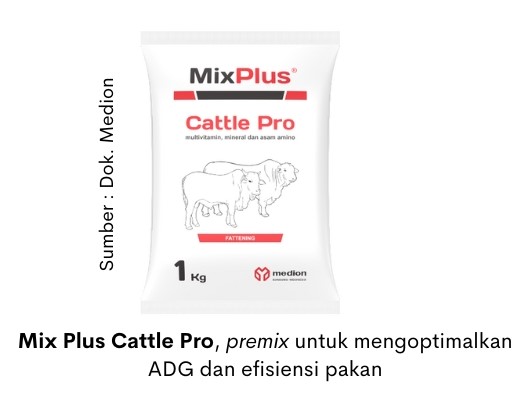
Provision of forage and concentrate balance based on the purpose of maintenance, namely for fattening (cut) or milk-producing (dairy). Example in fattening cows giving less forage (30-40%) than concentrate (60-80%). A high concentration aims to produce a high average daily gain (ADG) as well. In addition, the addition of premixes such as Mix Plus Cattle Pro in the concentrate component becomes an important strategy in achieving a more optimal ADG.
While in dairy cows giving more forage (50-60%) than concentrate (50-40%). High forage is required to produce optimal milk production and quality. The balance is adjusted also based on the quality of feed ingredients and production targets.
2. Feeding frequency
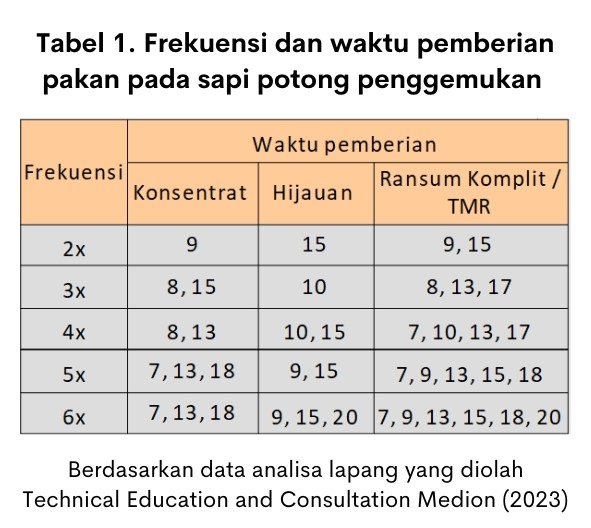
The frequency of feeding can be done according to the Applied Management ranging from 2-6 times per day. The frequency of feeding may vary depending on the provision of feed, such as concentrated forage separately or in the form of a total mixed ration (TMR). Chart 1. examples of frequency and timing of feeding in fattening beef cattle.
3. Number of feedings
In general, the amount of ruminant feeding is based on % dry matter (BK) body weight. In general, it can reach 2-3% BK of body weight. For example, it is known that fattening cows with a weight of 350 kg, the need for dry matter is 3% of body weight, so the calculation of feed needs is (3 ÷ 100) x 350 = 10.5 kg BK.
Proportion of concentrate : forage in the ration (70: 30). Sehingga 10,5 kg x 30% = 3,15 kg, Kandungan BK rumput gajah 22,2%. While the amount of the grant must be converted first (%of dry matter to US fed). So the calculation for its giving (100 ÷ 22.2) x 3.15 = 14 kg of fresh grass. So the need for giving grass per day per tail as much as 14 kg.
In addition, note also how to feed starting from forage should have been chopper (3-5 cm), forage dilayukan, giving concentrate not at once a lot because it can cause acidosis, as well as provide drinking water ad libitum.
Complete nutrition (forage, concentrates, supplements and additives), balanced and supports microbial activity in the rumen and accompanied by good feeding management, as a key in optimizing livestock productivity. May be useful.