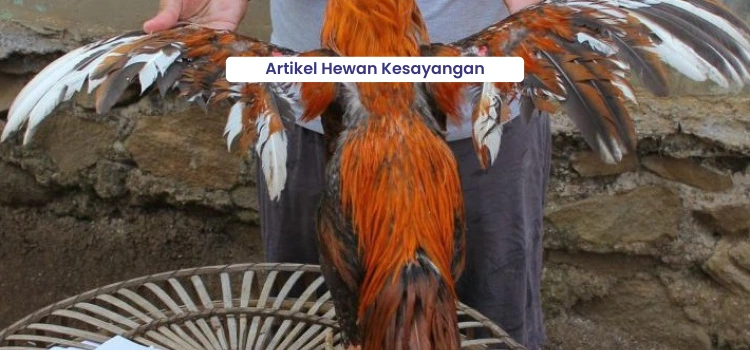
In addition to posture, physical appearance that attracts attention in fighting chickens is the condition of the feathers. In addition to providing a beautiful appearance, feathers also have important functions and uses. The function of feathers in fighting chickens include:
- Protects chickens from extreme weather such as heat and cold
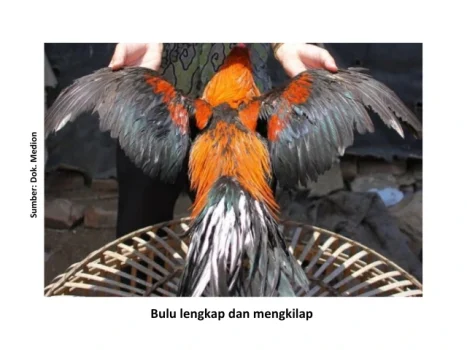
- Describe the health condition of chickens. If the chicken looks healthy, the feathers will look shiny and clean. But if the chicken is affected by the disease, the feathers will look dull and unhealthy.
- Wing feathers play a role in determining the height of the springboard, the strength of the blow, dexterity, agility and body armor when attacked
- The tail feathers serve for balance when striking and landing.
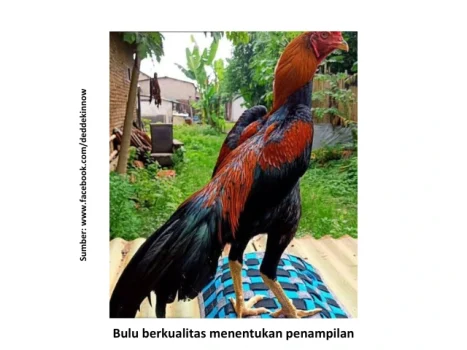
During the maintenance period, fighting chickens can experience problems with feathers. Some of the fur problems that often occur are:
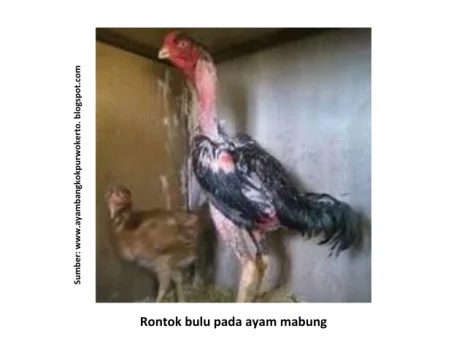
- Hair loss due to moult
Chickens will shed their old feathers and replace them with new feathers during Moult about once every 3-6 months. The first Moult occurs when the chickens are about 19 months old.
- Hair loss due to inadequate nutrition
Insufficient amount or quality of protein and energy in the feed can lead to feather loss.
- Hair loss due to fungal infection
Fungal infections on the combs and faces of fighting chickens can cause feather loss. This feather loss usually occurs on the top of the head, but it can also extend to the neck and wings. The skin around the area of hair loss will look dry, flaky, and thickened.
- Hair loss due to flea infection
Flea infection causes irritation of the skin, shedding and damage to the coat.
- Hair loss due to stress factors
An uncomfortable environment, including the noise and density of the cage, can cause stress that has an impact on the health of the fur.
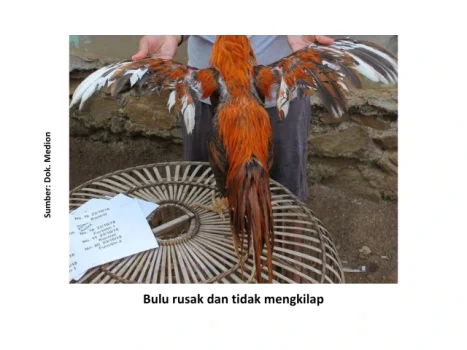
- Feather damage after a match
In adult chickens that have been competed, chickens that are often pitted must have feathers that have been severely damaged. The growth process of chicken feathers, especially on the wings of new feathers will grow with time 3-4 months so that it will interfere with the activity of chickens.
Maintaining the health and cleanliness of chickens and providing good feed is very important to maintain the quality of feathers. Things that can be done to maintain the health and quality of fur include:
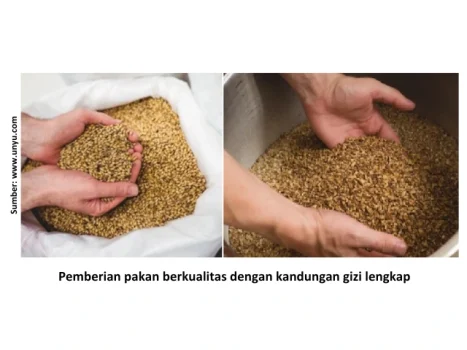
1. Provide nutritionally balanced feed
A good feed will support the growth of healthy feathers. The feed given must be in accordance with the nutritional needs of chickens. The feed needs to be high in protein, minerals and vitamins to improve the physical condition of the chickens. If you pay attention to chickens that are undergoing molting, their muscles become weaker and sometimes weight loss occurs. Give additional foods rich in protein, such as insect larvae or boiled eggs.
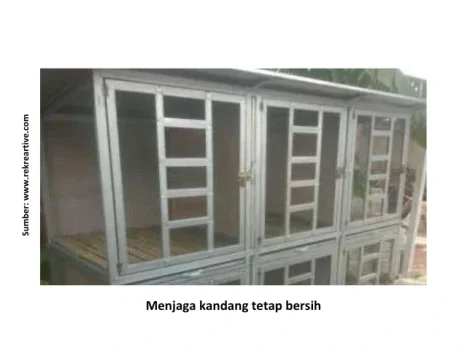
2. Maintain the cleanliness of the cage
Make sure the cage is always clean and dry to prevent infection with diseases and parasites. Clean the cage and disinfect every day the entire cage with Antisep or Neo Antisep. Have regular checks to detect the presence of ticks or other parasites. Spray Delatrin to cope with ectoparasites in the cage such as fleas, mites, flies.
3. Comfortable enclosure environment
Make sure the chicken conditions are comfortable and not stressed by maintaining the appropriate temperature, good air circulation, and sufficient cage space.
4. Treat sick chickens immediately
In the case of chickens infected with the fungus, quarantine or separate sick chickens so as not to infect other healthy chickens. Perform care and treatment on sick chickens.
- In the case of mold, clean the chicken, especially on the face, comb, scalp and other infected parts slowly then dry. Give treatment with antifungal drugs, for example Mycoraid. Apply on the infected part of the fungus, 2-3 times a day until it heals. Spray the cage environment daily with Antisep.
- In the case of curses, give Kututox in chickens, the floor of the cage, the sidelines and the walls of the cage.
5. Provide supplements to improve the quality, strength and flexibility of the fur
For the growth of good quality fur and help increase strength, flexibility and shiny fur needs to be given supplements. Supplementation in chicks also works to optimize muscle building.
For example, by providing Furnitin every 3 days. From trial data on fighting chickens aged 4 months, with the provision of Furnitin can increase the shiny level of wing feathers, rawis and back. Furnitin beneficial in meeting nutritional needs to maintain the health, flexibility, and strength of the fur and help it look healthy and shiny. By giving Furnitin also increases muscle building in fighting cocks.
6. Caring for Moult chickens
In general Moult chickens will experience physical weakness so that strenuous activity can be stopped. The chicken does not need to be done enough umbaran light activities to relax the muscles such as running or light gymnastics because Moult chicken will be a lot of silence. Be careful when handling chickens because chickens become more sensitive and feel pain when the fluff is growing. It should also be noted that in young feathers they should not be damaged, especially on the wings. Because the wing feathers will affect the blow, dexterity and agility of the chicken.
During the Moult period, the need for protein and multivitamins increases. Deficiency or imbalance of protein and multivitamin intake can result in losses in the molting period. To meet these needs, chickens need to get special supplements to accelerate the growth of feathers and dense body feathers again.
For example, by giving Solvit to accelerate the growth of feathers in the period of feather loss/molting, maintaining the stamina of fighting chickens as well as increasing growth and overcoming stress.
7. Perform routine maintenance
In the care of the feathers to be shiny and not easily broken can be by bathing the chicken and then drying it in the morning sun. This is in addition to obtaining good feathers, chicken will also look fresh and healthy.
8. Conduct a medical examination
Perform regular medical examinations to detect the disease early and take appropriate treatment measures.