In the main article section, the editorial team has discussed Gumboro disease and the reasons why Gumboro is still attacking. In principle, if the chicken has been attacked by Gumboro, emergency vaccination cannot be carried out because bursa Fabricius which is the antibody-producing “factory " is already broken. So, it will be useless if an emergency vaccination is carried out and, in fact, it will further aggravate the condition of the organ bursa Fabricius the attacked.
Fever in Gumboro infection
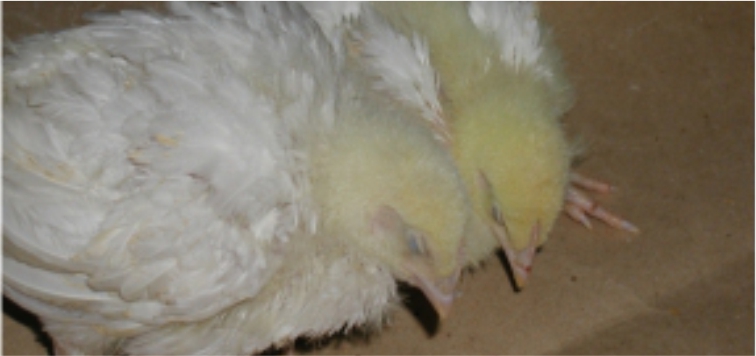
Clinical symptoms that often appear when chickens are attacked by Gumboro are white diarrhea, dull feathers, trembling, decreased appetite and chickens look lethargic. Other symptoms such as increased body temperature or fever ensue.
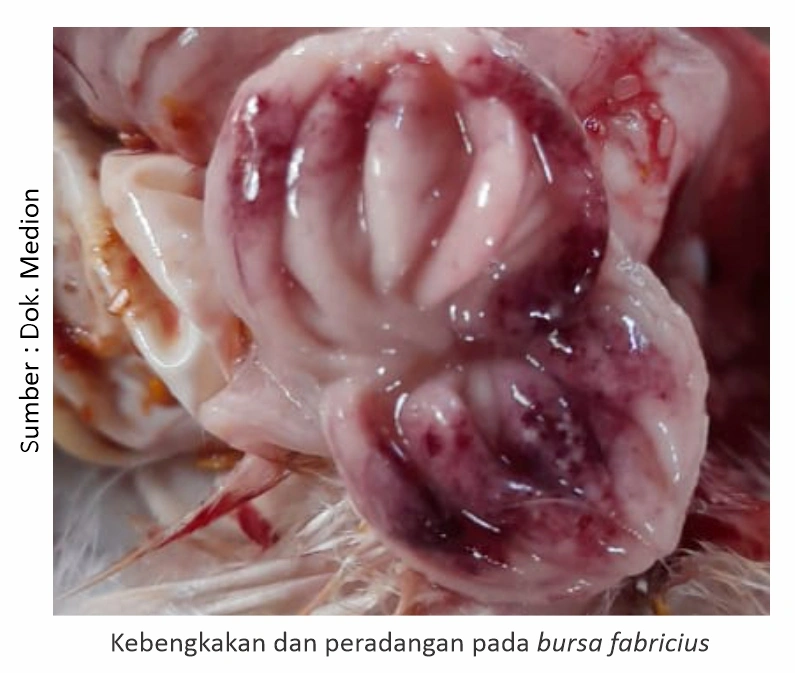
Fever is a sign that the chicken's body is fighting infection. When Gumboro attacks, the field virus enters the chicken's body will bind to antibodies. As a result, some organs (including bursa Fabricius and muscles) will experience inflammation and bleeding, and the response shown by the chicken is Fever.
Symptomatic Treatment Of Lowering Body Heat
Gumboro disease is a viral disease that until now has no cure. Usually for chicken broiler already badly can be directly in-culling. Meanwhile, if events approaching the age of harvest can be considered for immediate harvest.
Paracetamol administration is considered to help reduce symptoms of body heat or fever. Administration of paracetamol is symptomatic as antipyretic and analgesic to help relieve symptoms of fever and reduce pain in chickens when infected Gumboro.
Based on observations in the field, there are still many paracetamol products in the form of caplets that should be for humans, it is given to chickens, which in fact the composition, dosage and rules of use are certainly different.
The administration of excessive amounts of paracetamol and not adjusted to the applicable dosage and rules of use can damage the liver. Though we know that the liver is an important organ that plays a major role in the process of metabolism and detoxification of toxins that enter the body of chicken.
Briefly discussing paracetamol, its use in chickens is currently not a taboo. In a poultry farm in one of the cities in West Java, it was reported that 63% of farmers use paracetamol to treat poultry that have pain and fever (Survey of Indonesian-Dutch Partnership Program, 2010).
Paracetamol has long been known as an antipyretic (fever/fever lowering) and analgesic (pain/pain relief) in humans, but now paracetamol as a heat-lowering when it occurs outbreak Gumboro. Although it is commonly used to treat chickens, especially during Gumboro attacks, the use of paracetamol must still be adjusted to the applicable dosage and rules of use. It should be noted that if the fever has dropped, then this drug no longer needs to be continued because of its prolonged administration will have a less good impact on the liver.
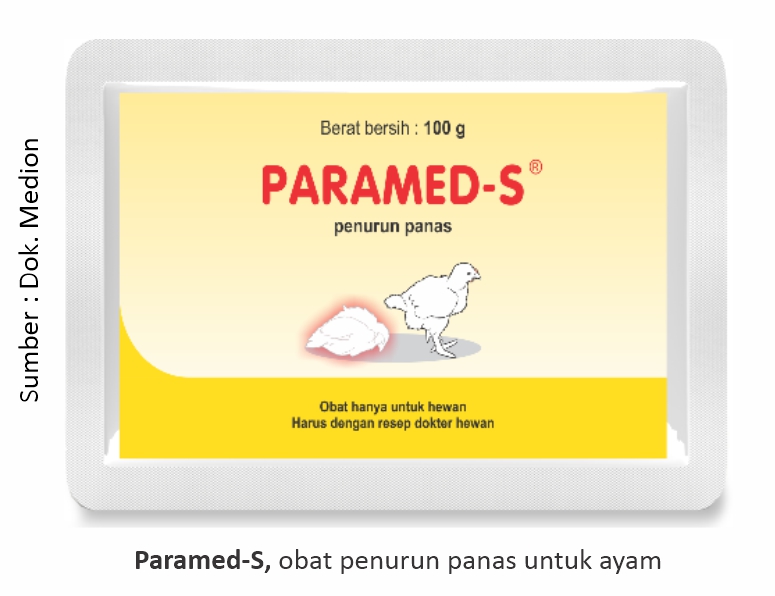
Medion has been producing Paramed-S which is effective in reducing heat, reducing inflammation and pain, thereby accelerating healing in chickens.
Dosage and rules of use Paramed-S that is 1 gram per liter of drinking water or 0.2 grams per kg of body weight. Awarding Paramed-S easily soluble in drinking water and will not cause blockage of nipple drinker.
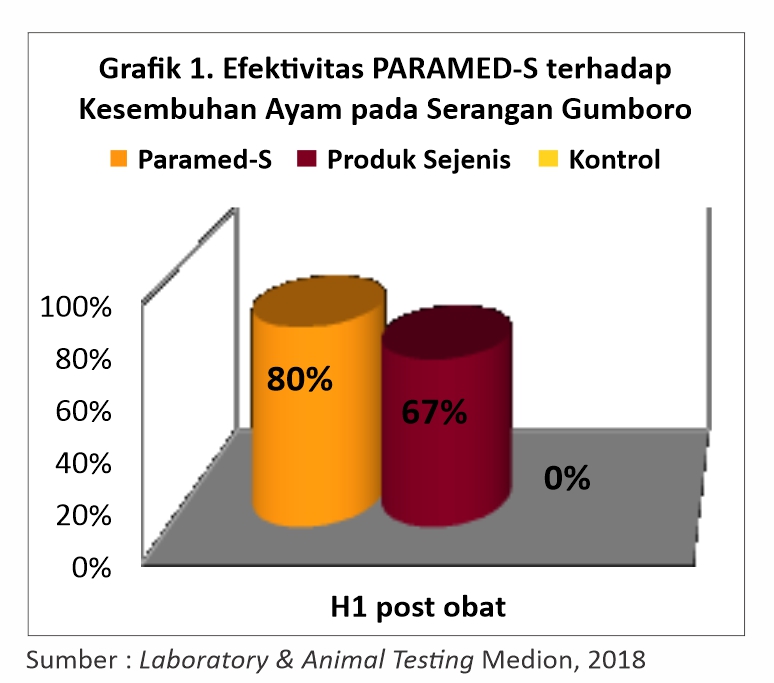
Effectiveness Paramed-S proven from the observation of the team trial Laboratory & Animal Testing Medion. Awarding Paramed-S for 5 days showed a percentage of recovery is more significant than the other groups listed in Chart 1. In addition, graph 2 shows the results that giving Paramed-S for 5 days were able to lower scores bursa lesions more significantly than the other group.
Supportive therapy with administration Paramed-S this is one example of supportive measures that can be applied when Gumboro cases occur on farms.
To help relieve other Gumboro attack symptoms, treatment what can be done include:
- Supportive Provide Gumbonal to restore the condition of kidney swelling for 3-5 days. After that, can be given multivitamins and electrolytes (Vita Stress) to increase endurance and reduce stress.
- Energy supplements in the case of pure or single Gumboro can be given 2-5% sugar water or Gingertol to help restore energy and improve body condition.
- Antibiotics Antibiotics are given only when there is a combination with a bacterial infectious disease. Because there are still many cases of Gumboro followed by secondary infections such as CRD, coccidiosis, colibacillosis, etc. But the first thing to deal with is Gumboro and then secondary infection. If Gumboro attack causes swelling of the kidneys, then use antibiotics other than aminoglycosides and sulfonamides such as Neo Meditril, Proxan-S, or Therapy.
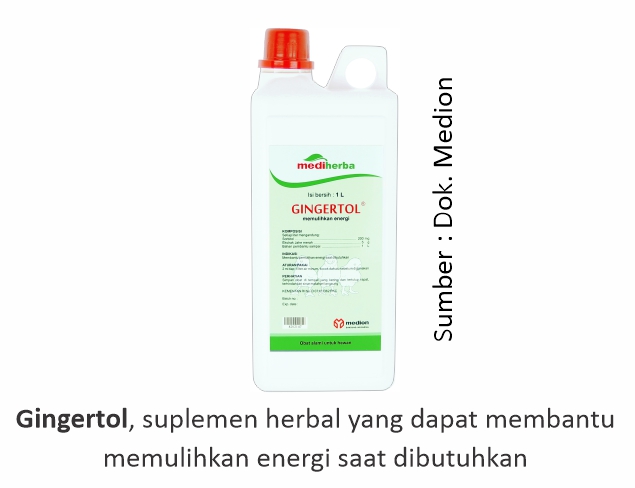
When combined with other measures, such as the provision of vitamins, energy sources etc. it is expected that the recovery of the chicken's body condition after Gumboro attack can run faster. The next step is to reduce the number of infectious agents in the field by disinfecting both cages and equipment using Neo Antisep and Antisep.
Evaluation in the Prevention of Gumboro recurrence
Once the Gumboro has passed, the breeder must evaluate some things so that the case does not repeat itself. Some things you can do to prevent Gumboro from recurring:
- For subsequent maintenance optimize the preparation period of the cage. Rest for at least 14 days before chick in.
- Do not forget to spray insecticide to eliminate ticks franky which plays a role in spreading the Gumboro virus (vector).
- Evaluation of the vaccination program by taking into account the age history of the disease in the previous period, as well as handling vaccine from storage until when it will be used in the cage.
All aspects of maintenance management greatly affect the success of Gumboro Disease Control. Good maintenance and health management will keep livestock safe from disease. Greetings.