Chicken farming is inseparable from the various challenges that exist. One of them is the presence of infectious agents present in the environment of the cage. Predisposing factors such as uncertain environmental conditions cause chickens to be easily stressed, which is where this stress is immunosupresant. As a result, chickens become susceptible to illness.
One of the most common causes of heart disease is (Swollen Head Syndrome). Initially SHS infection in livestock is often confused with Infectious Coryza, due to which the symptoms are almost similar.
When the chicken layer attacked by SHS, the decline in production that occurs can reach 5-40%, with mortality rates can reach 2%. The quality will have an impact on the eggshell becomes thin and can not reach the peak of production. On chicken broiler SHS infection causes feed intake and non-optimal body weight and increased FCR.
Causes Swollen Head Syndrome (SHS)
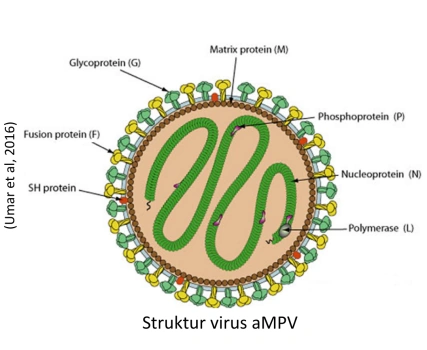
Swollen head syndrome caused by viruses Avian Metapneumovirus (aMPV) of the family Pneumoviridae, subfamily Pneumovirus, and the genus Metapneumovirus. Virus ini merupakan virus Single stranded - RNA (80-200 nm) having an envelope. The character of this virus can be inactivated at a temperature of 56°C for 30 minutes and is sensitive to all types of disinfectants, among others Oxidating Agent like Antisep and Neo Antisep, QUAT like Medisep and Zaldes as well as formaldehyde Sporades and Formades).
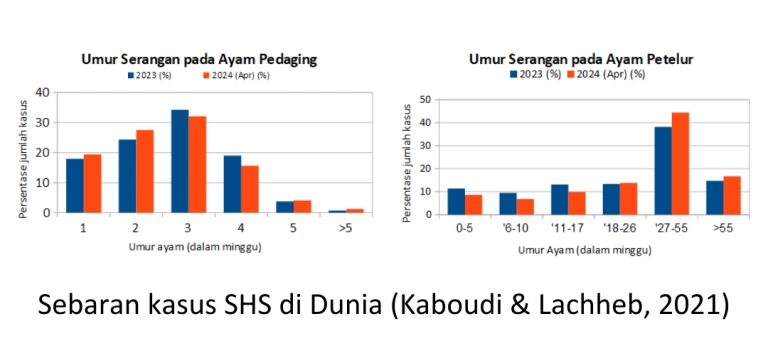
Based on data collected by the team Technical Education and Consultation Medion, this virus can attack all types of poultry at all ages. Based on these data, the incidence of SHS disease is most often in chickens broiler at 3 weeks of age and in chickens layer at the age of 27-55 weeks.
Kasus SHS sudah ditemukan di berbagai negara dan teridentifikasi sebanyak 6 subtype yaitu aMPV subtype A, B, C, D, New Subtype 1 & 2 (Kaboudi & Lachheb,2021). Sedangkan menurut David E, Swayne, 2020, Virus aMPV dibagi menjadi 4 subtype yaitu A, B, C dan D. While based on team monitoring Surveilance Analyst Medion, aMPV circulating in Indonesia is currently included in subtype B. Transmission of this disease is horizontal, either directly or indirectly through personal, equipment and vehicles as well as feed and drinking water contaminated with the virus with an incubation period of 3-5 days.
Patogenesa Swollen Head Syndrome (SHS)
Swollen head syndrome in general, it attacks 2 main systems in the chicken's body, namely breathing and reproduction, therefore the attack of this virus causes respiratory and reproductive disorders.
1. Respiratory system
The aMPV Virus enters through the respiratory tract mucosa, then there will be an accumulation of excess mucus as a reaction to inflammation. Furthermore, there will be respiratory symptoms and deposits of exudate into the subcutaneous tissue (head and Mandibular area) (Robles J.C.G, 2020)
2. Reproductive system
Like any infection in the respiratory tract, the aMPV virus first enters through the respiratory tract mucosa, then the virus experiences viremia or circulates along the bloodstream, further the virus will reach the target organs in reproduction, namely the ovaries and oviducts, resulting in a decrease in egg production both in terms of quantity and quality.
Kejadian Swollen Head Syndrome (SHS) di Peternakan
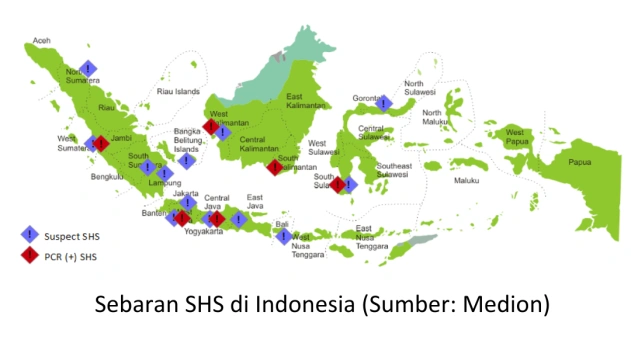
Indonesia bypassed the route bird migration path multi-directional which has the potential to carry and spread aMPV. Wild birds are considered natural reservoirs of this virus (Disease of poultry 14th edition). Based on data collected from the team Surveillance Analys Medion, the following is the distribution of SHS cases in Indonesia. With the proportion of cases in broiler chickens as much as 55.88%, layer 39.71%, breeder 2.94% and male chickens 1.47%.
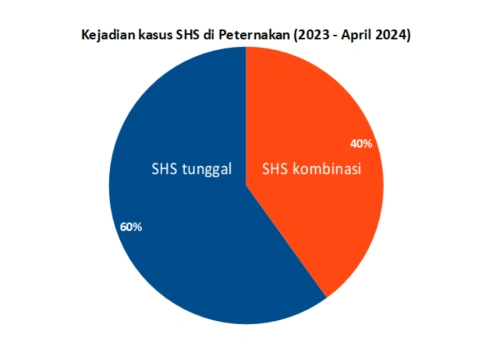
In addition to a single infection with SHS, it is not uncommon for the incidence of infection with this disease to combine with other diseases. The following is the incidence of SHS both single and combination. Some diseases that often accompany and aggravate infections from SHS include Coryza, colibacillosis CRD, complex CRD and are also associated with cases heat stress in the field.
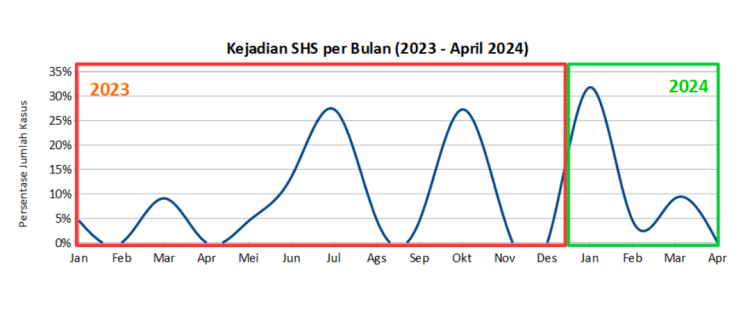
This disease does not know the season, and is often preceded by predisposing diseases immunosuppressant conditions such as mycotoxicosis contamination, stressful conditions such as heat stress or infection with other diseases that cause the chicken's immune system to decline. Here are the monthly SHS disease movements.
Some other things related to the emergence of this disease if we examine more deeply, the triggering factor is closely related to less than optimal maintenance management. The higher the density of the chicken, the feces accumulate, and the absorption litter become limited. As a result, ammonia levels become higher and are directly related to air quality on farms so that they become the gateway for respiratory diseases, one of which is Swollen Head Syndrome.
Diagnosis Swollen Head Syndrome
In diagnosing a disease, we need to collect all the information ranging from data recording, to find out whether feed intake there is a problem, increased mortality and decreased data Hen Day production.
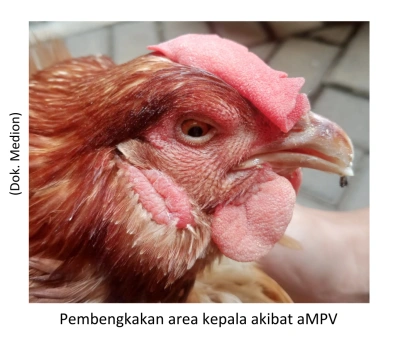
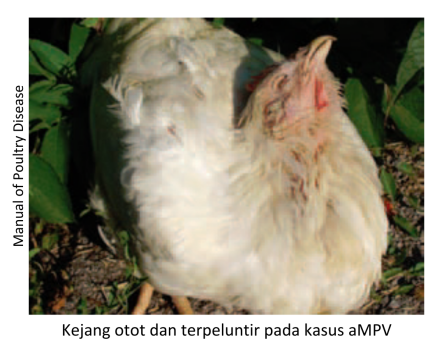
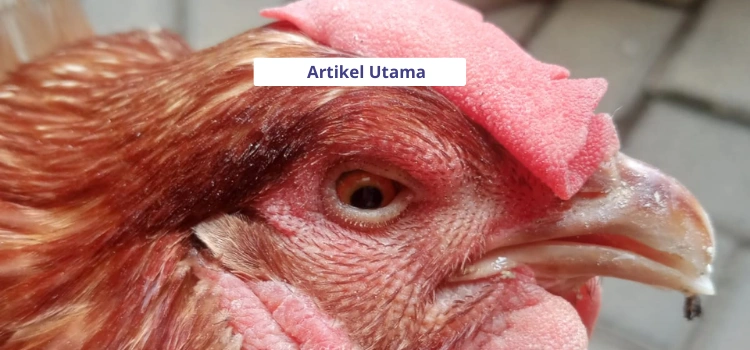
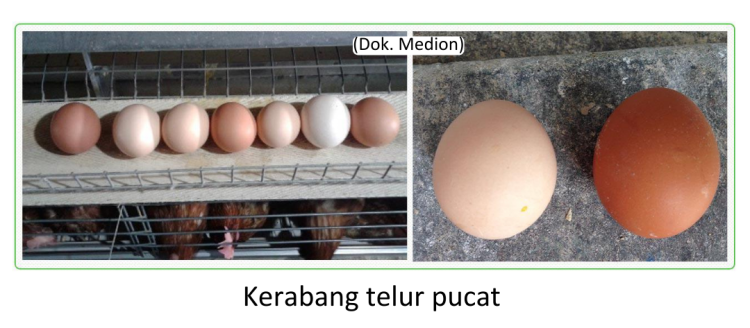
In addition, it is important to observe the clinical symptoms that appear in chickens. For diseases Swollen Head Syndrome the symptoms that we encounter, among others, begin with a respiratory disorder in the form of snoring which, if treated with antibiotics, does not go away. Chickens become weak, often sneeze, frothy conjunctivitis and difficulty breathing (dyspnea). Next comes swelling in the area of the head and mandible (lower jaw), which begins to be clearly visible. Such conditions are at risk of being followed by secondary infections such as colibacillosis. In severe cases, it can also be accompanied by opisthotonus and torticollis (muscle spasms and neck twisting). While the impact on egg quality is a decrease in egg production and shellfish color becomes pale.
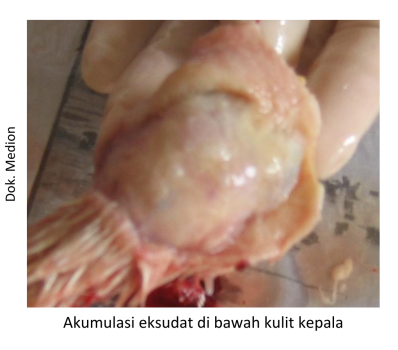
In addition to the observation of clinical symptoms from the external appearance of the chicken's body, it is necessary to perform necropsy (carcass surgery) to complete the Diagnostic data in the direction of infection Swollen Head Syndrome. Some of the anatomical pathologies that appear include, if surgery is performed, then the area of the head examined will appear accumulation of fluid (exudate) under the scalp.
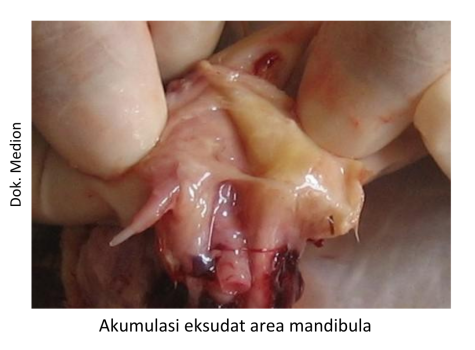
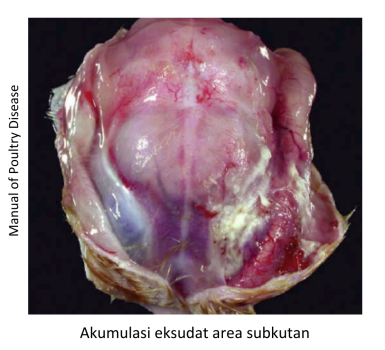
In addition, there is also an accumulation of exudate in the lower jaw (mandible). If this infection continues, there will be a secondary infection that accompanies it, one of the most frequent secondary infections is colibacillosis. As a result appears perkejuan subcutaneous location on the head of the chicken. This will aggravate and prolong the healing of the infection Swollen Head Syndrome.
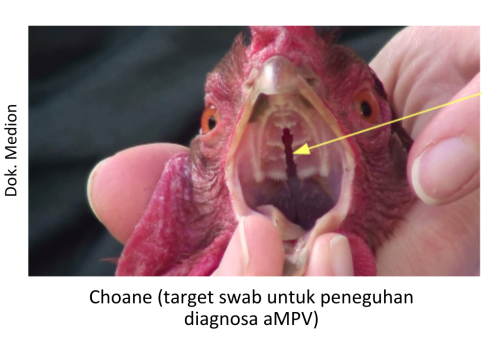
To help direct the diagnosis can be done ELISA testing against aMPV, if the chicken has not been vaccinated but aMPV antibody titer detected high, this becomes one of the directions that support the diagnosis of aMPV. In addition, to ensure the diagnosis can be confirmed by PCR lab tests and Sequencing of swab samples and organs.
Differential diagnosa Swollen Head Syndrome
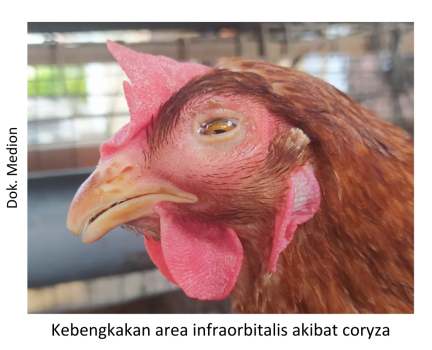
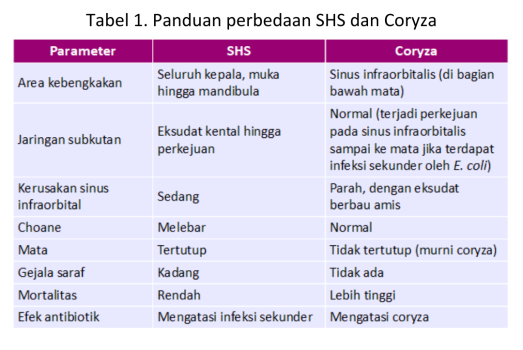
It looks like any other respiratory disease, Swollen Head Syndrome also causes symptoms that are almost similar to CRD disease, CRD complex, coryza, AI, ND, and IB because it raises the initial symptoms of respiratory disorders and snoring. This disease is often confused with Infectious Coryza which is caused by Avibacterium paragallinarum with the same initial symptoms and even the same swelling on the face. Especially for coryza swelling that appears namely at the bottom of the eye. This is related to the predilection of the causative infectious agent located in the infraorbital sinus.
However, coryza is a disease caused by bacteria, therefore, if treatment is carried out with the appropriate antibiotics, it can be resolved. Another case with Swollen Head Syndrome, since the causative agent is a virus, then with the administration of antibiotics, there is no cure.
Here's a quick guide to distinguishing infection between coryza and Swollen Head Syndrome listed in Table 1.
Control Efforts Swollen Head Syndrome
In the control of diseases caused by viruses we need to combine several aspects including, the application of management and biosecurity good and in combination with the support of livestock equipment (rations, drinking places, etc.)
* Strict implementation of biosecurity
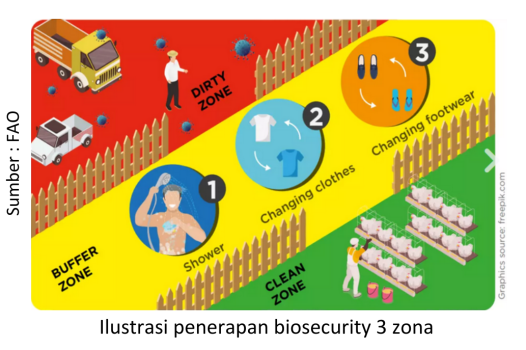
The application of biosecurity aims to reduce the number of disease seeds in cages. Application biosecurity 3 zones (clean, transition, dirty) can be applied as an effort to keep the farm from disease seeds from outside. Strict and disciplined disinfection Program in farm/stable environment.
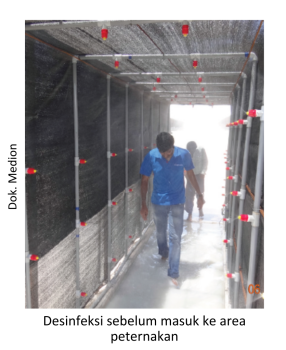
Traffic restrictions for transportation or personnel and wild animals that will enter the farm area are also important to avoid the entry of infectious agents from other vulnerable places. which can bring seeds of disease.
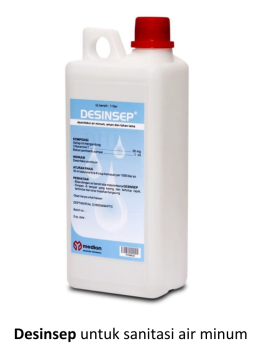
Limit contact between commercial poultry and free-range chickens, waterfowl or wild animals. Next, do an empty cage for at least 2 weeks calculated when the cage is ready to fill in order to break the chain of disease. Perform cage and equipment sanitation (cage cleaned, washed and sprayed) with NEO Antisep or Medisep. When it is happening outbreak then spraying is carried out daily. It is no less important to sanitize drinking water by providing antiseptics such as Desinsep or Neo Antisep to suppress disease transmission through mucus that contaminates drinking water.
• Suppression of immunosuppressants and administration of supplements
Basically, creating comfortable conditions for chickens helps so that chickens are not susceptible to disease. For this reason, it is necessary to implement optimal management such as air circulation, temperature, and appropriate humidity. Strive for conditions litter keep dry and ammonia concentration low. High levels of ammonia cause upper respiratory tract irritation that can trigger respiratory disease infections. Poor ventilation management can increase the occurrence of respiratory tract diseases. Moreover, on farms with open-air cage systems that depend heavily on external conditions, farmers must adjust to the environment so that chickens remain in comfortable conditions and avoid disease. In addition, the need to suppress immunosuppressant conditions such as mycotoxin contamination, stress and other immunosuppressant diseases needs to be done because these conditions can affect the antibodies formed in the chicken's body to be not optimal so it is susceptible to infection. Multivitamins (Solvit, Aminovit, or Fortevit), immunostimulants (Imustim) and premix (Mix Plus) as a supplement to the ration will increase the endurance of chickens. With vitamin supplementation, the condition of the mucous membrane of poultry will be better so that the aMPV virus that causes SHS that will enter the mucous membrane can be optimally driven away. In addition to vitamins, the addition of premixes is also important to supplement the nutritional needs of the ration, so that the metabolic process of poultry body defense can run optimally.
- For prevention efforts, 1x vaccination can be done for broiler and 2x for layer can be adjusted to farm conditions or according to recommendations from vaccine manufacturers.
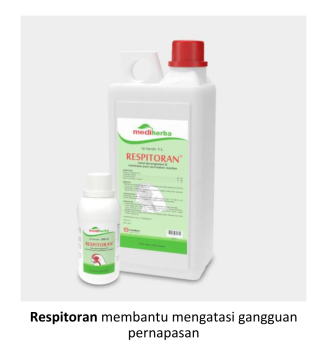
- In addition, the use of a variety of anti-inflammatory drugs such as sildenafil citrate (Solvit, Aminovit, or Fortevit), immunostimulants (Imustim), and Respitoran which can thin mucus and relieve inflammation in cases of respiratory tract disorders.
With some of the above information is expected to recognize the disease breeders Swollen Head Syndrome and can apply control measures to prevent the entry of infection Swollen Head Syndrome on the farm.