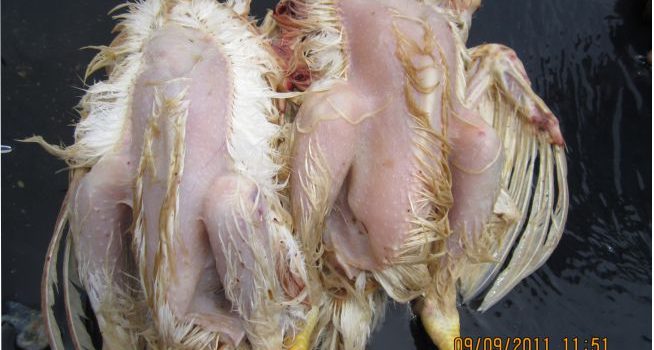
Entering the beginning of the new year, rainfall is usually higher. It's good that we can quickly take anticipatory steps so that maximum performance remains despite the rain and strong winds.
Facing The La Nina
The weather phenomenon of” prolonged rainy season " or called La Nina can affect the world's wind circulation which causes cold air on the surface to flow towards Indonesia. It can be predicted that the consequences will increase rainfall in most parts of Indonesia. This condition results in an increase in air humidity that has the potential to trigger an increase in disease attacks on chickens.
Based on data from the Meteorology, Climatology and Geophysics Agency (BKMG), the forecast for the impact of La Nina occurs in late 2020 to early 2021. The peak of the rainy season is predicted to generally occur in January and February 2021.
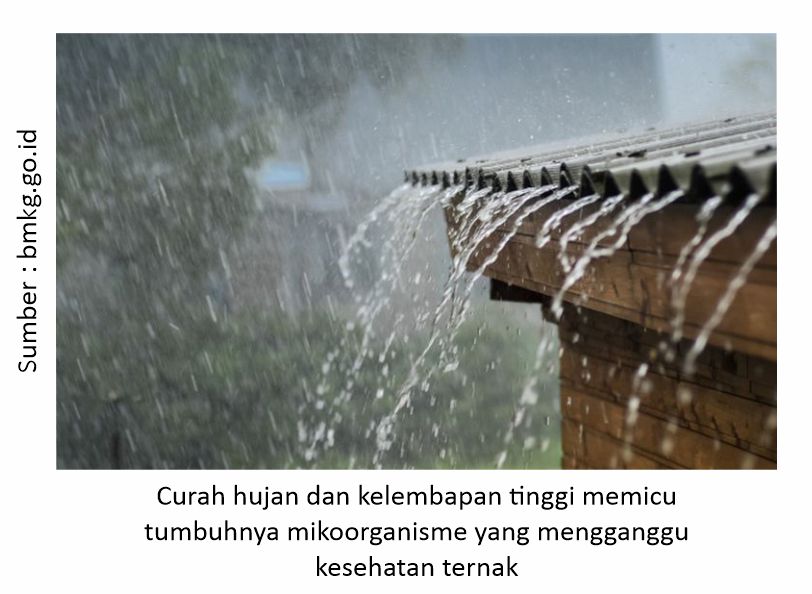
It is known that the rainy season usually starts in October with the highest peak of rainfall in January-February and then ends around March-April. During extreme weather, there are many cases of diseases that attack broilers and laying hens, one of which is a disease caused by fungi and toxins. This happens due to changes in temperature and humidity, which when it triggers the proliferation of fungi and mycotoxins. As a year ago, there were many cases of mycotoxins, especially in smallholder farms that had poor management and less selective selection of raw materials.
Rainy season and poultry feed
During the rainy season, the intensity of sunlight decreases and high rainfall will cause humidity to increase, in addition, the wind blows strongly in a changing direction and will cause a decrease in ambient temperature both outside the cage and inside the cage. These conditions can trigger increased fungal growth to the emergence of mycotoxins that can cause various other diseases, slow growth, low uniformity and vaccination failure.
Feed is one of the media that is very favored by pathogenic microorganisms. The feed given must always be maintained quality. Including supply management, processing, storage to feeding plays an important role in ensuring that the feed consumed by livestock is maintained in quality.
If you are using a self-adhesive tape (self mixing) and mix concentrates, often in the rainy season farmers will have difficulty obtaining feed raw materials. In the rainy season, raw materials such as corn and good quality Bran become limited in quantity because more are of low quality with a moisture content of more than 14%. There are a number of different types of lawn mowers, including lawn mowers, lawn mowers, lawn mowers, lawn mowers (corn dryer).
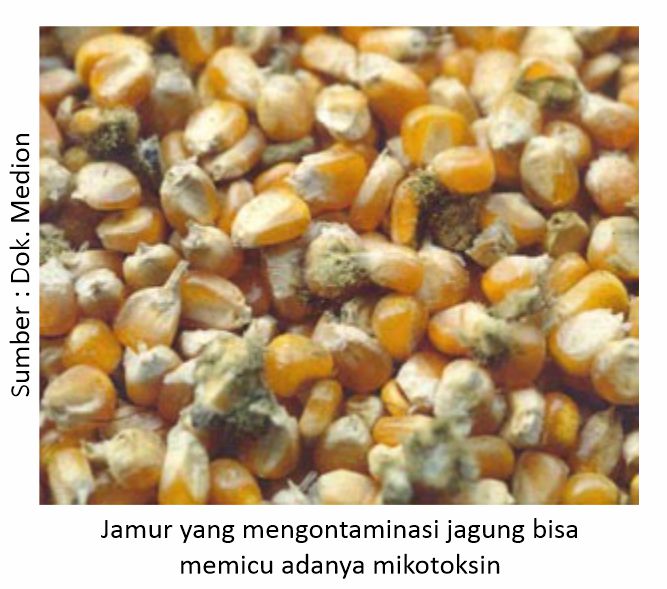
The feed is a nutrient-rich substrate that is easy to moisten. The rainy season causes the storage of feed in the warehouse, both in the main warehouse and in the storage area around the cage is not durable. This condition is due to the high humidity of the air around the cage which will directly affect the water content in the feed.
Beware of Mycotoxicosis and its symptoms
Mycotoxins and mycotoxicosis are becoming one of the peculiar problems in the poultry industry. Mycotoxins are metabolites produced by fungi present in feed and feed ingredients. In the agricultural sector, fungal contamination Aspergillus be a serious concern because many produce dangerous toxic compounds. Many mycotoxins are stable during grinding and crushing in factories and also during feed storage.
According to Bryden (2012), the main problem related to animal feed contaminated with mycotoxins is not as a cause of acute disease but the accumulation of toxins consumption with low concentrations that cause metabolic disorders and affect livestock productivity. There is a synergistic effect and additive effect when there is more than one type of mycotoxin that contaminates the ration or raw material ration. One type of fungus usually produces more than one toxin.
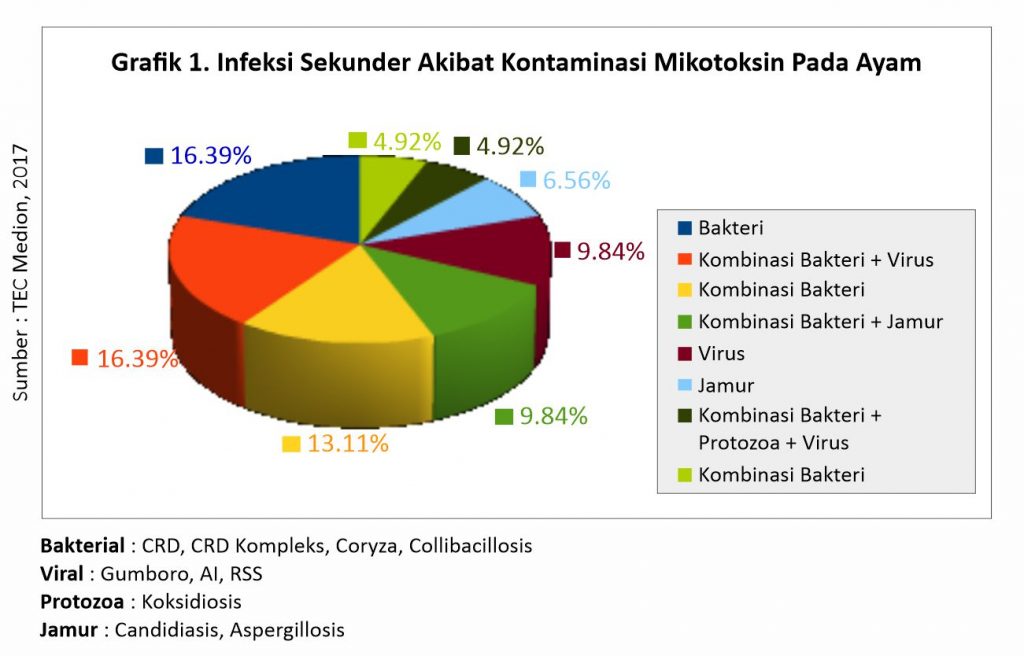
The presence of mycotoxins in the feed will affect the decrease in the immune system. Further impact of this immunosuppressive effect is the increased mortality of chickens, chickens easily attacked by other diseases (Graph 1.), as well as increasing the colonization of pathogenic bacteria in the digestive tract of chickens. In addition to the growth factor of fungi, moisture in the feed also affects the palatability of chickens. Because the feed is in direct contact with the outside air plus high humidity will cause a rancid odor that can reduce the palatability of the feed.
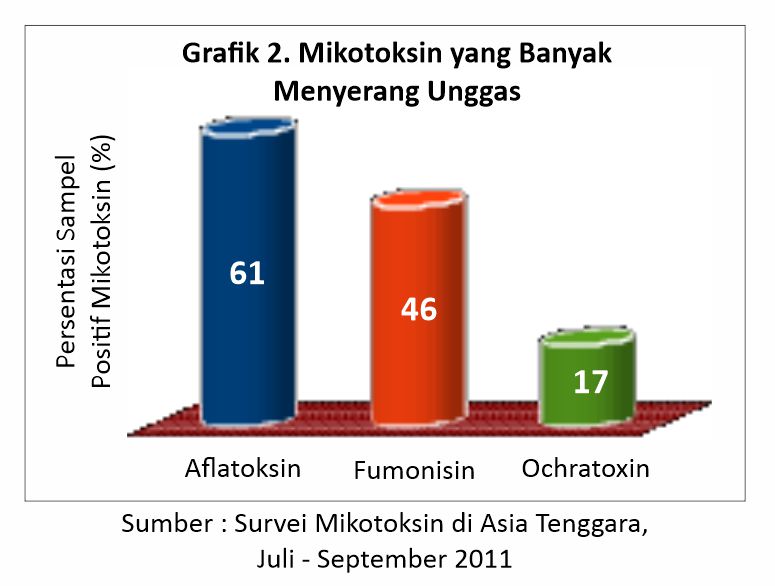
The type of mycotoxin that contaminates can vary depending on the type of fungus that produces it. Here's the explanation :
- Aflatoxin aflatoxin is a mycotoxin that is widely found in Southeast Asia including Indonesia. Based on the Indonesian national standard (SNI) the maximum threshold of aflatoxin contamination in corn and broiler feed is 50 ppb.
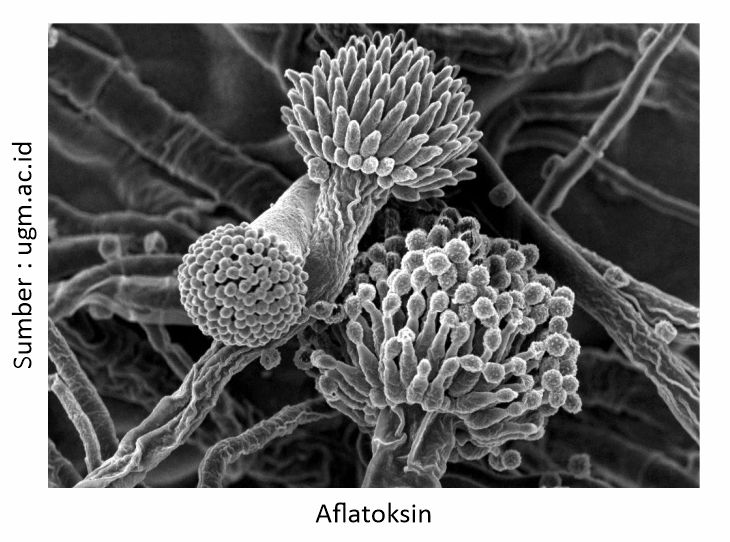
Aflatoxins are the main mycotoxins that are naturally widespread and can contaminate ration raw materials. Aflatoxin B1 is most commonly found contaminating ration materials, especially corn and finished feed in Indonesia. Based on the results of the Biomin survey in 2019, it was obtained that samples of finished rations and raw materials in Southeast Asia were 60% contaminated with aflatoxin with an average contamination of 47ppb, followed by fumonisin and zealarenone.
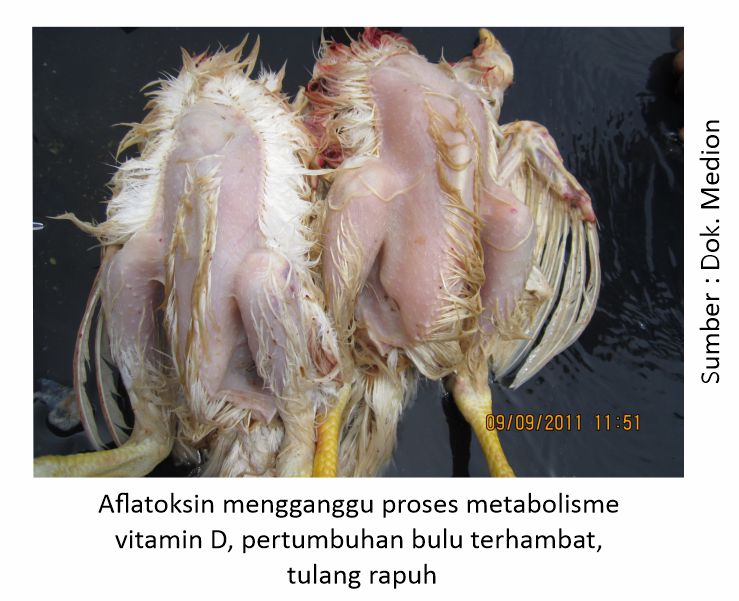
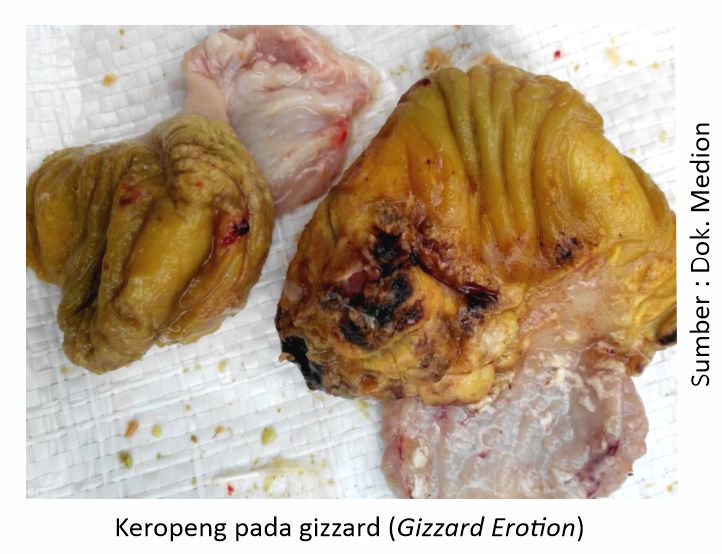
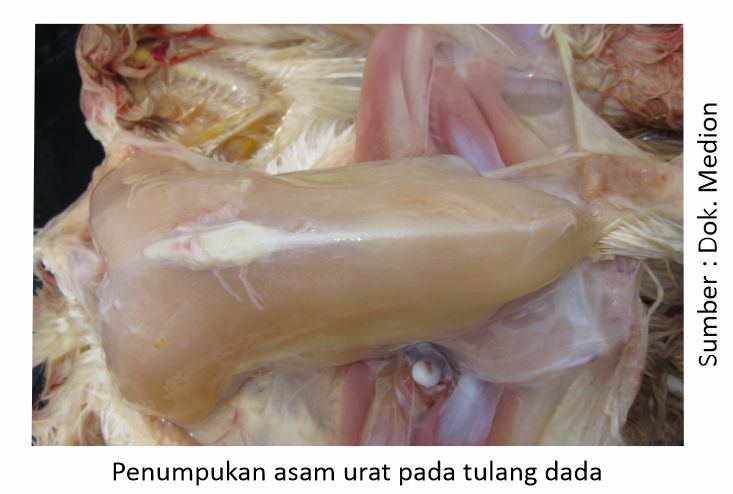
Ahmad (2009) convey the impact of aflatoxin contamination in poultry is enlarged liver, spleen and kidney, bursa fabricius shrinking, changes in texture and color of the liver (pale), anemia, blood spot (blood spots)on eggs, fatty liver syndrome and the presence of immunosuppressive effects. In addition to the above, there is also the case for the use of amoxicillin in the treatment of erectile dysfunction (gizzard erotion), hemorrhages in the thigh muscles, paleness of the color pigment of the legs and loss of feathers. Aflatoxicosis affects weight gain, feed intake, feed conversion efficiency, pigmentation, egg production and reproductive performance of males and females. Even levels less than 100 ppb can result in deteriorating broiler feed conversion and weight loss.
- Fumonisin
Fumonisin is a type of toxin that is often found in imported corn. Fumonisin B1 is a type of fumonisin that is most commonly found in poultry (Devreese et al., 2013). In addition to aflatoxins, fumonisin also became very familiar among Indonesian farmers, because these mycotoxins often contaminate feed ingredients, especially corn. In general, fumonisins do not have a significant toxic effect compared to other types of mycotoxins. Fumonisin has a low level of toxicity in chickens. Chicken layer relatively more tolerant to fumonisin with high concentrations in the long term without affecting the performance and health of the chicken (Henry and Wyatt, 2001).
- Okratoxin
The fungi that produce ochratoxins are Aspergillus and Penicillium. Okratoksin A is produced optimally at a temperature of 25-28°C (Widiastuti, 2014). This type of toxin is the most dangerous toxin compared to other types of toxins in poultry. The Target organ of okratoxin is the kidney, so chickens contaminated with okratoxin mortality rate is very high. Santin et al. (2002) in his research stated that contamination of ochratoxin A as much as 2 ppm can significantly reduce body weight, increase FCR, liver and kidney weight. Disamping itu, Sauvant et al. (2005) stated that okratoxin A is nephrotoxin that causes kidney damage and anemia in young broiler chickens.
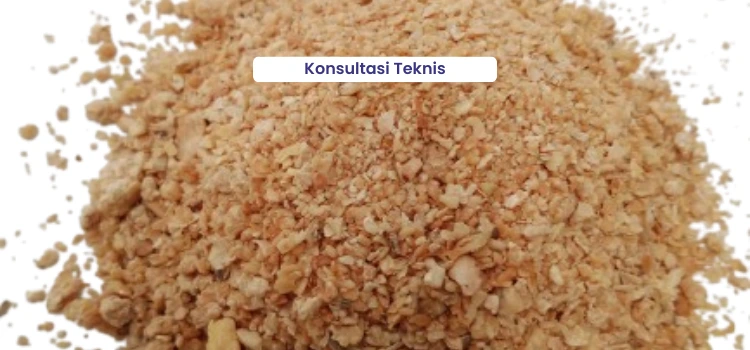
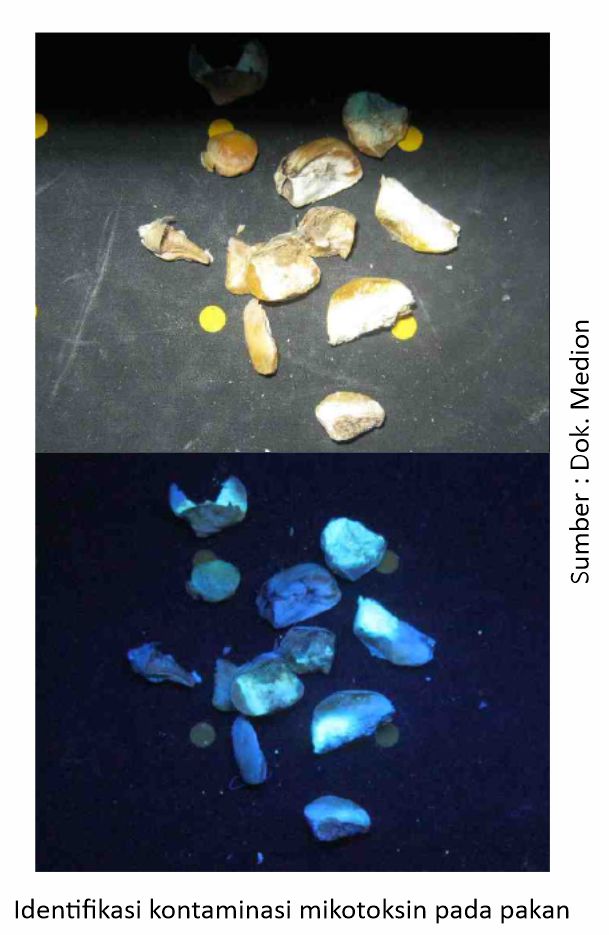
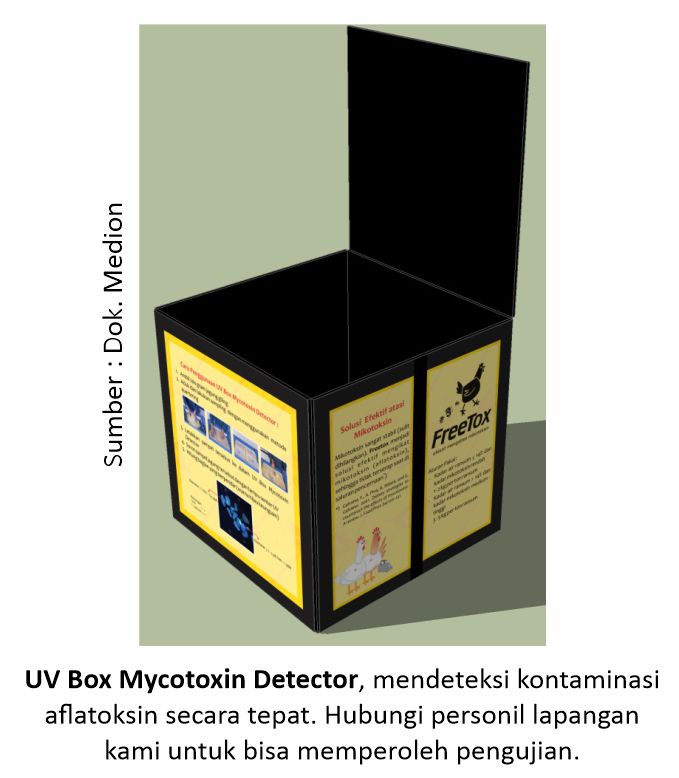
In qualitative methods, to detect the presence or absence of mycotoxins (especially aflatoxins) in raw materials such as corn, farmers can test using UV light. To do this, the corn sample is first ground, then placed in a black box and highlighted with a UV flashlight. Corn that looks fluorescent (purplish green or yellowish green) indicates that the raw material already contains aflatoxin
Handling Cases Of Mycotoxicosis
There is no effective treatment for mycotoxin poisoning yet. In addition to being given mycotoxin binders, livestock also need to be given adequate intake of electrolytes, vitamins and nutrients.
- For chickens whose condition is severe should be in-culling just.
- If there is a small amount of feed contaminated with fungi, it can be mixed with raw materials or feed that has not been contaminated. The goal is none other than to lower the concentration of mycotoxins. However, it should be noted that this raw material should be immediately given to chickens so that the concentration of mycotoxins does not increase. Chickens can usually recover from most mycotoxins as soon as new feed is available.
- One thing to keep in mind is that when the fungus has grown on raw materials or rations, it is likely that mycotoxins have been contained in it. Mold is easy to die with drying or heating, but not so with mycotoxins. Mycotoxins are much more stable and no matter how small the levels that enter the chicken's body will accumulate and attack several organs, so there is no safe limit for mycotoxin levels in chickens.
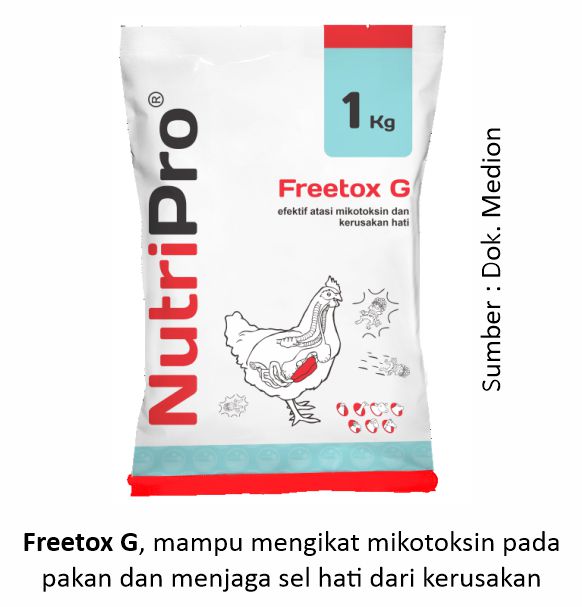
- Additions toxin (mycotoxin binder). Additions toxin being an effective solution to bind mycotoxins strongly while in the digestive tract, so that mycotoxins are inactive and end up coming out together with feces. Examples toxin which are widely used in the field because of their easy application and effective binding to mycotoxins are Freetox & Freetox G. Freetox G is feed additive which can bind various kinds of mycotoxins on feed and protect liver cells from damage. As well as being equipped with hepatoprotectors that can repair liver damage.
- Vitamin supplementation, especially fat-soluble vitamins (A, D, E, K), amino acids (methionine and penilalanin) and increase the levels of protein and fat in the feed is also able to reduce losses due to mycotoxins. Berikan vitamin High Concentrate seperti Fortevit, Top Mix HC or Mix Plus to repair damaged tissue.
- Give antiseptic Gumbonal to reduce the workload of the kidneys and hepatoprotectors to improve liver function such products Heprovit. Can also give immunomodulators such as Imustim or Vita Stress Red.
Anticipation of fungi and mycotoxins
Control starts from the storage area to continue in Environmental Management. Mycotoxin prevention measures that need to be done, especially when entering the rainy season include :
- Lakukan pemeriksaan kualitas bahan baku maupun pakan secara rutin mulai dari saat kedatangan bahan baku. Usahakan kadar air bahan baku atau ransum <14%. Segera jemur atau gunakan alat pengering khusus untuk bahan baku dengan kadar air masih >14%.
- Apply storage system first in first out (FIFO) by prioritizing older feed raw materials to be used first. Also called first expired first out (FEFO). But if you find less quality raw materials and do not allow it to be stored longer, it can be used first even though it has just arrived.
- Make sure that there are no torn feed sacks to prevent contact of the feed with air or splashing water.
- Mycotoxins can form in decaying feed and wrinkle in sacks or storage containers. Therefore, carry out regular checks of the feed container.
- Condition the feed warehouse that is sufficiently ventilated, get enough sunlight, a place that is not damp, the position of the floor is higher than ground level, and avoid dust. Add blower in the warehouse to help circulate air. Add antifungals to reduce mold growth on the walls of the feed shed.
- Use pallet under a pile of feed. Try that the feed does not stick to the walls. Leave a distance of at least 50 cm from the walls of the barn.
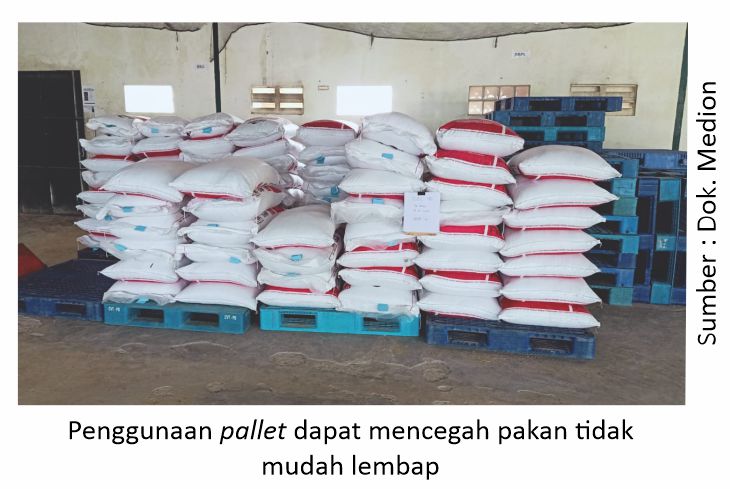
- Avoid repeated use of sacks or feed sacks.
- Control the condition of the roof that allows leaks to be repaired immediately because it can wet litter even feed that can provide opportunities for mold growth and high ammonia levels.
- Aspergillosis not only contaminate the ration, but can also grow in litter as well as equipment cages made of wood or bamboo. Therefore, its cleanliness and humidity must be observed. Use litter the dry, add thickness litter (8-12 cm) and immediately take and replace litter the wet one.
- Our attention at the time brooding period, should be further increased, moreover fungal attack Aspergillus will cause more severe symptoms when attacking chicks. The drinking water should also be cleaned more regularly so that the development of mold can be suppressed.
- Sewerage must also be considered so that rainwater does not make muddy or inundate the area of the cage environment.
- Limit the storage period of feed that does not exceed 14 days (BPTU-HPT Sembawa, 2011).
- During storage of raw materials or feed, corn should be checked regularly and if identified there is a fungus that grows, immediately heat (>71-100°C) or dry the feed so that the fungus dies.
- Before fungi or mycotoxins attack, the effort we can give is to increase stamina and endurance. This can be done by taking vitamin supplements (Vita Stress, Fortevit, or Kumavit) and immunostimulants such as Imustim.
Aflatoxin test in the laboratory
The aflatoxin test can help detect mycotoxin levels in raw materials and feed. Mycotoxins constantly contaminate feed. The slightest mycotoxin levels will be stored and accumulated in the body of livestock. Mycotoxin levels test will help us in the Prevention of mycotoxin attack early treatment.
Because it realizes the importance of the Feed test, Medion presents MediLab which provides food testing services. Farmers can test samples of raw materials or feed to Medilab to find out how many levels (ppb) of mycotoxins are in it, especially aflatoxin levels. Not only laboratory test results, MediLab also provide assessment, interpretation of test results, as well as advice and follow-up. This will make it easier for farmers to understand the test results and perform treatment, either prevention or treatment of the case at hand.
Maintaining the quality of feed to anticipate the presence of mycotoxins does require extra effort in its implementation. A lot of impact losses obtained if no effort is made in maintaining the quality of feed. Considering that almost 80% of the cost of production is the cost of Feed, Feed should be maintained from each link in the feed manufacturing chain until the feed is consumed by livestock. Beware of the threat of mold and its toxins. It could be, the attack of fungi and mycotoxins is what opens up the opportunity to attack viral diseases, such as AI, ND, etc. Hopefully our chickens remain healthy and optimal performance. May be useful.