The nutritional needs of chickens should ideally not only be based on calculations in feed formulations. In addition, it is necessary to pay attention to other aspects such as digestion and absorption of nutrients. One of the factors that inhibit the digestion and absorption of nutrients is the presence of antinutrients in the feed. The composition of poultry feed is about 85% vegetable matter, which naturally contains antinutrients.
Farmers need to understand and be aware of the impact of antinutrients caused to anticipate the decline in performance in chickens.
Antinutrients in Poultry Feed Ingredients
Antinutrition is a general term of various substances in feed ingredients that can interfere with the process of nutrient utilization in the digestive tract of livestock. Antinutrients contained in poultry feed ingredients can be toxic or non-toxic. Antinutrients that are toxic generally in low concentrations can already be toxic (toxic). The non-toxic antinutrients only affect the process of digestion, absorption of nutrients and decrease palatability (Jayanegara et al. 2019).
Antinutrients in plants serve as protectors against the attack of pathogens, pests etc. Meanwhile, in cattle it can have a negative impact if consumed through feed. The interesting thing about antinutrients is that some types of them can actually have a positive impact on livestock, especially at low concentrations. Examples of this can be antioxidant, antiviral, antibacterial, and even anticancer. The difference between the positive or negative effects of a type of antinutrient depends largely on the plant source as well as the concentration.
Antinutrients in feed raw materials are of several types. The following types of antinutrients are most commonly found in chicken feed, among others :
1. Phytic Acid
Common raw materials in chicken formulations that are often found to contain phytic acid are bran or Bran. The content of phytic acid in Bran or Bran is usually correlated with the content of coarse fiber (Van der Kliss and Versteegh, 1999), namely increasing the content of coarse fiber in the raw material is also increasing the content of phytic acid.
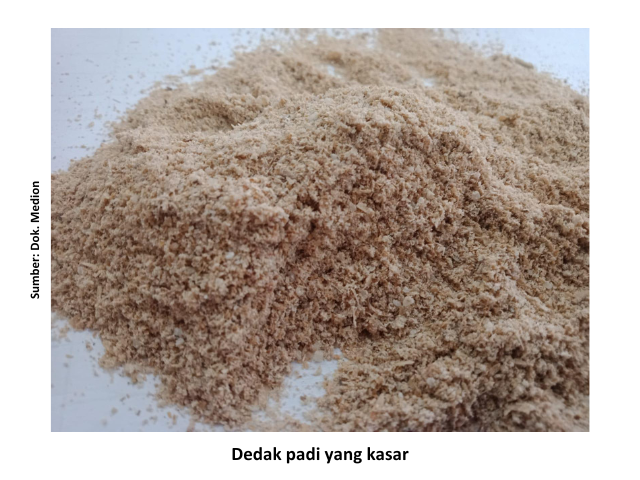
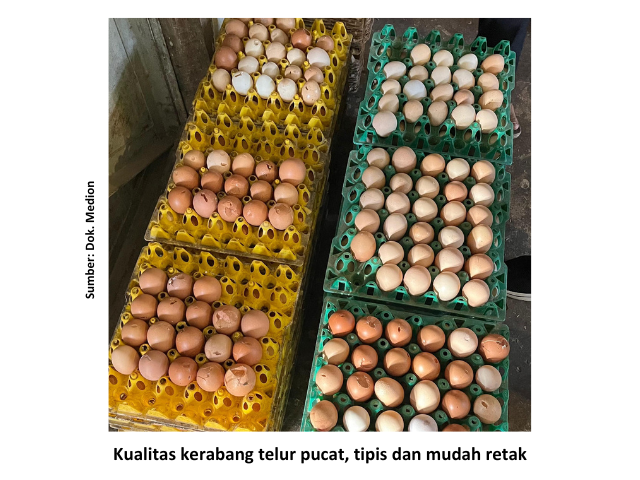
The mechanism of action of phytic acid is to bind nutrients that should be absorbed and utilized by chickens. Nutrients bound by phytic acid can be released by phytase enzymes, but poultry has limitations in producing phytase enzymes. An example of the nutrient that binds the most is the mineral phosphorus. This causes phosphorus mineral deficiency resulting in impaired bone growth, paralysis, decreased production and quality of egg shells such as thin, easily cracked and pale.
2. Non Starch Polysaccharides (NSP)
Common raw materials in chicken formulations are often found to contain Non Starch Polysaccharides (NSP) is corn. Examples of other raw materials are wheat, sorghum, etc.
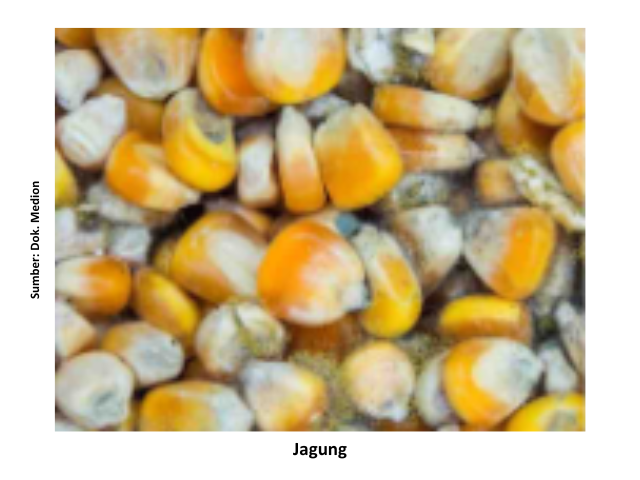
The NSS is located at endosperm cell wall of the grain. In general, NSP is divided into 2 types, namely soluble and insoluble fractions. NSP dissolved fraction consists of Arabinoxylans, beta-glucans, mannans, galactans, xyloglucan, fructans. While insoluble NSPS such as cellulose.
The mechanism of action of dissolved NSP is to bind water, causing the viscosity of the gastrointestinal tract fluid to increase (viscous). When the viscosity of the gastrointestinal tract increases causes transport and absorption nutrients decreased. In addition, it also leads to a decrease in feed flow rate and disturbed microflora balance. Usually also marked the occurrence of wet dropping (wet stool). While insoluble NSPS cause encapsulation effect (binding nutrients) so that the availability of nutrients is reduced and can interfere with the activity of endogenous enzymes. The impact of nutrient needs are not optimally available, especially energy needs, considering that energy needs are very important both basic needs and production, causing the resulting performance to be not optimal.
3. Protease Inhibitor
Common raw materials in chicken formulations that are often found to contain proteases inhibitors is a soybean meal. The content of protease inhibitors is influenced by the processing of soybean meal. The main effects of protease inhibitors is a decrease in the digestibility of proteins, especially in the monogastric digestive system, including chickens.
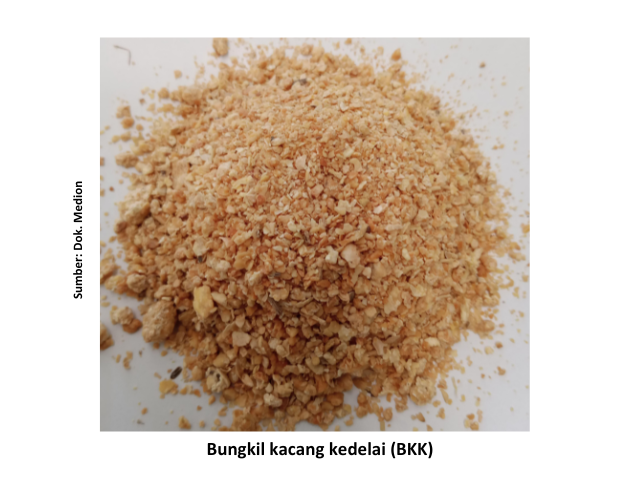
Disruption of protein digestibility reduces the availability of amino acids. On the other hand, protein and amino acids are needed by chickens to support performance, namely in broilers for muscle growth (meat), while in laying hens for egg production.
The Role Of Enzymes Cope With Antinutrients
Enzymes are protein compounds that function as catalysts to accelerate the breakdown of complex compounds into simpler so that they can be absorbed by livestock. Enzymes work specifically like keys and locks so they must pair with substrates in order to work properly. Contoh enzim fitase substratnya asam fitat, enzim xilanase substratnya NSP, enzim protease substratnya protease inhibitor.
Efforts to overcome anti-nutritional factors can be done through the addition of enzymes into the feed. The role of enzymes in overcoming antinutrients in vegetable raw materials by catalyzing hydrolysis reactions in antinutrient compounds such as phytic acid (Kosim et al. 2016). While protease enzymes catalyze the breakdown of proteins into amino acids and xylanase enzymes catalyze the breakdown of complex carbohydrates into simple.
Then the nutrients that have been digested in simple forms such as amino acids, simple carbohydrates can be absorbed easily by livestock. So the nutritional needs of chickens are not only calculated from the aspect of nutritional targets and feed consumption. However, also the digestibility and absorption of nutrients are important aspects that must be taken into account. Multi enzyme combinations such as Prozyme provide a synergistic effect in improving the utilization of feed nutrients so that it is more optimal.
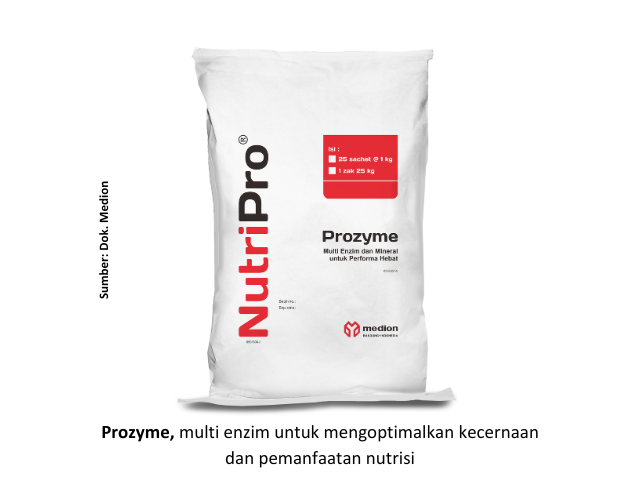
Prozyme contains a combination of multiple enzymes namely protease, xylanase, amylase and phytase. In addition, it is also equipped with cofactors in the form of manganese sulfate and zinc oxide minerals to help speed up the work of enzymes. Dosage of use in broilers as much as 1 kg/ton of feed while in laying hens as much as 0.75 kg/ton of feed.
Efforts to minimize the negative impact of antinutritions on chicken performance can be through the discipline of quality control of raw materials and if necessary the addition of enzymes to optimize digestibility and utilization of nutrients. Hopefully useful and add to our insight.