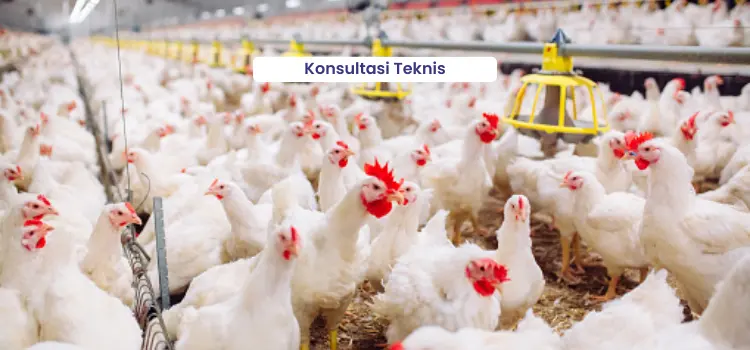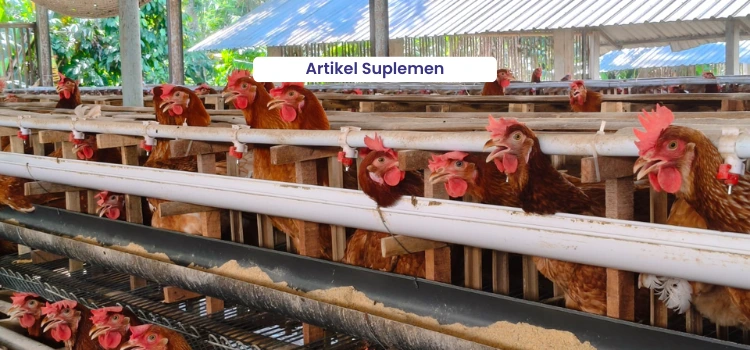
Commercial chicken performance continues to improve from year to year. Broiler Management modern today can achieve a body weight of 2.27 kg at the age of 35 days with a cumulative feed conversion of 1.5 kg of feed per 1 kg of weight gain (Cobb500 Broiler Performance, 2018). In the meantime, layer modern is currently capable of producing 466 eggs / Head / period (18-100 weeks) with a cumulative feed conversion of 2.14 kg of feed per kg of eggs (ISA Brown Product Guide, 2020).
The increase in performance is certainly inseparable from various factors, namely genetics, feed nutrition, environment and maintenance management. The four factors are related to each other in bringing optimal chicken performance. Feed is an important factor to consider, because it spends 70% of the total production cost. Therefore, it is important to pay attention to the quality of the feed provided, so that the performance of chickens can be optimal according to the expected standards.
Characteristics Of Quality Feed
Feed is not only related to the amount given and can be consumed by chickens, but also related to its quality. Quality feed when given to chickens is able to meet daily nutritional needs, so that growth and production can be optimal. Some indicators that indicate quality feed include the following :
- Physiological appropriate form of cock
The feed given to chickens must be adapted to their physiological condition, including the age and maintenance phase. There are three common forms of chicken feed given, namely mash (flour), pellet and crumble.
Feed mash contains various raw materials that have been finely ground and mixed together. This type of feed is generally given to layer production phase, with the aim of controlling feed consumption and cost efficiency.
Feed pellet it is a mixture of feed ingredients that have been printed in a machine into a long grain form. This feed is usually given to broiler phase finisher so that once pecked, chickens can consume a lot of feed to support the rate of weight gain is high and fast.
In the meantime, feed crumble is feed pellet which has been crushed into smaller granular particles. Feed texture crumble rougher than mash but it's softer than pellet. This type of feed is usually given to broiler or layer phase starter-grower. The goal is that feed consumption can reach the target to support proper growth, but still adjust to the condition of the digestive system of chickens that are still small and growing.
2. High digestibility
Digestibility can describe the high and low benefits of a type of feed. The high digestibility of the feed indicates that more nutrients are available and can be absorbed by the chicken's body for basic living, growth, production and so on.
3. Attractive color and smell
Quality feed is, of course, preferred by chickens. It can be seen from its physical appearance, namely color and smell. Chickens prefer yellowish feed and a characteristic smell of fresh feed. Yellow feed besides being an appetite stimulant is also an indicator of the high low content of carotenoids in it. Meanwhile, feed with a musty odor will certainly decrease palatability (feed preference level) and nasfu eat chicken, so that feed consumption can decrease.
4. Complete nutritional content
Complete nutritional content according to the needs of chickens is an important condition for quality feed. Many nutrients needed by the body of chicken ranging from protein, energy, fat, fiber to vitamins and minerals. If one of these nutritional needs is not met through feed intake, production will be disrupted. Therefore, a complete nutritional content and in accordance with the needs of chickens is important to support the achievement of optimal production performance.
5. Does not contain toxins one form of damage that is often encountered in feed is mycotoxin contamination (fungal toxins). The toxin is produced by fungi that grow and contaminate feed and feed ingredients. The presence of mycotoxin contamination will certainly reduce the quality of feed, because the palatability becomes lower. Disampipng it, mycotoxins can damage intestinal cells so that the digestibility of nutrients in the digestive tract becomes down.
6. Low antinutrients
Antinutrients are compounds that are naturally present in feed ingredients. This compound does not have a toxic effect, but if there is a lot of it in the feed, it can reduce the quality of the feed in terms of its digestibility. Many types of antinutrients contained in poultry feed can be categorized into anticarbohydrate, antiprotein and antimineral. These antinutrients can bind carbohydrates, proteins and minerals, making it difficult for chicken to digest and only a few can be absorbed and utilized by the body.
Scan Bans Antibiotic Growth Promoter (AGP)
Government policy regarding prohibition of use Antibiotic Growth Promoter (AGP) has been implemented since the beginning of 2018. AGP itself is an antibiotic used in animals in low doses with the aim of increasing production and performance. The mechanism of action of AGP is to suppress the development of harmful microorganisms in the digestive tract of animals so that nutrient absorption becomes more efficient.
Some farmers reported a decline in production performance after the policy was implemented. Therefore, currently began to be developed various types of AGP alternatives ranging from herbal plants, microbes to various types of enzymes. The main purpose of using such an alternative to AGP is to maintain the balance of the microflora of the gastrointestinal tract in a ratio of 85% of beneficial bacteria and 15% of pathogenic bacteria. With the preservation of the composition, the function barrier effect beneficial bacteria can work optimally to prevent the colonization of pathogenic bacteria.
One of the AGP replacement herbal products is Optigrin. Content Origanum vulgare and Andrograpihs paniculata inside Optigrin proven to be able to maintain the health of the digestive tract of chickens by damaging the cells/walls of pathogenic bacteria and forming a protective layer on the intestinal villi, so that the intestine is healthier and more optimal digestion of feed nutrients. Standardized herbal extracts inside Optigrin safe to use every day and leaves no residue or resistance.
Tips For Maintaining Feed Quality
Maintaining feed quality begins from the stage of receiving raw materials, the manufacturing process, storage to giving to chickens. If each stage can be passed well, then the quality of the feed will be maintained until the feed is consumed and digested by chickens. Some tips to be aware of are the following :
- Acceptance of raw materials
When raw materials come to the farm, immediately record no. batch, name supplier, date, and number of feed loads. After that, conduct a physical and chemical quality check (if necessary) of the received feed or raw materials. Next, store the feed in the warehouse and sort by no. batch as well as the date of its arrival.
2. Feed making
Potential occurrence human error very high when the feed mixing process, so it can affect the quality of the feed produced. The result of mixing must be homogeneous because it is very influential on whether or not the nutritional needs of each chicken are met. Make sure all feed raw materials are well mixed, especially small amounts such as feed supplement or feed additive.
3. Feed storage
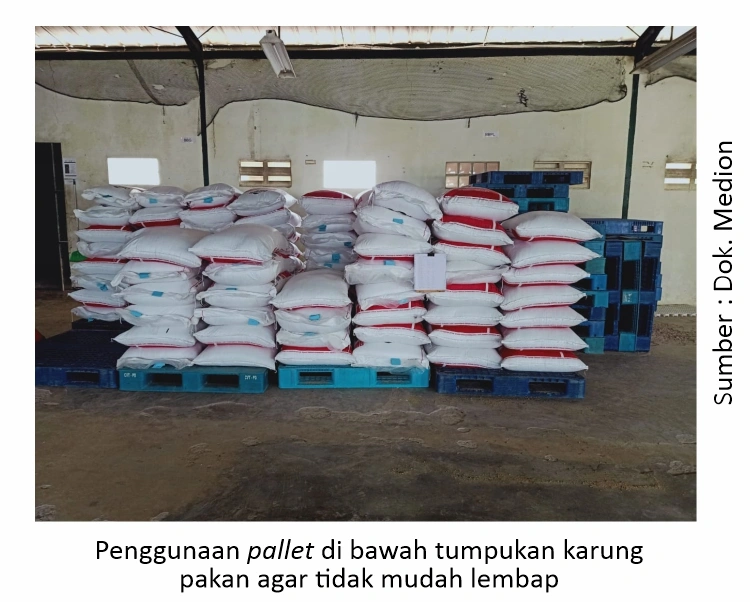
Poor storage conditions have the potential to cause contamination so that feed nutrient levels can decrease. General requirements for a good feed storage warehouse are clean, smooth air circulation, not damp, temperature 26-28oC as well as free from pests (mice, flies, insects).
Apply storage system first in first out (FIFO) or first expired first out (FEFO). So, prioritize feed and feed raw materials that are older or faster expiration dates to be used first. In addition, use pallet as high as 5-15 cm under the pile of feed and give a distance of 50 cm from the wall so that air circulation is smooth and not damp.
4. Feeding technique
Several ways can be used so that the quality of feed is maintained when given to chickens. The more frequent the frequency of feeding, the fresher the condition of the feed and the greater the appetite of the chickens. Feeding should also be done before the ambient temperature is high, around 03.00 – 08.00 and 14.00 – 16.00 so that there is not much feed left and the quality decreases. In addition, the cleanliness of the feed place also needs to be considered. Wipe or wash the feed site regularly every day using antiseptic solutions such as Medisep. This aims to prevent the growth of microbes and fungi that can contaminate and reduce the quality of feed.
The increasing performance of modern chicken production needs to be supported by quality feed. Recognizing the characteristics of quality feed and knowing how to maintain its quality is important to know so that the nutritional needs of chickens are met and performance can be optimal. Hopefully useful and add insight. Greetings.