Fungal diseases of the skin or often referred to as ringworm or many also call it with korep or free-range disease is one type of disease that often occurs in fighting chickens or fighting chickens. Korep disease is classified as a mild disease, but the name of the disease can certainly interfere with the health of chickens and can reduce the performance of fighting chickens.
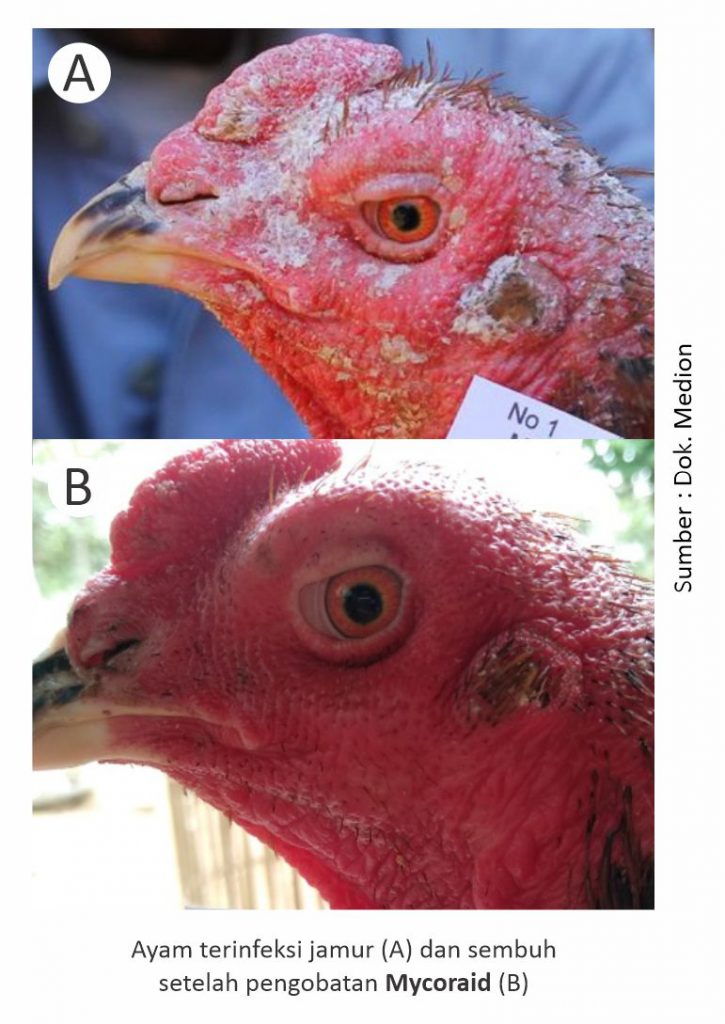
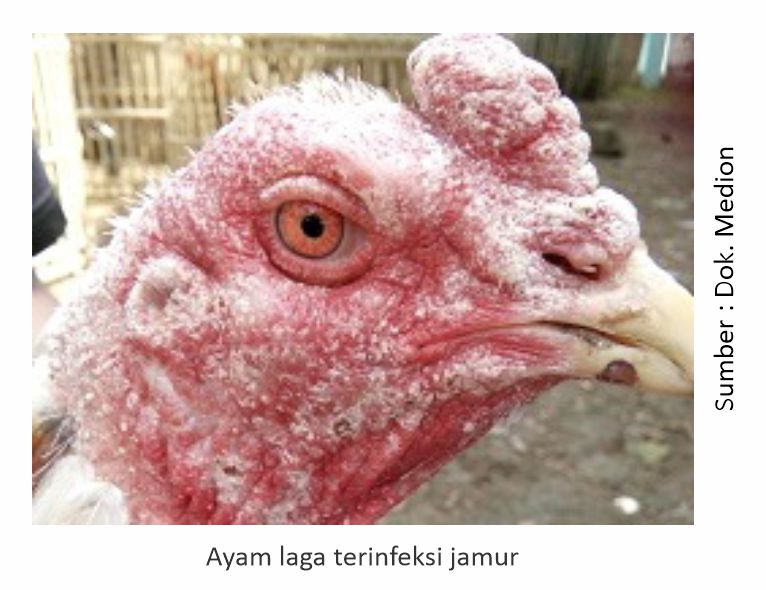
This disease is characterized by a white, peeling layer of the skin. Generally attacks on the face and comb. If the disease is not immediately treated seriously, the fungus that causes korep will spread easily to other parts of the body such as the skin near the beak, eyelids, neck, and spread throughout the skin of the chicken's body. This will certainly affect the stamina of the fight chicken.
Korep disease is caused by a fungus and can be transmitted to other chickens. Fungi that often attack include mold Microsporum gallinae, Microsporum gypseum, Trichophyton megnini, Trichophyton simii, Epidermophyton sp. Factors that can provoke the appearance of such fungal diseases include:
- Chickens are not cleaned after training or competition. Especially young chickens aged 6-8 months where the skin is still thin. It can also be because when bathing chickens after fighting is not done until it is clean.
- Infected from other chickens infected with the fungus during rearing or when competing.
- Less clean in washing your face when bathing chickens.
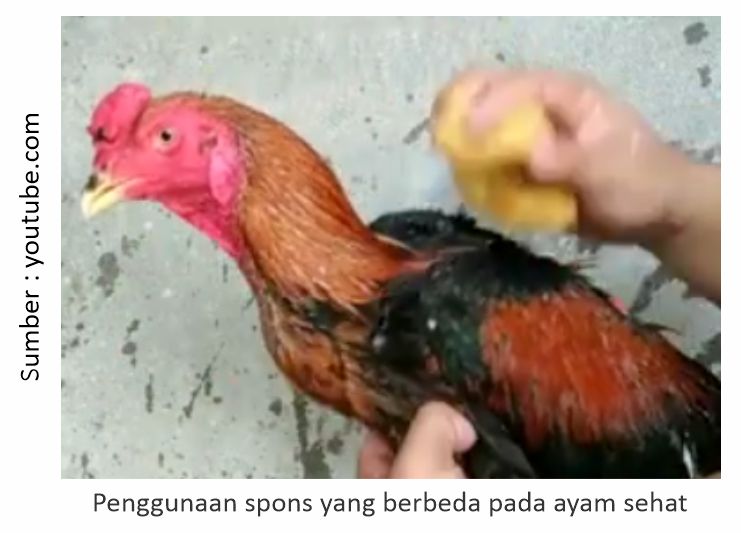
- Using the same sponge when bathing chickens
- Humid and less clean cage conditions
- Cages and chickens are less exposed to sunlight
Symptoms that can be observed in laga chickens infected with the fungus are:
- A layer of plaque or scab of white color on the face, comb, scalp, and neck skin
- Itching occurs in chickens so that they appear restless and uncomfortable which results in performance being down
- Hair loss
- Thickened or crusty skin
To prevent fighting chickens from korep disease, there are several prevention tips that can be done, such as:
- Clean the cage and the umbaran area regularly, especially from dirt.
- Spray disinfectant solution (Sporades/ Formades/ Antisep) in all parts of the cage and the surrounding environment to prevent fungal and seedling diseases develop.
- Make sure the cage air circulation is good so that the cage is not damp. And it will be better if the cage gets enough sunlight.
- Wash the chicken after competing thoroughly and immediately treat the chicken wounds after sparring or sparring training.
- If possible, use a different sponge for each chicken or at least separate healthy chicken equipment from sick chickens so they don't get infected.
- Supplementation is important to maintain optimal endurance of fighting chickens so that they are not susceptible to disease. For example, by giving Solvit or Vita Stress.
Because korep disease is contagious caused by fungi, then the step of treatment with antifungals is very important to do and note. So that the chicken does not get worse and recover quickly, the treatment that needs to be done is:
- Quarantine or separate sick chickens so as not to infect other healthy chickens.
- Clean the chicken especially on the face, comb, scalp and other infected parts slowly then dry. Separate the sponge used for chicken korep and not used for other chickens because it can cause transmission.
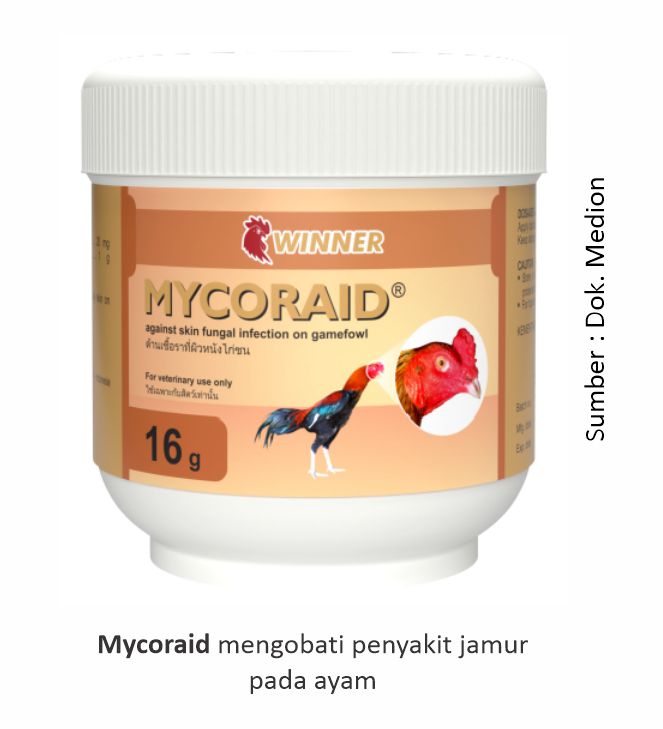
- Give treatment with anti-fungal drugs, for example Mycoraid. Apply on the infected part of the fungus, 2-3 times a day until it heals. Treatment is continued after the infection has healed to prevent the fungus from reappearing. Treatment of this korep disease must be done thoroughly. Treatment with Mycoraid does not cause side effects and does not affect the performance of fighting chickens.
- Clean the cage and disinfect every day the entire cage to get rid of mold with Antisep or Neo Antisep.