Mr. Kristian – By Phone
Could you please explain whether fish oil can be used as a feed additive for broiler chickens? Thank you.
Answer:
Thank you, Mr. Kristian, for your question. The use of fish oil in chicken feed. broiler Oils from various animal and vegetable sources are widely used in poultry feed formulations to increase metabolic energy content. This is particularly relevant for chickens. broiler which require high energy to support rapid and efficient growth. In addition to increasing metabolic energy, oil supplementation also contributes to reducing feed dust, providing fat-soluble vitamins and essential fatty acids, and improving feed palatability. In practice, fish oil can be effectively applied to broiler feeding systems. self mixing, because the flexibility of the formulation allows adjustment of energy levels, raw material quality, and management of oil stability according to production conditions in the field.
Fish oil is a source of fat that is rich in polyunsaturated fatty acids (polyunsaturated fatty acids, PUFA). PUFA is known to increase energy availability by up to 5% and improve tissue fat profiles (Leeson and Summers, 2008). The metabolic energy (EM) value of fish oil reported by Cuppet and Soares (1958) is in the range of 7,350 – 8,185 kcal/kg, differences in EM values are influenced by the source of the fish oil and the processing method used.
However, the high PUFA content makes fish oil highly susceptible to oxidation caused by oxygen. Hydrolysis of fish oil causes fatty acids to be released from glycerol bonds, thereby increasing the levels of free fatty acids or free fatty acid (FFA) (From et al., (2017). This increase in FFA has the potential to degrade oil quality and accelerate spoilage. Ultimately, the feed will turn rancid. This process is further accelerated by heat, light, high humidity, and metal contamination such as iron and copper.
Rancidity in feed can reduce feed intake, This in turn can lead to decreased body weight gain, feed efficiency, and potentially increased mortality. Furthermore, oxidized fish oil has been reported to reduce growth performance and trigger oxidative stress in livestock. This occurs because the oxidation process produces free radicals that damage the body's antioxidant system, such as glutathione peroxidase and vitamin E, thus triggering tissue cell damage and disrupting the body's metabolism. Oxidation reactions in fat also trigger the breakdown of fatty acids and triglycerides, reducing the energy value of raw materials and feed mixtures.
Antioxidant supplementation is necessary to address the damage caused by oxidation in fish oil. One commonly used antioxidant is vitamin E, which acts as a free radical scavenger. non-enzymatic and functions as a fat-soluble antioxidant in cell membranes (Lubis et al., 2015). The presence of vitamin E in broiler chicken feed containing fish oil is expected to be able to protect unsaturated fatty acids effectively, so that they can be utilized optimally.
Vitamin E works synergistically with selenium (Se), which is an important component of enzymes. glutathione peroxidase plays a role in neutralizing free radicals in the cytoplasm (Lubis et al., 2015). The combination of vitamin E and selenium is able to inhibit the auto-oxidation reaction in lipid membranes, thereby protecting tissue from oxidative damage and has been shown to increase the immune response (Shinde et al., 2007).
Vitamin E and selenium supplementation is expected to suppress fish oil oxidation, allowing the nutrients in fish oil to be utilized and mitigating the negative effects of feed oxidation. Furthermore, the addition of these two nutrients can reduce the use of endogenous antioxidant enzymes, increase the antioxidant content in meat, and help reduce oxidative stress by inhibiting free radical formation and the oxidation process within cells.
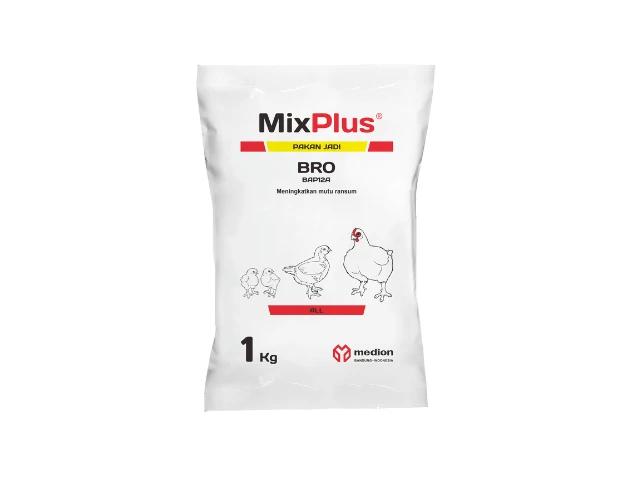
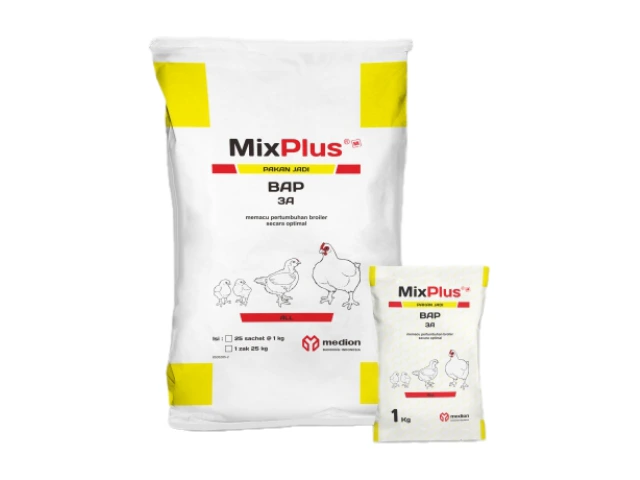
Antioxidant administration should be initiated as early as possible for optimal protective effects. Antioxidants can be added during the feed mixing stage. As a practical solution, the use of premixes that support nutritional stability and antioxidant systems is crucial. Medion products such as Mix Plus BAP3A, Mix Plus BAP12A, and Mix Plus BAM23A designed to help maintain feed quality, supplement vitamin, mineral and amino acid requirements, stimulate growth, and reduce FCR (Feed Conversion Ratio). Mix Plus It contains multivitamins such as vitamin E and selenium (Se), and is enriched with antioxidants. This means fish oil can be used safely and effectively in chicken feed mixtures. broiler, so that the benefits of PUFA can be obtained without sacrificing chicken performance and health. In addition, the multivitamin, mineral, and amino acid content in Mix Plus functions as a nutritional supplement to compensate for variations in the quality of raw feed materials, thereby supporting chicken growth. broiler optimally.
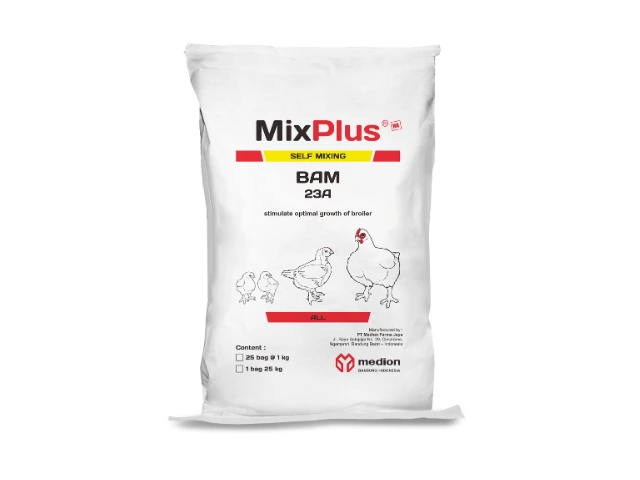
Oxidative reactions are a naturally occurring process. In addition to supplementation, premix which contains vitamin E and selenium, several efforts that can be made to suppress the rate of oxidative reactions include the following:
1. Quality control needs to be more stringent, especially when receiving raw materials that are prone to rancidity. In field practice, the stability of oil and feed mixtures can be monitored through peroxide values, with a safe limit of around 100 m.eq/kg. Values exceeding this limit have the potential to reduce livestock performance. Furthermore, testing anisidine, TBA, and malonaldehyde can be used to describe the level of rancidity in feed. The combination of these three tests will provide a more complete picture of the oxidation number.
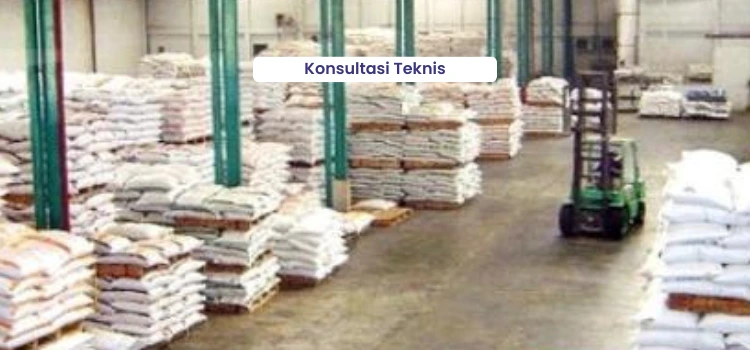
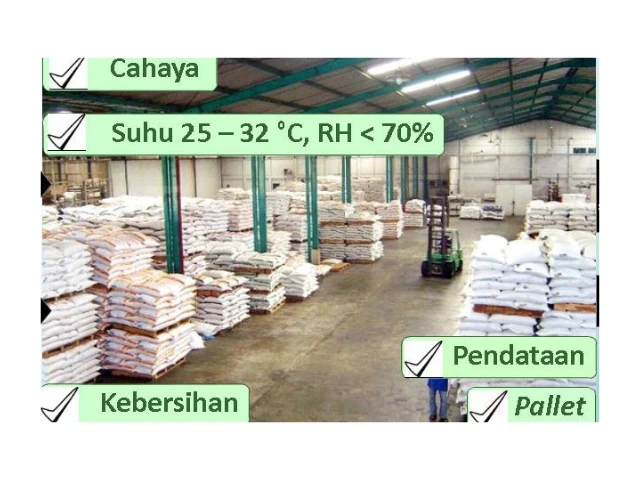
2. Manajemen penyimpanan bahan baku dan campuran pakan perlu mendapat perhatian serius. Reaksi oksidatif bersifat autokatalitik, artinya ketika proses ini sudah dimulai, pembentukan asam lemak teroksidasi akan terus berlangsung dan menyebabkan akumulasi ketengikan seiring waktu. Penerapan manajemen penyimpanan yang baik dapat menurunkan risiko oksidasi. Faktor-faktor yang perlu dikendalikan meliputi suhu gudang pakan (25o- 32oC), kelembapan gudang pakan (<70%), kadar air pakan dan bahan baku (<14%), intensitas cahaya, serta potensi kontaminasi mineral logam seperti besi dan tembaga dalam jumlah berlebih. Penggunaan pallet untuk mencegah kontak langsung dengan lantai, serta penerapan sistem FIFO (first in first out) and FEFO (first expired first out), have been proven to help minimize oxidative reactions. 2. Raw materials and feed should be stored in tightly closed sacks and placed in an area with adequate lighting, but not exposed to excessive light that can trigger oxidation.
3. Control the crude fat content in formulated feed. In general, the maximum crude fat content in broiler chicken feed is around 4% according to SNI (2023). The recommended use of fish oil is in the range of 1-3% to maintain a balance between nutritional benefits and feed stability.
References
Cuppett, S.L. dan Soares, J.H. 1972. The Metabolizable Energy Values and Digestibilities of Menhaden Fish Meal, Fish Solubles, and Fish Oils. Poultry Science. 51 : 2078-2083.
From, DW, Astawan, M., Wulandari, N., Suseno, SH 2017. Characteristics of sardine fish oil (Sardinella sp.) resulting from multistage purification. JPHPI. 20(3): 456-467.
Leeson, S. dan J.D. Summers. 2008. Commercial Poultry Nutrition. 3rd edition. Nottingham (UK): Nottingham University Pr.
Lubis, FNL, Alfianty, R., Sahara, E. 2015. The effect of organic selenium (Se) supplementation in vitamin E on the performance of pegagan ducks. Sriwijaya Animal Husbandry Journal. 4(1): 28-34.
Shinde, V.K., Dhalwal, A.R., Paradkar, Mahadik K.R. 2007. Effects Of Human Placental Extract On Age Related Antioxidant Enzyme Status In Dgalactose Treated Mice. Department of Pharmacognosy, Poona College of Pharmacy. Pune (IN): Bharati Vidyapeeth Univ Erandwane Pr.