Questions from Mr. Eko-Aceh
A few days ago, my enteroc was attacked by a disease with the initial symptoms of white feces (there are some like pasta). One to two days later the monster is lazy to move and eat. On the third day, the head and eyes are bluish-white. By the fourth or fifth day, all of them were dead. There are also those who immediately show a teleng-teleng head, then die in a day or two. What are the causes of the disease and how to treat and prevent it from recurring?
Answer
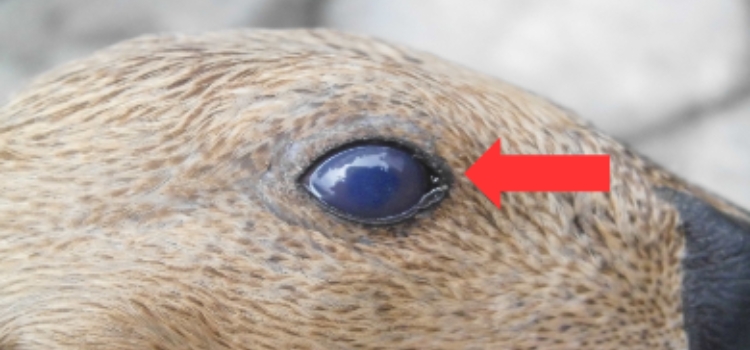
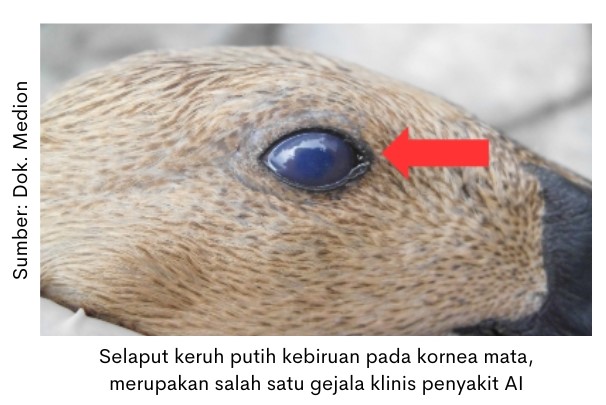
Thank you Mr. Eko for the question submitted. Based on the symptoms that you describe, there is a possibility of enteritis on your farm attacked by the disease Avian Influenza (AI). Clinical symptoms that can be seen from AI disease in enteritis are sudden death, torticollis (twisted neck), the presence of bluish-white turbid membranes in the eyes, greenish-white feces, discharge of thick exudate in the nose, and decreased production in laying eggs. However, observation of clinical symptoms alone is not enough to determine the diagnosis of a disease.
In addition to clinical symptoms, you should also perform surgery to observe changes in anatomical pathology. Then it can be confirmed by lab tests such as test polymerase chain reaction (PCR) and sequencing.
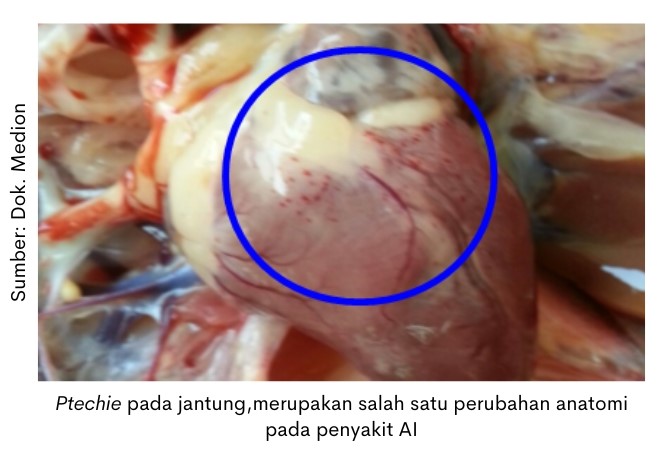
Anatomical changes that can be found in the case of AI enterok are inflammation of the larynx (laryngitis) and trachea (tracheitis), hemorrhages in the lungs, ptechie heart fat, ptechie abdominal fat, inflammation and dilatation of the ovarian vessels daran, ovarian slurry, inflammation and oedema of oviduct, hemorrhages in the muscles, inflammation and dilatation of blood vessels in the brain, swelling of the kidneys, inflammation of the intestines and pancreas, turbid air sacs.
Differential diagnosis of AI disease is Newcastle Disease (ND). Nd disease has clinical symptoms of respiratory tract disorders such as chicken weakness, decreased appetite, snoring, dull feathers, green diarrhea mixed with White Moss and torticollis. Often nd disease in enteritis is not accompanied by clinical symptoms, enteritis looks normal but has the potential to spread ND disease to other birds.
Prevention efforts against cases of AI and ND in enteritis are as follows:
1. Carrying out vaccinations
The existence of vaccination can protect enterocs from microorganism attacks by forming a specific immune system (antibodies against a disease) optimally. The things that need to be considered in the implementation of vaccination are vaccination programs that are in accordance with farm conditions, the right time and technique for administering vaccines, appropriate and uniform vaccine doses, and vaccinations must be given to healthy enterococci.
Vaccines commonly used in enterocs are nd, AI, and Coryza vaccines. Examples of Medion products that can be used for vaccination against enteroc are Medivac NDG7-AI H5N1 Suptype, Medivac ND-Coryza Emulsion, and Medivac Coryza T Chito. Other vaccines, such as Fowl Cholera, can be assigned based on the existing case history in the cage.
2. Application biosecurity the good
Biosecurity aims to minimize the seeds of disease in the cage. Application biosecurity thoroughly starting from the isolation of the sick entok, spraying the cage at least 2x a week, and sanitation of the cage, feed and drinking places also need to be considered.
3. Optimal implementation of maintenance management and supportive delivery
The things that need to be considered are creating a comfortable atmosphere for entok, for example by arranging good ventilation and density, then adequate nutrition and feed management, and supplementation such as giving Imustim, Vita Stress, or Turbo to reduce stress, increase endurance and stamina, and increase productivity.
Handling cases when leading to AI and ND are as follows:
- Supportive administration of vitamins such as Fortevit and herbs such as Imustim can help boost the immune system, given the disease caused by a virus that has no cure.
- Tightening the cage spray every day as long as there are still cases, aims to reduce the challenges of existing diseases in the cage.
- Administration of antibiotics such as Tinolin or Tinolin Inj if there is a secondary bacterial infection.