Many factors can affect the productivity of beef cattle, one of which is the stress conditions felt by livestock. Stress in livestock is a condition that is important to note but is often missed because it does not show significant symptoms, even though the impact can interfere with the health, productivity and welfare of livestock.
Therefore, there is a need for awareness and responsibility from all parties who play a role in the beef cattle business in order to recognize and overcome the stress that occurs in livestock.
Causes and effects of stress
Basically, stress is a non-specific response from the body when cattle feel a change so that the body needs adjustment. Cattle that experience stress will occur hormonal changes in the body which is characterized by an increase in the hormone cortisol (stress hormone).
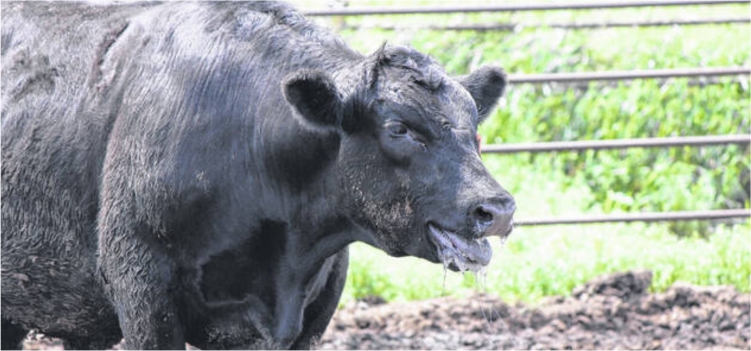
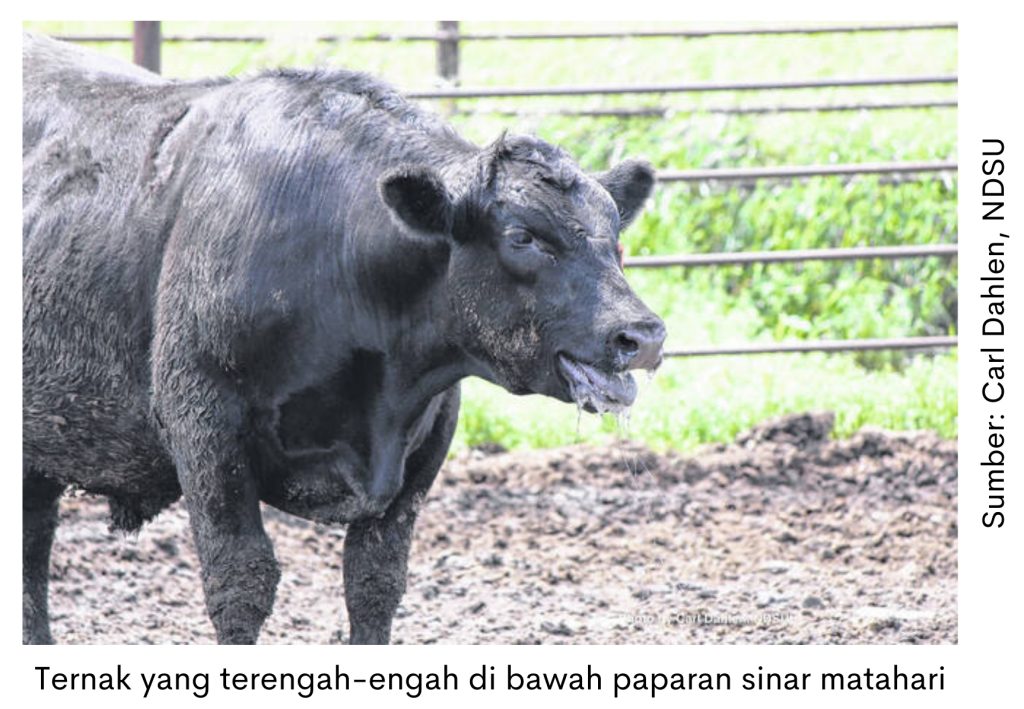
Furthermore, the hormone will stimulate several body responses such as increased heart rate frequency, breath frequency or body temperature. Stressed cattle can also be seen when there are changes in behavior such as becoming more aggressive, changes in diet or tends to move away from the herd. The stress felt by livestock can come from various sources such as:
- The transportation process can be a significant source of stress. Some processes during transportation that can cause stress such as loading/unloading livestock, handling, exposure to extreme environmental conditions, being in tight spaces and long journeys with a long time.
- Non-ideal environmental conditions, too hot or cold weather and sudden changes in temperature are sources of significant environmental stress. In addition to weather-related, environmental conditions in the cage can also cause stress such as too high cage density and poor ventilation.
- Infectious and non-infectious diseases or the presence of parasitic infestations (endoparasites and ectoparasites) can also be a source of stress. This can cause the cow to feel pain and experience discomfort that interferes with aspects of animal welfare.
Not all stress is negative. As in a new environment, livestock will experience stress in a short period of time to adapt. But when cattle are stressed repeatedly or over a long period of time, it can certainly have a negative impact. Some of the negative effects of stress that occur in livestock are :
- The body's resistance decreases so that it is more susceptible to disease attacks.
- Decreased reproductive performance such as irregular estrus cycles, low pregnancy rates, and increased risk of abortion.
- Decreased productivity, low appetite and followed by decreased body weight.
- The quality of the meat decreases as it becomes dark (dark), firm (hard textured), dry (dry) or commonly called DFD meat. Meat with this condition can occur because before it is cut, the cow experiences stress for a long time (chronic). In addition, cows that are slaughtered in a state of acute stress will produce meat with the condition pale (pale), soft (mushy), exudative (wet) or commonly called PSE meat.
Stress management in livestock
Good stress management in livestock needs to be done from the transportation of imported cattle, during maintenance until the cows are transported back for sale. Here are some efforts that can be made related to stress management:
- The beginning of preparation before loading needs to be ensured that the cow is in a healthy condition and can be fasted first for 6-12 hours. When process loading, cows are directed into vehicles without violence and their number does not exceed capacity. During the journey, avoid excessive speed and shock so as not to injure the cow. Long travel time also needs to be considered so that it is not too long and air circulation during the trip must be good. When it arrived at the destination location, the process unloading it should be done quietly/not noisy and not rude.
In addition, the process loading and unloading it needs to be done in a place that has been specially designed to make it easier for livestock to get on or off the vehicle. Cows that have arrived need to be placed in quarantine pens and checked for health status. Provide fresh food and drinking water and give Bioselvita as an energy intake enhancer. Efforts to overcome post-transport stress can be done by giving premixes Transolite which contains a combination of minerals, vitamins and amino acids. Transolite can be given when cows are at risk of stress such as post-transport or during extreme weather.
The presence of vitamin C content can function as an antioxidant and suppress cortisol levels so as to relieve stress. Other nutrients can also help increase appetite, endurance and help physiological activities and metabolism in the body. - Meet the nutritional needs of cows during rearing. Feed must match the needs of livestock that include energy, protein, vitamins and minerals. Clean and fresh drinking water should always be available. If there is a change of feed, it must be done gradually to prevent cows from being stressed and experiencing digestive disorders.
- It's a great way to start a healthy diet (Vita B Plex Bolus Extra Flavor/ADE Plex Inj) and anthelmintic (Wormzol-B/Wormzol Suspension) regularly 3-4 months. It is necessary to maintain good resistance of the livestock body to the attack of disease agents.
Provide a comfortable environment for the cow. Provide enough space to shelter or can also provide a fan in the cage to reduce heat and improve air circulation. Pay attention to the density of the cage so that it is not too high. The cleanliness of the cage should always be maintained in order to minimize the seeds of disease in the environment.
All parties in the beef cattle business need to be involved in the management of stress control in livestock. These efforts can minimize the stress felt by livestock so that productivity can reach optimal.