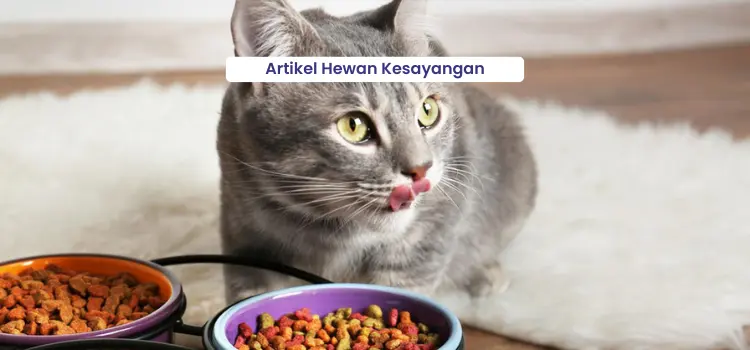
Your beloved cat often needs to change its food due to various factors, such as a veterinarian's dietary recommendation, changes in eating behavior, or simply age. Pet owners should be aware of these food changes, as they can impact their cat's health if not implemented correctly. Potential side effects of improperly changing their food include:
- Diarrhea
- Decreased appetite
- Vomiting
- Weakness and behavioral changes.
You can follow these tips to make the food change process easier and safer for your beloved cat. This process generally takes seven days and must be done correctly. The basic concept of a good food change is a gradual transition while monitoring for any changes in the cat's health. A slow transition is necessary because the cat's digestive system needs time to adapt to the nutritional composition, aroma, and texture of the new food. Sudden changes can trigger digestive problems such as vomiting, diarrhea, decreased appetite, and even stress in cats.
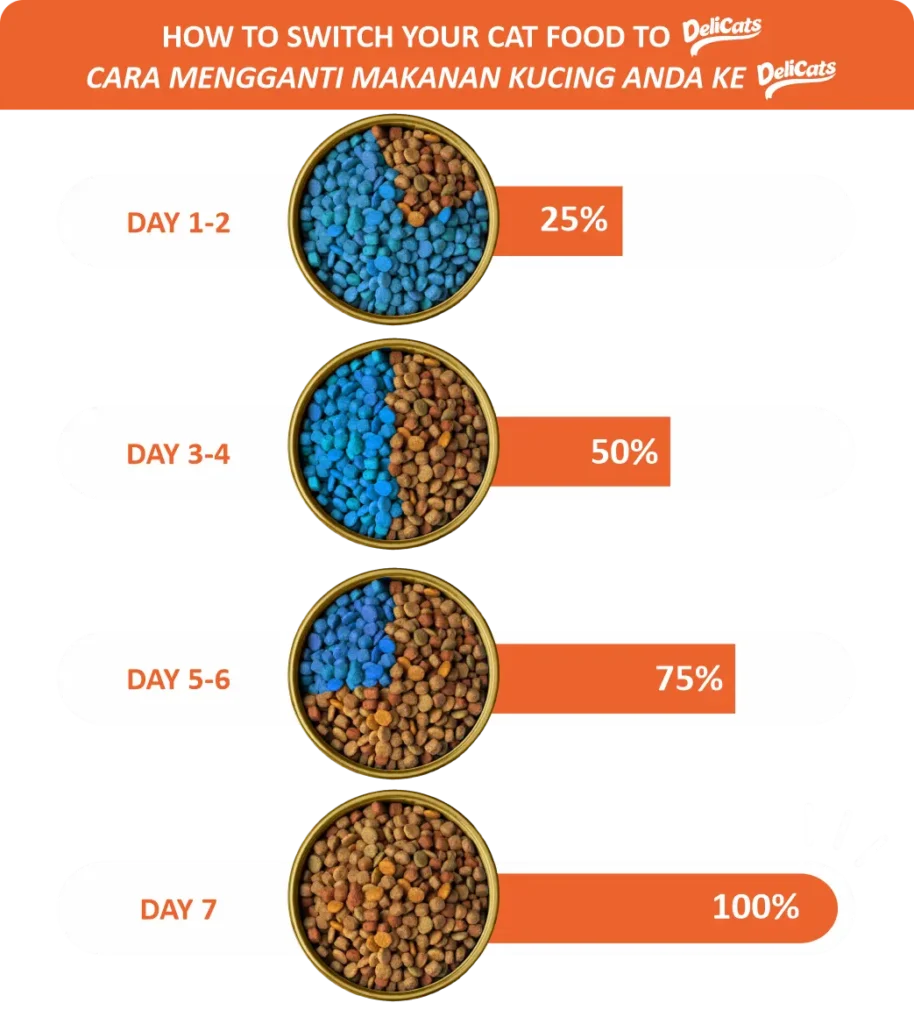
Here is a recommended timeline for changing cat food that you can use:
1. Day 1 – 2
In the initial stages of changing feed, the ratio of old feed to new feed is 75% : 25%During this transition period, ensure your beloved cat is in good condition and minimize potential stress. This includes feeding it at the same time and place. You can observe any changes in behavior and stool consistency during this period.
2. Day 3 – 4
At this stage, the ratio of new food to old food is 50%:50%, or in other words, equal portions of old food and new food. Continue to monitor the consistency of the feces and any changes in your cat's condition. If any rejection of the new food or changes in stool consistency are observed, this stage may be extended.
3. Day 5 – 6
On the 5th day, the new food almost filled the cat's food container with a ratio of old food to new food. 25% : 75%Continue monitoring stool consistency and any behavioral changes. If there have been no behavioral changes or health issues in the previous days, this stage should proceed smoothly.
4. Day 7
Congratulations! Your beloved cat has successfully passed the transition period. At this stage, you can fully introduce her to her new diet. Monitoring her health and stool consistency is still necessary. During this time, try to keep your beloved cat as stress-free as possible.
7 Tips for Changing Cat Food
The process of changing food can sometimes be challenging for some pet owners. However, there are several tricks you can use to help your cat adapt and make the transition smoother, including:
- Avoid stressing your cat.
- Don't add any other treatments; focus on changing the feed.
- If there is rejection of the new feed or softening of the stool consistency, the transition period to the new feed can be extended at that stage.
- Provide feed at the same place and time during feed changes.
- Always provide sufficient and clean drinking water when feeding.
- Always consult a veterinarian if there is a decline in your health condition.
As part of the feed change process, choosing a product with the right formulation can help maintain your cat's digestive comfort. Delicats is a premium food for kittens and adult cats formulated from quality ingredients and enriched with prebiotics to support intestinal health during the adaptation period.
Equipped with hairball control, omega-3 & 6 for healthy skin and fur, yucca extract which effectively reduces fecal odor, as well as calcium, phosphorus, and vitamin E to support bones, teeth, and body immunity. Delicats providing comprehensive nutrition so that the feed transition process can run more comfortably and optimally for your beloved cat.