Bapak Satria Maulana – by email
If at the age of 2 days already infected with bacteria E. Coli infection, how is the treatment given if the cause is indicated from drinking water? What can be given to chickens affected by bacteria E. Coli infection ?
Answer:
Thank you Mr. Satria for the question submitted. Bacteria E. Coli infection it is a Gram-negative enteric bacterium and is a normal flora in the digestive tract of chickens. However, it can cause disease if the population increases. Colibacillosis disease can be transmitted through contamination of drinking water, litterair and feces. In addition, colibacillosis it can also be transmitted vertically from mother to Chick. Incubation period colibacillosis the infection is transmitted through oral (mouth), inhalation (respiratory tract) and navel is 3-5 days (The Poultry Site, 2019).
When a chicken is infected colibacillosis, treatment that can be done include:
- Culling (selection) chickens with severe disease symptoms because it can act as a source of transmission and in severe conditions the cure rate of the disease is relatively small.
- Treatment with antibiotics that are effective for Gram-negative bacteria. In severe cases, antibiotics can be given through drinking water, for example Amoxitin, Tinolin, Neo Meditril or herbal products Fithera. If the condition of chickens is difficult to drink, injection antibiotics such as Gentamin can be an option. Rolling antibiotics from different groups, dosage accuracy, and duration of antibiotic administration need to be considered to avoid resistance.
- Supportive therapy with the administration of vitamins is also recommended to accelerate the healing process and increase appetite, for example by Fortevit, Kumavit or Solvit. Give herbal immunostimulants Imustim to boost the immune system.
- Sanitation of drinking water using antiseptics such as Desinsep. If drinking water is added Desinsep will be used to dissolve the drug, precipitate first for 6-8 hours before mixing the drug. In addition, it is necessary to check drinking water regularly. This test can be performed in the laboratory (MediLab).
- Implementation biosecurity strict, with daily cage disinfection during disease cases using Antisep or Neo Antisep. Also regularly sanitize and disinfect cage equipment (rations, drinkers) and the area around the cage.
- Maintenance management improvements such as density regulation, management litter which is good so as not to get wet or damp, as well as control ammonia levels. To help control ammonia in the cage can be given Ammotrol. Set the air circulation in the cage well and clean the dust around the cage. Try to make the air change easily and the chicken feel comfortable.
Agar colibacillosis does not occur again, preventive measures that can be done is:
- Conduct sanitation of cages and equipment. When empty the cage, after the cage is cleaned spray with Formades then take a break of 2 weeks. Three days before the DOC comes in, do the disinfectant spraying again.
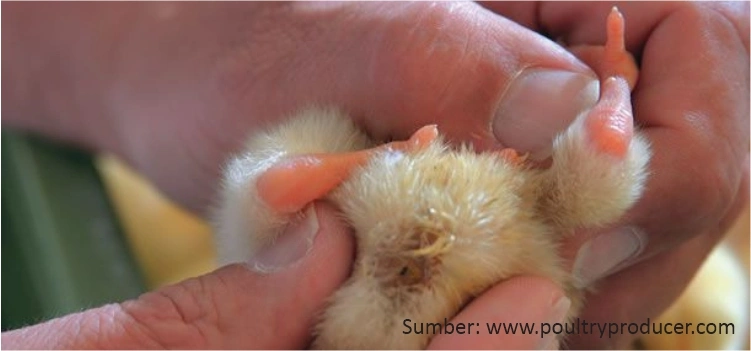
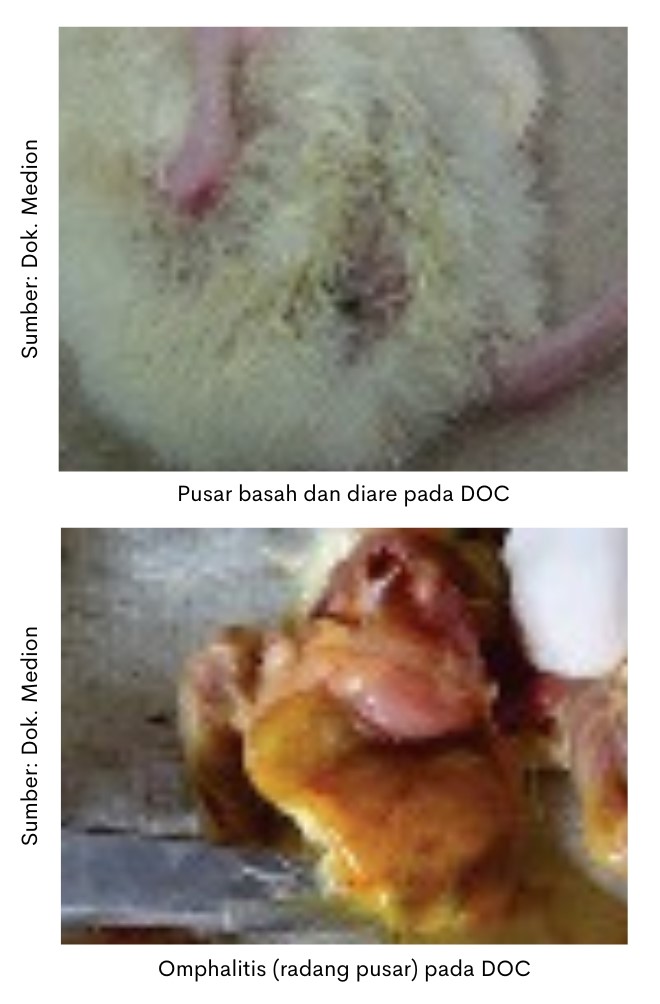
- Culling (selection) DOC with not good quality such as the navel has not closed or the rectum is wet because it can cause bacterial transmission E. Coli infection.
- Check the quality of farm drinking water periodically to determine whether there is contamination of coliform or e bacteria. bra in the drinking water.Checking can be done during cage rest, during the change of season or when using a new well. Before the water is sanitized, drain the torn water and flushing the water pipe first to remove the bio film attached along the water line. For example, with hydrogen perioxide (H2O2) or using a Harsonic device with an ultrasonic system.
- Disinfection of feed and drinking places, periodically with Medisep or Zaldes. The addition of Asortin in drinking water (not mixed with disinfectants/antibiotics) can also suppress the proliferation of pathogenic bacteria in the digestive tract and improve chicken performance.
- Suppressing provoking factors colibacilloisis, such as high chicken density, poor air ventilation, litter wet and humid, high ammonia levels, the presence of respiratory tract diseases, stressful conditions.